


Your dog’s gut drives digestion, immunity, skin, and energy, and the best dog food for gut health rebuilds the microbiome that protects them. Founded on the gut-immune connection, Brothers gut health dog food pairs over 90% animal protein with encapsulated probiotics, prebiotic fiber, and six digestive enzymes to calm sensitive stomachs and support digestive health at every meal.
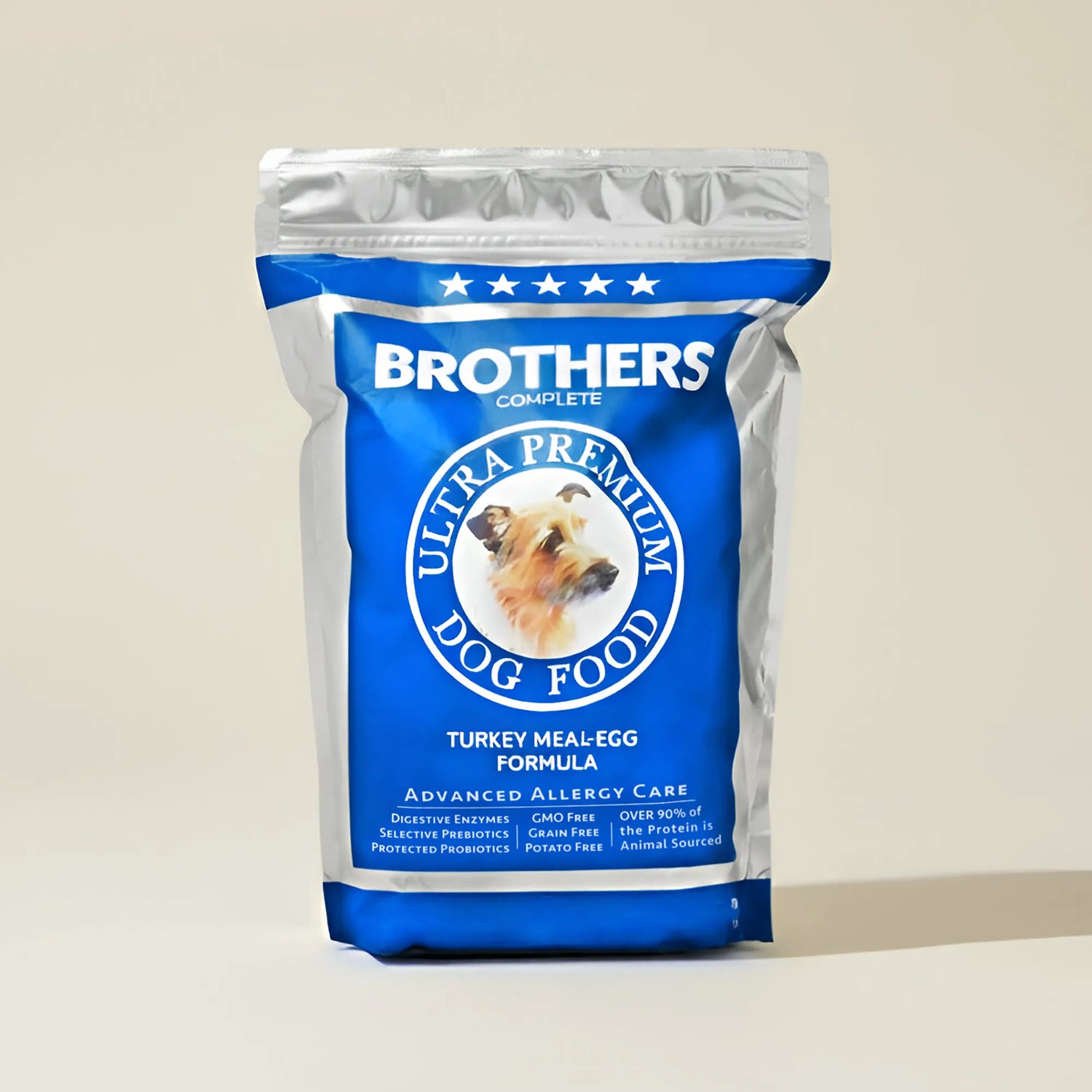
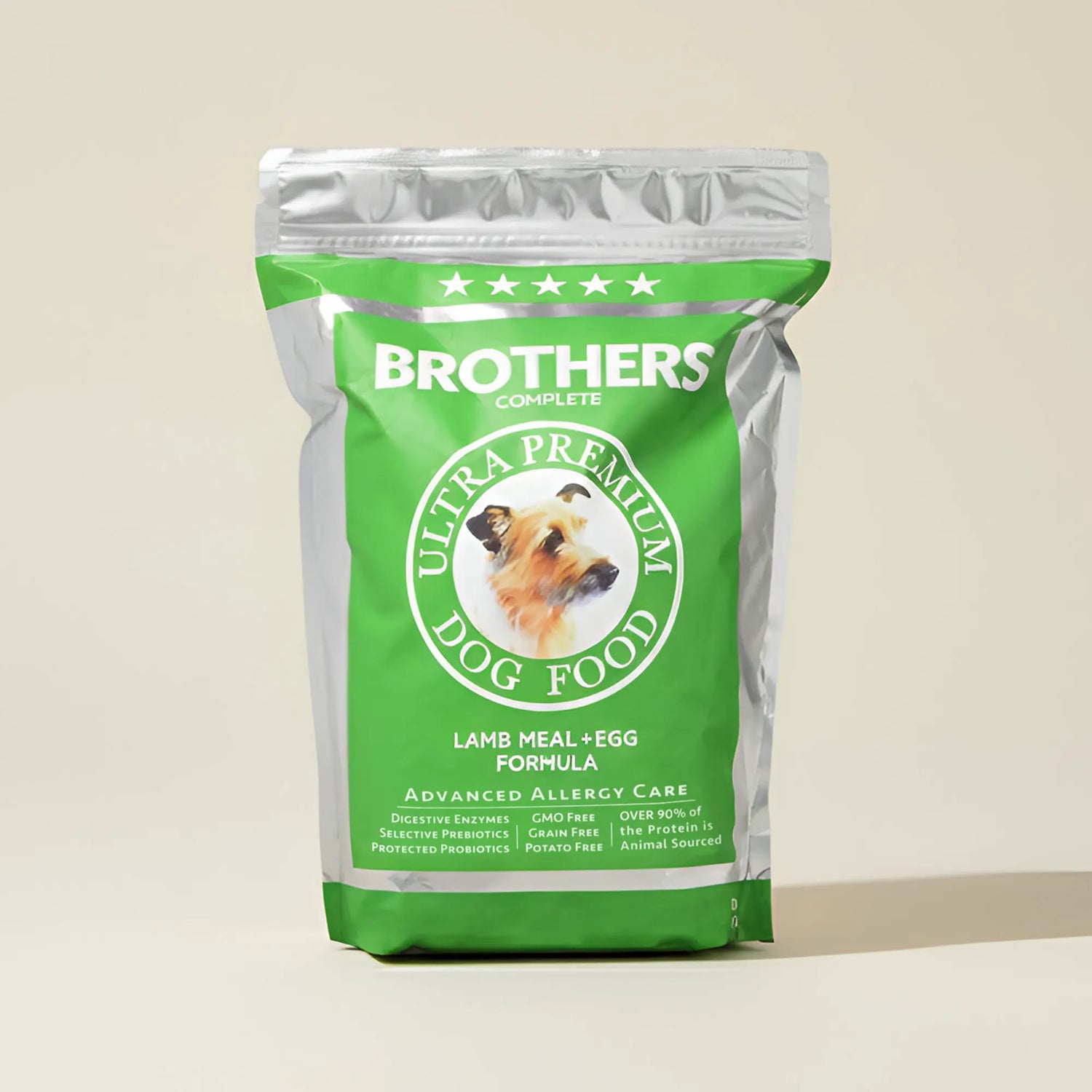
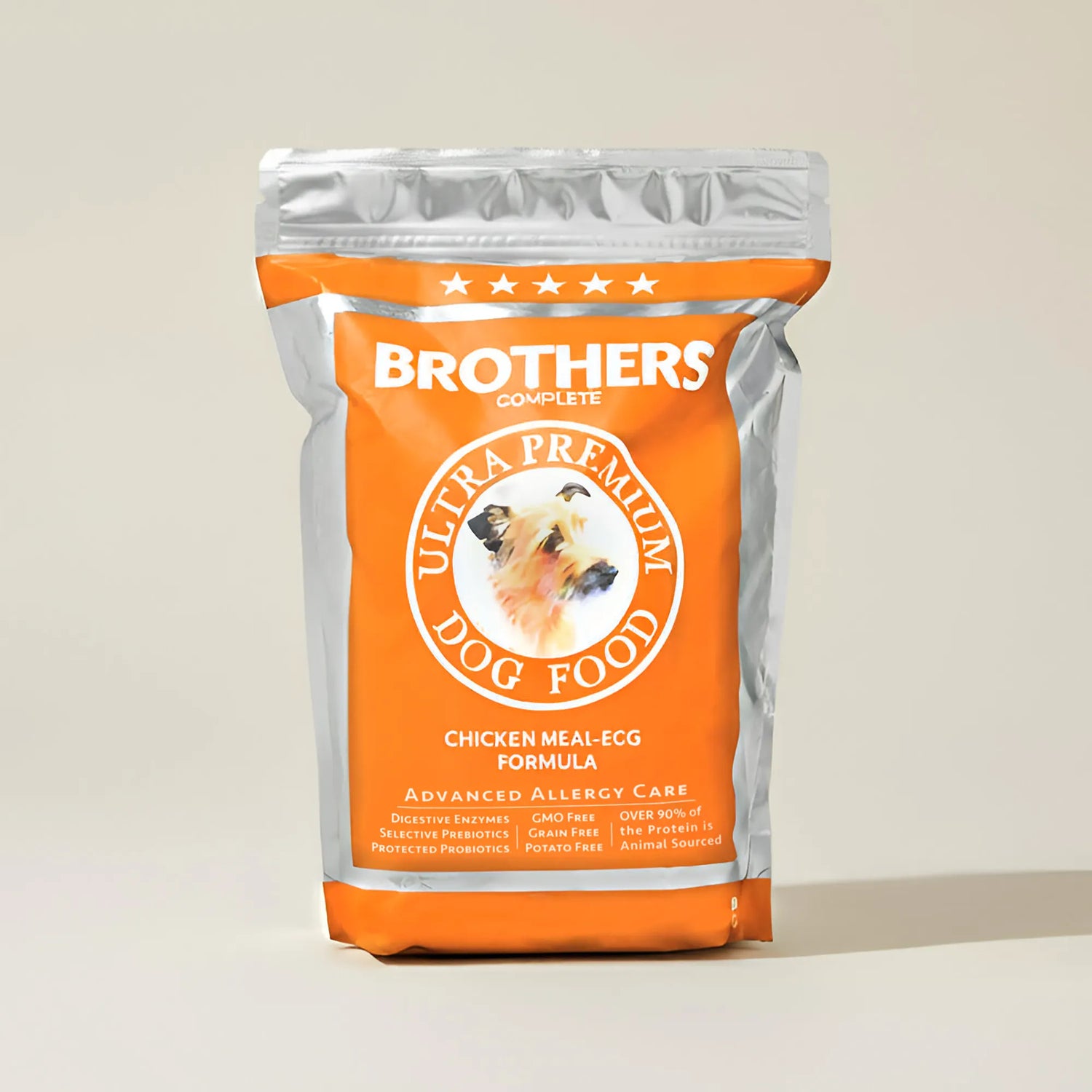
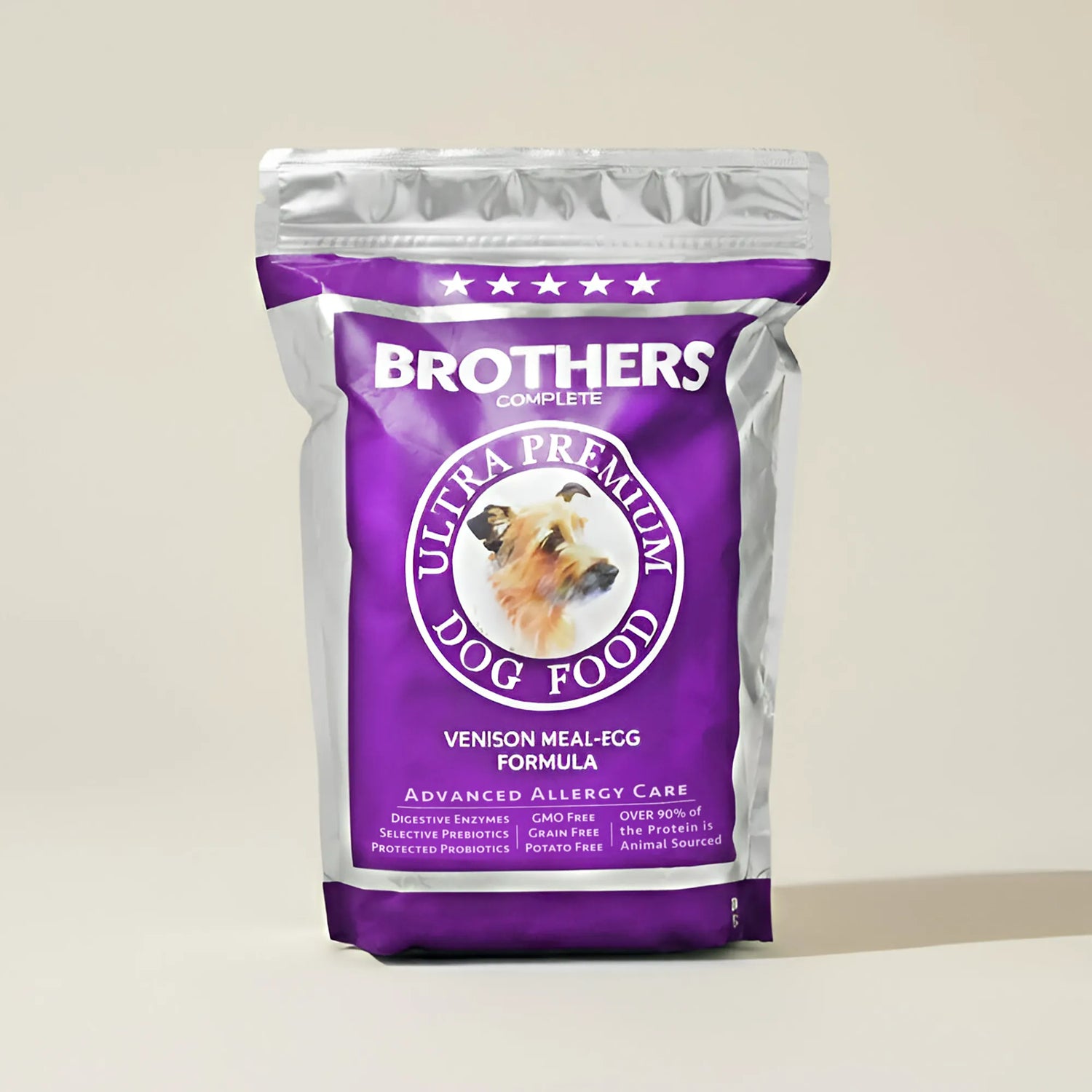
Brothers Gut Healthy Dog Food at a Glance
What Is the Best Dog Food for Gut Health?
The best dog food for gut health starts with a named animal protein as the first ingredient and pairs it with live probiotics, prebiotic fiber, and no common fillers. Look for a formula that delivers digestible protein, balanced fats, gut-friendly fiber, and meets AAFCO standards for complete nutrition. Brothers builds all four into every recipe, with encapsulated probiotics that reach the gut alive for reliable digestive support.
- High-quality animal protein (turkey, chicken, lamb, or venison) for easy absorption
- Encapsulated probiotics and prebiotics to feed and balance the microbiome
- Grain-free, low-glycemic carbs that are gentle on digestion
- No corn, wheat, soy, or artificial additives that trigger sensitivities
Why Gut Health Matters for Your Dog
A balanced digestive system affects nearly every part of your dog’s health. The gut microbiome breaks down food, absorbs nutrients, trains the immune system, and even helps regulate inflammation throughout the body. Supporting it with the right food pays off in visible ways:
- Better nutrient absorption and steadier energy
- A stronger, more balanced immune response
- Fewer episodes of gas, bloating, and loose stools
- Healthier skin and a shinier coat
Because skin and gut health are so closely linked, dogs with chronic itching often improve when their digestion does. See our itchy skin dog food for dogs whose allergies show up on the surface.
Signs Your Dog Needs Gut Health Dog Food
Consider switching to a gut health formula if your dog shows any of these signs of digestive imbalance:
- Loose stools, constipation, or frequent gas
- Food sensitivities or recurring allergies
- Chronic itching, dull coat, or excessive shedding
- Low energy or a need for extra immune support
- A veterinarian’s recommendation for digestive care
What’s Inside Every Bag: Brothers’ Gut-Health Stack
If you’re comparing dog food brands with probiotics and digestive enzymes, check the guaranteed analysis, not just the front of the bag. Here is what every Brothers recipe guarantees:
- Encapsulated probiotics at 2 million CFU per gram (Enterococcus faecium, Lactobacillus acidophilus, and Lactobacillus casei), coated so they’re designed to reach the colon intact
- Six digestive enzymes (protease, lipase, amylase, cellulase, hemicellulase, and lactase) to help break down protein, fat, starch, and fiber
- Organic long-chain inulin, a prebiotic fiber that feeds beneficial bacteria
- Pumpkin and ground flaxseed for gentle fiber, with crude fiber capped at 4%
- Omega-3s, including DHA from whole-cell algae, for skin, coat, and immune health
Probiotics vs. Prebiotics vs. Digestive Enzymes
- Probiotics are beneficial bacteria that help rebalance the microbiome. Many dogs show firmer stools within one to two weeks (how long probiotics take to work)
- Prebiotics are fibers your dog can’t digest but gut bacteria can; they feed the good bacteria already there
- Digestive enzymes break food down so more nutrients are absorbed and less undigested food reaches the colon
They work best together, which is why a complete probiotic dog food is simpler and more consistent than stacking separate supplements.
Breeds That Often Need Extra Digestive Support
Any dog can have a sensitive stomach, but some breeds show up with gut and skin problems more often:
- Golden Retrievers: food and environmental allergies that often show up as itchy skin, ear infections, and loose stools, plus a big appetite that makes overfeeding easy
- Goldendoodles: allergy tendencies inherited from both Golden Retriever and Poodle parents, and a reputation for sensitive stomachs
- German Shepherds: predisposed to chronic digestive conditions, including exocrine pancreatic insufficiency and inflammatory bowel disease
- French Bulldogs: prone to gas, loose stools, and food sensitivities
For these dogs, consistency matters as much as the formula: pick one gut-supportive food, transition slowly, and keep treats and table scraps to a minimum. If digestive signs persist, see your vet; chronic diarrhea, vomiting, or weight loss needs a diagnosis, not just a food change. Learn more about leaky gut in dogs and what your dog’s poop color means.
Kibble vs. Fresh Food for Gut Health
Fresh and kibble diets can both support a healthy gut; what matters is digestibility, fiber, and whether live cultures survive to reach the gut. Unprotected probiotics can be damaged by heat and stomach acid, which is why Brothers encapsulates its probiotics. A shelf-stable, grain-free kibble with a guaranteed probiotic count also makes it easy to feed the same gut-supportive diet every day, and the microbiome rewards consistency.
How to Transition to a Gut Healthy Diet
Switch foods gradually over about 10 days to avoid digestive upset and give the microbiome time to adapt:
- Days 1–3: 75% old food, 25% Brothers
- Days 4–6: 50% old food, 50% Brothers
- Days 7–9: 25% old food, 75% Brothers
- Day 10+: 100% Brothers
For portion sizes by weight and age, see our feeding guide. Always consult your veterinarian before a significant diet change, especially for dogs with chronic digestive issues.
FAQs
The best dog food for gut health has a named animal protein as the first ingredient, includes live probiotics and prebiotic fiber, avoids corn, wheat, and soy, and meets AAFCO standards. Brothers’ Turkey & Egg, Chicken & Egg, Lamb & Egg, and Venison & Egg recipes all meet that standard and use encapsulated probiotics that reach the gut alive for reliable digestive support.
Lean named proteins, fiber-rich ingredients like pumpkin and flaxseed, prebiotic fibers such as inulin, omega-3 fats, and live probiotics all support digestive balance. The most reliable option is a complete food with probiotics, prebiotics, and digestive enzymes built in, so your dog gets gut support at every meal.
Common signs include loose stools, constipation, frequent gas, bad breath, excessive itching or shedding, a dull coat, and low energy. Because most of the immune system lives in the gut, digestive imbalance often shows up as skin and allergy symptoms too.
Yes. Probiotic-supported food helps rebalance gut bacteria and improve digestion, which can reduce loose stools and gas. Pair it with a slow transition and consistent meals. Every Brothers recipe includes the same encapsulated probiotics, digestive enzymes, and prebiotic fiber, so you can choose turkey, chicken, lamb, or venison based on what your dog tolerates best.
Many dogs show firmer stools and less gas within one to two weeks of switching to a gut-supportive diet, while improvements in coat, skin, and energy often appear over four to eight weeks as the microbiome rebalances. Transition gradually over about 10 days for best results.
Because much of a dog’s immune system sits in the gut, food that supports digestion often helps the skin too. Look for a highly digestible, animal-protein-first recipe with probiotics, prebiotics, and omega-3s, and without corn, wheat, soy, or artificial additives. If your vet suspects a specific food allergy, run an elimination trial and read every ingredient on the panel; all four Brothers recipes contain chicken fat and chicken liver alongside their named protein. See our allergy dog food collection for more.
Probiotics are beneficial live bacteria; prebiotics are fibers that feed those bacteria; digestive enzymes help break down protein, fat, and carbohydrates so nutrients are absorbed. Each does a different job, and they work best together. Brothers includes all three in every recipe: encapsulated probiotics at 2 million CFU per gram, organic inulin, and six digestive enzymes.
Related Categories

We are a premium dog food brand founded on the gut-immune connection - balancing protein quality, low glycemic carbs, and gut support - made by a family who’s dedicated their lives to solving chronic canine health problems.
We are a premium dog food brand founded on the gut-immune connection - balancing protein quality, low glycemic carbs, and gut support - made by a family who’s dedicated their lives to solving chronic canine health problems.