


Best Dog Food for Goldendoodles


Goldendoodles are one of the most popular dogs in America — friendly, smart, and famous for their low-shedding, curly coats. But as a cross between the Golden Retriever and the Poodle, the Goldendoodle inherits health tendencies from both parent breeds, and two of the most significant are directly tied to nutrition: skin and food allergies, and joint health. Both Golden Retrievers and Poodles are among the more allergy-prone breeds in veterinary practice, and that susceptibility carries straight through to their Goldendoodle offspring. Add the coat that’s the whole reason people choose the breed, and it’s clear that what goes in the bowl shows up in the dog.
The right food supports clear, comfortable skin, a full and healthy coat, resilient joints, and easy digestion, delivering high-quality protein in a clean, highly digestible form. Brothers Dog Food is built around exactly those priorities: functional nutrition for a beloved crossbreed with real, inheritable health needs.
Why Brothers Dog Food is a great option for Goldendoodles:
- Supports skin and coat health with omega-3 fatty acids that nourish the Goldendoodle’s signature curly coat and calm the allergic skin reactions common to both parent breeds
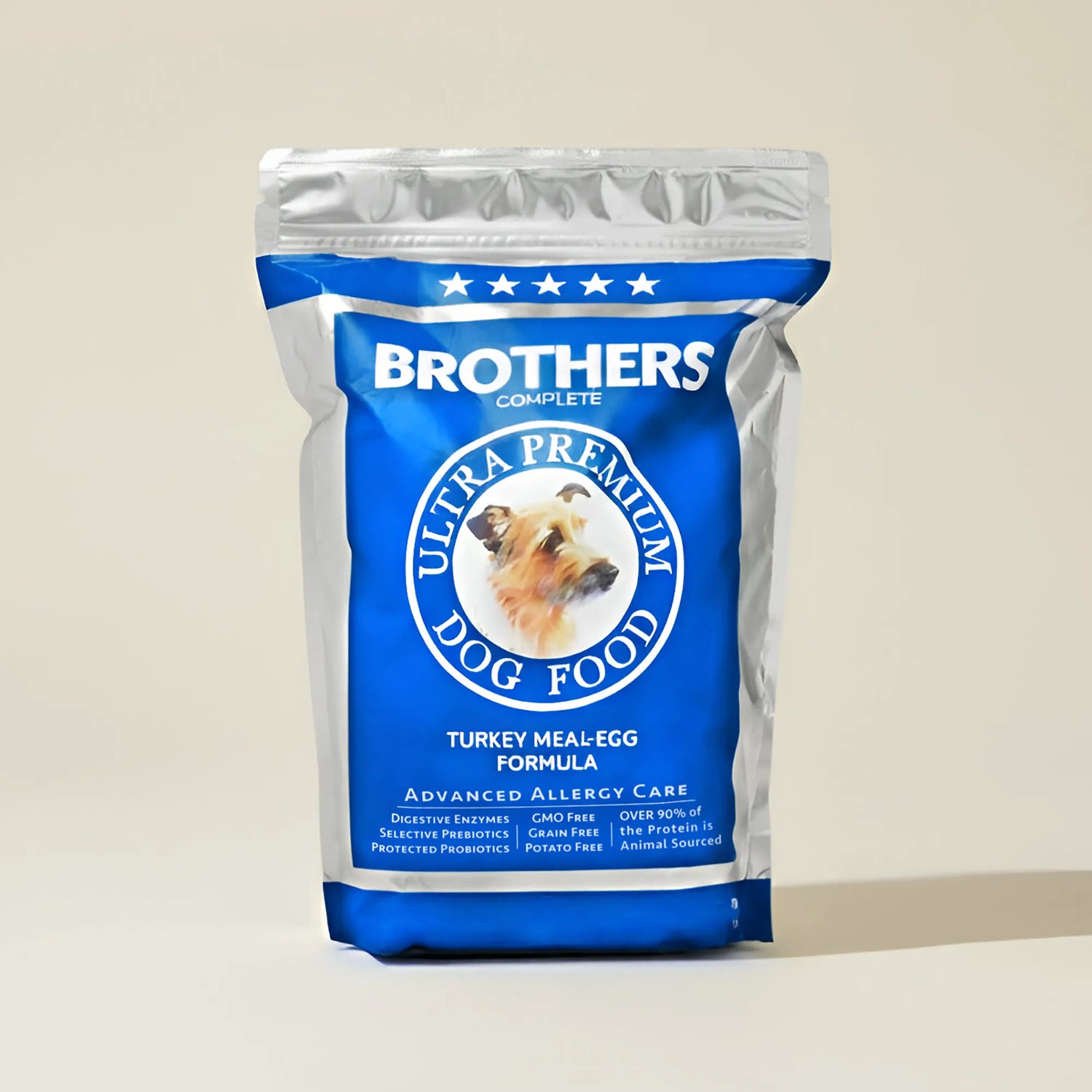
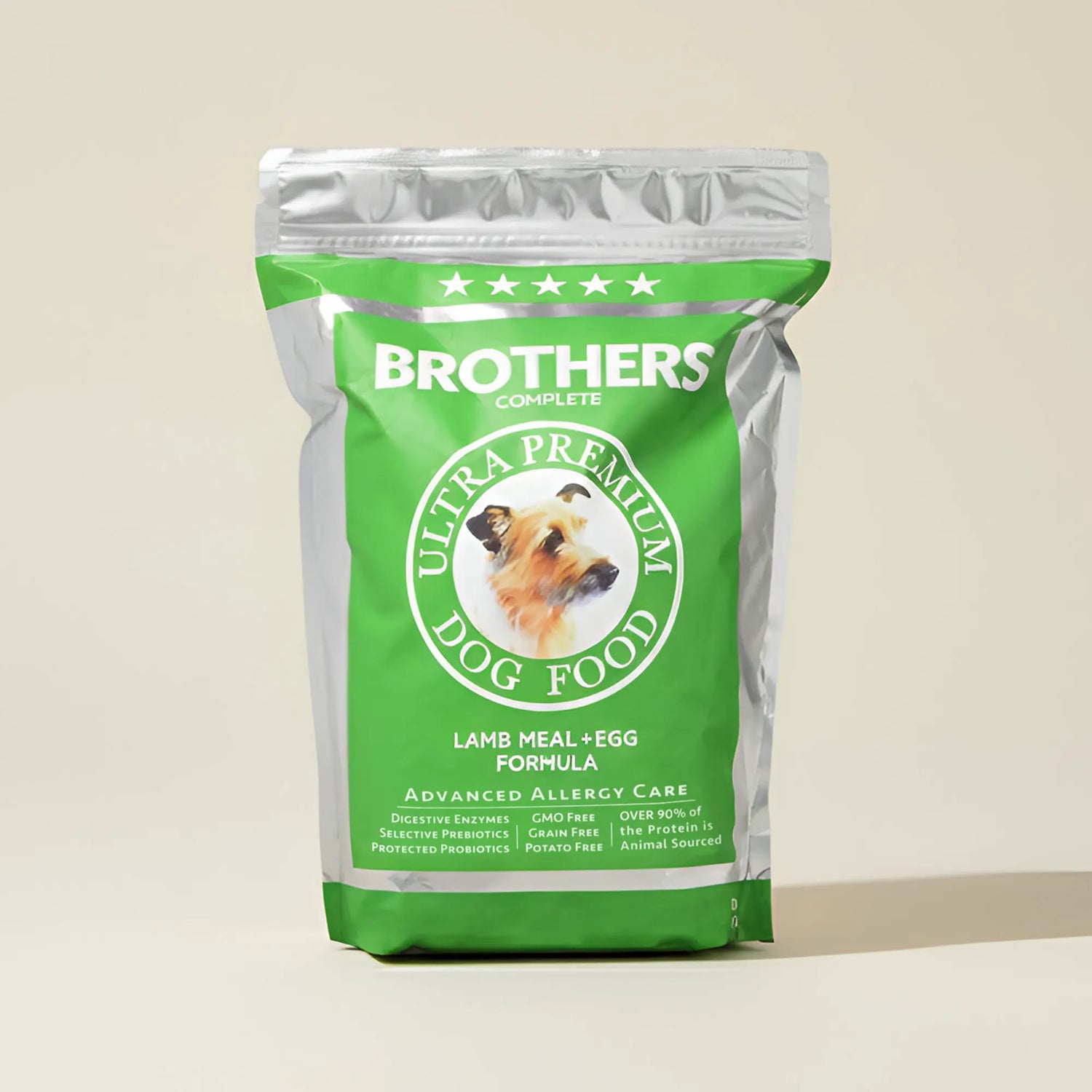
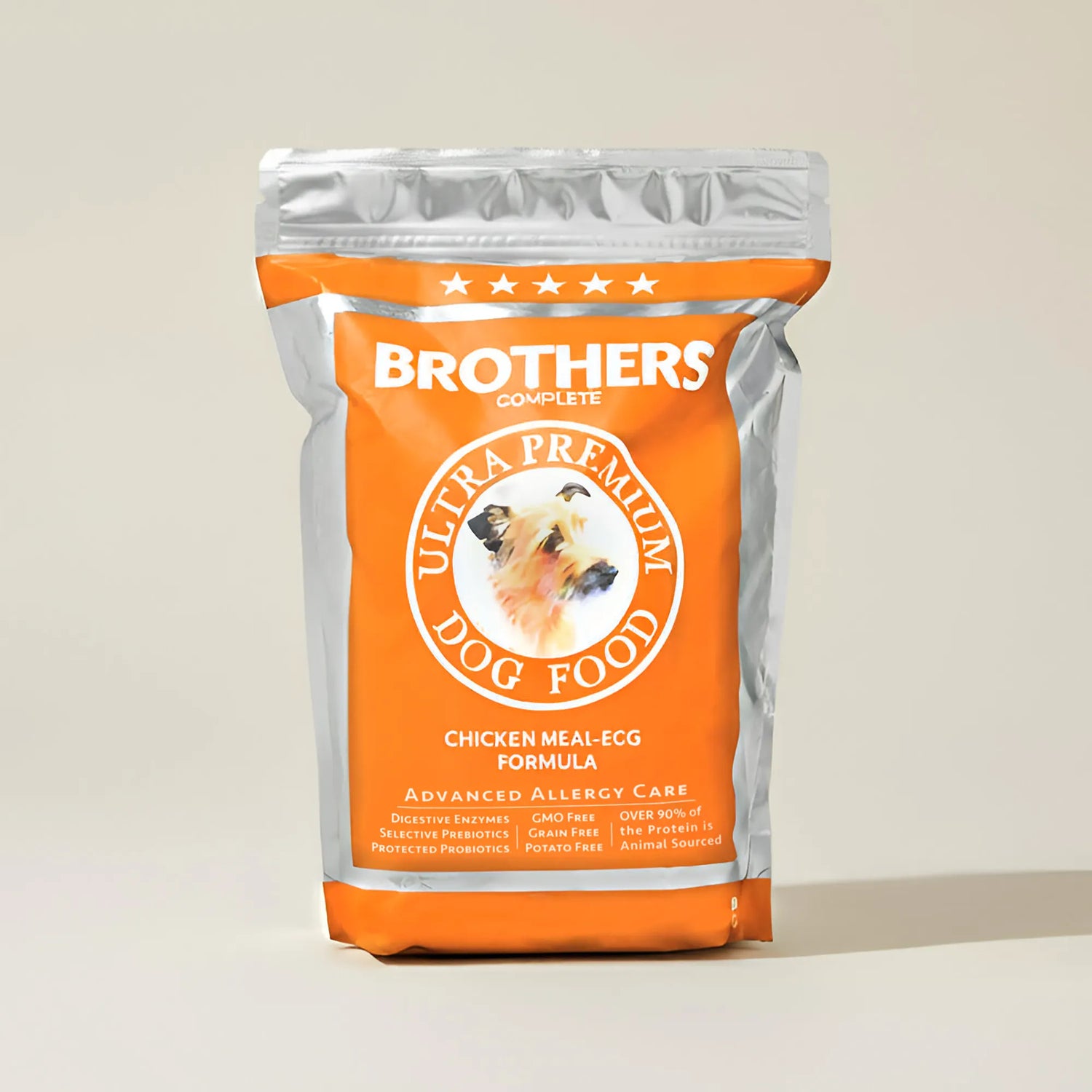
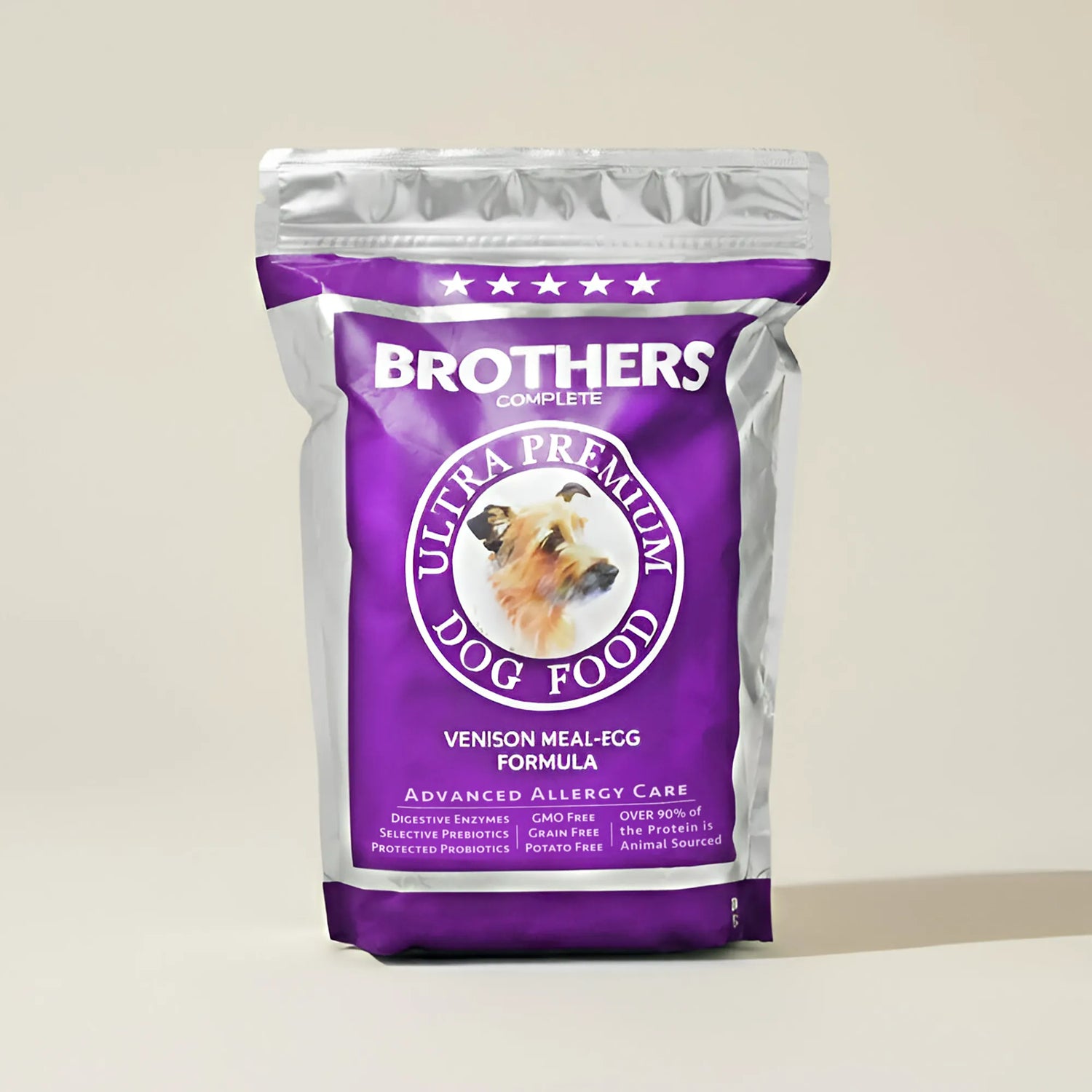
- Four recipes to rotate (turkey, chicken, lamb, and venison, each with egg) for Goldendoodles with food allergies and sensitivities inherited from the Golden and Poodle lines, all built on the same gut-health formula
- Supports joint health with quality protein and omega-3s that help protect against the hip and joint issues Goldendoodles can inherit from the Golden Retriever side
- Promotes healthy digestion and gut balance for a breed frequently reported to have sensitive stomachs
- High-quality protein maintains lean muscle across the Mini, Medium, and Standard size variants
- Helps manage weight for a food-motivated breed (a trait strong on the Golden Retriever side) prone to weight gain
- Made without unnecessary fillers and artificial additives that aggravate the skin, digestive, and ear sensitivities Goldendoodles commonly face
How Brothers Is Different From Other Goldendoodle Dog Food
Most dog food, even formulas marketed for doodles or designer breeds, is built around palatability and shelf appeal rather than the allergy, coat, and joint realities a Goldendoodle inherits from its parent breeds. For a dog whose skin and coat are both a health concern and the reason owners chose the breed, that gap is more than cosmetic.
What most dog food for Goldendoodles relies on:
- Multiple common allergens in a single formula — beef, dairy, wheat, corn — increasing the odds of triggering the skin and ear reactions Goldendoodles are prone to
- Artificial additives and low-quality fillers that add inflammatory burden to a breed with a doubly inherited allergy predisposition
- Generic protein meals that fall short of the quality needed to support both lean muscle and a full, healthy coat
- Minimal omega-3 content that leaves skin and coat under-supported in a breed defined by its coat
What sets Brothers apart:
- Named animal protein first: chicken meal, turkey meal, lamb meal, or venison meal, for complete amino acids that support muscle and coat together
- Omega-3s from flaxseed plus DHA from whole-cell algae (at least 0.65% omega-3), with omega-6 for skin barrier function and coat quality
- No corn, wheat, soy, or artificial additives, and a full, published ingredient panel to review with your vet before any elimination diet
- Encapsulated probiotics, six digestive enzymes, and prebiotic fiber for gut health support that impacts skin, coat, and immune function — the foundation of allergy management
Skin, Coat, and Allergies: The #1 Dietary Priority for Goldendoodles
Allergies are arguably the defining health challenge of the Goldendoodle, and the reason is genetic. Both parent breeds — the Golden Retriever and the Poodle — rank among the more allergy-prone breeds in veterinary dermatology, so the Goldendoodle inherits an elevated predisposition from both sides. Food allergies and environmental sensitivities show up as chronic itching, hot spots, paw licking, recurrent ear infections, and skin that’s red or inflamed. Because the Goldendoodle’s dense, curly coat traps moisture and allergens close to the skin, these reactions can be harder to spot early and slower to resolve.
The coat itself is a direct reflection of nutritional status. The low-shedding, wavy-to-curly coat that draws people to the breed depends on adequate essential fatty acid intake to stay full, soft, and healthy. A dull, dry, or thinning coat frequently signals inadequate omega-3s or an underlying food sensitivity. This makes nutrition a dual-purpose investment for Goldendoodle owners: the same omega-3s and clean, additive-free formulation that calm allergic skin also produce the coat quality the breed is prized for.
Signs your Goldendoodle’s food may be driving skin and coat problems:
- Chronic itching, paw licking, or face rubbing that persists year-round rather than seasonally — a pattern that points to food rather than environmental triggers
- Recurrent ear infections, especially common in doodles, whose floppy, hair-filled ears trap moisture; often worsened by dietary allergens
- Dull, dry, or thinning coat indicating inadequate essential fatty acid intake or a reactive ingredient
- Hot spots and red, irritated skin that return shortly after treatment, indicating an unresolved dietary trigger
Omega-3 fatty acids are among the best-studied nutrients for allergic skin, and for a Goldendoodle they do double duty by supporting the coat. Brothers pairs omega-3s from ground flaxseed with DHA from whole-cell algae and omega-6 for the skin barrier, in a formula free of corn, wheat, soy, and artificial additives. If your vet suspects a specific protein allergy, rotating proteins won’t replace a proper elimination trial, so read the full panel first: every Brothers recipe contains chicken fat and dried chicken liver alongside its named protein.
Joint Health & Size Variation: Feeding Mini, Medium, and Standard Goldendoodles
From the Golden Retriever side, Goldendoodles can inherit a predisposition to hip and elbow dysplasia, particularly in Medium and Standard sizes, where more body weight means more joint load. Proactive nutritional joint support matters: omega-3 fatty acids reduce joint inflammation, and maintaining a healthy body weight is one of the most impactful things an owner can do to protect a Goldendoodle’s joints over a lifetime. Joint-supportive nutrition is most effective when it starts in puppyhood rather than after symptoms appear.
Goldendoodles come in three main sizes, and while the core dietary principles are the same, size and life stage affect portion, calorie needs, and joint load. Mini Goldendoodles (15–35 lbs) have small caloric budgets and gain weight easily; Medium (35–50 lbs) and Standard (50–90 lbs) Goldendoodles carry higher joint load and, in the largest dogs, a modest bloat consideration that favors slower, portion-controlled feeding. The same clean, high-quality, omega-3-forward formula serves all three, adjusted for portion.
Feeding a Goldendoodle Puppy
The best dog food for a Goldendoodle puppy supports steady, lean growth, a settled stomach, and early skin health, since the breed’s allergies often first appear in the first year. Adult size varies more than in almost any breed, so portion for the size your puppy is heading toward:
- Mini (15–35 lbs as adults): small, frequent meals; small calorie budgets make puppies easy to overfeed
- Medium (35–50 lbs): three measured meals a day until about six months, then two
- Standard (50–90 lbs): the slowest to mature; keep growth lean to protect developing hips and elbows, and ask your vet about large-breed growth needs
Look for high-quality animal protein and DHA for brain development, weigh weekly so you can feel but not see the ribs, and move to any new food over 7 to 10 days. Brothers is formulated to meet AAFCO nutrient profiles for all life stages and includes probiotics and digestive enzymes for sensitive puppy stomachs. See our puppy feeding guide and how gut health shapes puppy development.
Goldendoodles With Sensitive Stomachs
Many Goldendoodles are reported to have sensitive stomachs, and digestive upset often travels with itchy skin. Three things usually help: a highly digestible, animal-protein-first food; consistent meals without frequent recipe swaps or table scraps; and daily gut support. Every Brothers recipe includes encapsulated probiotics (2 million CFU per gram) designed to reach the colon intact, six digestive enzymes, and organic inulin, with pumpkin and flaxseed for fiber. For more, read our guide to the best food for dogs with sensitive stomachs or shop gut health dog food.

Brothers Breeder Program
Breeder Program (For Goldendoodle Breeders)
Brothers Dog Food proudly partners with Goldendoodle breeders committed to producing healthy, well-nourished dogs. Our Breeder Program is built for professionals who understand that nutrition is the foundation of every healthy litter and every long-lived companion.
Goldendoodle breeders interested in the Brothers Breeder Program can apply through the Brothers Breeder Program page or contact our team directly. We have active partnerships with breeders across the United States.
Why Goldendoodle Parents Choose Brothers Dog Food
Goldendoodle owners choose Brothers because it supports:
- Skin and coat health with omega-3s that calm allergic skin and nourish the curly, low-shedding coat the breed is loved for
- Food allergy management with clean, additive-free recipes in four proteins for a doubly allergy-prone crossbreed
- Joint support through omega-3s and weight management that protect against the hip and joint issues inherited from the Golden Retriever side
- Digestive comfort and consistent stools — no more sensitive stomach flare-ups or ingredient-driven GI upset
- Healthy weight across all sizes for a food-motivated breed prone to gaining, from Mini to Standard
- Great taste — Goldendoodles are enthusiastic eaters, and Brothers consistently earns their approval
Shop Brothers Dog Food for Goldendoodles
Beloved crossbreed. Inherited health needs. Clean nutrition—no compromises.
FAQs
Goldendoodles do best with a high-quality, highly digestible formula with named animal protein as the first ingredient, omega-3s for skin, coat, and joint support, and a clean ingredient deck free of common allergens and artificial additives. Because Goldendoodles inherit allergy susceptibility from both parent breeds, what’s left out of the food matters as much as what’s included. Brothers is built around exactly these priorities — clean, omega-3-forward nutrition for a crossbreed with real, inheritable health needs.
Goldendoodles inherit allergy predisposition from both parent breeds — the Golden Retriever and the Poodle are both among the more allergy-prone breeds in veterinary practice, so their offspring often carry an elevated tendency from both sides. Allergies show up as chronic itching, hot spots, paw licking, recurrent ear infections, and skin inflammation, and the dense curly coat can trap allergens close to the skin. Diet is the most controllable variable: a clean, additive-free formula removes common food triggers, while omega-3s help calm the inflammatory skin response. Persistent allergies warrant an elimination diet trial and a veterinary check.
For a Goldendoodle with a sensitive stomach, choose a highly digestible formula with clean carbohydrate sources and no artificial additives. Prebiotic fiber supports gut microbiome balance and stool consistency. Consistency matters as much as formula quality — Goldendoodles react poorly to abrupt food changes, so transition any new food over 7 to 10 days and keep the diet stable once it’s working. Because gut health and skin allergies are linked, a formula that stabilizes digestion often improves skin symptoms too.
Feeding amounts vary widely by size: Mini Goldendoodles (15–35 lbs) may need 400–750 calories per day, Medium (35–50 lbs) roughly 750–1,000, and Standard (50–90 lbs) 1,000–1,700 depending on activity. These are starting points — use body condition as your real guide. A healthy Goldendoodle should have a palpable ribcage and a visible waist, which the coat can hide, so hands-on checks matter. Feed two measured meals per day, measure by weight rather than cup volume, and adjust based on what you observe. The largest Standards benefit from slower, portion-controlled feeding to reduce bloat risk.
The best dog food for a Goldendoodle puppy has high-quality animal protein for lean muscle, DHA for brain development, and gut support for a sensitive stomach, fed in measured portions that keep growth steady. That matters most for Medium and Standard puppies, where too-rapid growth stresses joints already predisposed to dysplasia; ask your vet about growth-stage calcium for Standards. Starting on a clean, filler-free formula like Brothers limits early exposure to common triggers, since the breed’s skin sensitivities often first appear in puppyhood. Feed three meals daily through about 6 months, then twice daily, and introduce any new food gradually over 7 to 10 days.
Mini Goldendoodles (15–35 lbs) need the same things as larger doodles, clean animal protein, omega-3s, and gut support, in much smaller portions. Their small calorie budgets make weight gain easy, so weigh meals and keep treats to about 10% of daily calories. The same Brothers recipe suits Mini, Medium, and Standard Goldendoodles; only the portion changes.

We are a premium dog food brand founded on the gut-immune connection - balancing protein quality, low glycemic carbs, and gut support - made by a family who’s dedicated their lives to solving chronic canine health problems.
We are a premium dog food brand founded on the gut-immune connection - balancing protein quality, low glycemic carbs, and gut support - made by a family who’s dedicated their lives to solving chronic canine health problems.