


The first 12 months shape your puppy for life: joint health, immune strength, digestion, brain development, even temperament, so the right puppy food doesn't just keep them fed, it builds the dog they're becoming. Brothers makes the best puppy food without prescription-brand pricing: over 90% animal protein, algae-sourced DHA for brain and vision development, built-in probiotics and digestive enzymes, and balanced calcium and phosphorus for every breed size. AAFCO-approved for all life stages and made in the USA.
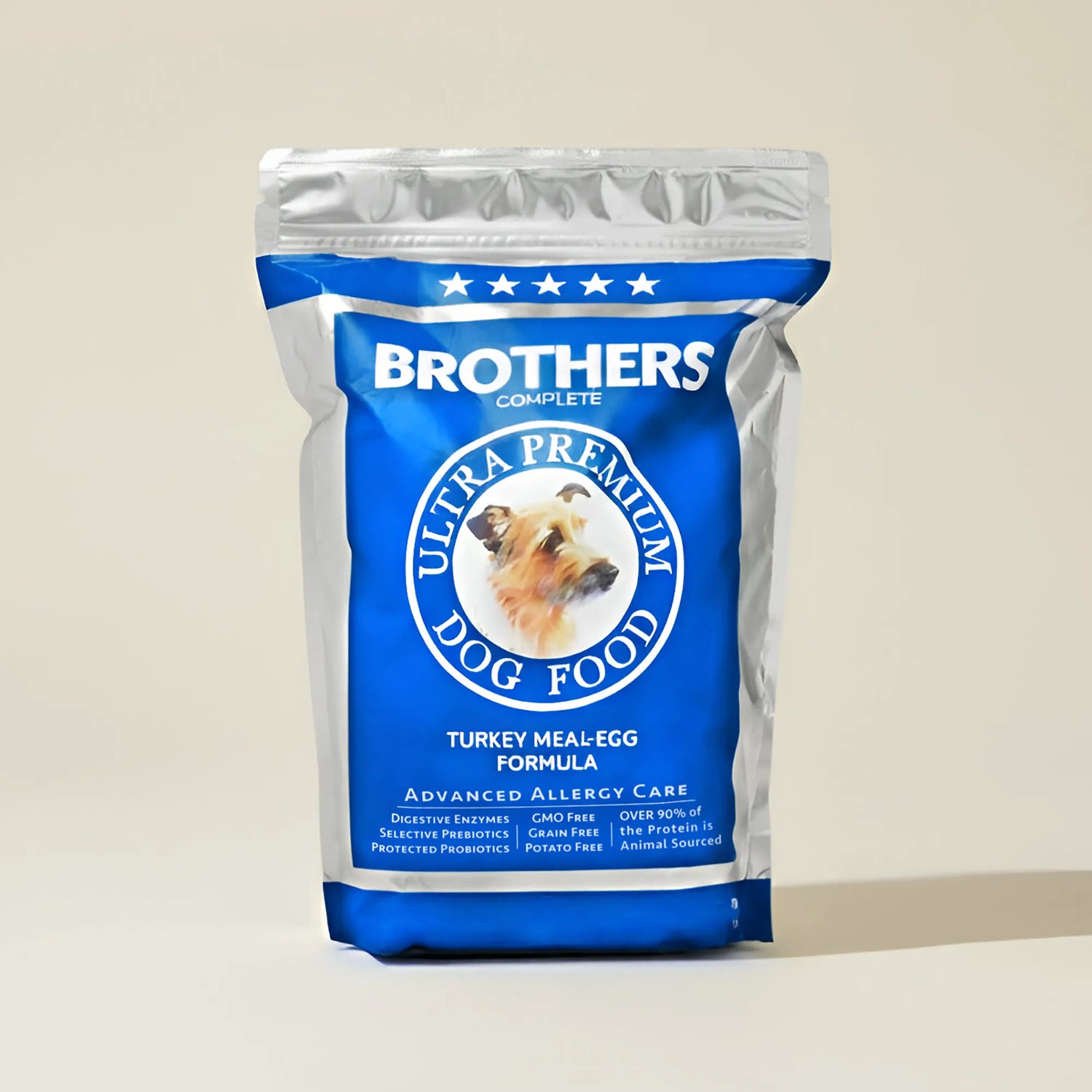
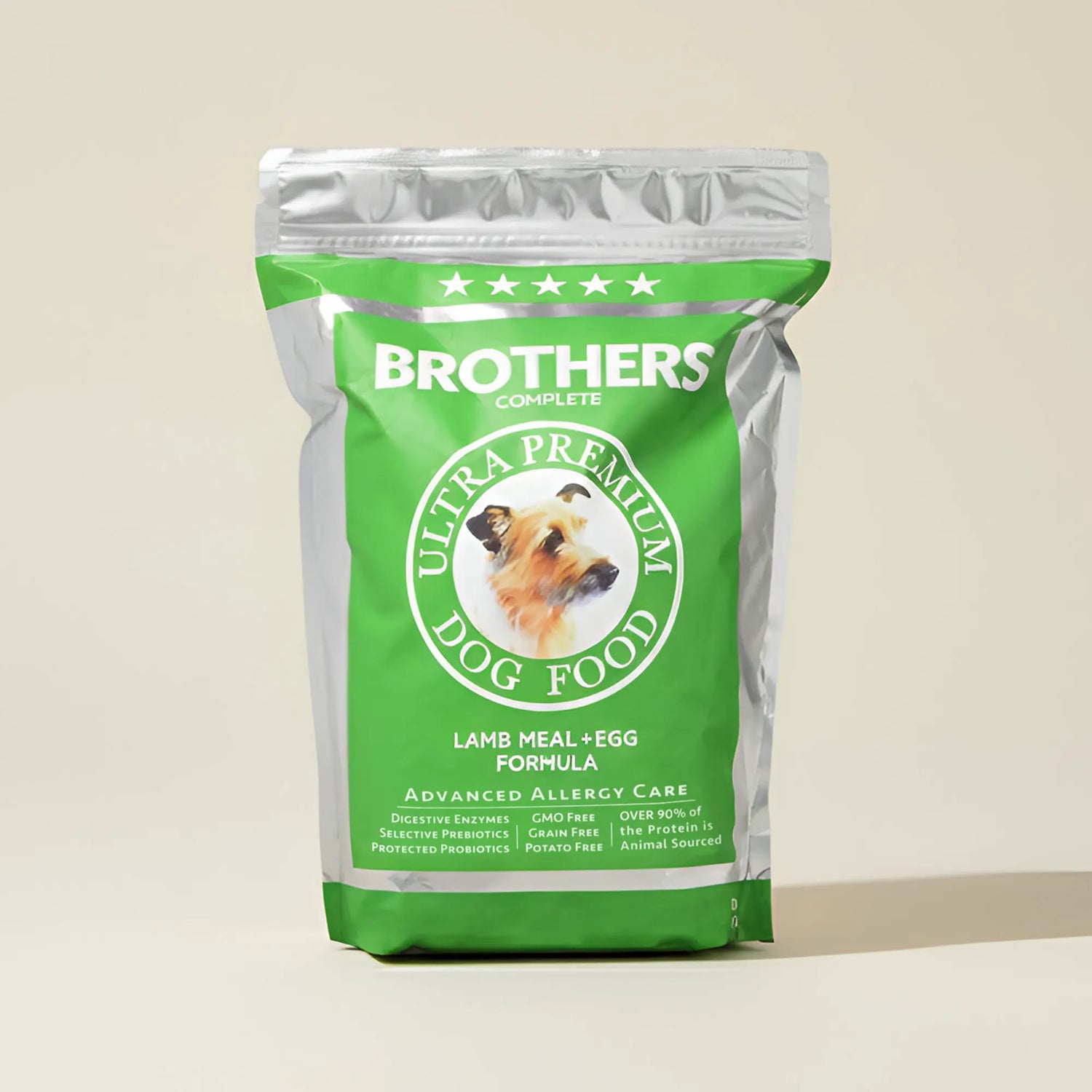
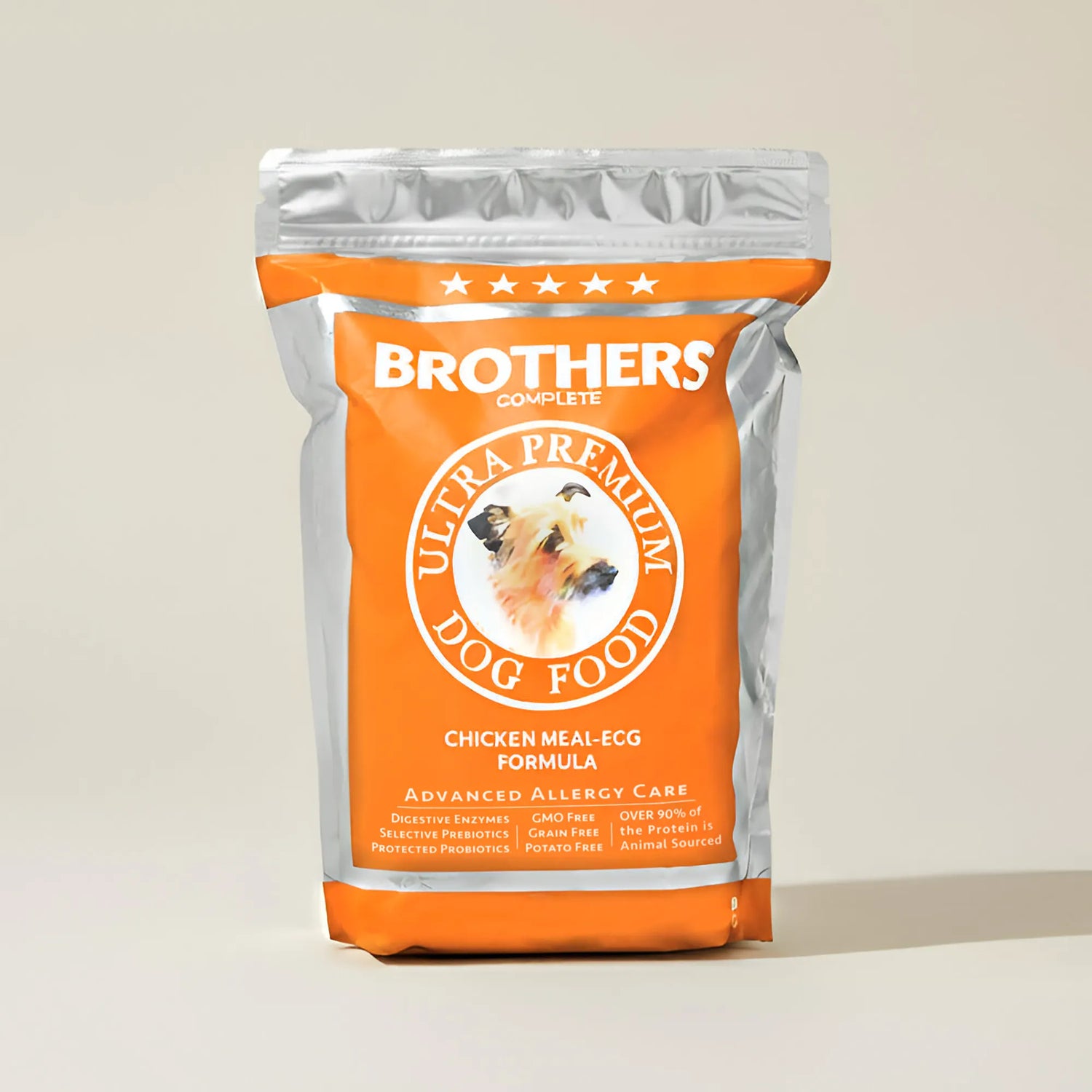
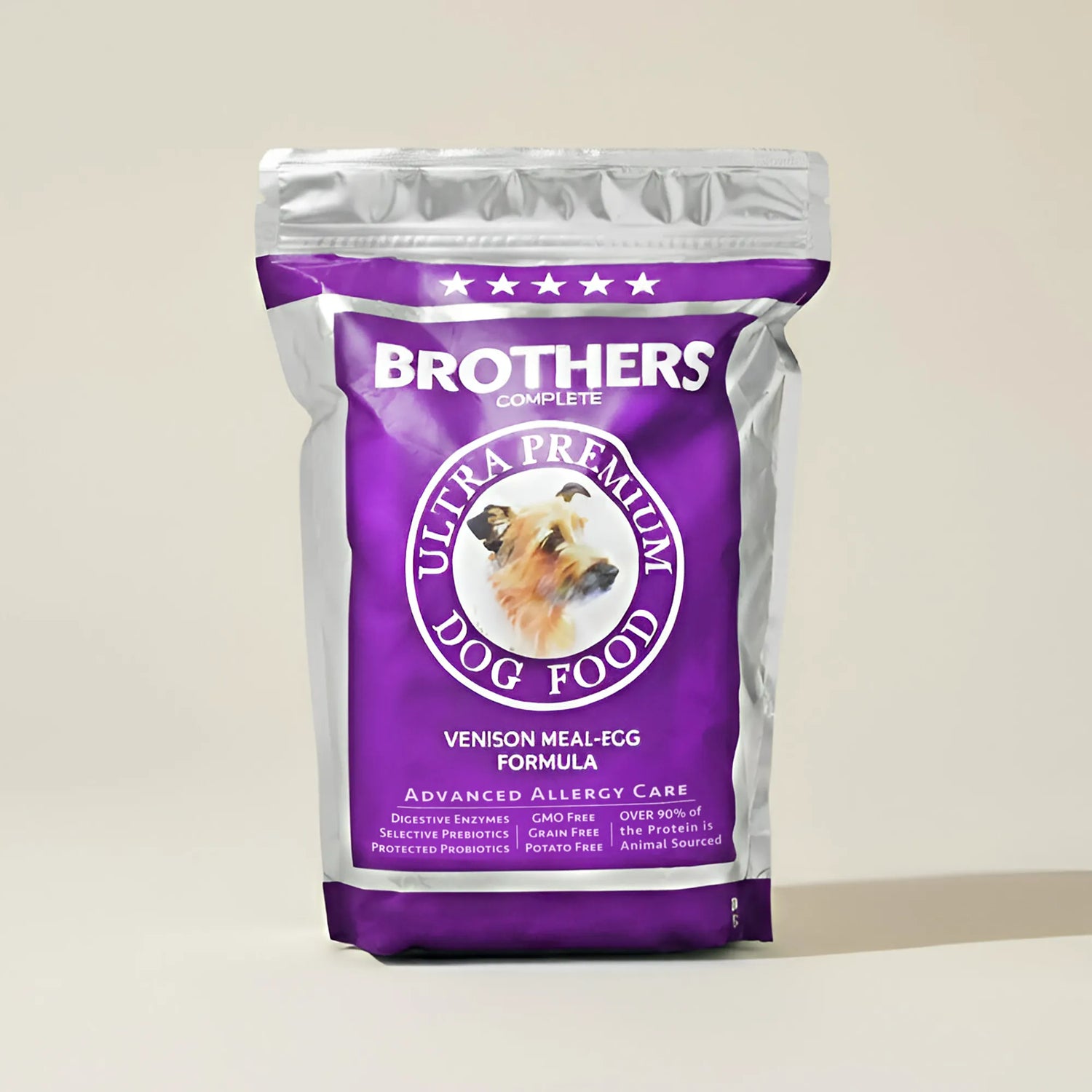
Brothers Dog Food for All-Life Stages at a Glance
Premium Food for Healthy Puppy Growth & Gut Support
The early months of your puppy’s life set the foundation for lifelong health. The right nutrition builds strong muscles, supports developing brains, and fuels their endless energy. At Brothers Dog Food, our recipes are crafted with over 90% premium animal proteins and gut-friendly nutrients - so your puppy thrives from the inside out.
Why Choose Brothers Dog Food For Your Puppy?
Puppies need more than just calories - they need balanced, science-backed nutrition that grows with them. Our gut-health-first recipes are designed to nourish from the inside out, giving your puppy the best possible start in life.
Benefits of Feeding Your Puppy Brothers Dog Food:
- Fuels lean muscle growth with animal protein as the #1 ingredient
- Supports digestive health with probiotics and digestive enzymes
- Promotes brain and vision development with DHA-rich nutrients
- Strengthens bones and joints with balanced minerals
- Maintains steady energy with low-glycemic carbs
What Is the Best Puppy Food?
The best puppy food starts with real animal protein and avoids fillers that can upset sensitive puppy stomachs. Every Brothers recipe is crafted with:
- Over 90% animal protein (turkey & egg, chicken & egg, lamb & egg, or venison & egg)
- Gut-friendly prebiotics and probiotics
- No corn, wheat, soy, or artificial additives
- Clean, balanced nutrients for growth and vitality
Explore our Puppy-Friendly Recipes →
Feeding Your Puppy by Age & Stage
Puppy nutritional needs change every few weeks during the first year. Brothers' puppy formulas are designed to support every stage from weaning through transition to adulthood, but how you feed matters too.
6 to 12 weeks
The most demanding stage. Puppies have small stomachs and high energy needs. Feed 3 to 4 small meals per day. Soak kibble with warm water for the first few weeks if your puppy is small or hesitant. Avoid free-feeding; structured meal times help establish digestive rhythm and house-training.
3 to 6 months
Reduce to 2 to 3 meals per day. Puppies are usually eating dry kibble unaided by this point and beginning to show their adult eating preferences. Watch body condition closely. You should be able to feel ribs without pressing and see a slight waist tuck when viewed from above.
6 to 12 months
Transition to 2 meals per day. Small and medium breeds are approaching adult size; large breeds still have significant growing to do. Adjust portion size based on activity level. A working line puppy needs more than a couch companion of the same age and breed.
12 to 18 months (large breeds)
Large and giant breeds continue growing until 18 to 24 months. Maintain puppy-appropriate calcium and phosphorus ratios through this stage. Brothers' all-life-stages recipes simplify this; you don't have to switch formulas as your puppy graduates, which means no digestive disruption from a food change.
Best Puppy Food for Small, Medium & Large Breeds
Breed size changes which nutrients matter most. Brothers' recipes work across breed sizes, but the why is different in each case.
Small breed puppies (under 25 lbs at maturity)
Small puppies have fast metabolisms, smaller stomachs, and higher per-pound calorie needs. They benefit from nutrient-dense kibble. Every bite needs to count. Brothers' dense, small-kibble recipes pack the protein and DHA small puppies need without forcing them to eat large volumes their bodies can't handle. Great for: Toy and Miniature Poodles, Frenchies, Schnauzers, Pomeranians, Yorkies, small terrier mixes.
Medium breed puppies (25 to 60 lbs at maturity)
The most flexible group. Medium breeds have fewer breed-specific risks than either small or large breeds, but still benefit from controlled calorie density and balanced calcium/phosphorus to support steady growth. Includes: Labs (small frame), Schnauzers, Belgian Malinois, Huskies, and medium working breeds.
Large and giant breed puppies (60+ lbs at maturity)
Calcium and phosphorus ratios become critical. Too much calcium during rapid bone growth can drive joint problems including hip dysplasia. Calorie density matters even more. Large-breed puppies that gain weight too fast stress developing joints. Brother's recipes hit the calcium-to-phosphorus ratios veterinary nutritionists recommend for large-breed growth. Best for: Standard Poodles, Labs, Goldens, German Shepherds, Cane Corsos, Mastiffs, Great Danes.
We've Got the Answers
Follow the feeding chart on the bag as a starting point. Puppies grow fast, so check their weight weekly and adjust portions to keep them lean but not underfed.
Young puppies (under 6 months) do best with multiple small meals daily to support steady energy and avoid digestive stress.
Most puppies should stay on a growth formula until around 12 months (18 months for large breeds) before transitioning to adult recipes. The good news? You don’t need to switch with Brothers. Our recipes are formulated for all life stages — from puppyhood through adulthood and even senior years — so your dog receives balanced nutrition at every chapter of life. Every Brothers recipe also meets AAFCO nutritional requirements for growth and reproduction, giving you peace of mind that your puppy is supported during critical development and beyond.
It’s not recommended — puppies have higher protein, calorie, and mineral needs. Brothers recipes are formulated for all life stages, so your puppy gets exactly what they need now and as they grow.
*Remember to check in with your veterinarian about your puppy’s unique nutritional needs and growth milestones. They can help guide you in tailoring the perfect plan for your pup.
The best puppy food has real animal protein as the first ingredient, includes DHA for brain development, contains probiotics and prebiotics for digestion, and meets AAFCO nutritional standards for growth. Brothers' Turkey & Egg, Chicken & Egg, Lamb & Egg, and Venison & Egg recipes all meet that standard and are formulated for all life stages, meaning no recipe switch when your puppy becomes an adult.
Yes, puppies need more protein than adult dogs, not less. High-quality animal protein supports muscle development, immune function, and steady energy. The myth that high protein harms puppies came from low-quality protein sources combined with imbalanced calcium and phosphorus. Brothers' recipes use named animal proteins with the right mineral balance, making them safe and beneficial across all puppy life stages.
Puppies with sensitive stomachs benefit from limited-ingredient recipes with single, named animal proteins and built-in digestive support. Brothers' Turkey & Egg and Lamb & Egg recipes are both popular choices for sensitive puppies. Turkey & Egg for general digestion support, Lamb & Egg for puppies who can't tolerate chicken. Probiotics and digestive enzymes are built into every recipe.
Large-breed puppies (60+ lbs at maturity) need carefully controlled calcium and phosphorus ratios to prevent joint problems during rapid growth, plus appropriate calorie density to keep weight gain steady. Brothers' recipes meet AAFCO standards for large-breed growth. Brothers Lamb & Egg or Turkey & Egg are commonly recommended for large-breed puppies including Labs, Goldens, German Shepherds, and Cane Corsos.
Small-breed puppies (under 25 lbs at maturity) need calorie-dense food in a kibble size their small mouths can chew. Brothers' recipes are formulated with this in mind. Nutrient-dense, with a kibble size that works for small breeds like Frenchies, Pomeranians, Yorkies, and Schnauzers. The high protein and DHA content delivers what small puppies need without forcing them to eat large volumes.
Related Categories

We are a premium dog food brand founded on the gut-immune connection - balancing protein quality, low glycemic carbs, and gut support - made by a family who’s dedicated their lives to solving chronic canine health problems.
We are a premium dog food brand founded on the gut-immune connection - balancing protein quality, low glycemic carbs, and gut support - made by a family who’s dedicated their lives to solving chronic canine health problems.