


Best Dog Food for Labrador Retrievers


Golden Retrievers are loving, athletic, and famously food-motivated. At 55 to 75 pounds, with a typical lifespan of 10 to 12 years, they carry a handful of breed tendencies that food can genuinely help with: itchy, allergy-prone skin, recurring ear infections, hip and elbow dysplasia, and a strong tendency to gain weight. The best dog food for Golden Retrievers supports all four without overfilling the bowl.
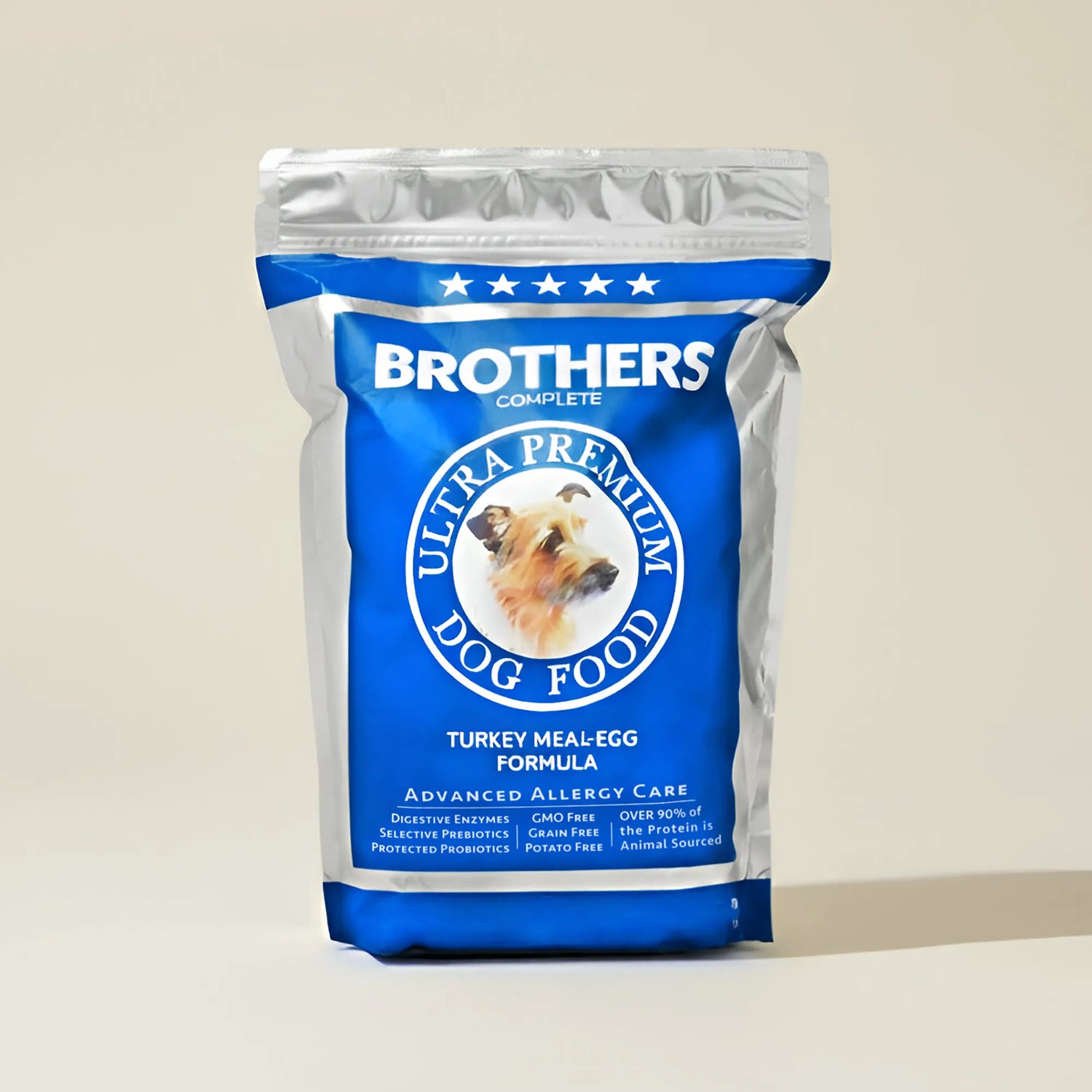
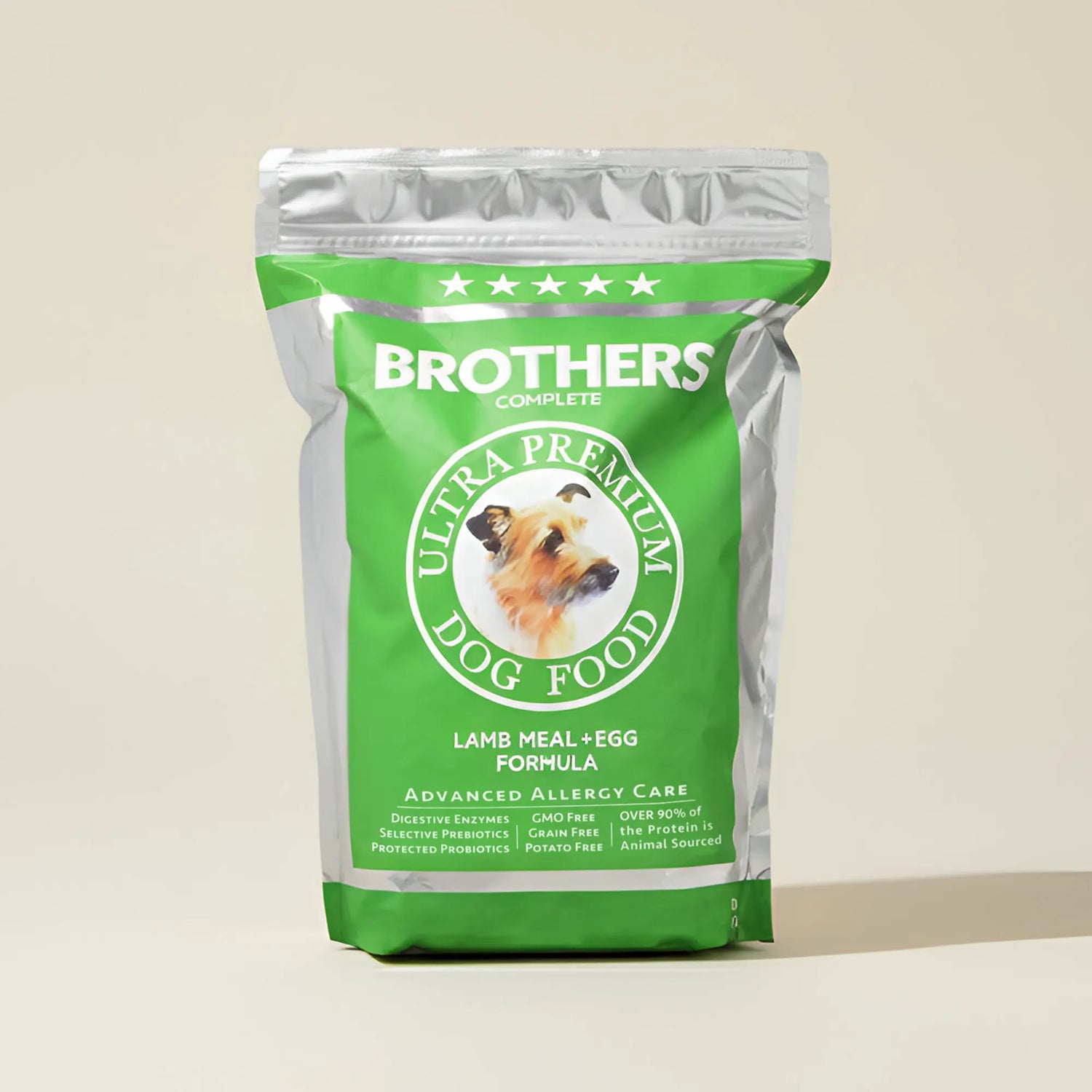
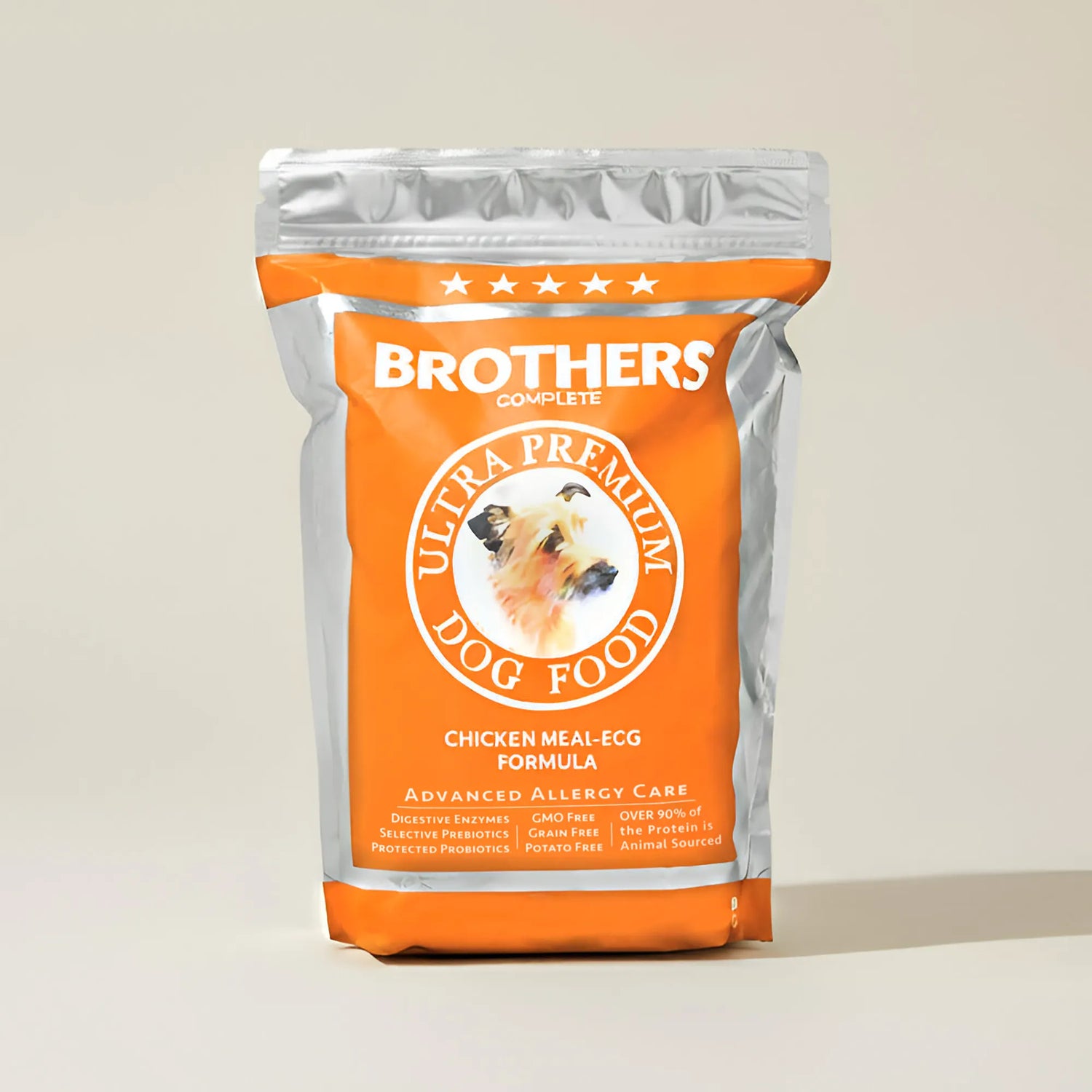
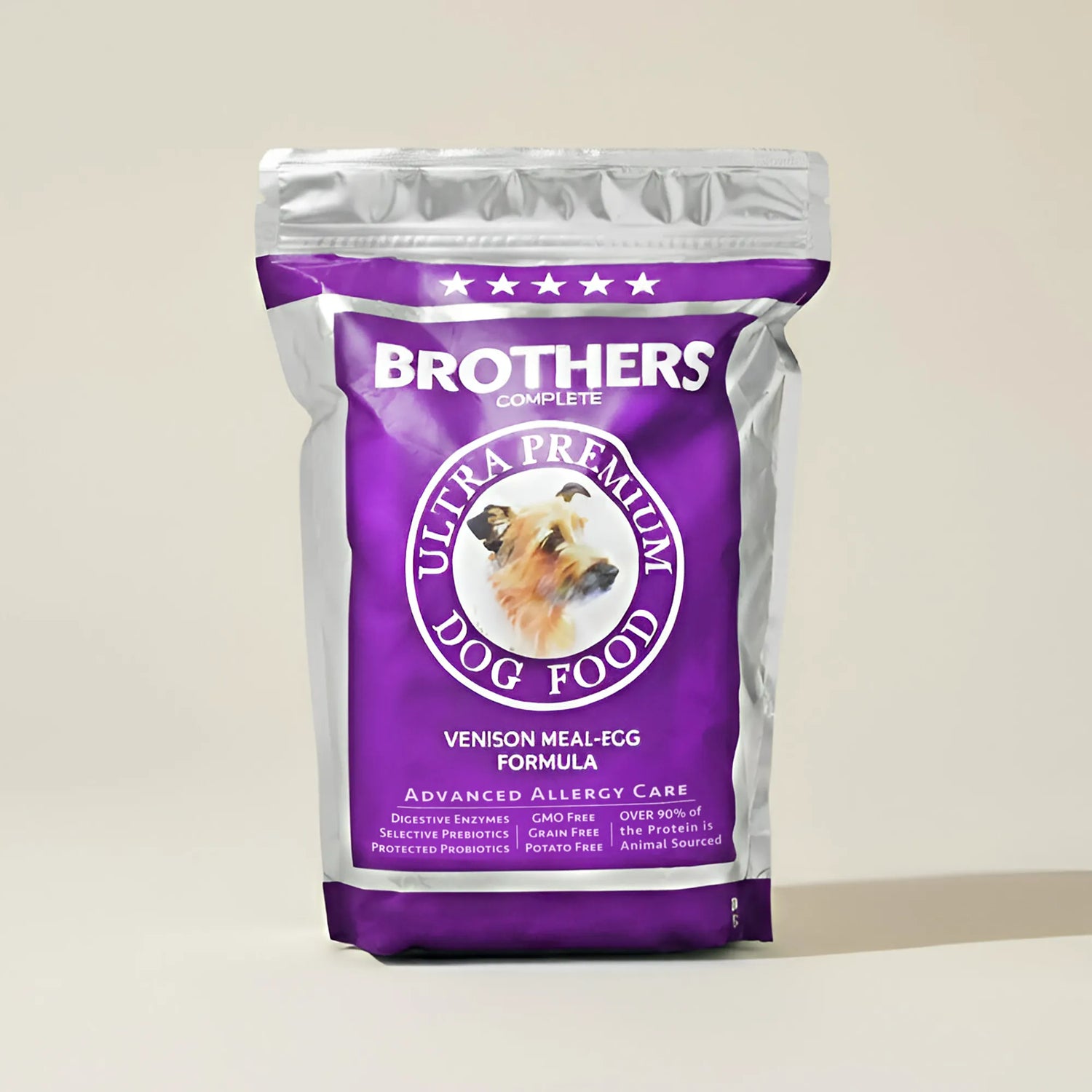
Why Brothers Dog Food is a great option for Golden Retrievers:
- Supports healthy digestion and gut balance with encapsulated probiotics, six digestive enzymes, and prebiotic fiber in every recipe
- Helps manage weight for a breed that will happily overeat, with animal-led protein that keeps a Golden satisfied on sensible portions
- High-quality protein (30–36% crude protein, over 90% animal protein) to support lean muscle and active lifestyles
- Supports joint health the most effective way food can: by helping keep a large, athletic dog lean
- Promotes skin and coat health with omega-3s from flaxseed and DHA from whole-cell algae, a common concern for Goldens
- Grain-free and made without unnecessary fillers: no corn, wheat, soy, or potatoes
Raising a Golden cross? See our guide to the best dog food for Goldendoodles.
How Brothers Is Different From Other Large Breed Kibble
Many large-breed kibble formulas rely on:
- Heavy starches to bulk up portions
- Generic meat meals
- Excess calories that contribute to weight gain
- Ingredients that can trigger skin or digestive sensitivities
Brothers focuses on nutrient efficiency and digestibility, which is especially important for Golden Retrievers.
What sets Brothers apart:
- More usable nutrition per serving, so dogs feel satisfied without overeating
- Cleaner ingredient profiles that support digestive comfort
- Balanced energy, not calorie overload
- Gut support in every bag (encapsulated probiotics, digestive enzymes, and prebiotic fiber), which can impact coat, skin, and immune function
For a breed known to always seem hungry, food quality—not just quantity—matters.
Why Gut Health Matters for Golden Retrievers
Golden Retrievers are prone to digestive sensitivity, food intolerances, and allergies, which can show up as:
- Chronic itching or hot spots
- Loose stools or frequent stomach upset
- Ear infections
- Excessive hunger or poor nutrient absorption
A healthy gut supports better digestion, stronger immunity, and healthier skin and coat. Every Brothers recipe includes encapsulated probiotics (2 million CFU per gram) designed to reach the colon intact, six digestive enzymes, and organic inulin, a prebiotic fiber, so a Golden gets probiotic support at every meal without extra supplements. Choosing food with high-quality, digestible ingredients can help Goldens feel full, fueled, and comfortable—without constant snacking.
Skin, Coat, and Ear Health in Golden Retrievers
Golden Retrievers are one of the breeds most predisposed to atopic dermatitis (environmental skin allergy), and food allergies are common too. Both tend to show up as paw licking, hot spots, a greasy or thinning coat, and ear infections that keep coming back, since a Golden’s heavy, drop ears trap warmth and moisture.
Food can’t cure an allergy, but it can lower the load on the skin:
- Omega-3 and omega-6 fatty acids support the skin barrier and a full, soft double coat. Every Brothers recipe guarantees at least 0.65% omega-3, including DHA from whole-cell algae, and 2.5% omega-6
- A steady gut: much of the immune system sits in the gut lining, which is why gut health and skin allergies so often improve together
- Fewer common triggers: no corn, wheat, soy, or artificial colors
If your vet suspects a specific protein allergy and recommends an elimination trial, read the full ingredient panel of any food you try. Every Brothers recipe contains chicken fat and dried chicken liver alongside its named protein.
Hip and Elbow Health: Why Weight Matters Most
Hip and elbow dysplasia are among the most common inherited orthopedic problems in Golden Retrievers, and extra weight makes both worse. The strongest evidence for protecting large-breed joints through diet comes from Purina’s lifetime study of Labrador Retrievers (Kealy et al., 2002): dogs fed 25% less than their littermates lived a median of 1.8 years longer and showed signs of osteoarthritis later.
For a Golden, that means:
- Aim for a body where you can feel the ribs without pressing and see a waist from above
- Measure every meal and count treats toward the daily total (signs you’re overfeeding)
- Choose a protein-rich food that keeps a food-motivated dog satisfied on sensible portions
- Keep exercise regular, and lower-impact as they age
Read more in our guide to the best dog food for joint support.
Feeding a Golden Retriever Puppy
Golden Retriever puppies grow fast, reaching most of their adult height by around a year and filling out until about 18 months. The goal is steady, lean growth, not the biggest puppy on the block: extra calories during growth strain developing hips and elbows.
- Feed three measured meals a day until about six months, then two
- Weigh weekly and adjust portions so you can feel, but not see, the ribs
- Look for high-quality animal protein and DHA for muscle and brain development
- Transition slowly over 7 to 10 days, since puppy stomachs upset easily
- Ask your vet about large-breed growth at each puppy visit, including calcium intake and body condition
Brothers is formulated to meet AAFCO nutrient profiles for all life stages. For more, see our puppy feeding guide, what large-breed puppies need, and our puppy food collection.
Feeding a Senior Golden Retriever
Most Goldens are considered seniors from around age 7 or 8. Activity usually drops before appetite does, so weight creeps up just as joints start to stiffen. Keep protein high to protect muscle, trim portions to match activity, and keep omega-3s in the bowl for joints, skin, and coat. Recheck body condition every few months, and ask your vet about unexplained weight gain, which in Goldens can point to an underactive thyroid.

Brothers Breeder Program
Breeder Program (For Golden Retriever Breeders)
Golden Retriever breeders trust Brothers as a food they can confidently recommend to puppy families.
The Brothers Breeder Program offers:
- Exclusive breeder pricing and benefits
- A reliable nutrition option for growing puppies and active adults
- Food that supports growth, digestion, joints, and long-term wellness
From first meals to lifelong nutrition, Brothers is a strong choice for Goldens at every stage.
Why Golden Retriever Parents Choose Brothers Dog Food
Golden Retriever owners choose Brothers because it supports:
- Digestive comfort and consistent stools
- Healthy weight maintenance for a famously food-motivated breed
- Joint and mobility support through lean body condition and omega-3s
- Skin and coat health
- Great taste for dogs that never skip a meal
If you’re looking for the best Golden Retriever dog food or a premium alternative to traditional large-breed kibble, Brothers delivers nutrition you can trust.
Shop Brothers Dog Food for Golden Retrievers
Big dog. Smart nutrition. Real ingredients—no compromises.
FAQs
Golden Retrievers do best on a complete, highly digestible food with named animal protein first, omega-3s for skin, coat, and joints, and gut support from probiotics and prebiotics, fed in measured portions that keep them lean. Brothers’ four grain-free recipes (turkey, chicken, lamb, and venison, each with egg) deliver 30–36% protein, over 90% of it animal protein, plus encapsulated probiotics and digestive enzymes in every bag.
Most adult Goldens need roughly 1,250 to 1,750 calories a day, depending on size (55–75 lbs), activity, and whether they’re spayed or neutered. Split that into two measured meals, weigh food rather than scooping by eye, and count treats toward the total. Body condition is the real guide: you should feel ribs easily and see a waist from above. Start with the feeding chart on your bag and adjust every few weeks.
Yes, and it’s one of the most common problems in the breed. Goldens are food-motivated, and the breed is also prone to hypothyroidism, which causes weight gain. Extra weight loads joints already prone to dysplasia: in Purina’s lifetime study of Labrador Retrievers, lean-fed dogs lived a median of 1.8 years longer. Measure meals, keep treats to about 10% of daily calories, and ask your vet to check thyroid levels if weight climbs without explanation.
The most commonly reported food allergens in dogs are proteins such as beef, dairy, chicken, and wheat, and Goldens are also prone to environmental allergies that look very similar. Artificial additives and heavy fillers can add to digestive upset. If your vet suspects a food allergy, an elimination trial of about eight weeks is the only reliable test; read the full ingredient panel of any food you use, since every Brothers recipe contains chicken fat and chicken liver.
Golden Retrievers are a large breed, so what matters most is controlled, lean growth as puppies and a healthy weight as adults, more than the words “large breed” on the bag. Adults do well on any complete, high-protein food fed in measured portions. For puppies, ask your vet about growth-stage calcium and calories, especially for males likely to finish above 70 pounds.
A Golden puppy needs high-quality animal protein for muscle, DHA for brain and eye development, and measured portions that keep growth steady rather than fast. Feed three meals a day until about six months, then two, and weigh your puppy weekly. Brothers is formulated to meet AAFCO nutrient profiles for all life stages and includes DHA from whole-cell algae plus probiotics for sensitive puppy stomachs; your vet can help you set portions as your Golden grows.
Most Goldens are considered seniors around age 7 or 8. Their calorie needs usually drop while their protein needs don’t, so keep feeding a protein-rich food, trim portions to match activity, and keep omega-3s in the diet for joints and coat. Twice-yearly vet checks from this age help catch thyroid problems and arthritis early.
Related Categories

We are a premium dog food brand founded on the gut-immune connection - balancing protein quality, low glycemic carbs, and gut support - made by a family who’s dedicated their lives to solving chronic canine health problems.
We are a premium dog food brand founded on the gut-immune connection - balancing protein quality, low glycemic carbs, and gut support - made by a family who’s dedicated their lives to solving chronic canine health problems.