

What Makes Dog Food Truly Digestible?
How to Read and Evaluate Digestibility in Dog Diets.
Key takeaways:
- Digestibility determines how much of the food your dog actually uses
- Animal-based proteins are more digestible than plant-based alternatives
- Poor digestibility can lead to gas, bloating, soft stools, and malnutrition
- Gut health, ingredient quality, and food processing all affect absorption
- The best food for sensitive stomachs is one that’s both digestible and biologically appropriate
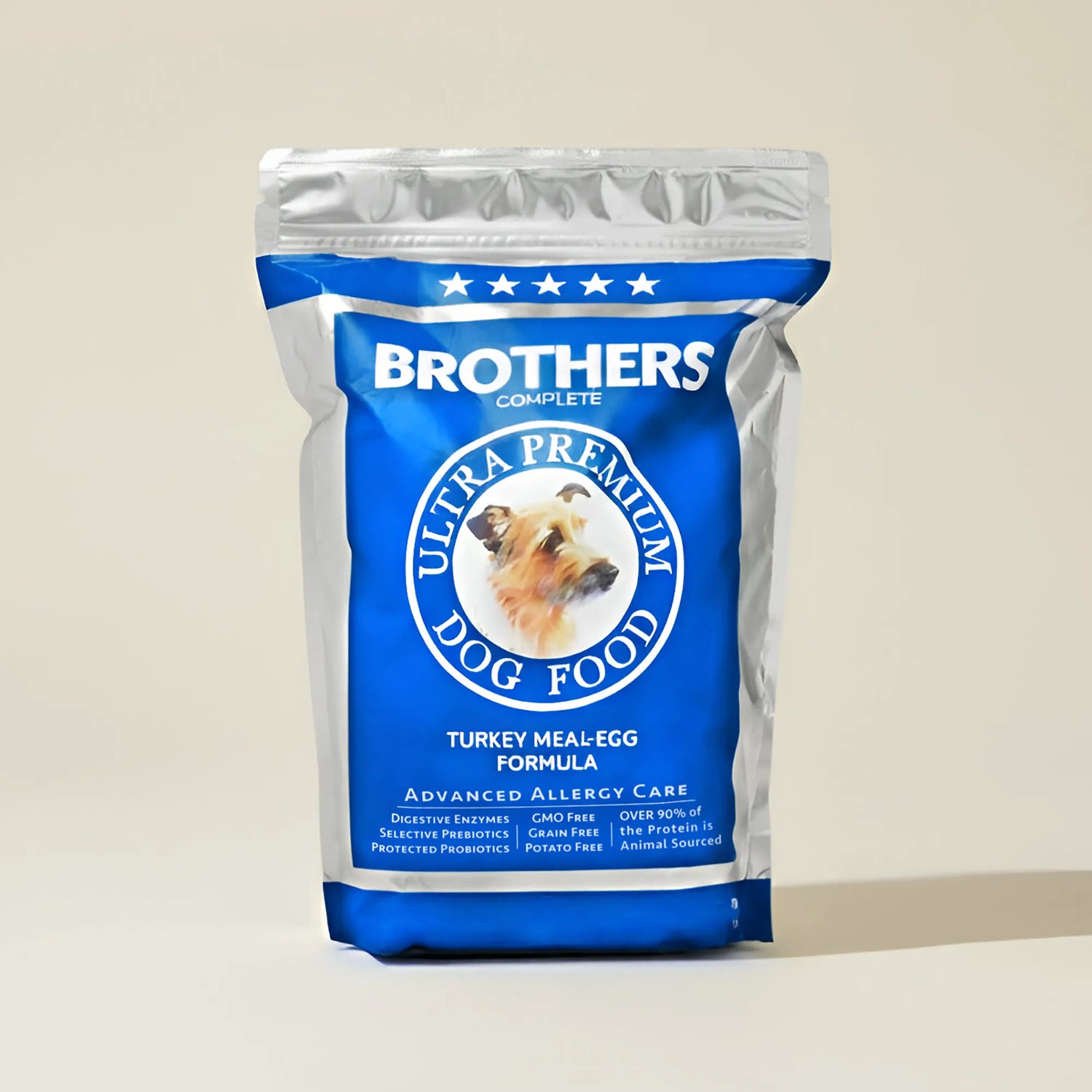
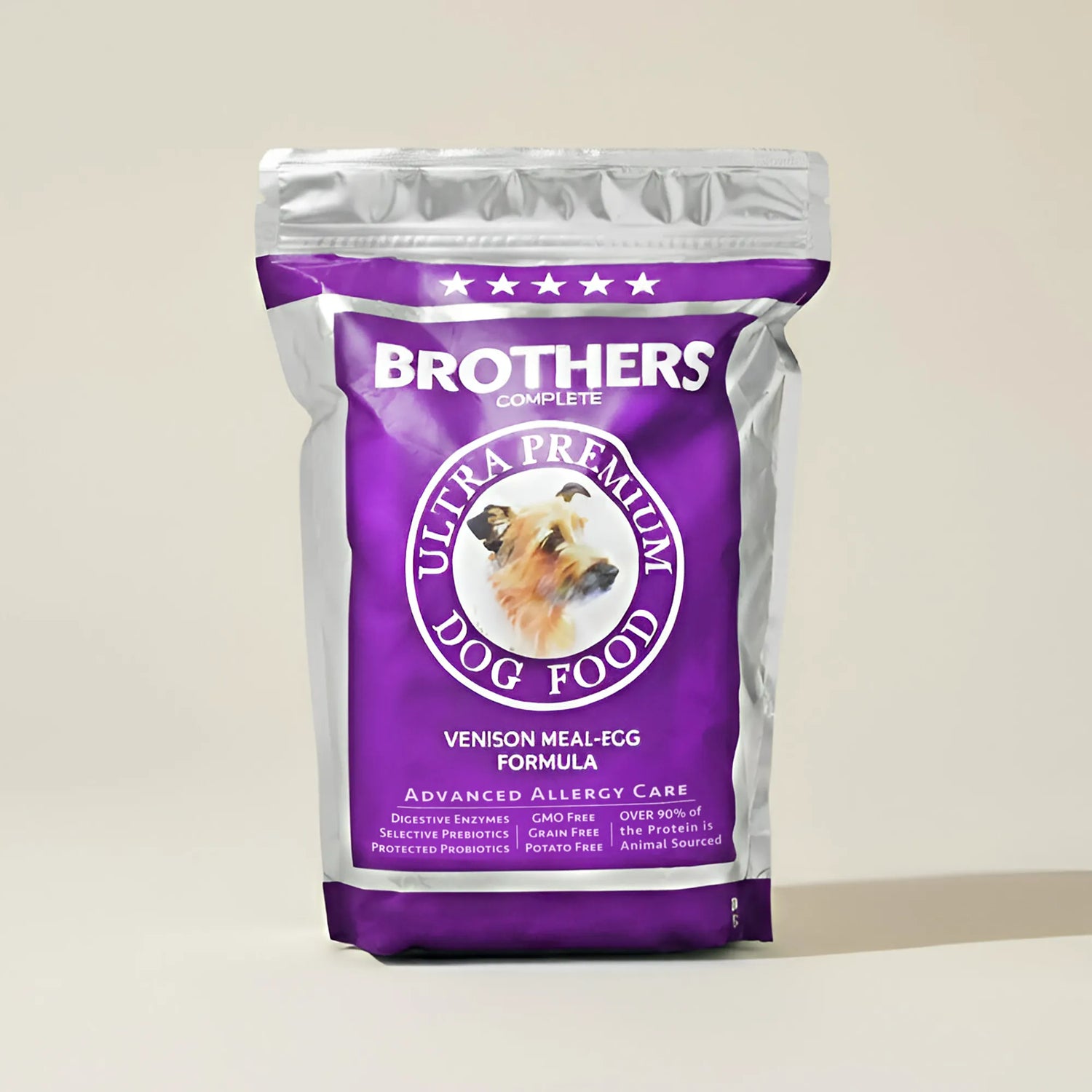
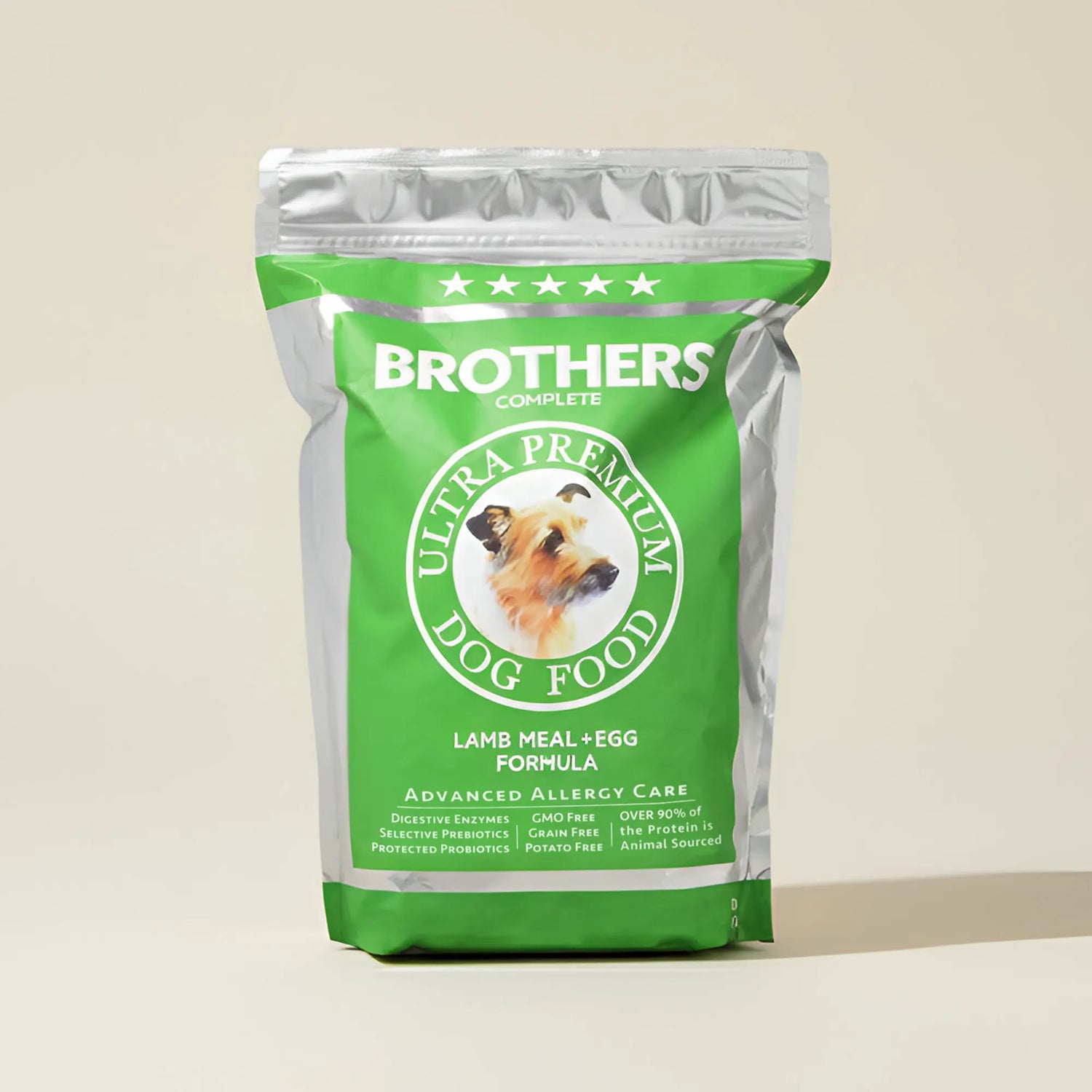
- Brothers Dog Food is built around digestibility, with enzymes, probiotics, and whole animal protein
What Does “Digestible” Dog Food Really Mean?
When we talk about dog food being “digestible,” we’re not just asking if a dog can eat it and poop it out. We’re talking about how much of the food is actually absorbed, used, and beneficial to the body.
According to AKC, digestibility refers to the proportion of food that is broken down and absorbed into the bloodstream. What isn’t digestible is either fermented in the gut or passed as waste.
That difference matters. Your dog can eat the same amount of two foods - but get very different nutritional value depending on digestibility.
Why Digestibility Matters
If a food isn’t digestible, your dog isn’t getting the protein, fat, vitamins, or minerals they need - even if they’re technically “in” the food.
Poorly digestible food can cause:
- Frequent or loose stools
- Bloating or gassiness
- Vomiting or food regurgitation
- Weight loss or poor muscle tone
- Skin and coat issues
- Ongoing hunger or “food obsession”
Digestibility directly impacts gut health, nutrient absorption, energy levels, and immune strength. It’s especially important for dogs with:
- Sensitive stomachs
- Allergies or leaky gut
- Diarrhea or chronic indigestion
- Yeast infections or itchy skin
What Makes Dog Food Digestible?
1. Animal-Based Protein
As Dog Food Advisor points out, animal proteins like turkey, lamb, or eggs are more digestible and complete than plant-based proteins.
- Dogs are not obligate carnivores, but their bodies are built to digest meat efficiently.
- Soy or lentils may boost protein percentages on the label - but they’re harder to digest and can cause gas or bloating.
Look for:
- Named meat sources (e.g., “chicken meal,” not “meat by-product”)
- High protein digestibility score (PDCAAS) ingredients like egg or fish
2. Enzymes and Probiotics
Digestive enzymes help break down proteins, fats, and carbs into nutrients your dog can absorb. Without them, even high-quality food can pass through undigested.
VCAs note that gut-friendly microbes (probiotics) also play a crucial role in digestive efficiency and immune regulation.
Digestive support ingredients to look for:
- Protease, lipase, and amylase
- Probiotics like Lactobacillus acidophilus or Bacillus coagulans
- Prebiotics (fiber that feeds beneficial bacteria)
3. Low-Starch, Low-Filler Carbs
Not all carbohydrates are the enemy - but many commercial dog foods are overloaded with starch-heavy fillers that are hard to digest.
Avoid:
- Corn, wheat, soy, white rice, potatoes
- Plant-based concentrates
Look for:
- Low-glycemic carbs like cassava or oats
- Whole-food ingredients with natural fiber
Too much starch can ferment in the gut, leading to inflammation, yeast overgrowth, or inconsistent stools.
4. Proper Processing (Not Overcooking)
Even great ingredients can be ruined by poor cooking. Over-processing can destroy nutrients and denature proteins, reducing digestibility.
Dry food should be:
- Cooked just enough to kill pathogens
- Not extruded at high temperatures for long periods
- Made in small batches to preserve nutrients and freshness
VCAs also emphasize the importance of palatability and texture - if dogs avoid eating or overeat due to poor satiety, digestion suffers.
Signs Your Dog May Need a More Digestible Food
- Soft or excessive poop
- Loud stomach gurgling or gas
- Frequent vomiting or burping
- Itchy ears or paws
- Eating grass, dirt, or stool (coprophagy)
- Losing weight despite a healthy appetite
- Brothers Dog Food: Built Around Digestibility
At Brothers, digestibility isn’t just a feature - it’s the foundation of every formula.
- Over 90% of protein from animal sources
- A proprietary blend of digestive enzymes and probiotics
- No high-starch fillers, soy, grains, or white potatoes
- Small-batch production to preserve integrity and freshness
The result is better absorption, fewer digestive issues, and more visible health improvements - inside and out.
Final Thoughts: It’s Not Just What You Feed - It’s What Your Dog Can Use
You could feed the highest-calorie, protein-rich dog food on the shelf, but if your dog can’t digest it, they can’t benefit from it.
Digestibility affects every part of your dog’s life - energy, immunity, coat, stool, and mood.
If your dog has a sensitive stomach or you just want better health outcomes, it might be time to stop focusing on what’s in the bag and start focusing on what’s actually absorbed.
Disclaimer: This article is for informational purposes only and is not a substitute for professional veterinary advice. Always consult your veterinarian about your dog’s unique health and behavior needs.
Digestibility by design
Digestibility is the whole point