


Dogs are built to run on animal protein and fat, not the corn, wheat, and potato fillers that pad most kibble. Brothers low carb dog food delivers 30–36% animal protein with low-glycemic, grain-free carbs to support healthy weight, steady blood sugar, and easy digestion.
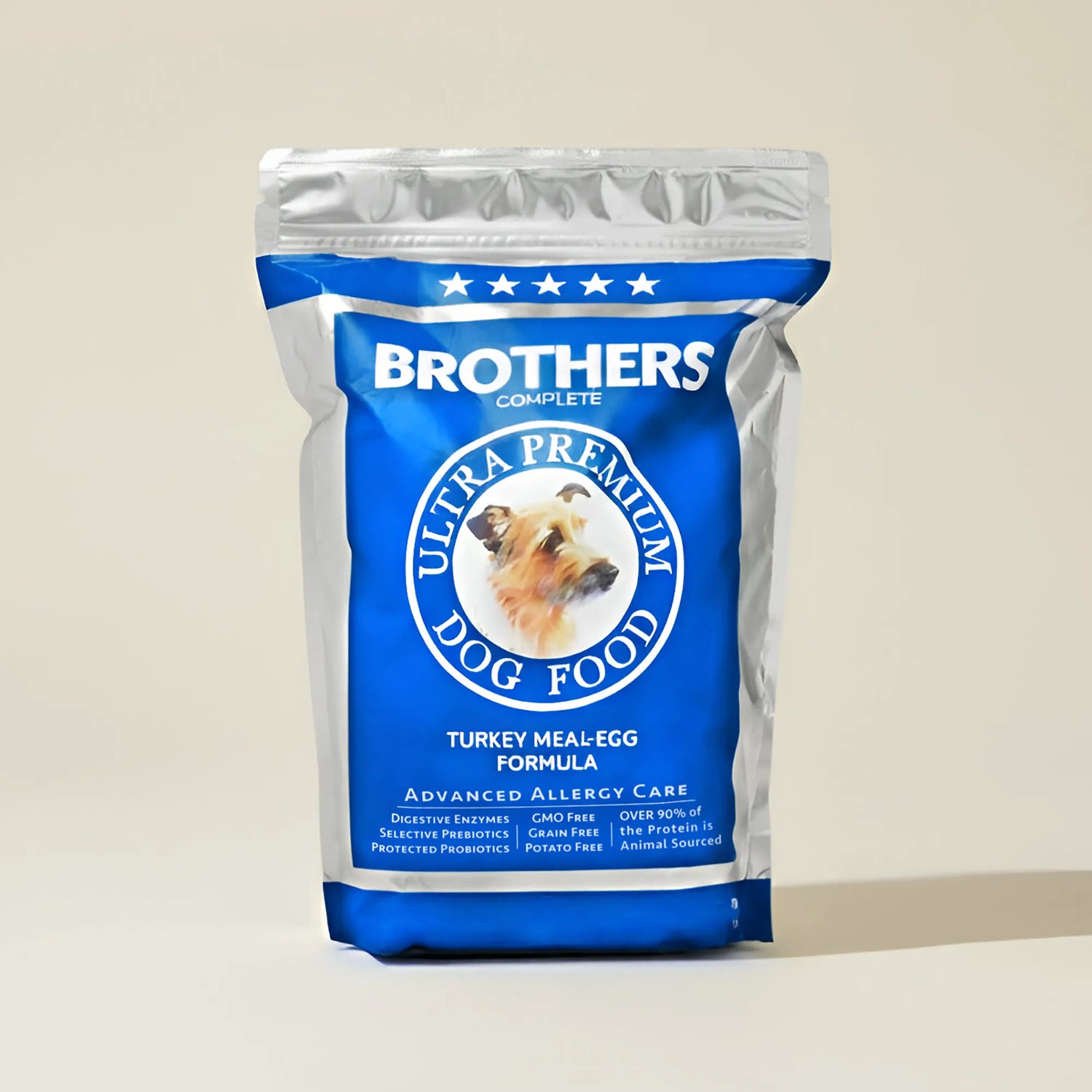
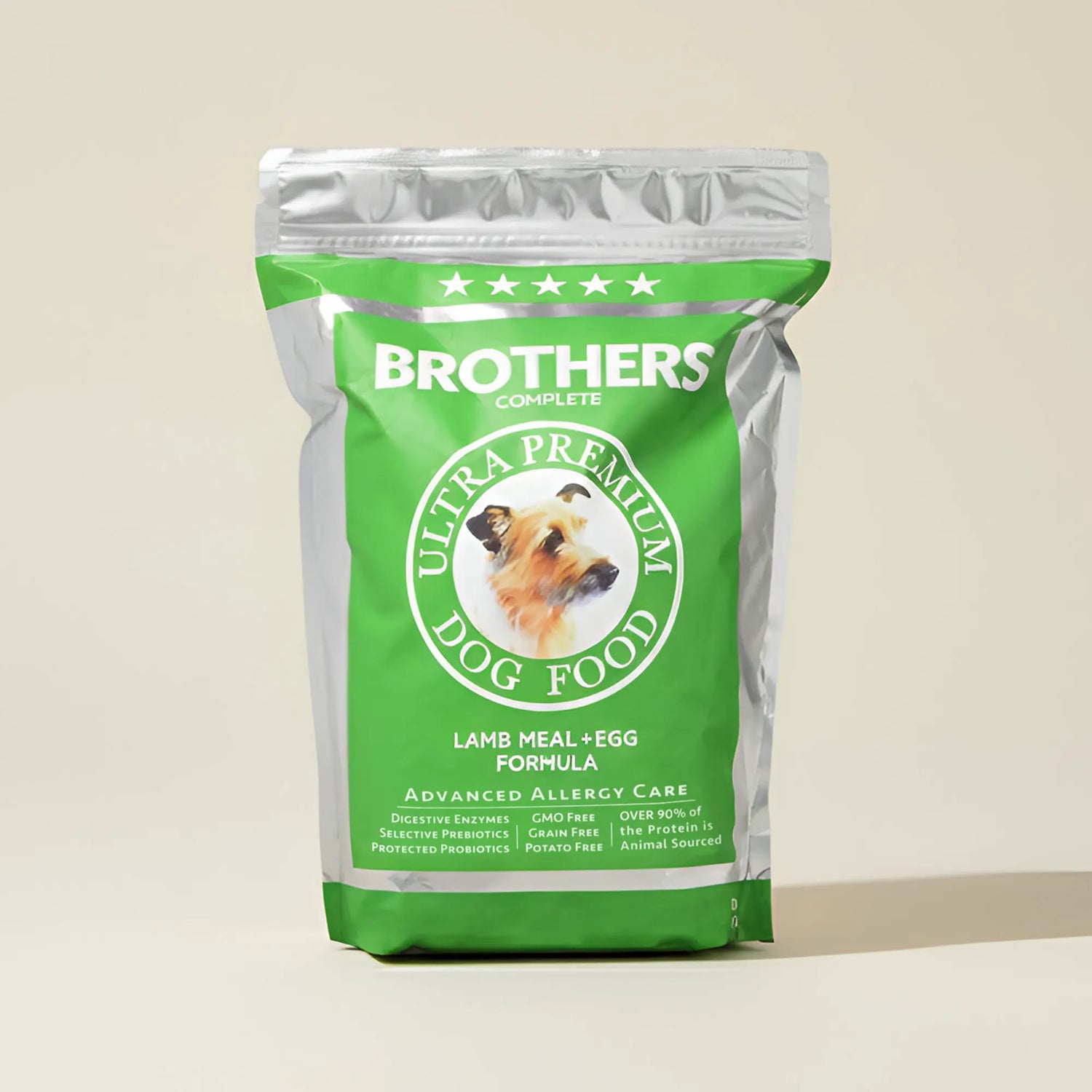
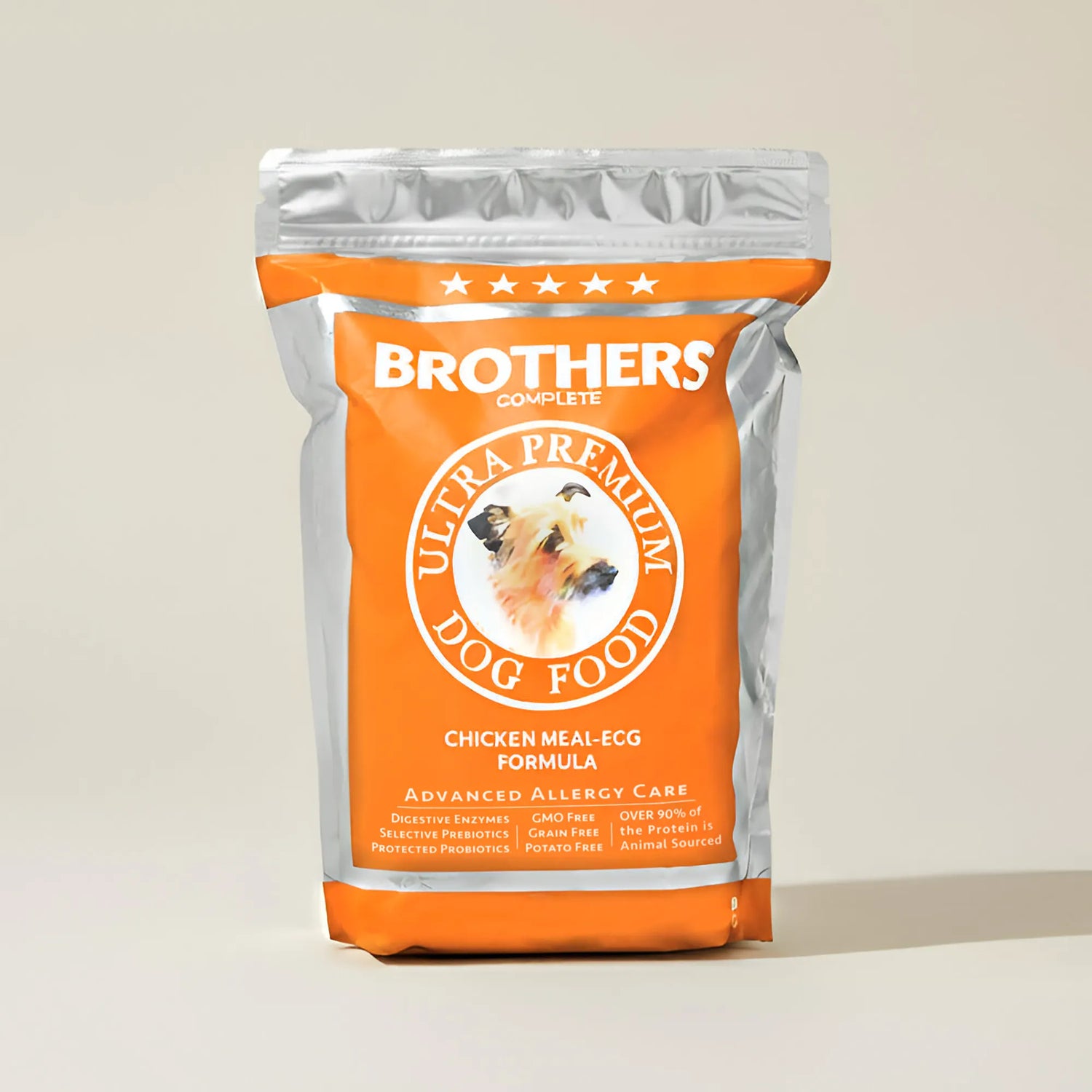
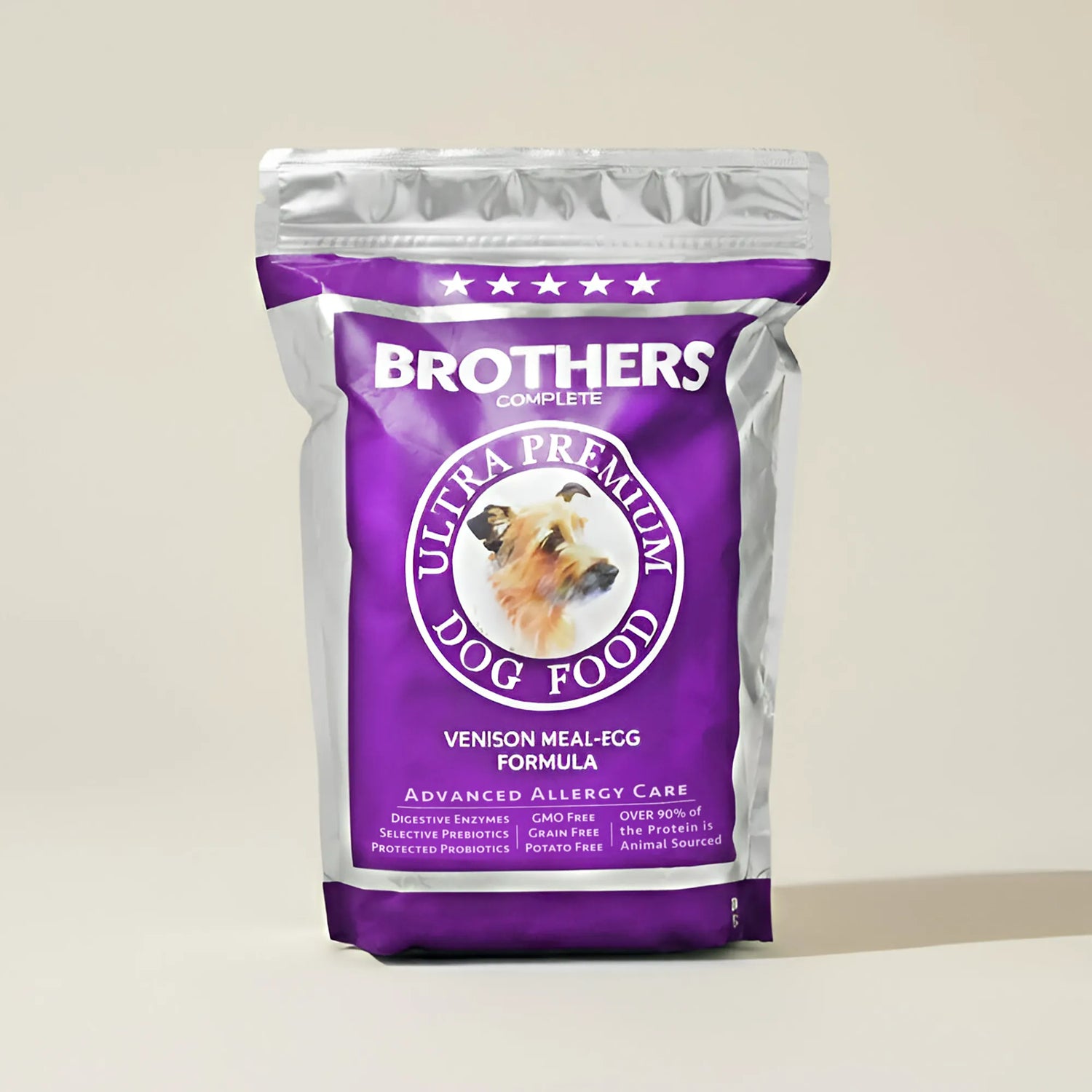
Brothers Low Carb Dog Food at a Glance
What Is Low Carb Dog Food?
Low carb dog food is food that gets most of its calories from animal protein and fat instead of starch. Rather than corn, wheat, rice, or potato, low carb recipes rely on named meats, eggs, healthy fats, and a small amount of low-glycemic fiber. The result is a diet that mirrors what dogs are biologically built to eat — protein-forward, with carbohydrates kept to a minimum.
What Is Considered Low-Carb Dog Food?
As a general rule, a dog food is considered low carb when less than about 30% of its calories come from carbohydrates, with protein and fat as the dominant energy sources. Many “grain-free” foods still miss this mark because they swap grains for starchy potatoes. Brothers recipes are formulated to keep carbs low while delivering 30–36% animal protein, so you get a genuinely low-carb bowl, not just a grain-free label.
- Less than ~30% of calories from carbohydrates
- Animal protein and fat as the primary energy sources
- No corn, wheat, rice, or potato fillers
Benefits of a Low Carb, High Protein Diet
Cutting unnecessary carbs and raising quality protein supports a dog’s health on both ends. More animal protein builds and maintains lean muscle, supports a healthy skin and coat, and helps dogs feel full without overeating. Fewer carbs support:
- Healthy weight and easier weight management
- Steadier blood sugar, especially for diabetic or overweight dogs
- Reduced inflammation and fewer digestive flare-ups
- Sustained energy instead of post-meal spikes and crashes
Is Grain-Free Dog Food Low Carb?
Not always. Grain-free simply means no wheat, corn, or rice, but many grain-free foods replace those grains with potatoes, peas, or tapioca, which are still high in carbohydrates. The difference with Brothers is that our grain-free recipes are formulated to be both grain-free and genuinely low carb, built around animal protein and gut-friendly fiber instead of starchy substitutes.
Best Low Carb Dog Food for Diabetic Dogs
Diabetic and pre-diabetic dogs benefit from diets that minimize blood sugar spikes, which makes low-carb, high-protein food a natural fit. By keeping carbohydrates low and avoiding high-glycemic fillers, Brothers recipes help support steadier glucose levels alongside lean muscle. Always work with your veterinarian to match food and insulin for a diabetic dog, and transition gradually.
High Protein, Low Carb: The Brothers Approach
The ideal bowl for most dogs is high protein and low carb, the closest practical match to an ancestral diet. Brothers delivers 30–36% animal protein with low-glycemic carbs and built-in gut support, so your dog gets the muscle-building benefits of high protein without the digestive cost. Because protein this rich asks more of the gut, we add encapsulated probiotics and prebiotics. The same gut-first formulation behind our probiotic dog food and gut health dog food.
How to Switch to Low Carb Dog Food
Transition over about 10 days so your dog’s digestion adjusts to the higher protein and lower carb load:
- Days 1–3: 75% old food, 25% Brothers
- Days 4–6: 50% old food, 50% Brothers
- Days 7–9: 25% old food, 75% Brothers
- Day 10+: 100% Brothers
Use our feeding guide for portion sizes by weight.
FAQs About Low Carb Dog Food
Low carb dog foods get most of their calories from animal protein and fat instead of starch, with no corn, wheat, rice, or potato. All Brothers recipes, Turkey & Egg, Chicken & Egg, Lamb & Egg, and Venison & Egg, are formulated as high-protein, low carb, grain-free options.
A dog food is generally considered low carb when less than about 30% of its calories come from carbohydrates, and protein and fat are the dominant nutrients. Brothers keeps carbs low while delivering 30–36% animal protein.
The best low carb dog food balances protein, fat, and digestible fiber. Brothers recipes are crafted to deliver this balance naturally.
Not necessarily. Many grain-free foods replace grains with potatoes, which are still high in carbs. Brothers recipes are both grain-free and genuinely low carb, built around animal protein and low-glycemic fiber.
The best low carb dog food balances high animal protein, healthy fat, and a small amount of digestible fiber while avoiding starchy fillers. Brothers recipes are crafted to deliver this balance. 30–36% protein, grain-free, low-glycemic, and gut-friendly.
Low-carb, high-protein food can help support steadier blood sugar in diabetic and overweight dogs by minimizing glucose spikes from starchy fillers. Always coordinate any diet change with your veterinarian so food and insulin stay balanced.
A sudden jump to richer, higher-protein food can upset digestion, which is why Brothers includes encapsulated probiotics and prebiotics and why we recommend a gradual 10-day transition. Most dogs adjust comfortably and settle into firmer, healthier stools.
Related Categories

We are a premium dog food brand founded on the gut-immune connection - balancing protein quality, low glycemic carbs, and gut support - made by a family who’s dedicated their lives to solving chronic canine health problems.
We are a premium dog food brand founded on the gut-immune connection - balancing protein quality, low glycemic carbs, and gut support - made by a family who’s dedicated their lives to solving chronic canine health problems.