


Best Dog Food for Boxers


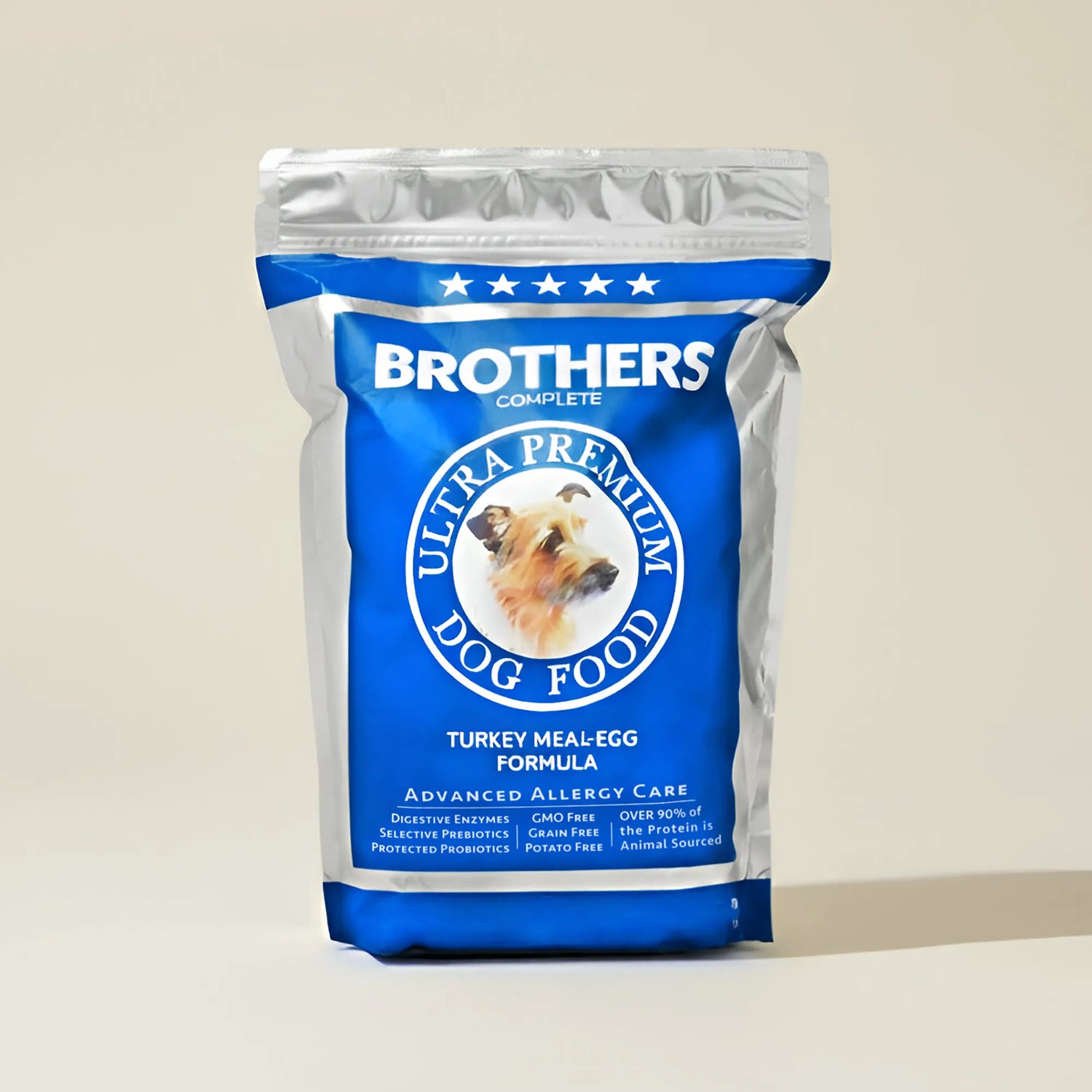
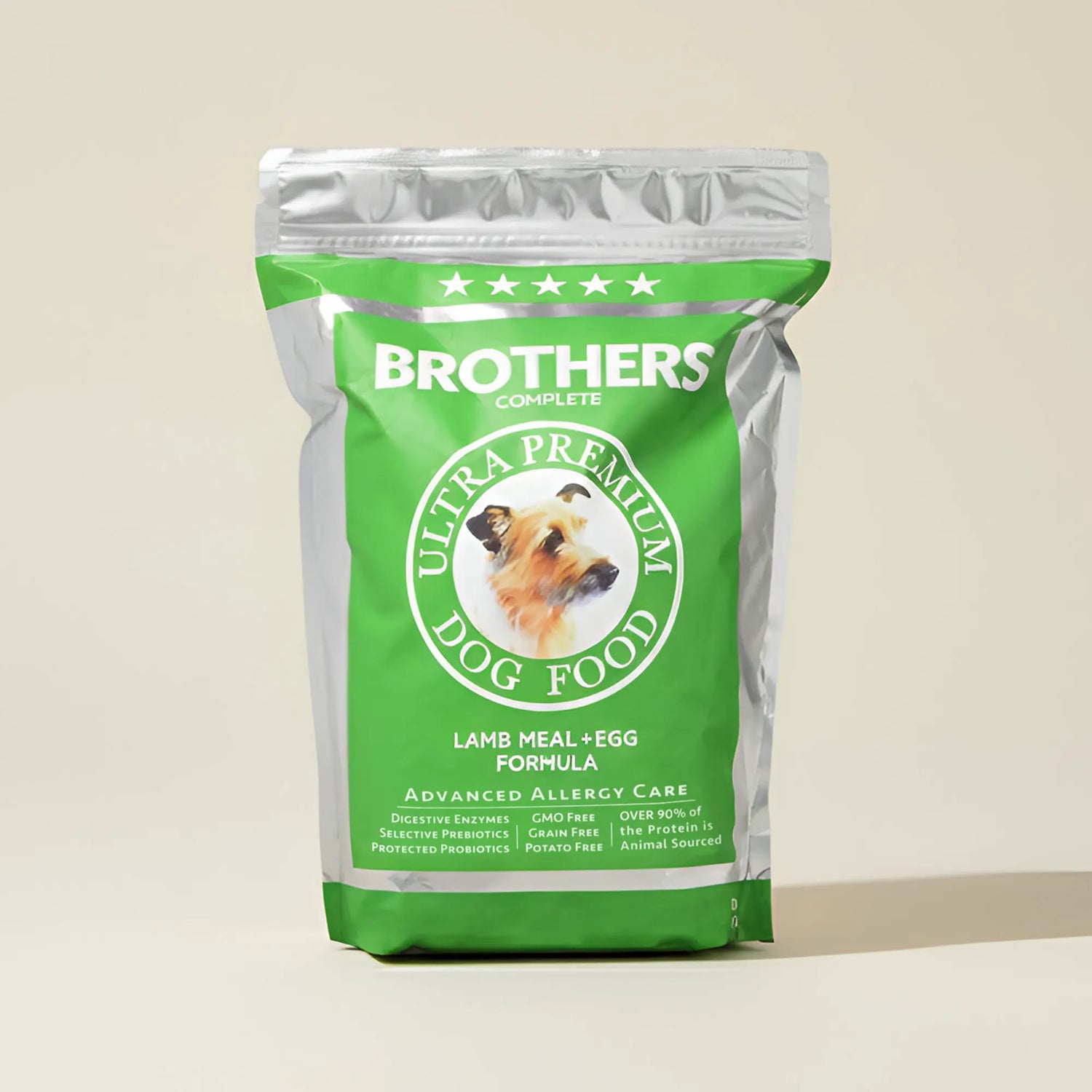
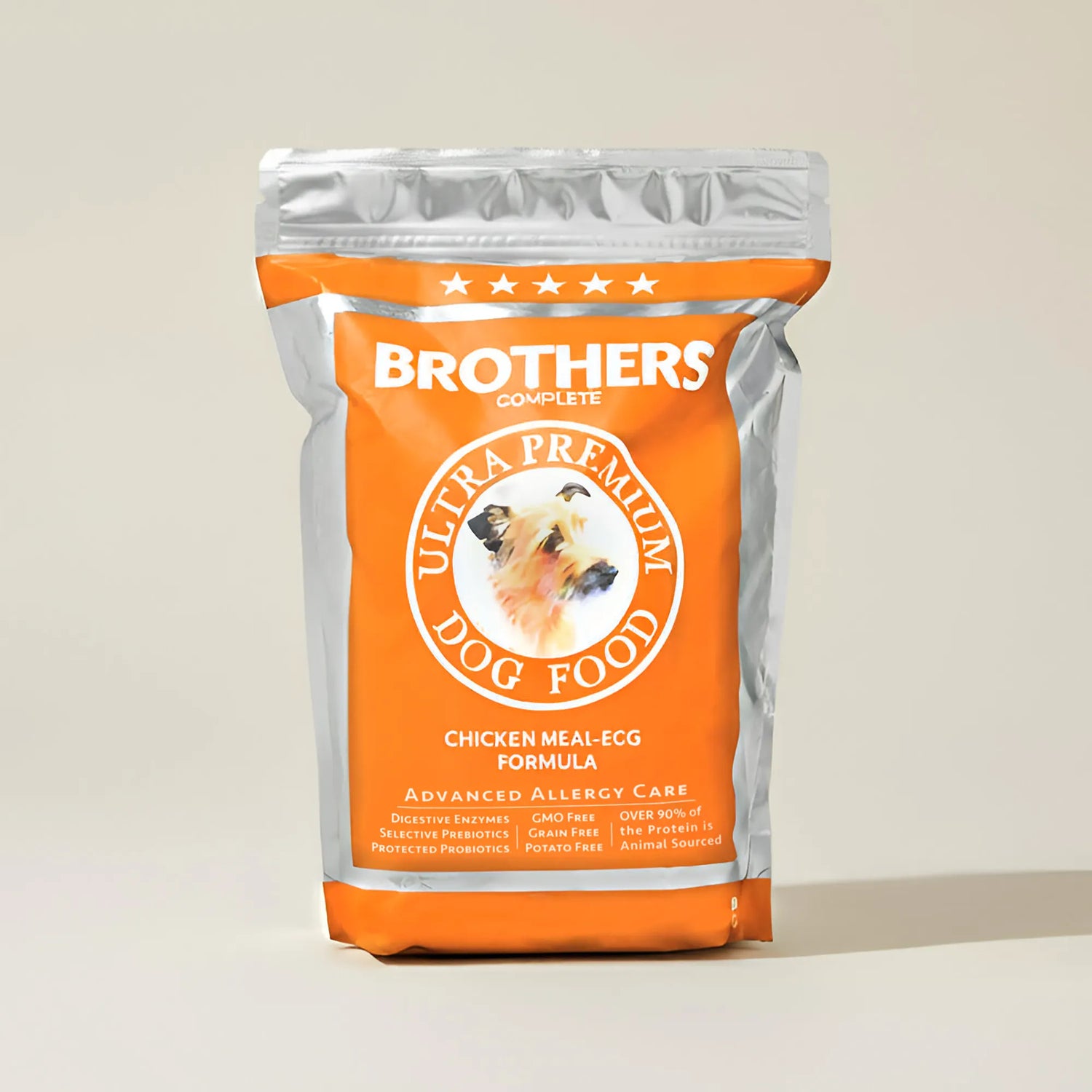
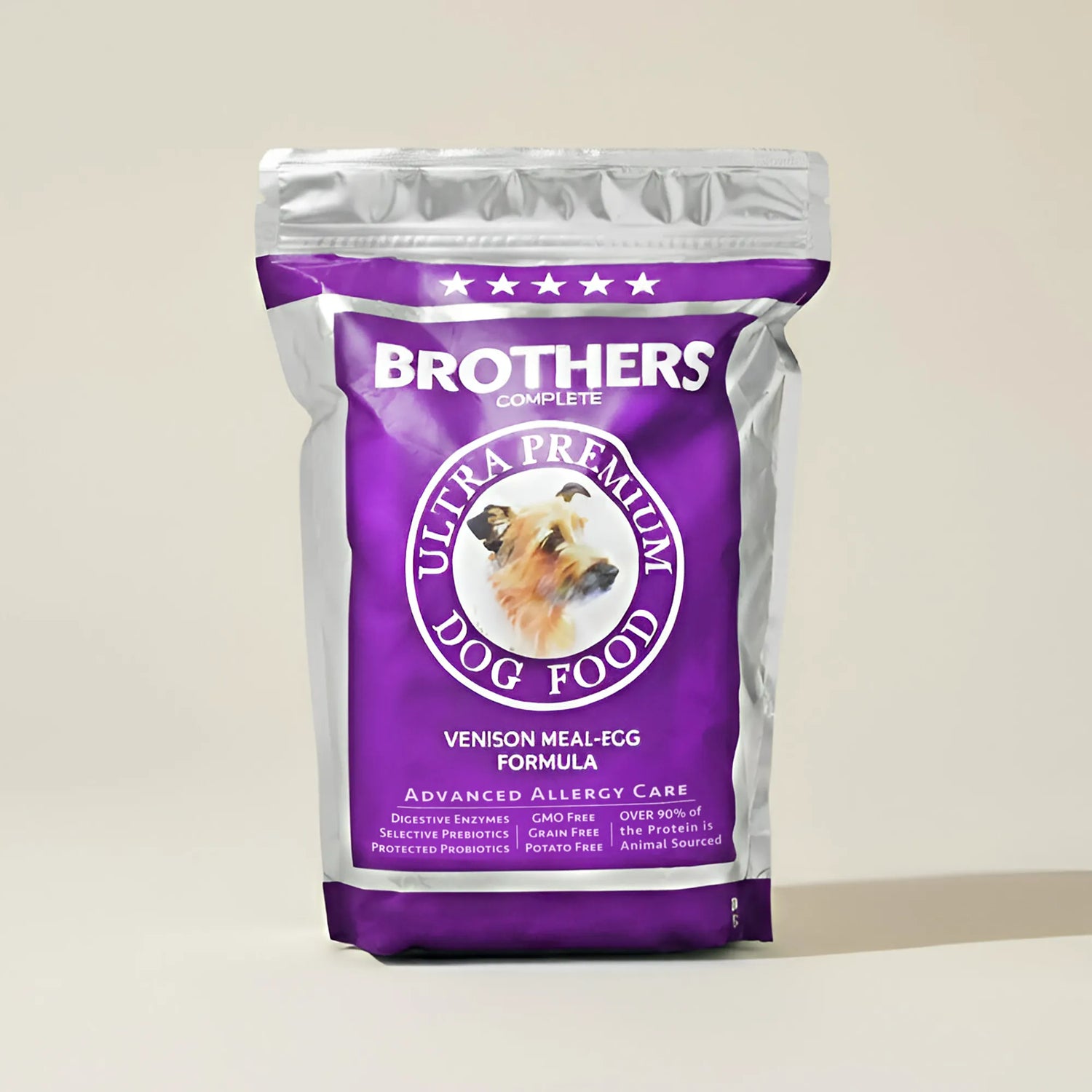
Boxers are energetic, loyal, and deeply affectionate, and they come with a set of health vulnerabilities that most generic dog foods aren't designed to address. Arrhythmogenic Right Ventricular Cardiomyopathy (ARVC), known as Boxer cardiomyopathy, is a breed-specific inherited heart condition that makes cardiac nutrition a genuine clinical priority. Combine that with one of the highest cancer rates of any breed and a tendency toward skin allergies and digestive sensitivity, and it becomes clear: a Boxer isn't just a medium-large dog that eats medium-large dog food.
The right diet for a Boxer supports heart function, reduces systemic inflammation, and delivers the high-quality protein this athletic breed needs to maintain lean muscle, without the fillers and additives that compound the health challenges Boxers are already managing. Brothers Dog Food is built around exactly those priorities.
Why Brothers Dog Food Is a Great Option for Boxers
- Supports heart health with omega-3 fatty acids (DHA) and clean ingredients that reduce the inflammatory burden on a breed with documented cardiac risk
- Anti-inflammatory nutrition to support Boxers' elevated cancer risk through antioxidant-rich, low-glycemic, omega-3-forward formulation
- High-quality animal protein maintains the lean, muscular frame Boxers depend on without the excess fat that strains the heart and promotes weight gain
- Highly digestible ingredients reduce GI upset and loose stools in a breed prone to sensitive stomachs and food-related inflammation
- No artificial preservatives or additives that add unnecessary inflammatory load to a breed already managing chronic health sensitivities
- Clean, limited ingredient options for Boxers with confirmed food allergies, a reliable formula that supports elimination diet protocols
- Made in the USA with consistent domestic sourcing and quality control that Boxer owners can count on bag after bag
How Brothers Is Different From Other Boxer Dog Food
Most dog food, including formulas marketed for large or athletic breeds, is built around palatability and energy density rather than the cardiac and inflammatory realities of a Boxer's body. For a breed where heart disease is a leading cause of death, that gap isn't just a marketing problem.
What most dog food for Boxers relies on:
- High-fat, calorie-dense formulas that prioritize energy output but add strain to a heart already under breed-specific pressure
- Generic protein meals and plant-based fillers that fall short of the amino acid density an athletic, muscular breed actually requires
- Artificial preservatives and additives that increase systemic inflammatory burden in a breed with elevated cancer susceptibility
- Carbohydrate-heavy bases that drive glycemic spikes linked to increased oxidative stress and inflammation
What sets Brothers apart:
- Named animal protein first: chicken meal, turkey meal, lamb meal, or venison meal for complete amino acid profiles and genuine muscle support
- Marine-sourced omega-3s at meaningful levels for cardiac and anti-inflammatory support, not trace-amount additions
- Clean fat profile that delivers energy without burdening a heart that needs all the support it can get
- No artificial colors, flavors, or preservatives. A shorter, cleaner ingredient deck that reduces inflammatory exposure across every meal
Boxer Cardiomyopathy (ARVC): The #1 Dietary Priority for Boxers
Arrhythmogenic Right Ventricular Cardiomyopathy (ARVC) is a genetic heart condition specific to the Boxer breed. It causes abnormal electrical activity in the right ventricle, leading to irregular heartbeats (arrhythmias) that can range from subclinical to life-threatening. ARVC is one of the leading causes of sudden death in Boxers, and the vast majority of the breed carries at least one copy of the responsible gene mutation.
While ARVC has a genetic basis that diet cannot reverse, nutritional factors directly influence cardiac function and inflammation, both of which affect disease progression. Omega-3 fatty acids (EPA and DHA) have demonstrated anti-arrhythmic properties in cardiac research. Taurine and L-carnitine, amino acids critical to cardiac muscle function, are found in high-quality animal protein sources. Diets that shortcut on named animal protein and rely on plant-based amino acid substitutes may leave a Boxer's heart nutritionally underserved.
Warning signs that may indicate cardiac involvement in your Boxer:
- Exercise intolerance, tiring unusually quickly during activity that previously caused no difficulty
- Fainting or collapsing episodes particularly during or after exertion
- Irregular or rapid heartbeat detectable during routine vet exams, annual cardiac screening is strongly recommended for Boxers
- Persistent cough or labored breathing that worsens with activity or when lying down
Any of these signs warrant immediate veterinary evaluation. Your vet may recommend annual ECG screening from age two onward. Diet alone is not a treatment, but a nutritional foundation that supports cardiac function from puppyhood is one of the most accessible preventive measures available to Boxer owners.
Cancer Risk: Why Anti-Inflammatory Nutrition Matters for Boxers
Boxers have one of the highest cancer rates of any dog breed. Mast cell tumors, lymphoma, and brain tumors are disproportionately common in the breed, and cancer is a leading cause of death in Boxers over six years of age. While the genetic basis of this susceptibility cannot be eliminated through diet, the nutritional environment directly influences the inflammatory conditions in which cancer cells thrive.
Anti-inflammatory nutrition, omega-3 fatty acids, antioxidants (vitamins E and C), low-glycemic carbohydrate sources, and a clean ingredient deck free of artificial additives, represents an accessible dietary strategy for reducing chronic inflammation in a cancer-predisposed breed. High dietary sugar and processed carbohydrates have been associated with increased oxidative stress, which is a cancer-promoting environment. A diet that keeps glycemic load low and antioxidant intake high gives a Boxer's immune system the best available nutritional support. Always consult a veterinarian for recommendations for your specific pet.
Breeder Program (For Boxer Breeders)
Brothers Dog Food proudly partners with Boxer breeders committed to producing healthy, well-nourished dogs. Our Breeder Program is built for professionals who understand that nutrition is the foundation of every healthy litter and every long-lived companion.
Boxer breeders interested in the Brothers Breeder Program can apply at brothersdogfood.com/breeders or contact our team directly. We have active partnerships with breeders across the United States.
Why Boxer Parents Choose Brothers Dog Food
Boxer owners choose Brothers because it supports:
- Heart health with omega-3s and clean animal protein that provide cardiac nutritional support for a breed with documented ARVC risk
- Anti-inflammatory nutrition to reduce the chronic inflammatory environment linked to Boxers' elevated cancer susceptibility
- Lean muscle and athletic performance through high-quality named animal protein without the excess fat that strains the heart
- Digestive comfort and consistent stools, no more sensitive stomach episodes or food-related GI flare-ups
- Skin and coat health including relief from the allergic skin conditions that Boxers frequently develop
- Great taste. Boxers are enthusiastic eaters, and Brothers delivers the palatability and consistency they expect
Shop Brothers Dog Food for Boxers
Big heart. Real health risks. Nutrition that rises to meet them. Shop the best dog food for Boxers
FAQs: Feeding Boxers
What is the best food for a Boxer?
Boxers do best with high-quality, highly digestible food with named animal protein as the first ingredient, marine-sourced omega-3s for cardiac and anti-inflammatory support, and a clean ingredient deck free of artificial additives. Given the breed's ARVC risk and elevated cancer susceptibility, avoiding formulas with high fat loads, processed carbohydrates, and synthetic preservatives is especially important.
What is Boxer cardiomyopathy (ARVC) and how does diet help?
ARVC (Arrhythmogenic Right Ventricular Cardiomyopathy) is a genetic heart condition specific to Boxers that causes abnormal electrical activity in the heart. It is a leading cause of sudden death in the breed. While diet cannot reverse the genetic mutation, nutritional support is a consistent veterinary recommendation: omega-3 fatty acids (DHA) have demonstrated anti-arrhythmic properties; taurine and L-carnitine from high-quality animal protein support cardiac muscle function. A diet led by named animal protein with meaningful omega-3 content provides the cardiac nutritional foundation Boxers need.
Why are Boxers so prone to cancer?
Boxers have a documented genetic predisposition to mast cell tumors, lymphoma, and brain tumors, making cancer one of the leading causes of death in the breed, particularly after age six. The underlying cause is genetic and cannot be eliminated through diet. However, a nutritional environment that keeps chronic inflammation low, through omega-3 fatty acids, antioxidants, low-glycemic carbohydrates, and clean ingredients, reduces the inflammatory conditions in which cancer cells are more likely to proliferate. Diet is a supportive tool, not a cure.
How much should I feed my Boxer?
Most adult Boxers require 1,400 to 2,000 calories per day depending on age, size, and activity level. Boxers are athletic and muscular, but they can gain weight if underfed protein and overfed calories from fat or carbohydrates. Monitor body condition score every few weeks: a healthy Boxer should have a visible waist tuck from above and ribs palpable with light pressure. Feed two measured meals per day rather than free-feeding, and adjust portions based on observed body condition rather than bag guidelines alone.
Do Boxers have food allergies?
Yes, Boxers are a recognized allergy-prone breed. Food allergies typically manifest as chronic skin itching, recurring ear infections, paw licking, and intermittent digestive upset. Marine omega-3s are the highest-impact nutritional intervention for allergic skin inflammation alongside allergen removal.
Boxer Dog Stock photos by Vecteezy
Related Categories

We are a premium dog food brand founded on the gut-immune connection - balancing protein quality, low glycemic carbs, and gut support - made by a family who’s dedicated their lives to solving chronic canine health problems.
We are a premium dog food brand founded on the gut-immune connection - balancing protein quality, low glycemic carbs, and gut support - made by a family who’s dedicated their lives to solving chronic canine health problems.