

What’s Really in Your Dog’s Food? Additives That Can Disrupt Digestion
Key takeaways:
- Many commercial dog foods contain hidden additives and synthetic fillers
- These ingredients can cause diarrhea, gas, bloating, and itching
- Common culprits include preservatives, flavor enhancers, and colorants
- Fillers may appear as “natural,” but often irritate the gut and skin
- Clean, additive-free food improves stool quality and digestive health
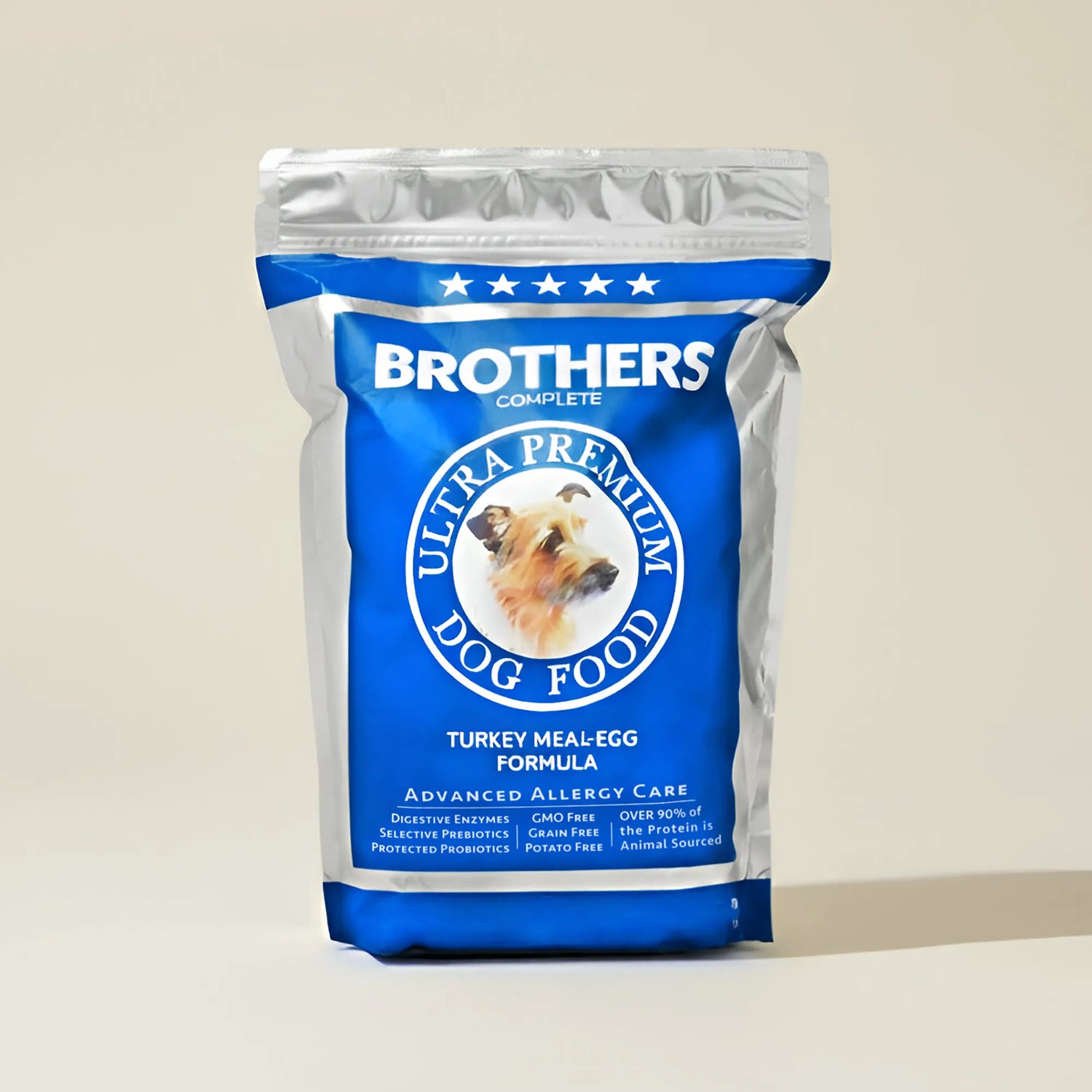
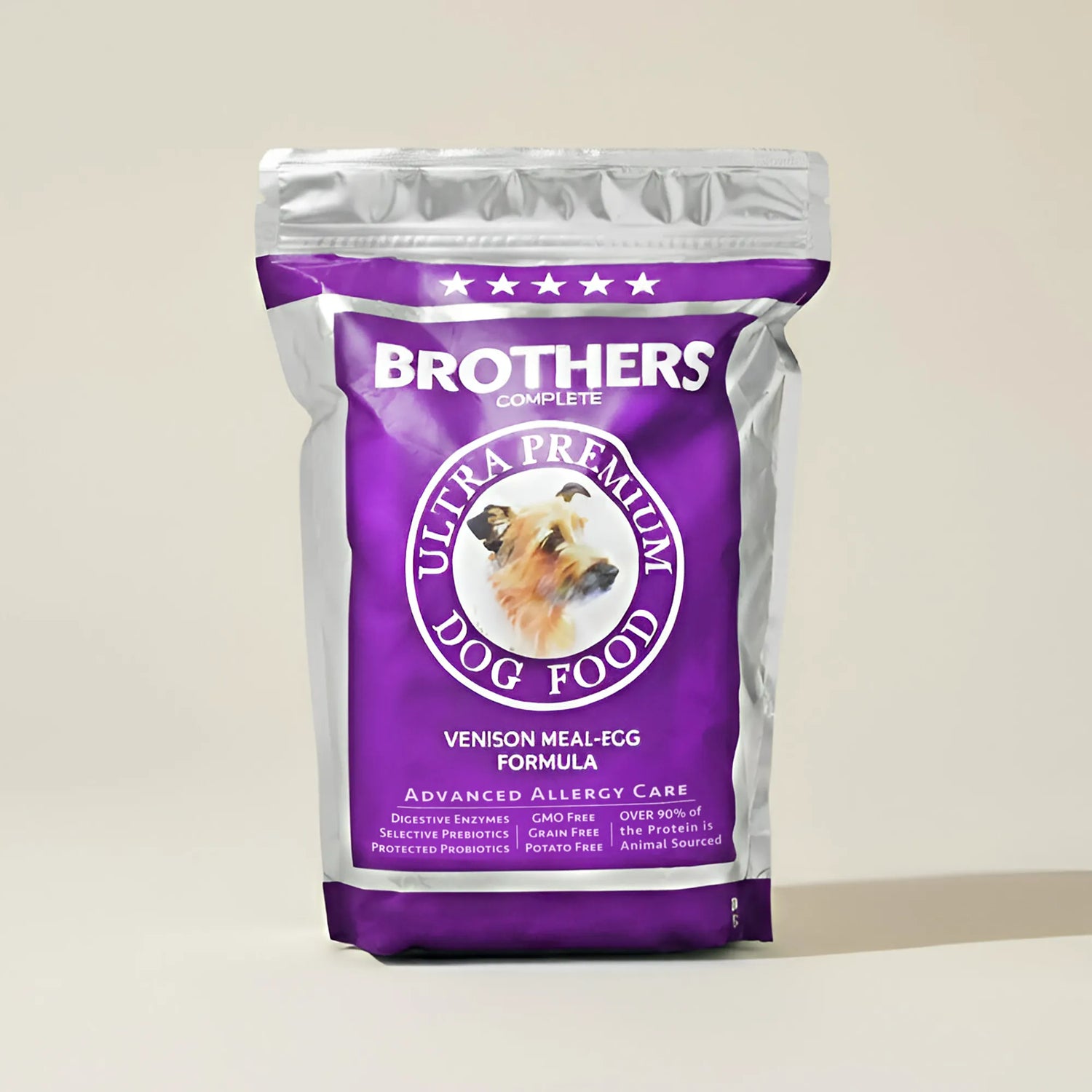
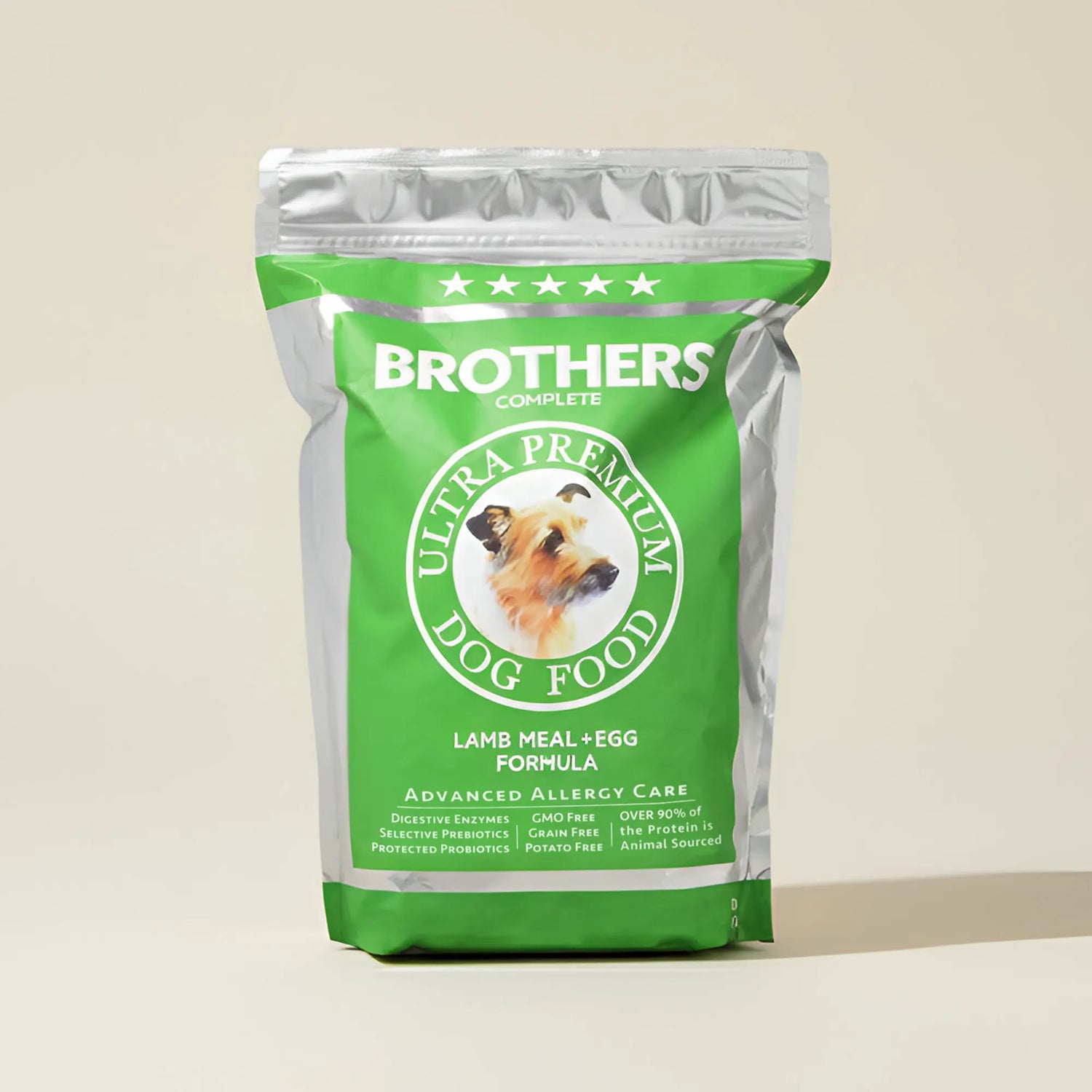
- Brothers Dog Food contains no artificial additives or unnecessary fillers
The Stuff You Don’t See Is What’s Causing Trouble
If your dog has inconsistent stools, frequent gas, or chronic digestive issues, the problem might not be the protein—it might be the additives hiding in their food.
Commercial dog foods often include chemical preservatives, flavor enhancers, texturizers, and synthetic color—all of which can negatively affect:
- Stool consistency
- Gut bacteria
- Skin and coat health
- Nutrient absorption
- Inflammation and immune response
Many of these ingredients are legal—but they aren’t necessary. And they’re often not easy to spot unless you know what to look for.
Ingredients to Watch Out For
Here’s a breakdown of common additives and fillers that can cause digestive upset:
|
Ingredient |
Why It’s a Problem |
|
Propylene Glycol |
Preservative linked to GI irritation |
|
Carrageenan |
Thickener that may trigger gut inflammation |
|
Sorbitol |
Sugar alcohol that can lead to bloating and diarrhea |
|
Artificial Colors |
Unnecessary chemicals linked to hyperactivity and intolerance |
|
“Natural Flavor” |
Often vague; can include MSG or animal digest |
|
Meat By-Products |
Unspecified parts of animals; harder to digest |
|
BHA/BHT |
Synthetic preservatives with controversial health effects |
|
Corn, Soy, Wheat |
Common fillers that can cause food sensitivities and spike blood sugar |
Even “premium” brands sometimes include these to improve shelf life, appearance, or taste.
(Sources: Puppies.com, Dogster, Dr. Killigan’s, The Pet Vet)
Why These Additives Cause Digestive Issues
Your dog’s digestive system isn’t built to process artificial ingredients. When it encounters these additives, it may react with:
- Loose or unformed stools
- Mucus in the stool
- Flatulence
- Upset stomach
- Skin flare-ups or itching
- Recurring ear or yeast infections
Over time, these ingredients can disrupt the gut microbiome, causing long-term issues like leaky gut, poor nutrient absorption, and inflammation.
What “Additive-Free” Really Means
When a dog food is truly free from synthetic additives, it should:
- Rely on real, whole ingredients—not chemical versions
- Use natural preservatives (like mixed tocopherols) sparingly and safely
- Avoid vague terms like “natural flavors” or “animal fat”
- Be transparent about sourcing and formulation
How Clean Food Supports Better Digestion
By removing hidden fillers and unnecessary chemicals, you help restore your dog’s natural digestive rhythm. Here’s what you may notice:
- Smaller, firmer stools
- Less gas and bloating
- Fewer tummy upsets during transitions
- Better absorption of nutrients
- Healthier skin and a shinier coat
- More predictable energy and appetite
This is especially important for dogs with:
- Sensitive stomachs
- Recurring soft stools
- Chronic itching
- Diagnosed food intolerances or allergies
Brothers Dog Food: Nothing to Hide
At Brothers, we believe what’s NOT in the bag matters just as much as what is.
That’s why all our recipes are:
- Free of chemical additives and synthetic fillers
- Free of corn, soy, wheat, white potatoes, or artificial color
- Made with whole food ingredients your dog’s body recognizes
- Packed with natural prebiotics, probiotics, and digestive enzymes
- Designed to protect the gut, not stress it
- No mystery meat. No fake flavors. Just real food made to be absorbed, not passed through.
Final Thoughts: Don’t Let Additives Undermine Your Dog’s Health
You shouldn't have to be a scientist to buy quality dog food—but knowing what to avoid can make all the difference in your dog’s digestion and well-being.
If your dog’s poop is inconsistent, if they’re gassy or itchy, or if they just don’t seem quite right—it might be time to switch to a clean, additive-free formula built for real nutrition.
Disclaimer: This post is for educational purposes only and is not a substitute for veterinary advice. Always consult your vet when making changes to your dog’s diet.
Sources
Nothing artificial, ever
Check our panel for the additives