


Best Dog Food for Siberian Huskies


Siberian Huskies are unlike any other dog breed, shaped by thousands of years of endurance running across frozen Arctic tundra. That heritage left them with a metabolism, digestive system, and coat unlike almost any other breed. Feeding a Husky the same way you'd feed a Labrador or a German Shepherd is a recipe for chronic health issues, wasted food, and a very unhappy dog.
The most critical nutrition-related condition in the breed is zinc-responsive dermatosis, a syndrome where Huskies develop crusty, scaly lesions on the face, nose bridge, and paw pads due to impaired zinc absorption. While most dogs can absorb adequate zinc from standard commercial diets, Huskies have a genetically reduced ability to absorb and utilize zinc, meaning they require foods with naturally high zinc bioavailability, or they develop visible, painful skin disease. This is not a rare edge case: it's one of the most commonly reported nutritional health issues among Husky owners.
Beyond zinc, Huskies have an extraordinarily efficient metabolism. They burn fewer calories per pound of body weight than most comparably-sized breeds, yet they self-regulate food intake far better. They tend to eat until satisfied and stop, which means free-feeding is safer for Huskies than for food-motivated breeds. The challenge is ensuring what they do eat delivers dense nutrition in every bite.
The Siberian Husky's Biggest Health and Nutrition Challenges
1. Zinc-Responsive Dermatosis
Zinc-responsive dermatosis (ZRD) is the most breed-specific nutritional concern for Siberian Huskies. Affected dogs develop hyperkeratotic (crusty, thickened) plaques on the nose, around the eyes, on the lips, and on the footpads. The condition is caused not by dietary zinc absence, but by a genetic defect in zinc absorption in the gut, meaning even dogs eating zinc-adequate food can become deficient.
The dietary solution: choose a food with high bioavailability zinc sources (zinc from animal proteins, not only zinc oxide from plant matter) and support zinc metabolism with adequate levels of vitamin A and B-complex vitamins. Avoid high-phytate grain-heavy formulas, which bind zinc and reduce absorption further. Brothers Dog Food's animal-first protein sources deliver zinc in its most bioavailable form.
2. Efficient Arctic Metabolism
Siberian Huskies evolved to run 100+ miles a day on minimal caloric intake, a metabolic efficiency unmatched in the dog world. Research on sled dogs has shown that Huskies actually shift their fat metabolism to spare muscle glycogen during sustained exercise, and can run for hours without conventional muscle fatigue. In a companion dog context, this efficiency means Huskies rarely need high-calorie diets and are prone to weight gain if overfed with calorie-dense kibble designed for high-output breeds.
The dietary implication: moderate caloric density, high protein, lower fat than many working-dog formulas, with quality carbohydrate sources for sustained energy. Avoid overfeeding, the Husky's natural satiety signals are reliable, but if you're serving an energy-dense food, those signals can be bypassed.
3. Double Coat and Skin Health
The Husky's famous double coat, a dense undercoat beneath long outer guard hairs, requires sustained nutritional support. Shedding seasons (twice yearly, heavy blowouts) place significant demands on the body's fatty acid reserves. Dogs with poor omega-3 and omega-6 intake develop dull, brittle coats and excessive dandruff during coat transitions.
Optimal fatty acid ratios (omega-6:omega-3 ideally between 5:1 and 10:1) are critical for healthy skin barrier function, sebum production, and coat luster. Animal-sourced fats, particularly from venison, chicken fat, or lamb, are more readily metabolized than plant-derived alternatives for coat support.
4. Selective / Picky Eating
Huskies are famously opinionated eaters. Unlike Labs or Beagles that will eat virtually anything offered, many Huskies refuse food they find unappealing, sometimes for days. This isn't always behavioral; Huskies have a naturally lower drive to eat compared to food-motivated breeds, and their self-regulation means they will genuinely skip meals they don't want.
Palatability matters enormously with Huskies. Real meat as the first ingredient, natural fats, and minimal artificial additives make a measurable difference in acceptance. If a Husky consistently refuses food, it is not stubbornness. It often signals the formula doesn't meet their aromatic or taste preferences.
5. Hypothyroidism
Siberian Huskies are predisposed to autoimmune thyroiditis, which progresses to hypothyroidism as the thyroid gland is gradually destroyed by the immune system. Symptoms include weight gain despite normal intake, lethargy, hair loss or coat thinning, and cold intolerance. Nutrition plays a supportive role: diets with adequate iodine (critical for thyroid hormone synthesis), selenium (supports T4 to T3 conversion), and antioxidants (reduces oxidative burden on the thyroid) can slow progression and support thyroid function.
6. Eye Conditions
Huskies are uniquely prone to several heritable eye conditions: progressive retinal atrophy (PRA), hereditary cataracts, and corneal dystrophy. While these are primarily genetic, nutritional support matters: adequate lutein, zeaxanthin, vitamin E, and antioxidants from quality whole-food ingredients can help protect retinal and lens tissue from oxidative damage over time. Choosing a food with meaningful antioxidant content, from named fruits, vegetables, or vitamin supplementation, is a reasonable long-term health investment.
What to Look for in the Best Dog Food for Siberian Huskies
Not all dog foods are created equal, and for a breed as nutritionally specific as the Husky, ingredient quality is the deciding factor. Here's what to prioritize:
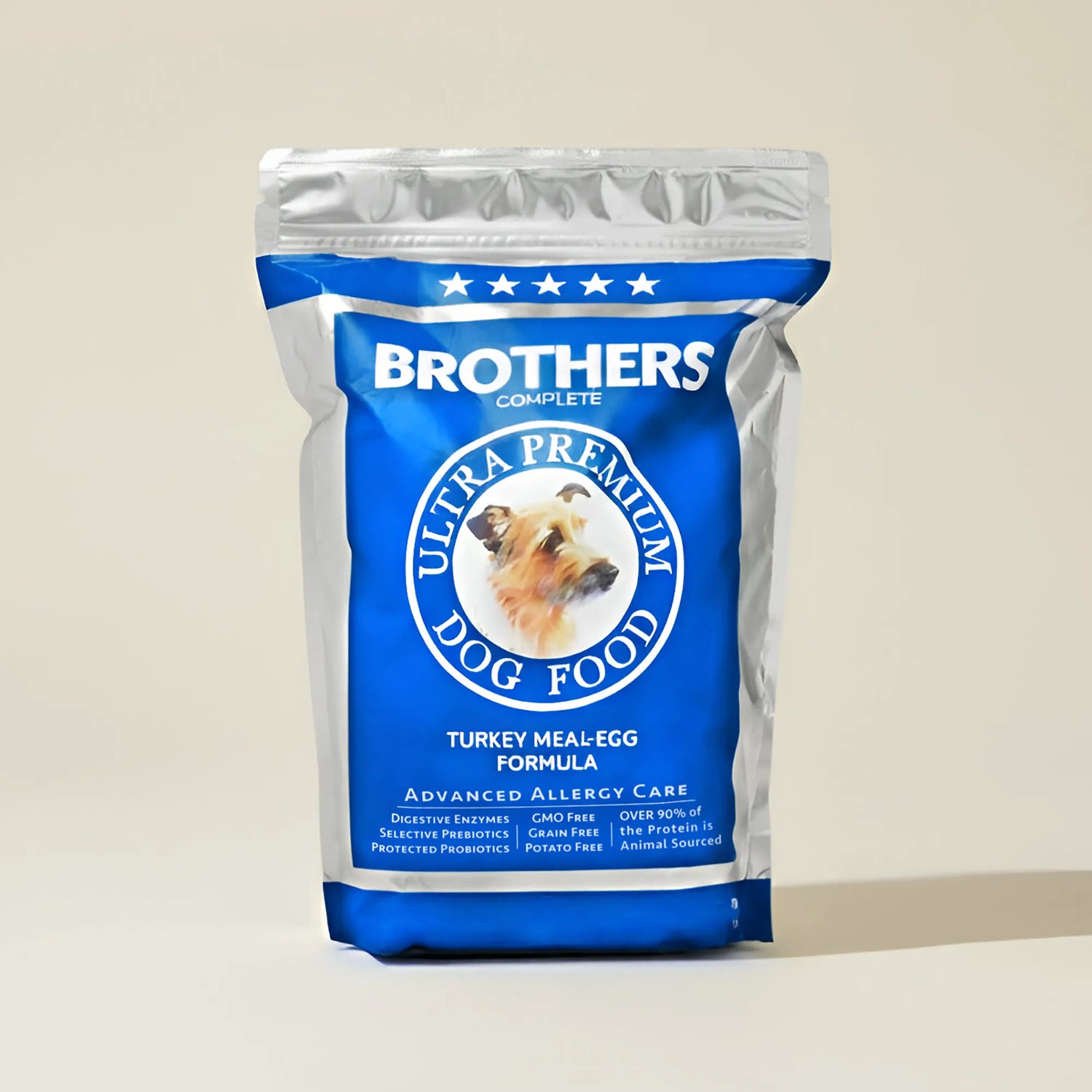
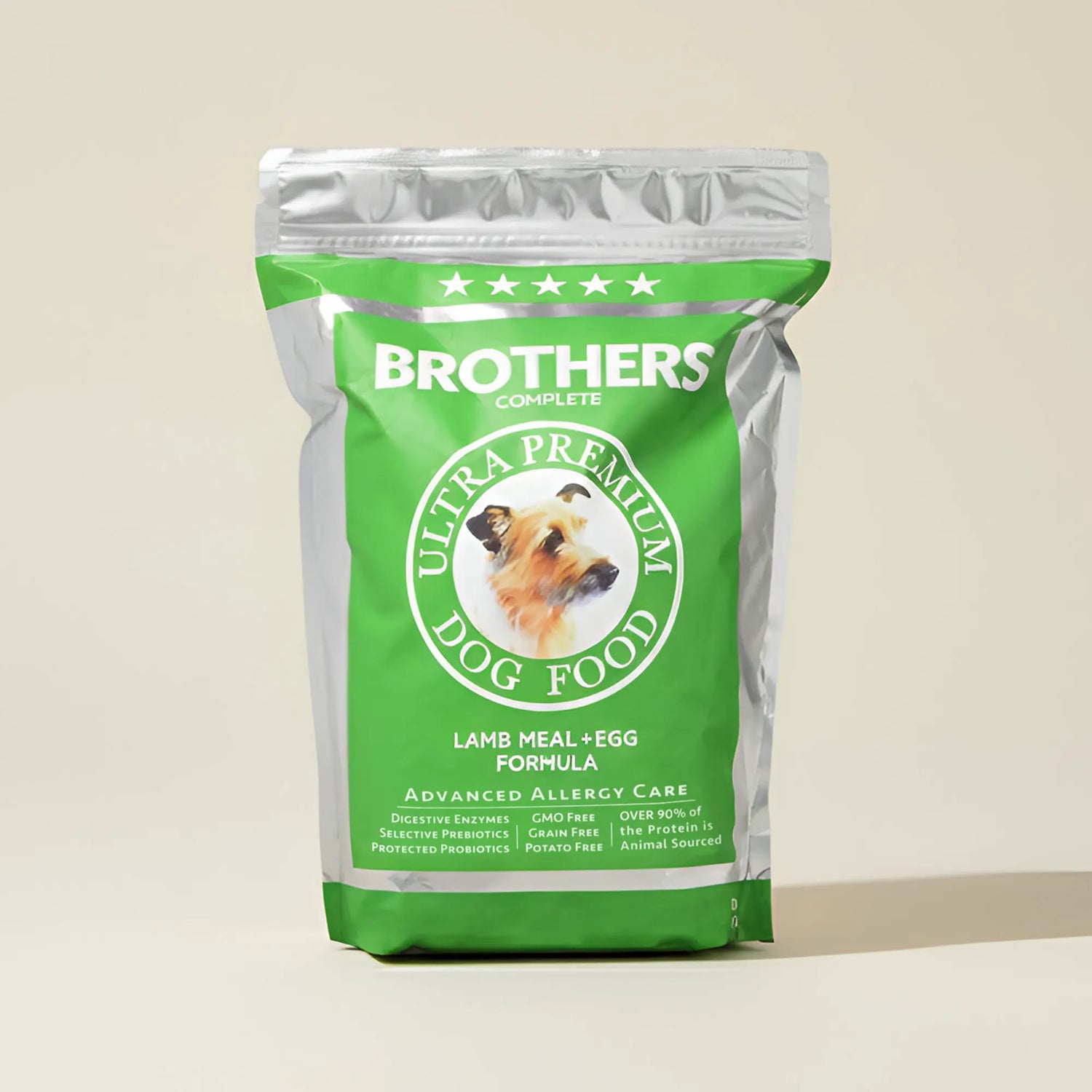
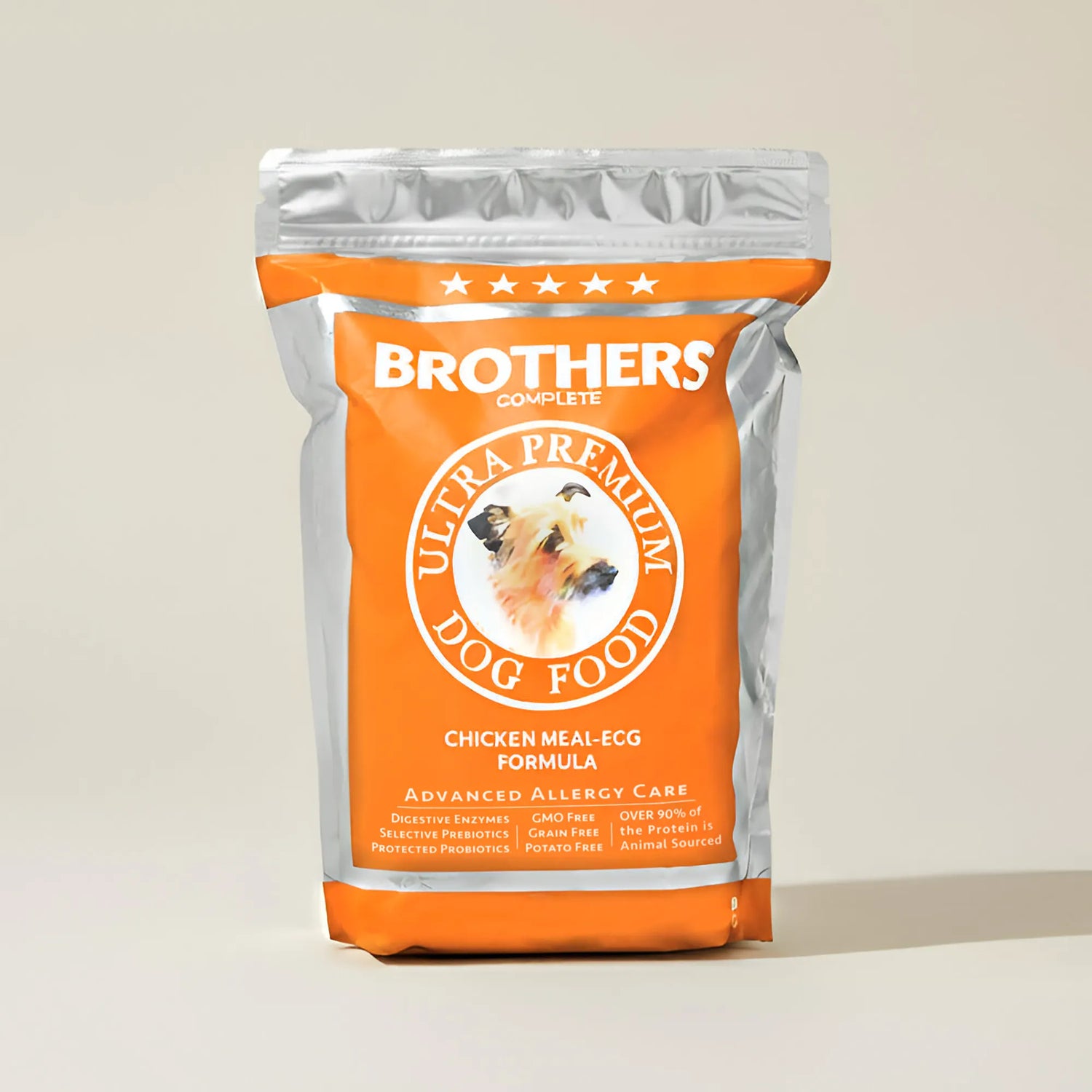
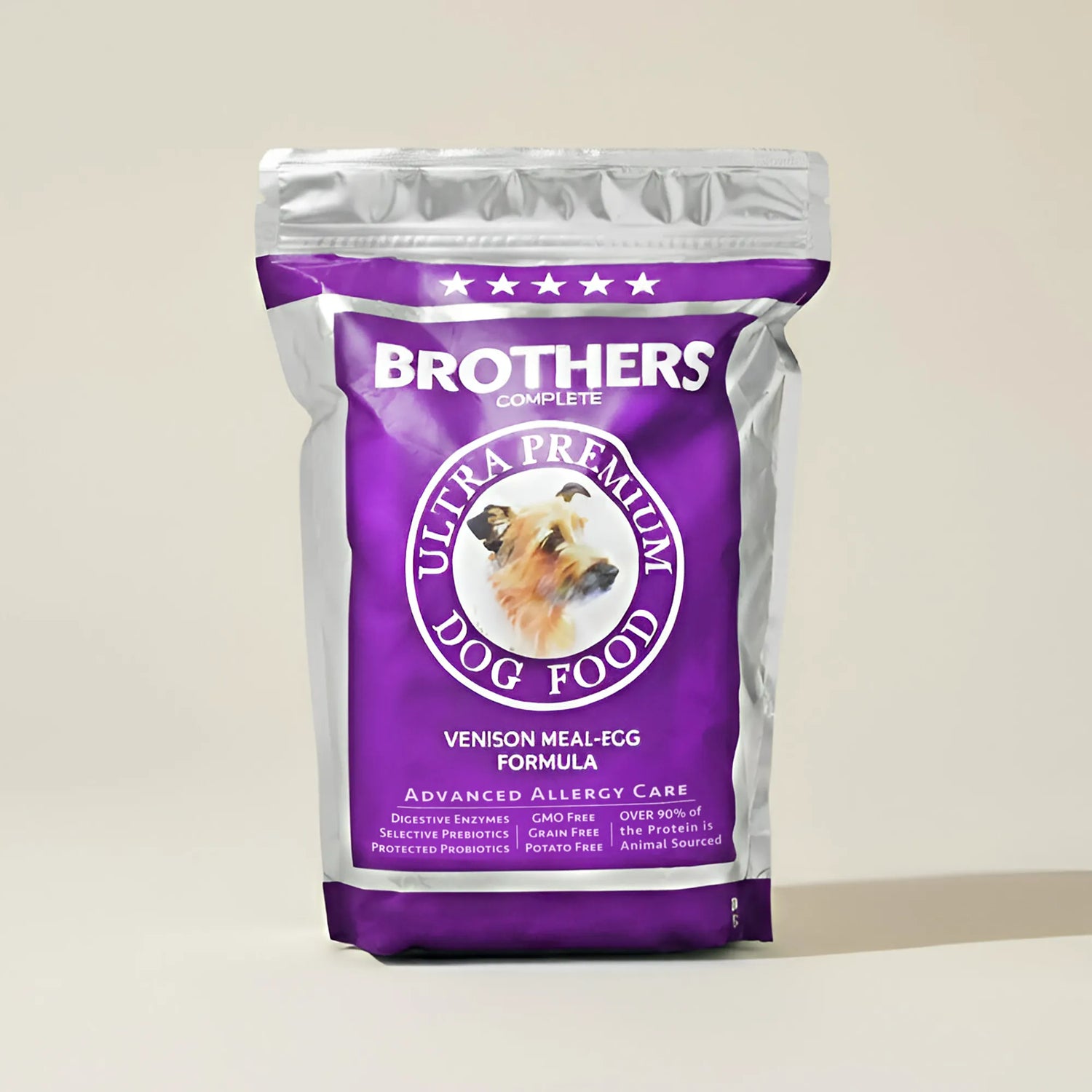
- Real Animal Protein First: Look for named meat sources: turkey meal, chicken meal, venison meal, or lamb meal, as the first ingredient. Animal proteins provide the highest zinc bioavailability and the amino acid profile Huskies need for muscle maintenance and coat health.
- Bioavailable Zinc Sources: Avoid formulas that rely solely on zinc oxide from plant matter. Zinc from animal muscle meat and organ meats is significantly more absorbable for Huskies with impaired zinc uptake.
- Balanced Omega Fatty Acids: Seek formulas with chicken fat or flaxseed as supplemental fat sources. A proper omega-6:omega-3 ratio (5:1 to 10:1) is non-negotiable for double-coat health and skin barrier integrity.
- Moderate Caloric Density: Huskies don't need the calorie loads designed for true working dogs. A formula between 350–420 kcal/cup is appropriate for most companion Huskies. Active or working dogs may need slightly more.
- Low Phytate Grain Profile: If grains are included, choose formulas using whole grains (brown rice, oats, barley) over those relying heavily on corn or soy, high-phytate ingredients that directly impair zinc absorption.
- Antioxidant-Rich Ingredients: Look for named fruits and vegetables (pumpkin, cranberry, carrots) or supplemental vitamin E and selenium for thyroid and eye health support.
- No Artificial Additives: Artificial colors, flavors, and preservatives are the most common drivers of Husky food refusal. Huskies are sensitive to synthetic additives both palatably and digestively.
Why Brothers Dog Food Works for Siberian Huskies
Brothers Dog Food was built on a simple principle: feed dogs what they're biologically designed to eat. For Siberian Huskies, a breed with specific, non-negotiable nutritional demands, that philosophy translates directly into better health outcomes.
Animal-First Protein Delivers Bioavailable Zinc
Brothers leads with named animal proteins that naturally provide zinc in its most absorbable form. For Huskies predisposed to zinc-responsive dermatosis, this is fundamental, not a bonus feature. Every serving delivers the zinc Huskies need without the absorption barriers created by plant-heavy formulas.
Quality Fats for Coat and Skin
The fatty acid profile in Brothers Dog Food supports the dense double coat Huskies are known for. Quality animal fats and omega-3 sources help maintain skin barrier integrity, reduce seasonal shedding volume, and keep the coat gleaming even through twice-yearly blowout phases.
Clean Ingredients, No Synthetic Additives
For notoriously picky Husky eaters, ingredient integrity makes the difference between a food that gets eaten and one that gets ignored. Brothers' commitment to no artificial colors, flavors, or preservatives means Huskies can actually taste the real meat, and they do.
Right Caloric Density for Arctic Metabolism
Brothers' formulas don't over-stuff calories into every cup. The moderate caloric density is appropriate for companion Huskies with efficient metabolisms, delivering complete nutrition without the caloric overload that leads to weight gain in this self-regulating breed.
Supports Antioxidant Needs for Long-Term Health
With whole-food ingredients and meaningful vitamin and mineral supplementation, Brothers Dog Food provides the antioxidant and micronutrient support Huskies need for thyroid function, eye health, and immune resilience over a long, healthy life.
Feeding Siberian Huskies at Every Life Stage
Siberian Husky Puppies (0–18 Months)
Husky puppies grow rapidly in the first six months and have high protein and fat needs to support musculoskeletal development. Zinc requirements are particularly high during growth. A puppy with unaddressed zinc deficiency can develop skin lesions early. Feed a puppy-formulated or AAFCO-certified all life stages food with real meat first, and avoid over-supplementing with calcium, which can interfere with zinc absorption.
Husky puppies are also prone to the same selective eating tendencies as adults. Establish a consistent feeding schedule (two to three meals daily) and avoid constantly rotating proteins, which can create long-term fussiness.
Adult Siberian Huskies (18 Months–7 Years)
Adult Huskies need consistent, high-quality nutrition to maintain their lean muscle mass, dense coat, and efficient metabolism. Most companion Huskies do well on one to two cups of a quality kibble twice daily, adjusted for activity level. Working or sled Huskies require significantly more. Consultjoint a veterinarian for high-output feeding protocols.
Watch for signs of zinc deficiency in adults: crusty scaling on the nose bridge or around the eyes, dull coat, poor wound healing, or white/gray discoloration of the nose (not to be confused with seasonal snow nose). These are dietary signals, not cosmetic issues.
Senior Siberian Huskies (7+ Years)
Senior Huskies often develop hypothyroidism, joint stiffness, and decreased activity. Adjust portions to prevent weight gain, and consider a senior formula with reduced calories, added glucosamine and chondroitin for joint support, and continued emphasis on zinc and fatty acid content for skin and coat maintenance. Digestive enzyme support can also help seniors with declining gut efficiency.

Brothers Dog Food Breeder Program
For Siberian Husky Breeders
Siberian Husky breeders know better than anyone how critical early nutrition is for breed health. Puppies raised on quality nutrition from the first weeks of life have better zinc status, healthier skin and coats, and fewer early vet visits for nutritional deficiencies. Brothers Dog Food's Breeder Program is built to support breeders who take that responsibility seriously.
Program Benefits
- Exclusive breeder pricing and benefits
- A reliable nutrition option for growing puppies and active adults
- Food that supports growth, digestion, joints, and long-term wellness
Breeding Siberian Huskies means managing zinc-responsive dermatosis risk, coat quality, and the selective feeding tendencies of the breed from day one. The Brothers Breeder Program gives you the tools, and the food, to do that right.
FAQs: Feeding Cane Corsos
The best dog food for a Siberian Husky is one that leads with real animal protein, provides highly bioavailable zinc, includes quality omega fatty acids for coat health, and avoids artificial additives that trigger the breed's notorious pickiness. Siberian Huskies have a genetically impaired ability to absorb zinc from plant-based sources, so animal-first formulas like Brothers Dog Food provide the zinc bioavailability the breed specifically requires. Look for named meat as the first ingredient, omega-3 sources like flax seed oil, and no corn syrup, artificial colors, or chemical preservatives.
Siberian Huskies need adequate dietary zinc because the breed is genetically predisposed to zinc-responsive dermatosis, a condition where impaired zinc absorption in the gut leads to crusty, painful skin lesions on the face, nose, and paws. Unlike other dog breeds that efficiently absorb zinc from plant-based sources, Huskies often cannot, making bioavailable zinc from animal proteins essential. A food with zinc primarily from zinc oxide in plant matter may meet label requirements but still leave your Husky deficient. Animal-protein-first foods naturally provide zinc in its most absorbable form.
Most adult Siberian Huskies need 1.5 to 2.5 cups of a quality dry food daily, split into two meals, though exact amounts depend on the food's caloric density, your dog's activity level, age, and metabolic rate. Huskies have a notably efficient metabolism, they burn fewer calories per pound than most breeds of similar size, and they naturally self-regulate food intake better than food-motivated breeds. Feed to maintain a lean body condition (you should feel ribs easily but not see them) and adjust portions seasonally if your Husky is more or less active in warmer months.
Yes, Siberian Huskies are among the most selective eaters in the dog world. Their low food motivation, combined with a refined sense of smell that detects artificial additives, means many Huskies will refuse foods other breeds accept readily. If your Husky is consistently skipping meals or turning away from their bowl, the problem is often the food itself, artificial flavors, preservatives, or low meat content. Switching to a clean, animal-protein-first formula like Brothers Dog Food frequently resolves chronic food refusal. Avoid constantly rotating proteins, which can actually worsen pickiness over time.
Siberian Husky puppies need a protein-rich diet with bioavailable zinc, quality fatty acids, and appropriate calcium-to-phosphorus ratios for healthy bone development. Zinc requirements are elevated during the growth phase. Puppies with inadequate zinc status may show early skin lesion signs and poor coat development. Choose a puppy formula or an AAFCO-certified all life stages food with real meat as the first ingredient. Feed two to three measured meals daily rather than free-feeding to establish healthy eating habits. Avoid calcium over-supplementation, which competes with zinc for intestinal absorption.
Siberian Huskies can eat grain-free food, but grain-free is not automatically better for the breed and comes with important caveats. The FDA has investigated a potential link between grain-free diets and dilated cardiomyopathy (DCM) in some breeds, though causation has not been definitively established. For Huskies specifically, the key concern is zinc absorption: high-legume grain-free formulas (heavy in lentils or chickpeas) can be high in phytates, which bind zinc and reduce absorption, potentially worsening the breed's already impaired zinc uptake. If you prefer grain-free, choose a formula with moderate legume content and a strong animal protein base. Alternatively, whole-grain formulas using brown rice or oats are lower in phytates than corn or soy and support zinc bioavailability.
Signs of zinc deficiency in Siberian Huskies include crusting, scaling, or thickening of the skin on the nose bridge, around the eyes, on the lips, and on the footpads; hair loss around these areas; dull, brittle, or depigmented coat; white or pale nasal discoloration; slow wound healing; and general immune weakness or recurrent infections. In mild cases, the dog may simply look less vibrant than expected for the breed. In more advanced cases, the lesions become painful and prone to secondary bacterial infection. If you observe any of these signs, consult your veterinarian and review your dog's diet for zinc bioavailability. Switching to an animal-protein-first food often resolves early cases.
Yes, Siberian Huskies do well on high-protein diets (26–32% crude protein for adults), which support their lean muscle mass and provide the most bioavailable zinc sources. However, extremely high-protein formulas designed for performance or working dogs may provide excessive calories for companion Huskies with their efficient metabolism. Prioritize protein quality over quantity: a food with 28% protein from named animal sources is preferable to one with 32% protein from plant proteins and by-products. For working or sled dogs with high energy output, higher caloric and protein density is appropriate. Consult your veterinarian or a canine nutritionist for sport-specific feeding.
Shop Brothers Dog Food for Siberian Huskies
Your Husky deserves food built for a breed that's anything but ordinary. Brothers Dog Food delivers real animal protein, bioavailable zinc, and the clean ingredient integrity that makes picky Huskies actually eat, and thrive.
Shop the full Brothers Dog Food lineup at brothersdogfood.com and find the formula that matches your Husky's life stage, activity level, and health needs. Have questions about which product is right for your dog? Our team is here to help.
Brothers Dog Food — Built for dogs. Trusted by breeders.
Related Categories

We are a premium dog food brand founded on the gut-immune connection - balancing protein quality, low glycemic carbs, and gut support - made by a family who’s dedicated their lives to solving chronic canine health problems.
We are a premium dog food brand founded on the gut-immune connection - balancing protein quality, low glycemic carbs, and gut support - made by a family who’s dedicated their lives to solving chronic canine health problems.