


Best Dog Food for English Bulldogs: What the Breed Actually Needs


English Bulldogs are one of the most beloved breeds in the country, and one of the most nutritionally misunderstood. Their compact, heavy-boned frame, flat face, skin fold architecture, and tendency toward weight gain create a set of feeding requirements that bear almost no resemblance to a standard breed's needs.
The Bulldog's anatomical reality starts at the bowl. Brachycephalic Obstructive Airway Syndrome (BOAS), the condition caused by a compressed upper airway, directly affects how Bulldogs eat, how much air they swallow, and how efficiently their digestive tract handles what goes in. Combine that with the breed's well-documented skin allergies and metabolic predisposition toward obesity, and the nutritional picture becomes clear: Bulldogs need formulas built for their body.
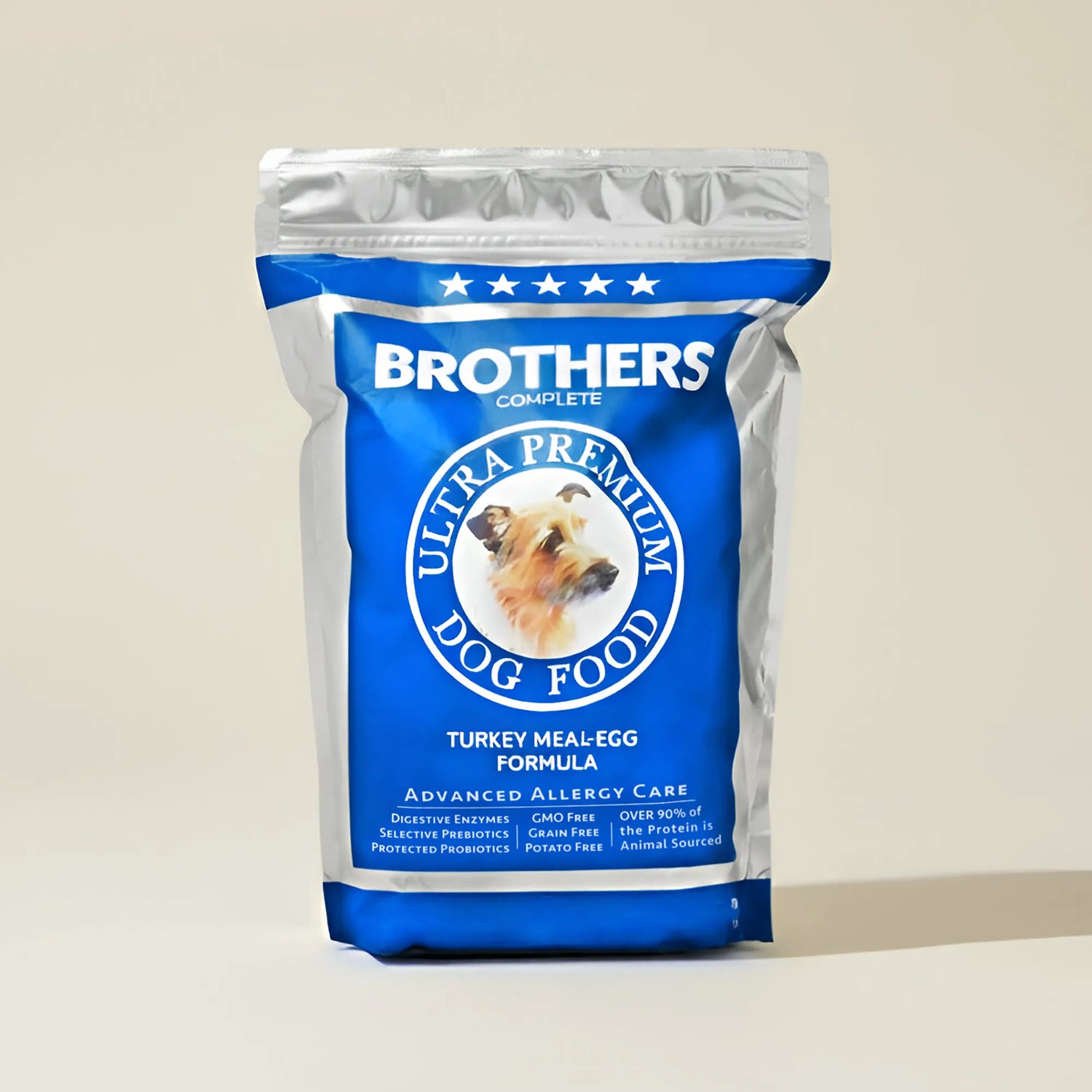
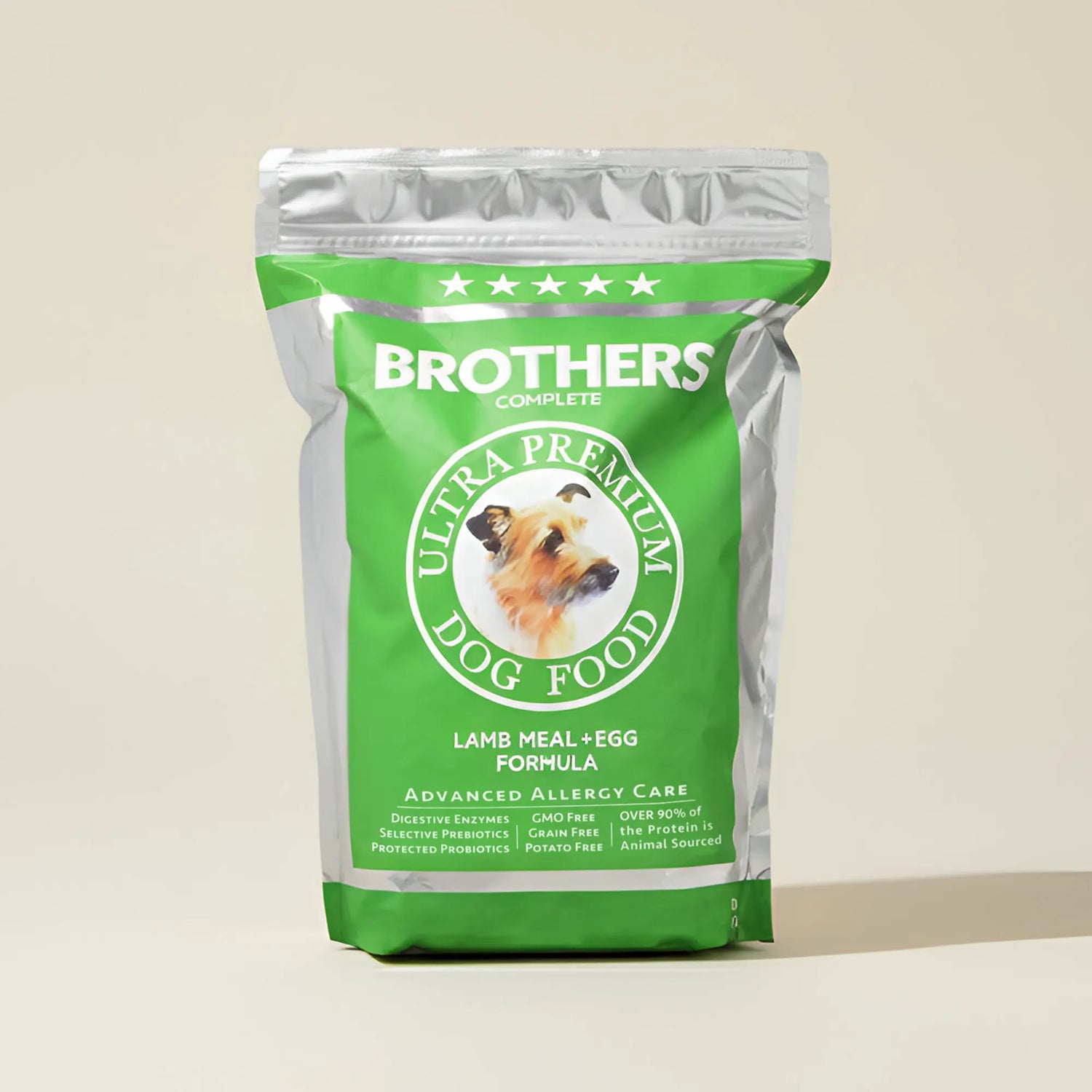
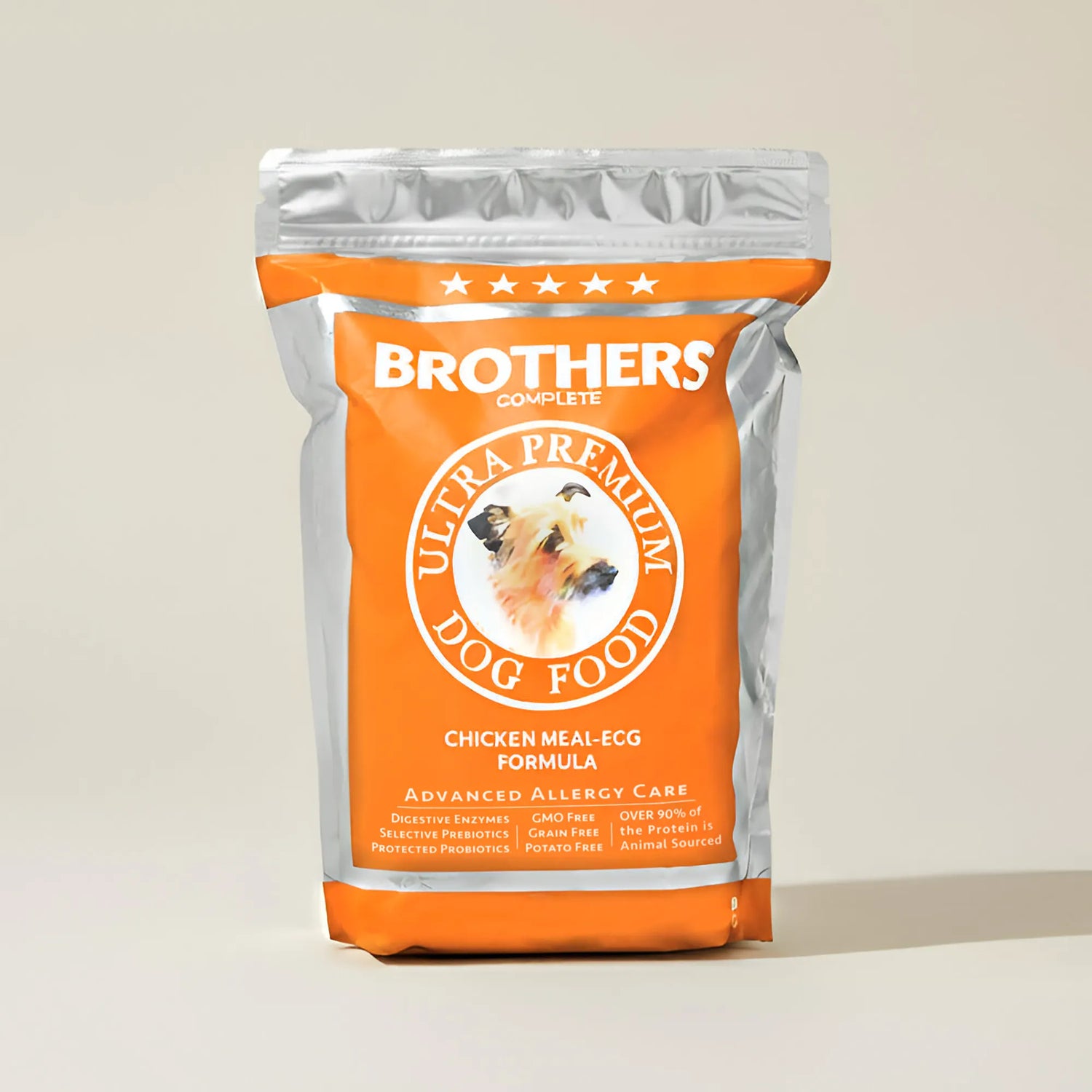
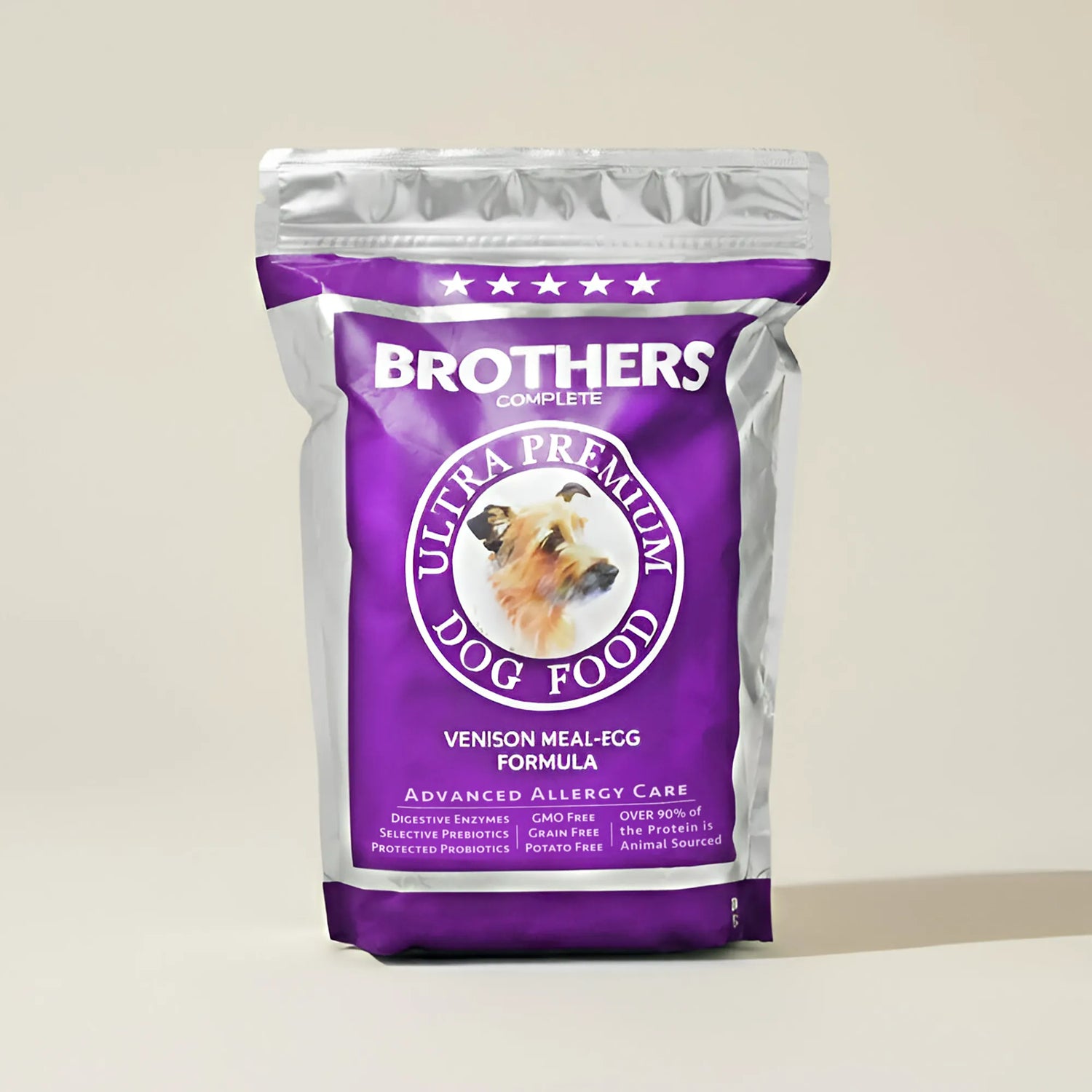
Brothers Dog Food is formulated around the actual health constraints of the breeds we serve. For English Bulldogs, that means digestive support, controlled calorie density, skin-forward fat profiles, and clean ingredient sourcing that won't add inflammatory load to a breed already managing chronic health challenges.
English Bulldog Health Challenges You Need to Feed Around
1. Brachycephalic Obstructive Airway Syndrome (BOAS) & Eating Behavior
BOAS is the defining health condition of flat-faced breeds, and its consequences extend well beyond breathing. English Bulldogs with BOAS must work harder to take in air, which means they gulp air during eating and drinking. This leads directly to excess gas, bloating, regurgitation, and in severe cases, gastric complications that require veterinary intervention.
Diet can meaningfully mitigate BOAS-related digestive consequences. Highly digestible, low-fermentation formulas reduce gas production in the gut. Smaller kibble size reduces the volume of air swallowed per bite. Feeding smaller, more frequent meals rather than one or two large ones reduces stomach distension. These are not small quality-of-life improvements for a Bulldog, they are daily management decisions that compound over years into measurably better outcomes.
Brothers' dense, smaller-format kibbles and high-digestibility protein sources are compatible with the eating mechanics of brachycephalic breeds. Less air in, less fermentation, less bloat.
2. Skin Fold Dermatitis & Skin Allergies
Skin fold dermatitis is endemic to the Bulldog's anatomy. The folds around the face, tail, and body trap moisture, dead skin cells, and bacteria, creating chronic breeding grounds for yeast and bacterial infections. What owners often don't recognize is that the severity of fold dermatitis is directly influenced by nutritional status: a dog with compromised skin barrier function from poor diet is significantly more prone to fold infections than a well-nourished dog.
Simultaneously, English Bulldogs are one of the most allergy-prone breeds in veterinary practice. Food allergies commonly manifest as chronic skin inflammation, ear infections, paw licking, and secondary hot spots. The most common food allergens are beef, dairy, chicken, wheat, and soy, and many commercial formulas contain multiple potential triggers in the same bag.
Omega-3 fatty acids (EPA and DHA from marine sources) are the most evidence-supported dietary intervention for skin health: they reduce systemic inflammatory response, improve skin barrier integrity, and directly support coat quality. Zinc, often depleted in allergic dogs, plays a critical role in skin cell turnover. Brothers' formulations prioritize both, rather than treating skin support as a label claim rather than a functional nutrition parameter.
3. Obesity & Weight Management
English Bulldogs are metabolically efficient to a fault. They require less physical activity to maintain body weight than most breeds, and they are extremely food-motivated, a combination that makes obesity nearly inevitable without active management. Obesity in a Bulldog is not cosmetic: excess body weight directly worsens BOAS severity (fat deposits narrow the airway further), accelerates joint degeneration, and increases cardiac strain in a breed already predisposed to cardiovascular issues.
Caloric density of the food matters more for Bulldogs than for most breeds. A high-fat, high-calorie formula designed for working dogs will systematically overfeed an English Bulldog at any reasonable serving size. Controlled fat content, high dietary fiber to promote satiety, and precise portion management are the levers. Brothers recommends using body condition score as the primary feeding guide. Bag guidelines are averages, and Bulldogs' individual metabolic rates vary significantly.
4. Hip Dysplasia & Joint Health
English Bulldogs have one of the highest rates of hip dysplasia of any breed, a consequence of their broad, heavy-boned build and selective breeding history. The OFA classifies Bulldogs as a dysplasia-prone breed, with a significant percentage of dogs showing moderate to severe hip scoring. Excess weight dramatically accelerates joint degeneration in dysplastic hips: every pound above optimal body weight adds approximately four pounds of force on the joints during normal movement.
Nutritional joint support, omega-3 fatty acids for inflammation, glucosamine and chondroitin for cartilage integrity, is most effective when implemented from puppyhood rather than after symptoms appear. A Bulldog that reaches age three with well-maintained joint nutrition has a meaningfully different trajectory than one fed a generic formula through the same period.
5. Sensitive Stomach & Digestive Issues
Digestive sensitivity is a near-universal owner complaint with English Bulldogs. The causes are layered: BOAS-related air gulping contributes to gas and bloating; food allergies and sensitivities cause chronic GI inflammation; and the breed's abbreviated digestive transit makes them less tolerant of ingredient changes and low-quality fillers.
Single-protein, limited-ingredient formulas with named animal protein sources and no artificial additives represent the baseline approach for a sensitive Bulldog digestive system. Prebiotic fiber (from sources like chicory root or dried beet pulp) supports gut microbiome balance without the fermentation load of high-fiber plant ingredients. Consistency matters as much as formula quality, frequent food transitions are disproportionately hard on Bulldog GI tracts.
6. Dental Health and Jaw Anatomy
The Bulldog's undershot jaw and compressed dental arcade create chronic dental crowding, teeth that sit too close together trap food, accelerate tartar buildup, and create sites for periodontal disease. Bulldogs consistently rank among the highest-risk breeds for dental complications requiring veterinary intervention. While kibble alone is not a complete dental health strategy, the mechanical abrasion of appropriately sized dry food contributes meaningfully to plaque reduction versus a soft food diet. Diets that avoid sugar-containing ingredients and minimize fermentable carbohydrates reduce the substrate for oral bacteria.
What to Look For in English Bulldog Dog Food
- Named animal protein first: Chicken meal, turkey meal, lamb meal, or venison, not generic byproducts or plant proteins leading the ingredient list.
- Controlled calorie density: Bulldogs gain weight easily. Avoid high-fat working-dog formulas. Look for moderate fat (12–15% DM) with adequate protein to maintain lean mass.
- Marine-sourced omega-3s (EPA/DHA): Essential for skin barrier function, fold health, allergy management, and joint support. The Bulldog's four biggest nutritional needs in one ingredient.
- High digestibility: Rendered single-source proteins and low-fermentation carbohydrates reduce gas, bloating, and digestive sensitivity, critical for brachycephalic breeds.
- Limited ingredient options: For allergy-prone individuals, a novel single-protein formula (lamb or venison) reduces allergen exposure and simplifies elimination diet protocols.
- No artificial preservatives or fillers: BHA, BHT, corn syrup, and artificial dyes add inflammatory burden without nutritional return, especially problematic for a breed managing chronic skin inflammation.
- Prebiotic fiber: Supports gut microbiome balance and stool consistency without the fermentation load that worsens gas in BOAS-affected dogs.
Why Brothers Dog Food Works for English Bulldogs
Digestive-First Formulation
Brothers uses highly digestible, named animal proteins and clean carbohydrate sources that minimize the gas and bloating Bulldogs are structurally prone to. No fillers, no excessive fermentable fiber, no ingredient ambiguity.
Skin & Coat Support Built In
Marine omega-3s are a core ingredient in Brothers formulas, not a trace addition to support a label claim. The EPA and DHA levels are targeted at breeds with skin sensitivity and fold health concerns, not calibrated to a median average.
Controlled Calorie Density
Brothers formulates for breed-appropriate activity levels. The caloric density is calibrated for real family dogs, including breeds like Bulldogs that require active weight management.
Clean Ingredient Deck
No artificial colors, flavors, or preservatives. No ambiguous protein sources. For Bulldog owners managing chronic allergies, knowing exactly what's in the bag is not a preference, it's a requirement. Brothers hold up to label scrutiny.
Made in the USA
Sourced and manufactured domestically with consistent quality control. Consistency of formula is critical for Bulldogs' sensitive digestive systems, supply chain reliability means every bag feeds the same.
Brothers Breeder Program — English Bulldog Breeders
Brothers Dog Food proudly partners with English Bulldog breeders committed to producing healthy, well-nourished dogs. Our Breeder Program is built for professionals who understand that nutrition is the foundation of every healthy litter and every long-lived companion.
English Bulldog breeders interested in the Brothers Breeder Program can apply at brothersdogfood.com/breeders or contact our team directly. We have active partnerships with breeders across the United States.
Frequently Asked Questions — English Bulldog Dog Food
How much should I feed an English Bulldog?
Most adult English Bulldogs require between 1,200 and 1,800 calories per day depending on age, activity level, and individual metabolism, but Bulldogs are notoriously efficient metabolizers and many thrive on less than bag guidelines suggest. Use body condition score as your primary guide: a healthy Bulldog should have a visible waist tuck when viewed from above and palpable ribs with light pressure. If ribs are not palpable, reduce portions. Twice-daily feeding in measured portions is strongly preferable to free feeding for a breed this obesity-prone.
What dog food is best for English Bulldogs with skin allergies?
For Bulldogs with confirmed or suspected food allergies, a limited-ingredient formula with a novel single protein source (venison or lamb) removes the most common dietary allergens from the equation. Look for formulas free of beef, dairy, wheat, soy, and corn, the most frequently cited triggers in dogs. Marine omega-3s (EPA and DHA) are the single highest-impact nutritional intervention for allergic skin disease. If you suspect food allergies, consult a veterinarian for recommendations for your specific pet.
Why does my English Bulldog have such bad gas?
Bulldogs gulp air when eating due to BOAS. Their compressed airways make normal breathing during meals difficult, so they swallow excess air with every bite. This air, combined with GI fermentation of low-quality or hard-to-digest ingredients, produces the chronic flatulence Bulldog owners know well. The most effective dietary interventions: switch to a highly digestible, low-fermentation formula; feed smaller meals more frequently rather than one large meal; use a slow-feeder bowl to reduce eating speed; and eliminate fillers, soy, and fermentable plant proteins from the diet. Many owners see dramatic improvement within two to three weeks of switching to a cleaner formula.
What should I feed an English Bulldog puppy?
English Bulldog puppies need controlled calcium (not maximized), DHA for neural development, and protein levels that support lean muscle growth without accelerating bone development faster than the structure can manage. Avoid generic large-breed puppy formulas that over-fortify calcium. Feed three times daily through 6 months, then twice daily. Introduce any new food over 7 to 10 days. Bulldog puppies are particularly prone to GI upset during transitions, and the breed's digestive sensitivity often first shows up in the puppy phase.
How do I help my English Bulldog lose weight?
Weight management in Bulldogs requires two things: caloric precision and consistency. Measure every meal by weight, not volume. Cup measures introduce too much variability. Reduce current daily calories by 15 to 20% and hold for four to six weeks, monitoring body condition score every two weeks. Avoid high-treat diets. Treats should not exceed 10% of total daily calories. Increase low-impact activity (leash walks, swimming if accessible) rather than high-intensity exercise that stresses dysplastic joints. Never fast a Bulldog to accelerate weight loss, gradual reduction is safer and more sustainable.
What causes sensitive stomachs in English Bulldogs?
English Bulldogs' sensitive stomachs result from multiple overlapping factors: BOAS-related air ingestion causes bloating and discomfort; food allergies and intolerances cause chronic mucosal inflammation; the breed's compressed digestive architecture makes them less tolerant of abrupt dietary changes; and many commercial formulas contain fermentable plant ingredients and artificial additives that compound GI stress. The solution is rarely a single change, it's a cumulative upgrade: switching to a clean, high-digestibility formula, maintaining strict diet consistency, feeding smaller meals, and using a prebiotic fiber source to support gut microbiome stability.
Shop Brothers Dog Food for English Bulldogs
English Bulldogs deserve food formulated around the body they actually live in, not the average dog. Brothers Dog Food delivers high-digestibility animal protein, marine omega-3s for skin and joint support, and controlled calorie density for a breed that requires active weight management. Clean ingredients, domestic manufacturing, and formulations that hold up to the scrutiny of Bulldog owners who read every label.
Shop the full Brothers lineup and find the formula that matches your Bulldog's age, health profile, and activity level. Free shipping on qualifying orders. Made in the USA.
English Bulldog Stock photos by Vecteezy
Related Categories

We are a premium dog food brand founded on the gut-immune connection - balancing protein quality, low glycemic carbs, and gut support - made by a family who’s dedicated their lives to solving chronic canine health problems.
We are a premium dog food brand founded on the gut-immune connection - balancing protein quality, low glycemic carbs, and gut support - made by a family who’s dedicated their lives to solving chronic canine health problems.