

Can Prebiotics Improve Your Dog's Gut Health? (And How They Differ from Probiotics)
If you've been researching ways to improve your dog's digestive health, you've probably encountered both "prebiotics" and "probiotics" — often in the same sentence, sometimes even on the same product label. And if you're scratching your head wondering what the actual difference is, you're not alone. These terms sound similar, but they play very different (and complementary) roles in supporting your dog's gut health.
At Brothers Dog Food, we believe in transparency, science-backed nutrition, and educating pet parents to make confident choices. That's why we're breaking down exactly what prebiotics are, how they differ from probiotics, and why both matter when it comes to keeping your dog's digestive system thriving for years to come.
Quick Summary:
-
Prebiotics are non-digestible fiber compounds that feed beneficial gut bacteria, while probiotics are live microorganisms that colonize the digestive tract — AKC
-
Prebiotics act as fuel for the good bacteria already living in your dog's gut, helping them flourish
-
Unlike probiotics, prebiotics don't require refrigeration or special handling because they're not live organisms
-
The most effective gut health strategy combines both prebiotics and probiotics working together
What Are Prebiotics for Dogs?
Think of prebiotics as fertilizer for your dog's gut garden. Prebiotics are nutrients designed to nourish and promote the growth of good bacteria that are already living in the gut — AKC. They're specific types of non-digestible fiber that resist breakdown in your dog's small intestine, traveling all the way to the large intestine where beneficial bacteria ferment them as fuel.
This fermentation process isn't just about feeding bacteria — it also produces short-chain fatty acids (SCFAs) that support the intestinal lining, help regulate inflammation, and contribute to overall immune function. When beneficial bacteria have plenty of prebiotic fuel, they can outcompete harmful bacteria for resources and create an environment where your dog's gut can thrive.
The key difference? Prebiotics don't add new bacteria to your dog's system. Instead, they strengthen and multiply the beneficial bacteria already present, creating a more stable, resilient gut ecosystem from the inside out.
How Prebiotics Differ from Probiotics
Here's where the confusion usually begins — and where understanding the distinction really matters.
Probiotics are beneficial or "friendly" gut-dwelling microbes that you add directly to your dog's digestive system — AKC. They're live organisms (usually strains of bacteria like Lactobacillus or Bifidobacterium) that colonize the gut and help maintain microbial balance. Think of them as reinforcements — new troops joining the battle for digestive health.
Prebiotics, on the other hand, are the food supply for those troops. They're not alive, they can't colonize anything, and they don't die during storage or processing. This makes them remarkably stable — prebiotics in dog food remain effective through manufacturing, packaging, shipping, and months on the shelf, because there's nothing alive to kill.
Here's a helpful way to remember it:
-
Probiotics = live bacteria you add
-
Prebiotics = food for bacteria already there
-
Together = synbiotic effect (the most powerful approach)
This is why many veterinary nutritionists now recommend gut health dog food that combines both approaches rather than relying on one or the other alone.
Why Prebiotics Matter for Your Dog's Digestive Health
A healthy gut isn't just about avoiding diarrhea or firming up stools (though prebiotics can help with both). The gut microbiome — that complex ecosystem of bacteria, fungi, and other microorganisms living in your dog's intestines — influences everything from nutrient absorption to immune response to even behavior and mood.
When beneficial bacteria have adequate prebiotic fuel, they produce compounds that:
-
Support the intestinal barrier, reducing the risk of "leaky gut" where undigested particles slip through the intestinal wall
-
Crowd out harmful bacteria by dominating the available resources
-
Produce vitamins like certain B vitamins and vitamin K
-
Regulate pH levels in the colon, creating an environment hostile to pathogenic bacteria
The beauty of prebiotics is that they work with your dog's unique microbiome. Every dog has a slightly different bacterial profile based on genetics, diet history, environment, and health status. Prebiotics don't try to force a one-size-fits-all bacterial solution — they simply strengthen whatever beneficial bacteria are already present and best-suited to that individual dog.
This is one reason we focus so heavily on digestive enzymes and gut health at Brothers — because a thriving microbiome is the foundation of everything else.
Common Prebiotic Sources in Dog Food
Not all fiber is prebiotic, and not all prebiotics are created equal. The most effective prebiotics resist digestion in the small intestine and selectively feed beneficial bacteria in the large intestine.
While we can't make specific ingredient claims without verified sources, here's what matters: look for dog foods that explicitly list prebiotic fiber sources on the label. Generic terms like "fiber" or "roughage" don't tell you whether the fiber is prebiotic or just inert bulk.
When evaluating premium dog food options, transparency matters. Brands that are serious about gut health will clearly identify their prebiotic ingredients rather than hiding behind vague marketing language. They'll also combine prebiotics with other gut-supporting components — like digestive enzymes and probiotics — to create a comprehensive approach.
At Brothers, we don't just add prebiotics as a checkbox ingredient. Every component of our formulas is chosen to work synergistically, supporting digestive health from multiple angles rather than relying on a single "magic bullet" ingredient.
Are Prebiotics Safe for All Dogs?
For the vast majority of dogs, prebiotics are safe and beneficial. Because they're not live organisms, they don't carry the same risks as probiotics (which can, in rare cases, cause issues in immunocompromised animals).
That said, there are a few considerations:
-
Dogs with sensitive stomachs may experience temporary gas or loose stools when first introduced to prebiotic-rich foods, especially if their previous diet was low in fiber
-
The transition period matters — switching too quickly to a high-prebiotic diet can cause digestive upset simply because the gut microbiome needs time to adjust
-
Not all fiber is appropriate for all dogs — dogs with certain medical conditions may need veterinary guidance on fiber types and amounts
This is why we always recommend a gradual food transition when changing to any new diet, including those with added prebiotics. Give your dog's gut microbiome time to adapt, and you'll see the benefits without the temporary discomfort.
If your dog has a diagnosed digestive condition or is under veterinary care, always consult your vet before making dietary changes — even beneficial ones like adding prebiotics.
The Brothers Dog Food Difference
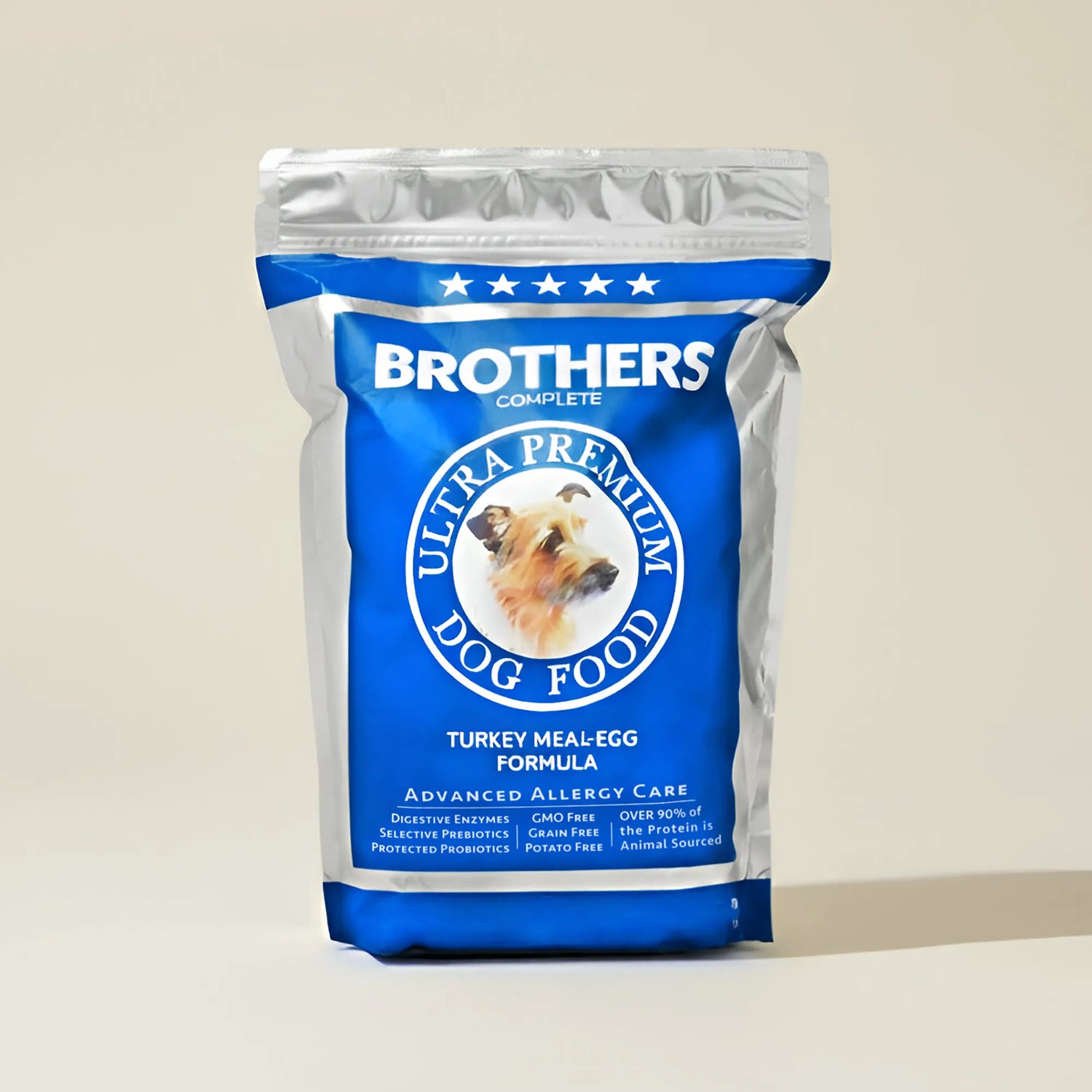
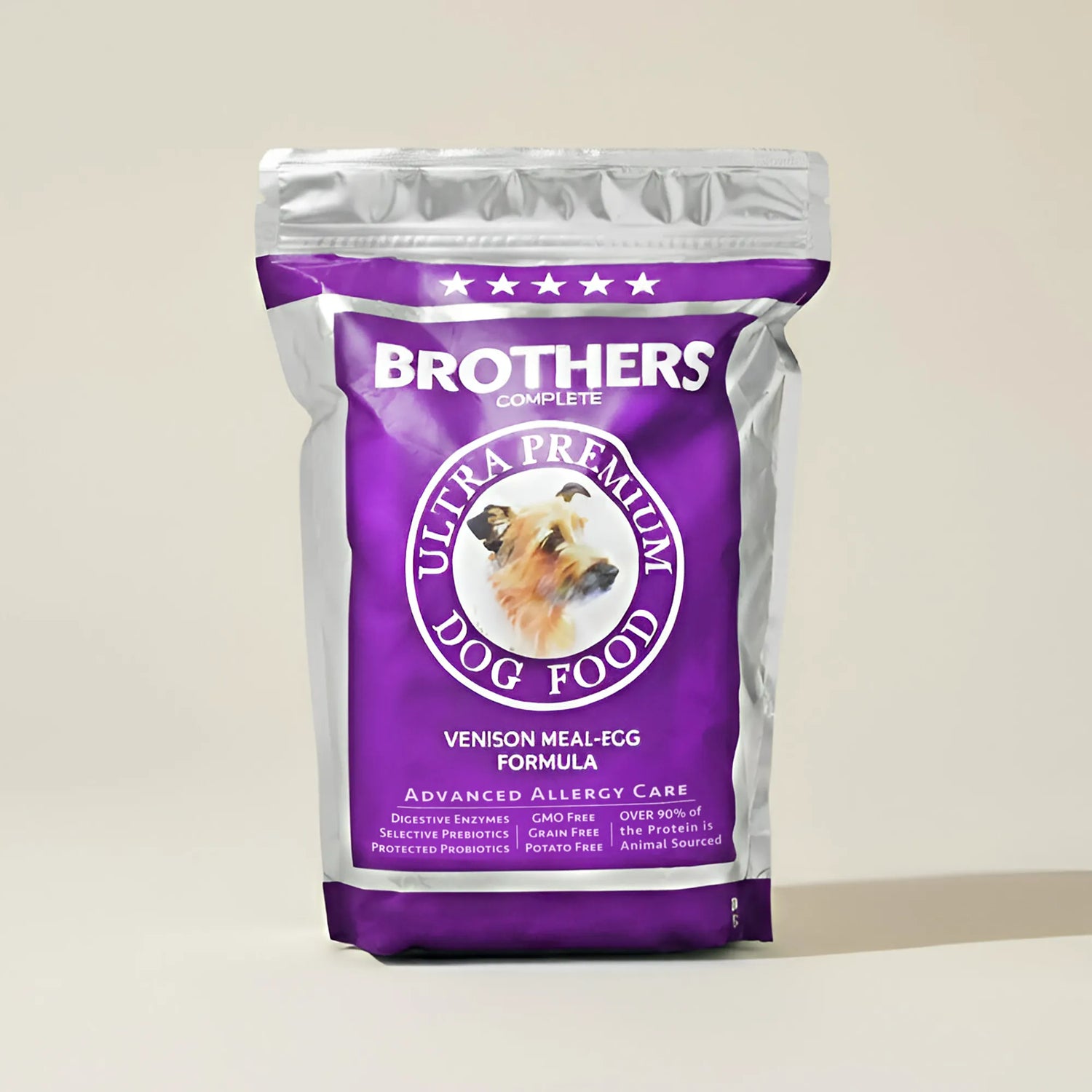
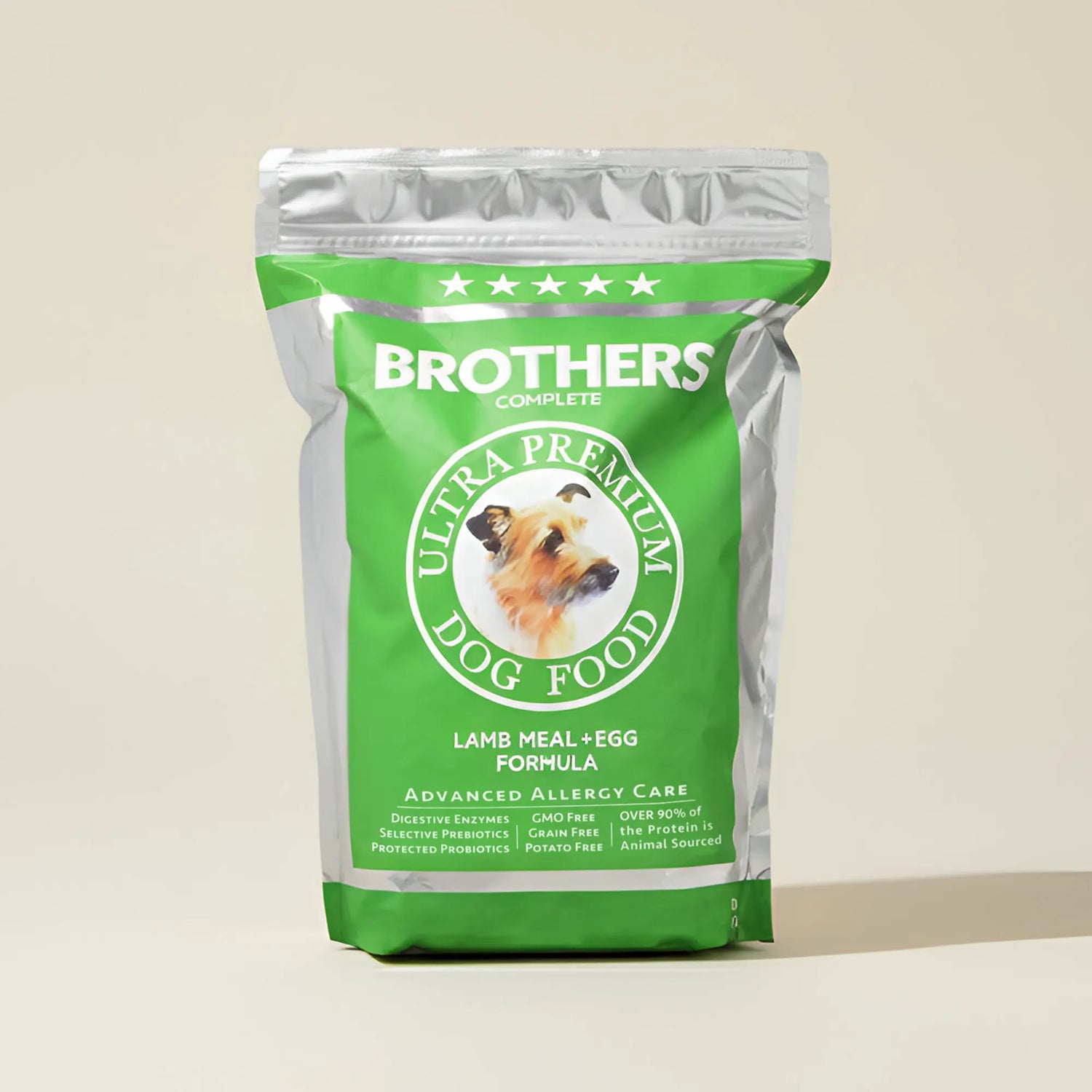
At Brothers Dog Food, gut health isn't a marketing add-on — it's the foundation of everything we do. Because we know that a thriving digestive system is the starting point for lifelong vitality, energy, and resilience.
Comprehensive Gut-Health-First Formula
We don't just add prebiotics or probiotics — we use a proprietary blend that combines both, along with digestive enzymes, to support your dog's microbiome from every angle. This synbiotic approach creates an environment where beneficial bacteria can flourish, nutrient absorption is optimized, and digestive issues are prevented before they start.
Premium-Grade, Transparently Sourced Ingredients
Every ingredient in Brothers formulas is chosen for a specific nutritional purpose — not as cheap filler. We list prebiotic fiber sources clearly on our labels because we want you to know exactly what's supporting your dog's gut health. No vague terms, no hiding behind "proprietary blends" that obscure ingredient quality.
No Corn, Wheat, Soy, or Artificial Additives
Many commercial dog foods use cheap fillers that actually disrupt gut health rather than supporting it. Brothers formulas eliminate common allergens and inflammatory ingredients, creating a clean nutritional foundation that allows prebiotics and probiotics to work at their best. Learn more about our approach to ingredient selection.
Small-Batch Manufacturing for Quality Control
Because prebiotics are naturally stable, we can ensure their potency through careful sourcing and testing — not through over-processing or artificial preservation. Our small-batch approach means every bag meets the same high standards, batch after batch, with ingredient integrity you can trust.
How Prebiotics Support Long-Term Health
The benefits of prebiotic fiber go far beyond immediate digestive comfort. When beneficial gut bacteria are well-fed and thriving, the positive effects ripple through your dog's entire system:
-
Enhanced nutrient absorption – A healthy gut lining absorbs vitamins, minerals, and amino acids more efficiently, meaning your dog gets more nutritional value from every meal
-
Stronger immune function – Approximately 70% of immune tissue is located in the gut; supporting the microbiome directly supports immune resilience
-
Reduced inflammation – Beneficial bacteria produce anti-inflammatory compounds that help regulate the immune response throughout the body
-
Better skin and coat health – Gut health and skin health are deeply connected; many chronic skin issues trace back to microbial imbalance or intestinal inflammation
-
More consistent energy and vitality – Dogs with balanced gut microbiomes tend to have more stable energy, better appetite regulation, and improved overall quality of life
For dogs dealing with chronic issues like allergies or itchy skin, addressing gut health through prebiotics (along with probiotics and digestive enzymes) can often provide relief where topical treatments alone have failed.
Final Thoughts: Feeding the Gut Garden Your Dog Deserves
In a pet food industry filled with marketing buzzwords and ingredient gimmicks, prebiotics represent something genuinely valuable — a science-backed approach to supporting the gut ecosystem that influences nearly every aspect of your dog's health.
The question isn't whether prebiotics can improve your dog's gut health. The question is whether you're choosing a dog food that takes gut health seriously enough to include them — and to combine them with probiotics, digestive enzymes, and premium ingredients in a formula designed for comprehensive digestive support.
At Brothers Dog Food, we don't cut corners on gut health. We don't use cheap fillers. And we don't hide behind vague marketing claims. We formulate with transparency, manufacture in small batches, and stand behind every bag with the confidence that comes from doing things right.
Because when your dog's gut is thriving, everything else falls into place. And more healthy years with your best friend? That's always the goal.
Sources
-
AKC — Probiotics for Dogs: https://www.akc.org/expert-advice/nutrition/probiotics-for-dogs/
Prebiotics and probiotics, together
Both halves of gut health, in every bag