


Best Dog Food for Shih Tzus


Shih Tzus were bred as companion dogs — royal lapdogs, in fact — and their flat face, flowing coat, and expressive eyes are exactly what make them so beloved. But those same features come with specific health realities that most dog foods aren’t designed to support. Shih Tzus are a brachycephalic (flat-faced) breed prone to breathing and eating challenges, they’re famous for tear stains that discolor the fur beneath their eyes, and they’re highly susceptible to skin allergies and sensitive digestion. Feeding a Shih Tzu well means feeding for the specific breed they are, not the average dog.
The right food supports clean tear-free eyes, healthy skin and coat, and easy digestion, delivering high-quality protein in a nutrient-dense, highly digestible form that a small, sensitive system can handle. Brothers Dog Food is built around exactly those priorities: clean, functional nutrition for a companion breed with specific, well-documented needs.
Why Brothers Dog Food is a great option for Shih Tzus:
- Supports reduced tear staining with a clean, additive-free formula that removes the fillers and dyes often linked to excess tearing and facial staining
- Promotes healthy digestion and gut balance for a small breed with a consistently sensitive stomach
- Omega-3 fatty acids (DHA) nourish the skin and the Shih Tzu’s signature long coat, supporting the skin health this breed frequently struggles with
- Helps manage weight for a small, easygoing breed that gains weight easily and carries it hard on a tiny frame
- High-quality protein maintains lean muscle without the caloric overload that leads to weight gain in a low-activity companion breed
- Made without unnecessary fillers and artificial additives that aggravate digestive sensitivity, skin reactions, and tear staining
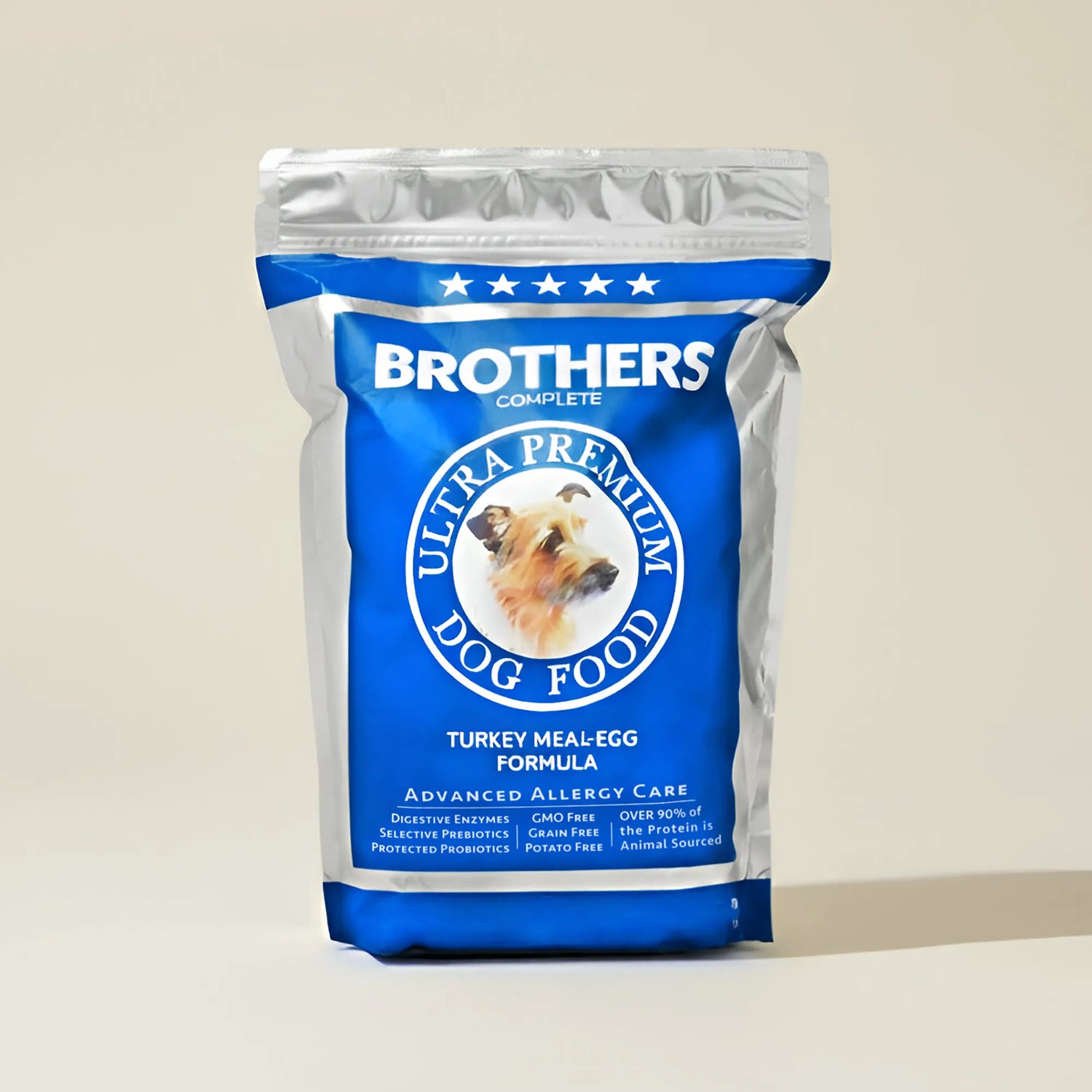
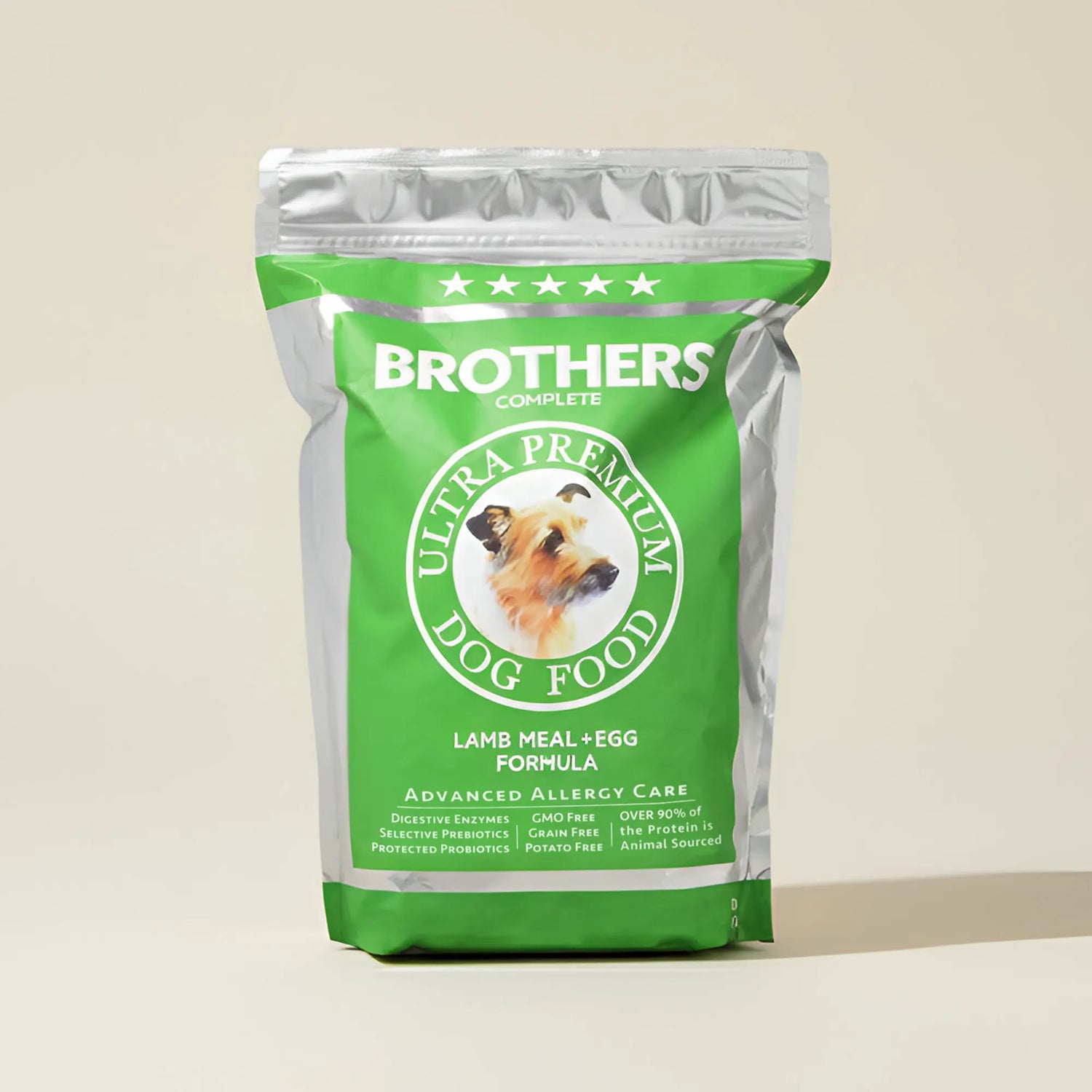
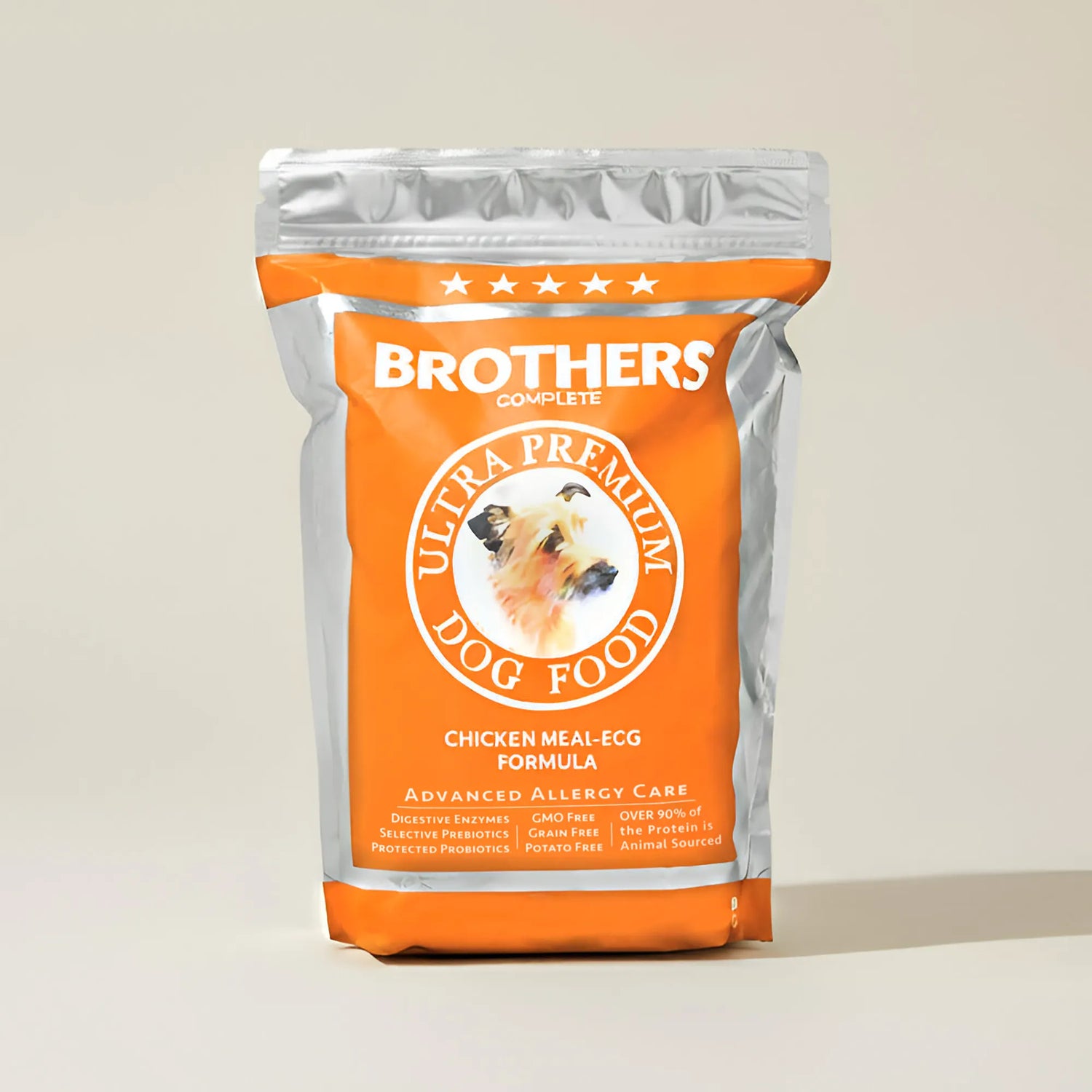
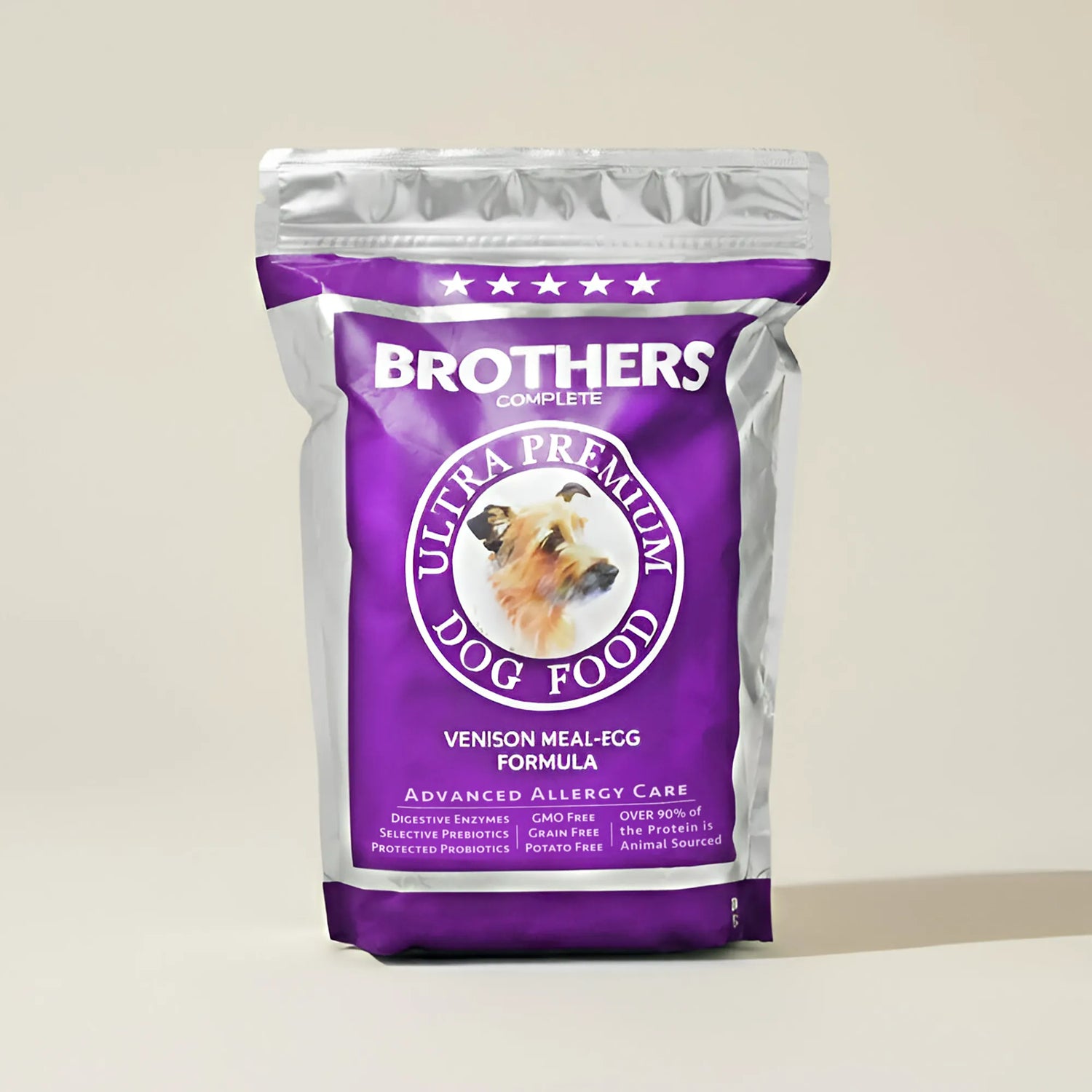
How Brothers Is Different From Other Shih Tzu Dog Food
Most small-breed dog food, including Shih Tzu-specific formulas, is built around palatability and kibble size rather than the brachycephalic, skin, and tear-staining realities of a Shih Tzu’s body. For a breed where additives and low-quality fillers can directly worsen visible health issues, that gap matters.
What most dog food for Shih Tzus relies on:
- Artificial dyes, additives, and low-quality fillers that are widely linked to increased tearing and the reddish-brown facial staining Shih Tzus are known for
- Multiple common allergens in a single formula — beef, dairy, wheat, corn — increasing the likelihood of triggering the skin and coat reactions this breed is prone to
- Calorie-dense formulas that contribute to weight gain in a small, low-activity companion breed
- Small kibble marketed as the ‘breed-specific’ feature without addressing the tear-staining, skin, and digestive needs that actually define Shih Tzu nutrition
What sets Brothers apart:
- Named animal protein first: chicken meal, turkey meal, lamb meal, or venison meal, for complete amino acids and clean, functional nutrition
- No artificial colors, dyes, or preservatives — removing the additives most associated with excess tearing and tear staining
- Marine omega-3s at meaningful levels for skin barrier function and the long, healthy coat Shih Tzus are prized for
- Better gut health support that impacts skin, coat, and immune function across a small, sensitive system
Tear Stains: A Signature Shih Tzu Concern Diet Can Help Address
Tear staining — the reddish-brown discoloration in the fur beneath the eyes — is one of the most visible and frequently searched Shih Tzu health concerns. The staining is caused by porphyrins, iron-containing pigments in tears that oxidize and turn reddish-brown when the fur stays damp. Shih Tzus are especially prone to it: their brachycephalic (flat) facial structure, shallow eye sockets, and often-blocked or malformed tear ducts cause tears to overflow onto the face rather than drain normally, and their light facial fur shows the staining dramatically.
While facial structure is genetic, diet plays a meaningful and often underappreciated role. Excess tearing is frequently driven by food sensitivities and allergies. A Shih Tzu reacting to an ingredient in its food may tear more, worsening staining. Artificial additives, dyes, and low-quality fillers are commonly cited contributors as well. Just as importantly, the mineral and impurity content of what a dog consumes affects porphyrin load. A clean, additive-free, high-quality diet with limited allergens reduces the dietary drivers of excess tearing, and many owners report visible improvement in tear staining after switching to a cleaner formula.
Diet is not the only factor in tear staining. Facial anatomy, tear duct health, and grooming all matter, and persistent staining warrants a veterinary check for blocked ducts or infection. But a clean, high-quality, low-additive diet removes the dietary contributors and gives a Shih Tzu the best nutritional foundation for clearer eyes.
Brachycephalic Feeding, Skin, & Coat: The Other Shih Tzu Priorities
As a flat-faced breed, Shih Tzus can gulp air while eating due to their compressed airway, contributing to gas, bloating, and digestive discomfort. Smaller, appropriately shaped kibble and highly digestible, low-fermentation ingredients reduce the air intake and gut fermentation that drive these issues. Feeding smaller meals more frequently, rather than one large bowl, also eases digestion for a brachycephalic dog.
The Shih Tzu’s flowing double coat is a defining feature and a direct reflection of nutritional status. A dull, dry, or flaky coat often signals inadequate essential fatty acid intake or an underlying food sensitivity. Skin allergies are common in the breed, presenting as itching, hot spots, and recurrent ear infections. Marine omega-3s support the skin barrier and coat quality from within, while clean, additive-free nutrition and ingredients that support long-term health reduce the inflammatory reactions that degrade skin and coat condition.

Brothers Breeder Program
Breeder Program (For Shih Tzu Breeders)
Brothers Dog Food proudly partners with Shih Tzu breeders committed to producing healthy, well-nourished dogs. Our Breeder Program is built for professionals who understand that nutrition is the foundation of every healthy litter and every long-lived companion.
Shih Tzu breeders interested in the Brothers Breeder Program can apply through the Brothers Breeder Program page or contact our team directly. We have active partnerships with breeders across the United States.
Why Shih Tzu Parents Choose Brothers Dog Food
Shih Tzu owners choose Brothers because it supports:
- Reduced tear staining through a clean, additive-free formula that removes the dietary contributors to excess tearing and facial discoloration
- Skin and coat health with omega-3s that nourish the Shih Tzu’s signature long coat and reduce inflammatory skin reactions
- Digestive comfort and consistent stools — no more sensitive stomach flare-ups or brachycephalic gas and bloating
- Food allergy management with clean, additive-free and novel-protein options for sensitive dogs
- Healthy weight maintenance for a small, easygoing breed that gains weight easily on a tiny frame
- Great taste — Shih Tzus can be selective eaters, and Brothers consistently earns the small-dog stamp of approval
Shop Brothers Dog Food for Shih Tzus
Royal companion. Real health needs. Clean nutrition—no compromises.
FAQs
Shih Tzus do best with a high-quality, highly digestible formula with named animal protein as the first ingredient, marine omega-3s for skin and coat, and a clean ingredient deck free of artificial dyes and fillers. Given the breed’s tear-staining, skin allergy, and sensitive-stomach tendencies, what’s left out of the food matters as much as what’s included. Brothers is built around exactly these priorities — clean, additive-free nutrition for a companion breed with specific, visible health needs.
Diet can meaningfully reduce tear staining, though it’s not the only factor. Excess tearing in Shih Tzus is often driven by food sensitivities and allergies, and artificial dyes, additives, and low-quality fillers are commonly linked to worsened staining. Switching to a clean, additive-free formula removes those dietary contributors, and many owners report visible improvement over several weeks. That said, facial anatomy, blocked tear ducts, and grooming also play roles. Persistent staining should be checked by a vet to rule out duct problems or infection.
Most adult Shih Tzus (typically 9–16 lbs) need roughly 300–550 calories per day depending on size, age, and activity, but as a low-activity companion breed, many need less than bag guidelines suggest. Feed two measured meals per day rather than free-feeding, and measure by weight rather than cup volume. Check body condition regularly: a healthy Shih Tzu should have a subtle waist and ribs palpable with light pressure under the coat. Because the long coat hides body shape, hands-on body condition checks matter more for this breed than a visual glance.
Shih Tzus are prone to skin allergies and coat issues that frequently trace back to diet. Food sensitivities cause itching, hot spots, recurrent ear infections, and a dull or flaky coat, while inadequate essential fatty acid intake leaves the coat dry and lackluster. The dietary fix is twofold: remove common allergens through a clean, novel-protein formula, and increase marine omega-3 (DHA) intake to support the skin barrier and coat quality. If skin problems persist despite a clean diet, an elimination diet trial and a veterinary dermatology consult are the next steps.
Yes, sensitive digestion is common in Shih Tzus, and their brachycephalic (flat-faced) structure compounds it by causing them to gulp air while eating, which leads to gas and bloating. A highly digestible formula with clean carbohydrate sources and no artificial additives forms the dietary foundation for a stable Shih Tzu gut. Feeding smaller meals more frequently and using an appropriately sized kibble reduces air intake. Transition any new food slowly over 7 to 10 days, and once a formula is working, keep it consistent. Frequent changes disrupt sensitive small-breed digestion.

We are a premium dog food brand founded on the gut-immune connection - balancing protein quality, low glycemic carbs, and gut support - made by a family who’s dedicated their lives to solving chronic canine health problems.
We are a premium dog food brand founded on the gut-immune connection - balancing protein quality, low glycemic carbs, and gut support - made by a family who’s dedicated their lives to solving chronic canine health problems.