

How Breed, Size and Age Affect Your Dog’s Digestion
Key takeaways:
- Puppies poop more frequently due to faster digestion and smaller GI tracts
- Senior dogs may poop less often, or more unpredictably, depending on gut health
- Small breeds digest faster but may have more sensitive stomachs
- Large breeds digest more slowly and often produce larger, bulkier stools
- Digestive issues can be minimized with balanced, high-quality, breed-appropriate food
- Dogs with sensitive stomachs benefit from limited ingredients and added enzymes
What’s Normal? It Depends on the Dog
If you’ve ever compared poop notes with other dog owners, you’ve probably realized: not all dogs go the same way.
How often your dog poops—and what that poop looks like—is affected by their breed, size, age, and overall digestive health. What’s normal for a growing puppy isn’t the same as for a senior Great Dane. And that matters when you’re trying to support regularity, identify issues, or improve digestion through diet.
Let’s break it down by age, size, and breed sensitivity so you can better understand what your dog needs.
Age: Puppies vs. Seniors
Puppies: Fast Metabolism, Fast Poop Cycles
Puppies typically poop 3 to 5 times a day, sometimes more. Their digestive tracts are immature and process food quickly. That means:
- Potty training takes patience and timing
- Stool may change based on food transitions
- Overfeeding can cause diarrhea quickly
They need highly digestible food to avoid tummy upset, and smaller meals throughout the day to match their metabolism.
Senior Dogs: Slower Gut, Different Poop Patterns
Older dogs may poop less frequently, or become irregular, depending on:
- Muscle tone (weaker muscles affect elimination)
- Dehydration
- Slower digestion
- Medical issues like arthritis or cognitive changes
According to Dog Food Advisor, aging dogs benefit from nutrient-dense, anti-inflammatory diets that support gut function and stool quality.
Size: Small Breeds vs. Large Breeds
Small Breeds:
- Digest food faster due to higher metabolism and shorter GI tracts
- May poop more often, but in smaller amounts
- Are prone to sensitive stomachs and food allergies
Smaller dogs often do best with limited ingredient diets and easy-to-digest proteins.
Large Breeds:
- Digest food more slowly
- Tend to have larger, bulkier stools
- Are at higher risk for bloat, especially with large meals
Large dogs benefit from food that’s lower in filler ingredients, rich in animal protein, and fed in smaller portions multiple times a day.
Breed Sensitivity and Digestive Issues
Some breeds are more prone to digestive problems, such as:
- Yorkies, Pugs, & Chihuahuas: small breed sensitivities, food intolerance
- German Shepherds: common IBD and GI sensitivity
- Boxers and Bulldogs: prone to gas and loose stools
Feeding these breeds a clean, gut-friendly diet with digestive enzymes and probiotics can help stabilize poop patterns and reduce flare-ups.
HolistaPet notes that digestion time varies from 4 to 12 hours depending on the dog’s size and gut health—and that poor digestion can show up as poop problems.
Poop Timing: How Long After Eating Do Dogs Go?
Most dogs need to poop within 30 minutes to an hour after a meal. Puppies may go faster. Seniors may take longer. Factors include:
- Digestive speed
- Food quality and digestibility
- Fiber and moisture content
- Exercise (helps stimulate movement)
Feeding your dog at consistent times every day helps reinforce a predictable elimination routine.
What Are We Really Feeding Our Dogs?
If your dog is pooping too often, not often enough, or has soft stools that won’t resolve, the problem often starts in the bowl.
- Look for clean, animal-based proteins (no by-products)
- Avoid fillers like corn, soy, wheat, and artificial additives
- Choose food that supports gut health with added enzymes and probiotics
- Consider breed-specific digestive sensitivities
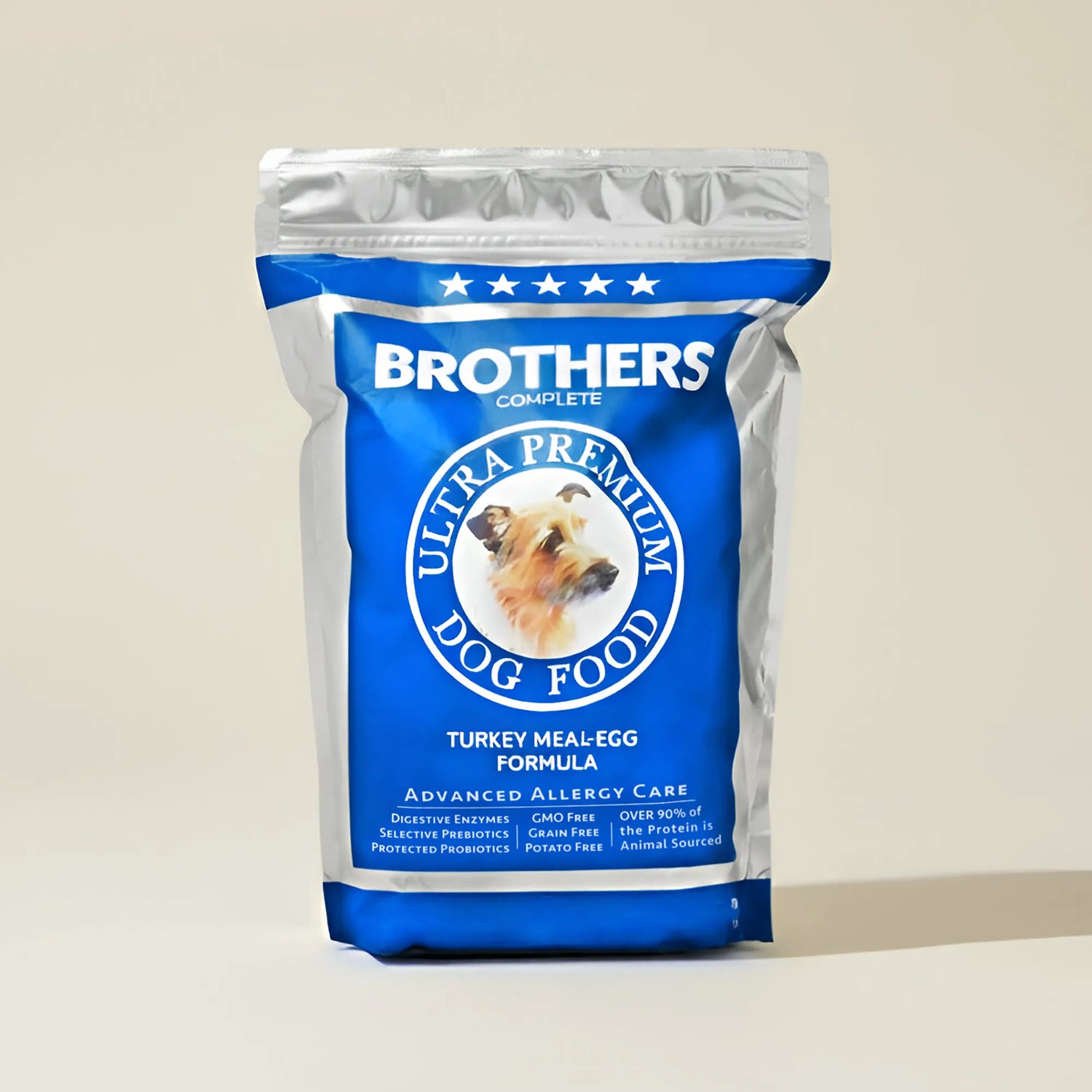
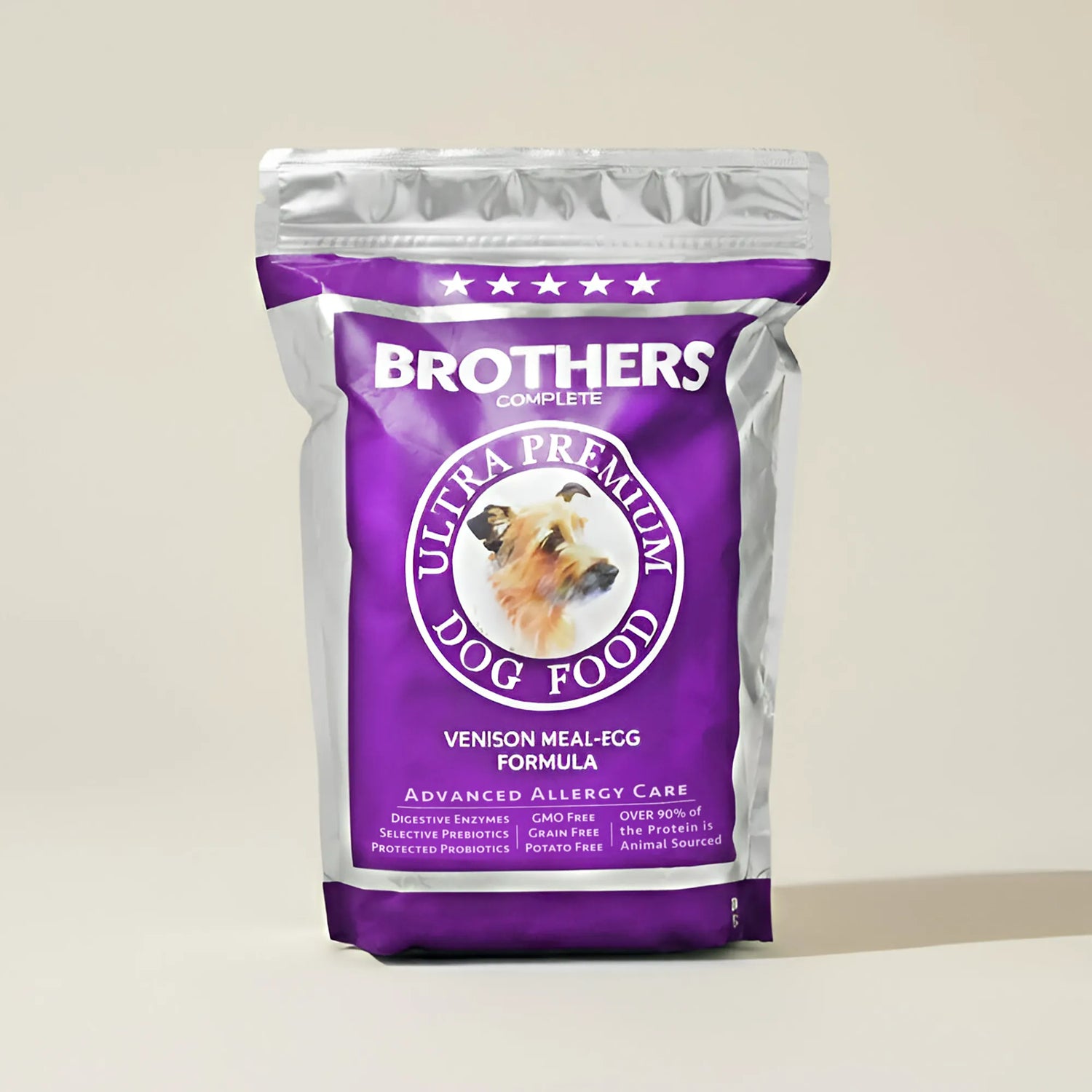
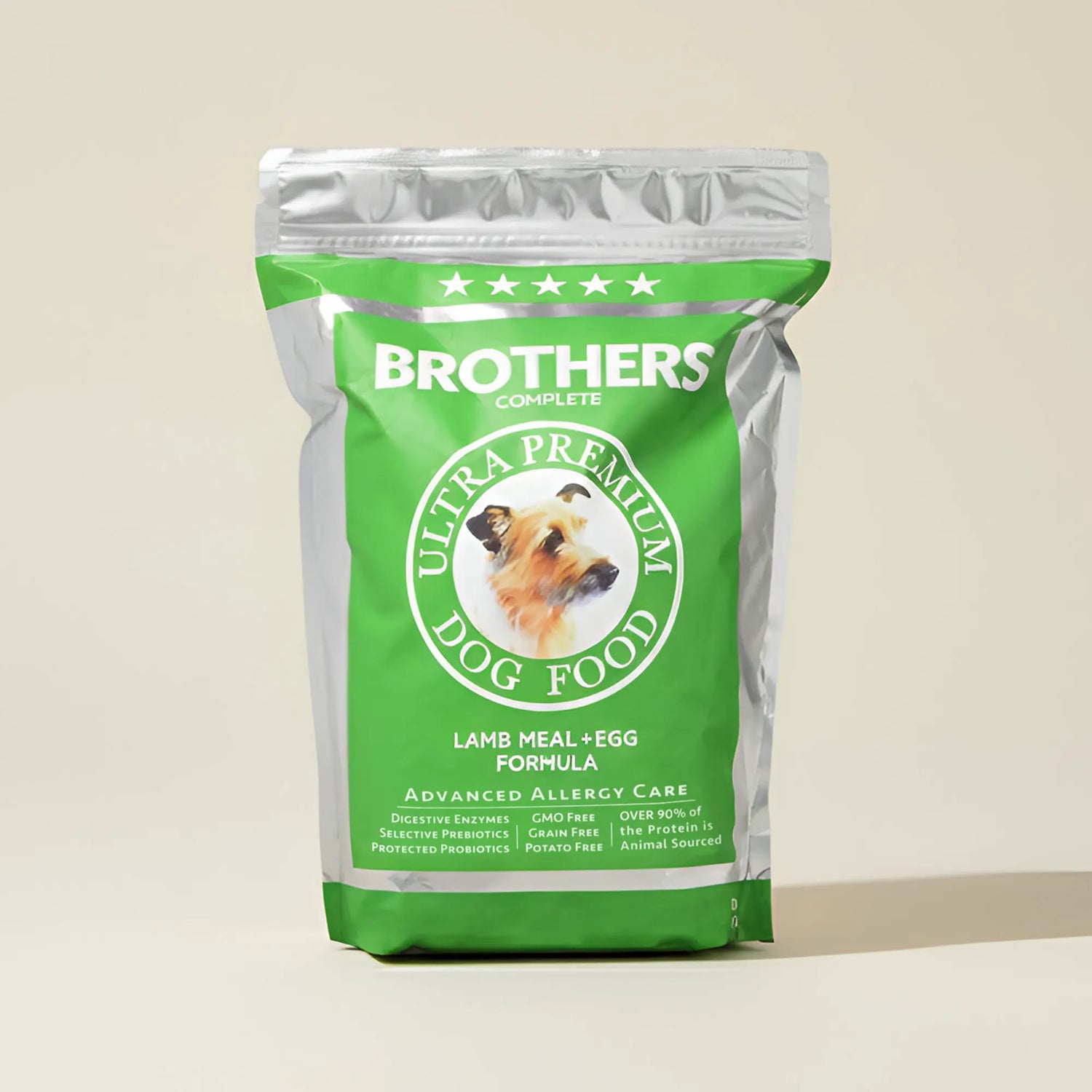
Brothers Dog Food is formulated with all of this in mind: clean, limited ingredients, high digestibility, and real gut support for dogs of all ages, sizes, and sensitivities.
Final Thoughts: One Size Doesn’t Fit All
Poop frequency, size, and consistency are personal to your dog—because digestion is, too.
Whether you have a tiny terrier, a growing pup, or an aging lab, supporting digestion through a balanced diet tailored to their needs can make life easier, cleaner, and more predictable for everyone.
Disclaimer: This post is for educational purposes only and is not a substitute for veterinary advice. Always consult your vet when making changes to your dog’s diet.
Sources
- Dog Food Advisor
- Holista Pet
- Dharamsala Animal Rescue
All life stages, all sizes
One recipe, every stage of life