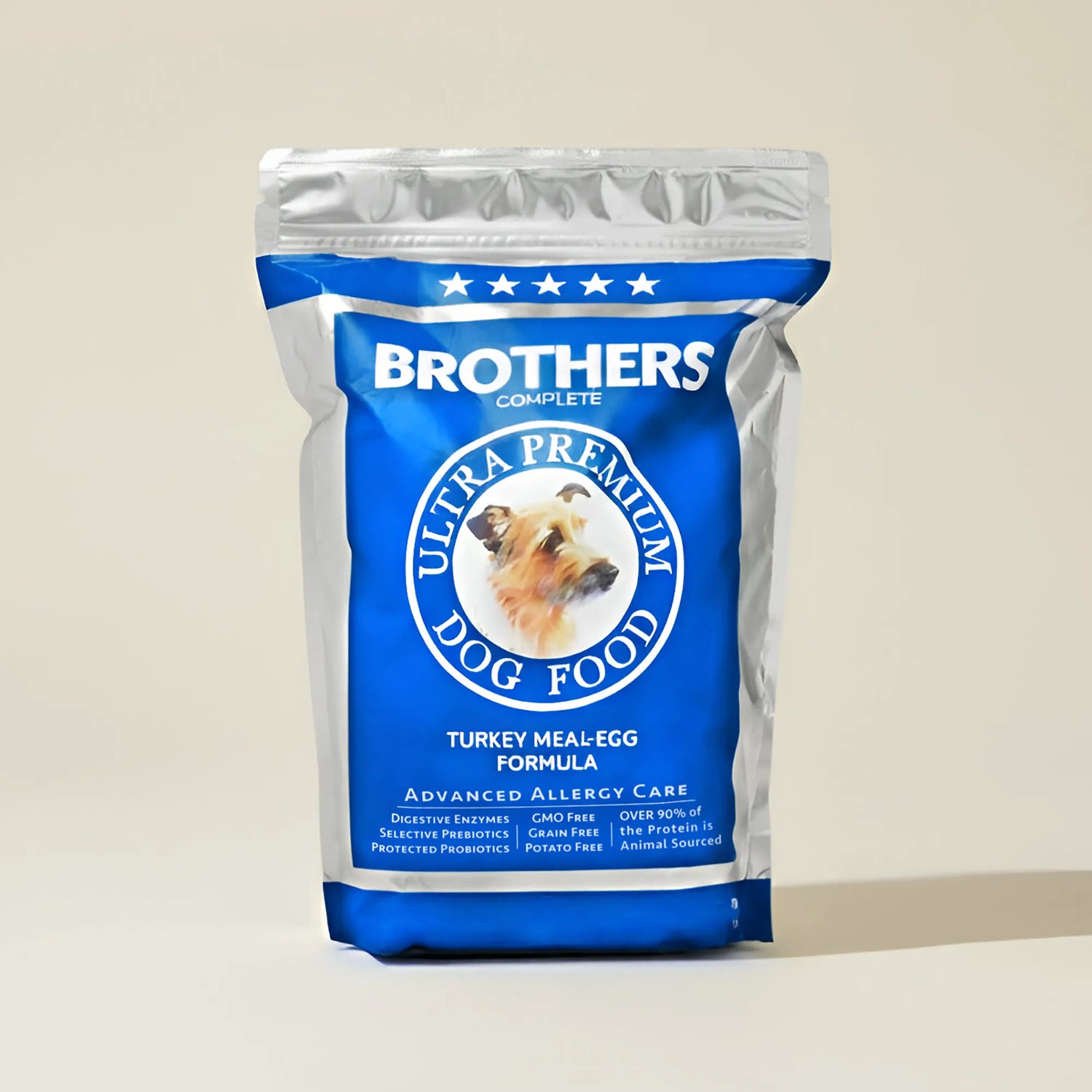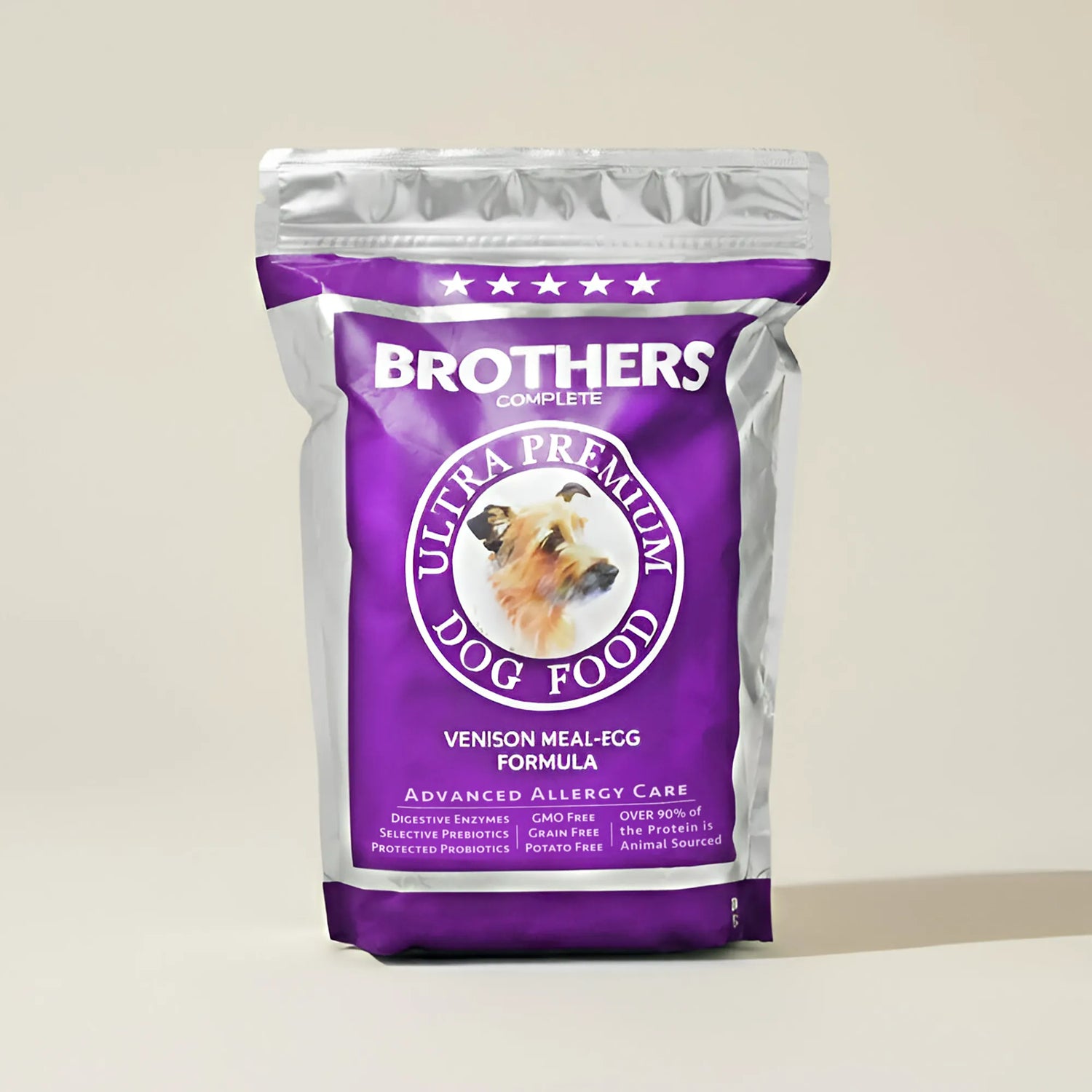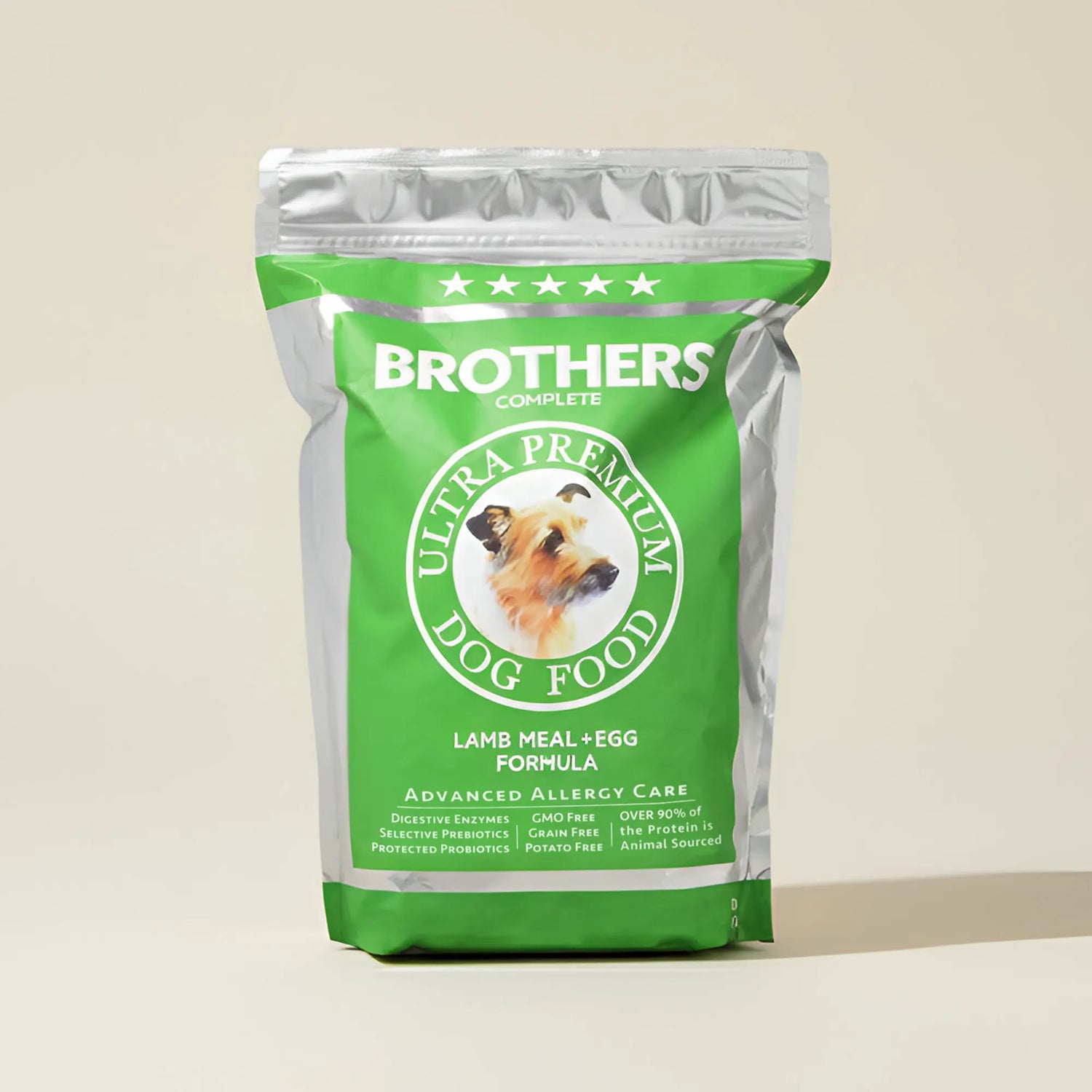


What Your Dog's Poop Color Really Means: A Gut Health Guide
As a devoted pet parent, you've probably found yourself in the awkward position of scrutinizing your dog's poop more than you ever imagined you would. While it's not the most glamorous part of dog ownership, understanding what your dog's stool color communicates is one of the most valuable health monitoring tools you have. Changes in poop color can signal everything from dietary adjustments to serious health concerns that need immediate veterinary attention.
At Brothers Dog Food, we believe in transparency, science-backed nutrition, and educating pet parents to make confident choices. Because gut health drives overall wellness, we've built our formulas around digestive support — and we know that what comes out is just as important as what goes in. Let's break down what different poop colors mean, when to worry, and how nutrition plays a central role in maintaining healthy digestion.
Quick Summary:
- Normal, healthy dog poop is typically chocolate brown, firm but not hard, and formed into logs
- Color changes can indicate diet shifts, digestive issues, or serious medical conditions requiring veterinary care
- Consistent monitoring helps you catch problems early and understand your dog's baseline
- Gut-health-focused nutrition with digestive enzymes and probiotics supports consistent, healthy stool
What Normal, Healthy Dog Poop Looks Like
Before diving into concerning color changes, let's establish the baseline. Healthy dog stool is typically chocolate brown — a color that results from bile produced during digestion combined with bilirubin from broken-down red blood cells. The exact shade can vary slightly based on diet, but it should remain within the brown spectrum.
Beyond color, healthy poop should be:
- Firm but not rock-hard — it should hold its shape but be easy to pick up
- Formed into logs — segmented pieces that indicate proper intestinal transit time
- Moist but not wet — leaves minimal residue on grass
- Free from mucus, blood, or undigested food — indicates complete digestion
Your dog's diet plays a massive role in stool consistency and color. High-quality, easily digestible proteins and balanced fiber sources promote optimal digestive function. That's why we formulated our gut health dog food with digestive enzymes and probiotics — to support complete nutrient breakdown and absorption.
Poop Colors That Signal Potential Problems
While we can't provide specific medical interpretations without veterinary training, it's important to recognize that certain stool colors warrant immediate attention. Any dramatic departure from your dog's normal brown stool — especially black, white, or containing blood — should prompt a same-day call to your veterinarian.
When darker or lighter colors appear, they can indicate issues anywhere along the digestive tract. The location and severity of the problem often correlate with how far the color deviates from normal brown. Changes lasting more than 24 hours or accompanied by other symptoms (vomiting, lethargy, loss of appetite, diarrhea) require professional evaluation.
Dietary factors can sometimes cause temporary color shifts that aren't concerning. For example, dogs who eat large amounts of grass may produce greenish stool temporarily. Foods with strong natural pigments (like beets or blueberries) can tint stool as well. However, these diet-related changes should be temporary and the stool should return to normal brown within a day or two.
The key is knowing your dog's baseline and monitoring for changes. Keep a mental note of your dog's typical stool appearance so you can quickly identify deviations. If you've recently switched foods, expect some temporary variation during the transition period — usually 7-10 days.
Why Gut Health Matters More Than Most Pet Parents Realize
Your dog's digestive system is far more than just a food processing plant — it's the foundation of their entire immune system. Approximately 70% of immune function originates in the gut, which means digestive health directly impacts everything from skin and coat condition to energy levels and disease resistance.
When digestion operates optimally, nutrients are fully absorbed, waste is efficiently eliminated, and the gut microbiome remains balanced. This balance prevents inflammation, supports nutrient utilization, and produces consistent, healthy stool. When something disrupts this system — whether poor-quality ingredients, food sensitivities, stress, or illness — stool changes are often the first visible signal.
This is why we've made gut health our number-one priority at Brothers Dog Food. Our proprietary blend of digestive enzymes helps break down proteins, fats, and carbohydrates completely, while our probiotic strains support a thriving gut microbiome. Together, these elements promote optimal nutrient absorption and consistent, healthy digestion — which translates directly to better stool quality and overall wellness.
Many commercial dog foods cut corners on digestive support, using low-quality ingredients that are harder to digest and fillers that provide bulk without nutrition. The result? Larger stool volumes, inconsistent texture, and increased digestive stress. When you feed premium dog food with gut-focused formulation, you're investing in better nutrient utilization — which means less waste and more nutrition actually reaching your dog's cells.
When to Call Your Veterinarian
Certain stool changes require immediate veterinary attention, while others warrant monitoring and potential dietary adjustment. Here's how to know the difference:
Call your vet immediately if you observe:
- Black, tarry, or sticky stool (can indicate upper GI bleeding)
- Bright red blood or red streaks (can indicate lower GI issues)
- White, gray, or clay-colored stool (can indicate bile production issues)
- Stool changes accompanied by vomiting, lethargy, or loss of appetite
- Diarrhea lasting more than 24 hours or showing signs of dehydration
- Any color change that persists beyond 48 hours
Monitor and potentially adjust diet if you see:
- Slightly softer than normal stool after a food change (give the transition period time)
- Temporary color shifts after eating grass or colorful treats
- Mild digestive upset during stressful periods (travel, boarding, household changes)
- Gradual improvement in stool quality after switching to higher-quality food
Remember: you know your dog best. If something feels off, trust your instincts and consult your veterinarian. It's always better to check and be reassured than to delay and miss something important.
For more guidance on digestive health signs, check out our detailed article on poop problems and what they reveal about gut function.
The Brothers Dog Food Difference
At Brothers Dog Food, we don't just talk about gut health — we've built our entire formula around it. Because we know that optimal digestion is the foundation of lifelong wellness.
Proprietary Digestive Enzyme & Probiotic Blend
Every bag of Brothers contains our carefully formulated blend of digestive enzymes and probiotics. These active ingredients support complete nutrient breakdown and a balanced gut microbiome, promoting consistent, healthy stool and maximum nutrient absorption. This isn't a marketing add-on — it's the cornerstone of our formula.
Premium-Grade, Easily Digestible Proteins
We use only high-quality animal proteins that your dog's system can easily break down and utilize. No mystery meals, no rendered by-products, no fillers disguised as protein. Just real, named meat sources that provide complete amino acid profiles and support lean muscle mass.
No Corn, Wheat, Soy, or Artificial Additives
These common fillers and allergens create digestive stress for many dogs, leading to inflammation, food sensitivities, and inconsistent stool. We've eliminated them entirely, focusing instead on nutrient-dense, species-appropriate ingredients that support rather than challenge your dog's digestive system. Learn more about our approach in our white paper.
Small-Batch Manufacturing & Complete Transparency
We produce Brothers in small batches, allowing for strict quality control and ingredient verification. Every bag meets AAFCO standards for complete and balanced nutrition, and we're completely transparent about what goes into our formula — and why. No marketing spin, no hidden ingredients, no compromises.
How Gut-Focused Nutrition Supports Long-Term Health
When you prioritize digestive wellness through high-quality, gut-health-focused nutrition, the benefits extend far beyond just better poop. Here's what optimal gut function supports:
- Stronger immune function – A balanced gut microbiome helps defend against pathogens and supports appropriate immune responses
- Better nutrient absorption – Complete digestion means more vitamins, minerals, and amino acids actually reach your dog's cells
- Reduced inflammation – When digestion operates smoothly, systemic inflammation decreases throughout the body
- Healthier skin and coat – Proper fat digestion and nutrient absorption directly impact skin health and coat shine
- Consistent energy levels – Efficient nutrient utilization provides stable energy rather than blood sugar spikes and crashes
- Weight management support – Better satiety and nutrient density means your dog feels satisfied with appropriate portions
- Reduced allergy symptoms – Many food sensitivities stem from gut inflammation and leaky gut, which gut-focused nutrition can help address
These aren't just marketing claims — they're the natural result of feeding a diet formulated around digestive optimization rather than cost reduction.
Final Thoughts: Poop Is a Window Into Your Dog's Health
It might not be the most pleasant topic, but monitoring your dog's stool is one of the simplest, most effective ways to track their digestive health. Changes in color, consistency, and frequency tell you when something's off — often before more serious symptoms appear. By understanding what's normal for your dog and recognizing potential warning signs, you're equipped to respond quickly when issues arise.
But the best approach isn't just reacting to problems — it's preventing them through proactive, gut-health-focused nutrition. When you feed a formula built around digestive optimization, with premium proteins, beneficial enzymes, and supportive probiotics, you're giving your dog's system the tools it needs to function optimally every single day.
At Brothers Dog Food, we're committed to transparency, science-backed nutrition, and results you can see — right there in your dog's consistent, healthy stool. Because when digestion works the way it should, everything else falls into place.
Because more healthy years with your best friend? That's always the goal.
Sources
Due to the medical nature of stool color interpretations requiring veterinary diagnosis, this article focuses on general monitoring guidance rather than specific diagnostic claims. Pet parents should always consult their veterinarian for any concerning stool changes or health symptoms.
For additional gut health information:
- Brothers Dog Food gut health resources: https://brothersdogfood.com/pages/gut-check
- Brothers Dog Food digestive enzyme research: https://brothersdogfood.com/blogs/inside-scoop/digestive-enzymes-essential-for-dogs-overall-health
Written by Brothers Dog Food, LLC
Gut-first nutrition since 2009
What comes out reflects what goes in

Share