


Best Dog Food for Dachshunds


Dachshunds are charming, tenacious, and built like no other breed. Their distinctive long-spine, short-leg silhouette comes with a health vulnerability that every Dachshund owner needs to understand before they choose a food. Intervertebral Disc Disease (IVDD) affects up to 25% of all Dachshunds over their lifetime. It is the leading cause of paralysis and one of the most common reasons Dachshunds undergo emergency surgery. And while IVDD has a genetic foundation, body weight is the single most modifiable risk factor — one that every bowl of food either improves or worsens.
Feeding a Dachshund well means feeding for a healthy spine, not just a full stomach. That requires genuine weight management nutrition, not a vague ‘weight control’ label claim: high-quality protein to preserve lean muscle, appropriate calorie density to prevent the extra pounds that compress discs, and ingredients that support long-term joint and connective tissue health. Brothers Dog Food is built around exactly those priorities.
Why Brothers Dog Food is a great option for Dachshunds:
- Supports weight management with appropriate calorie density and high-quality protein that preserves lean muscle while reducing the fat load that compresses Dachshund discs
- Omega-3 fatty acids (DHA) support spinal disc and joint health, reducing the inflammatory response that drives IVDD pain and progression
- High-quality named animal protein maintains the lean, muscular build that keeps a Dachshund mobile and structurally supported without the caloric excess that causes weight gain
- Highly digestible ingredients minimize GI upset and sensitive stomach symptoms that are common in a breed with a long, often food-reactive digestive tract
- No artificial preservatives, dyes, or fillers that add unnecessary inflammatory burden to a breed managing chronic musculoskeletal and digestive sensitivities
- Made in the USA with consistent domestic sourcing — formula consistency that matters for a sensitive breed on long-term weight management protocols
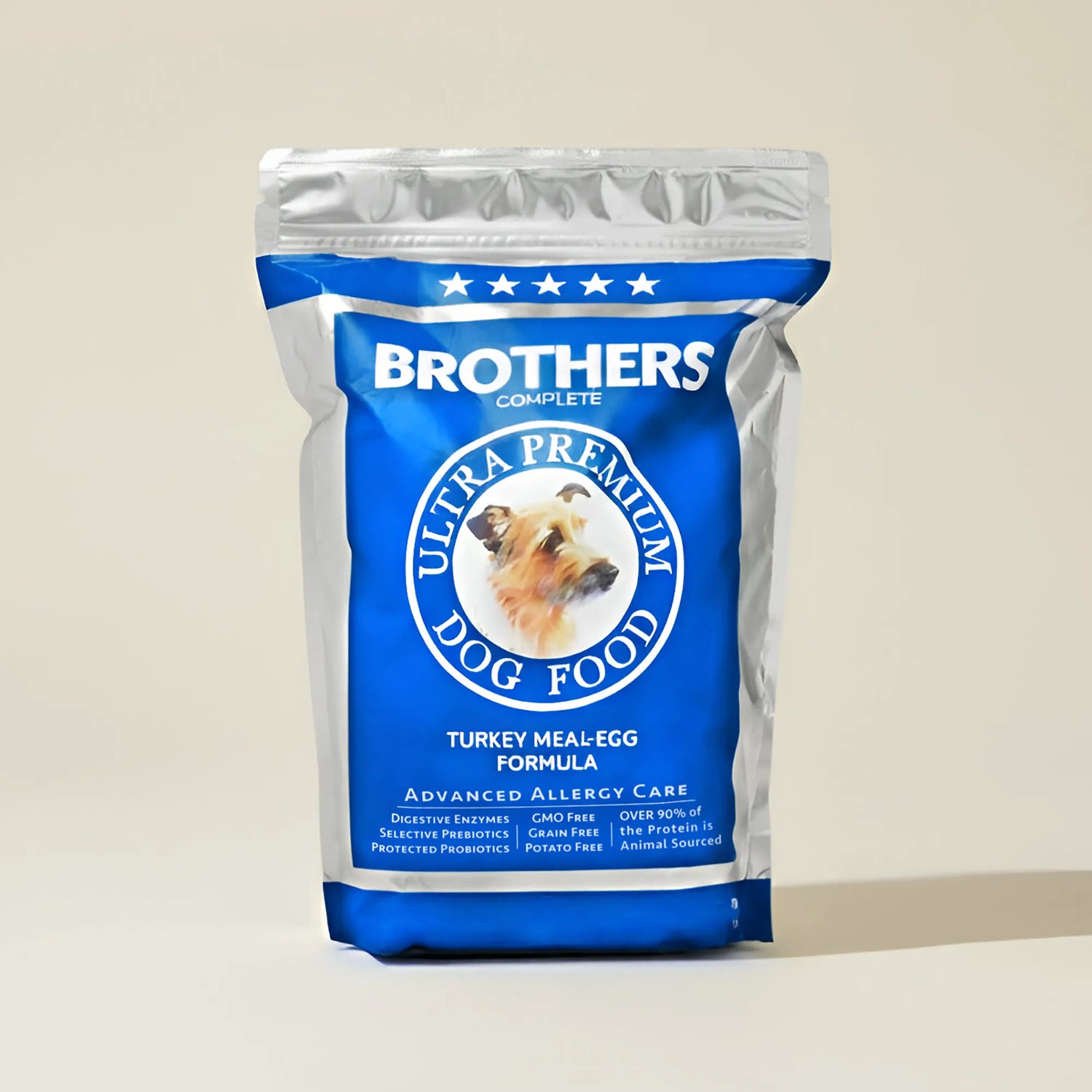
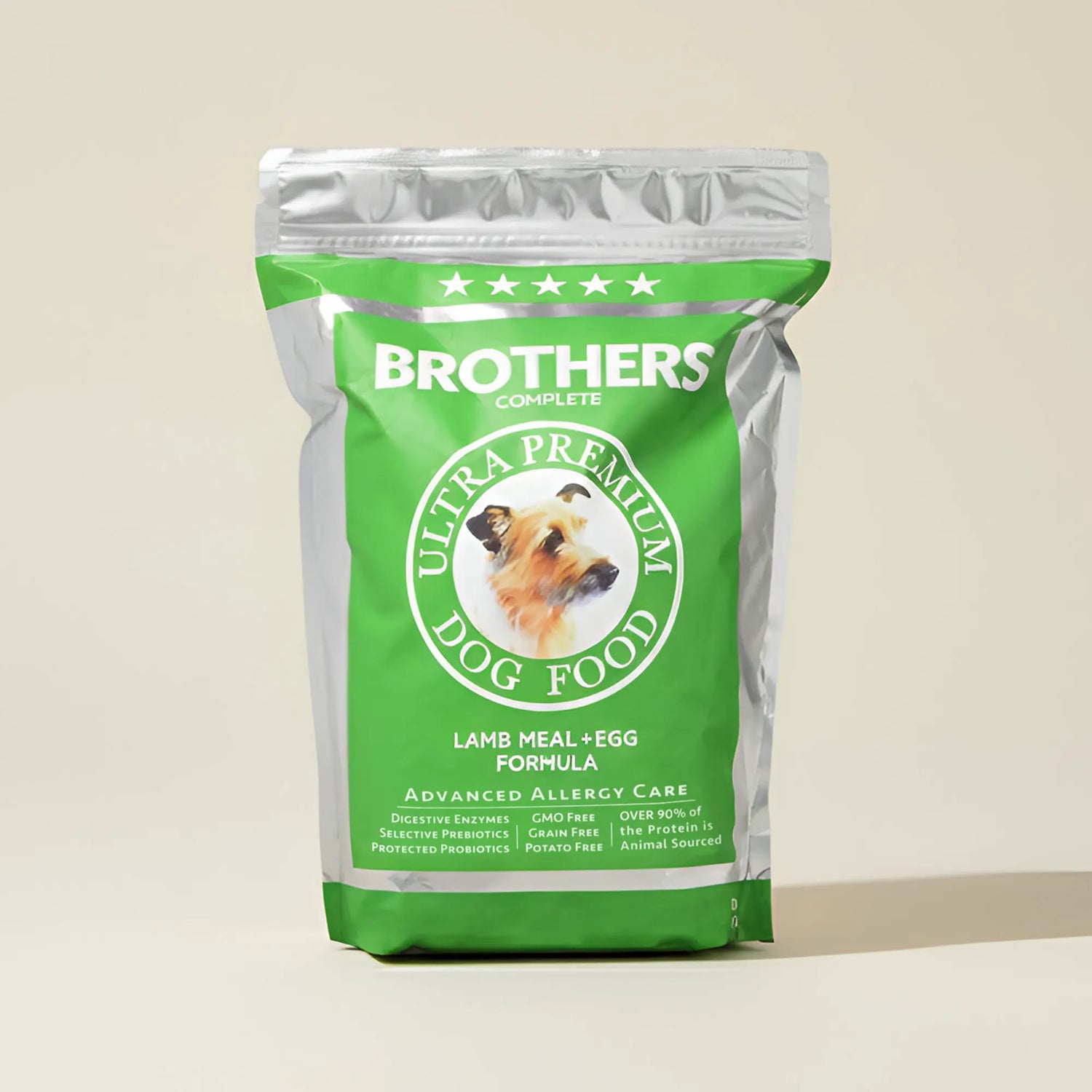
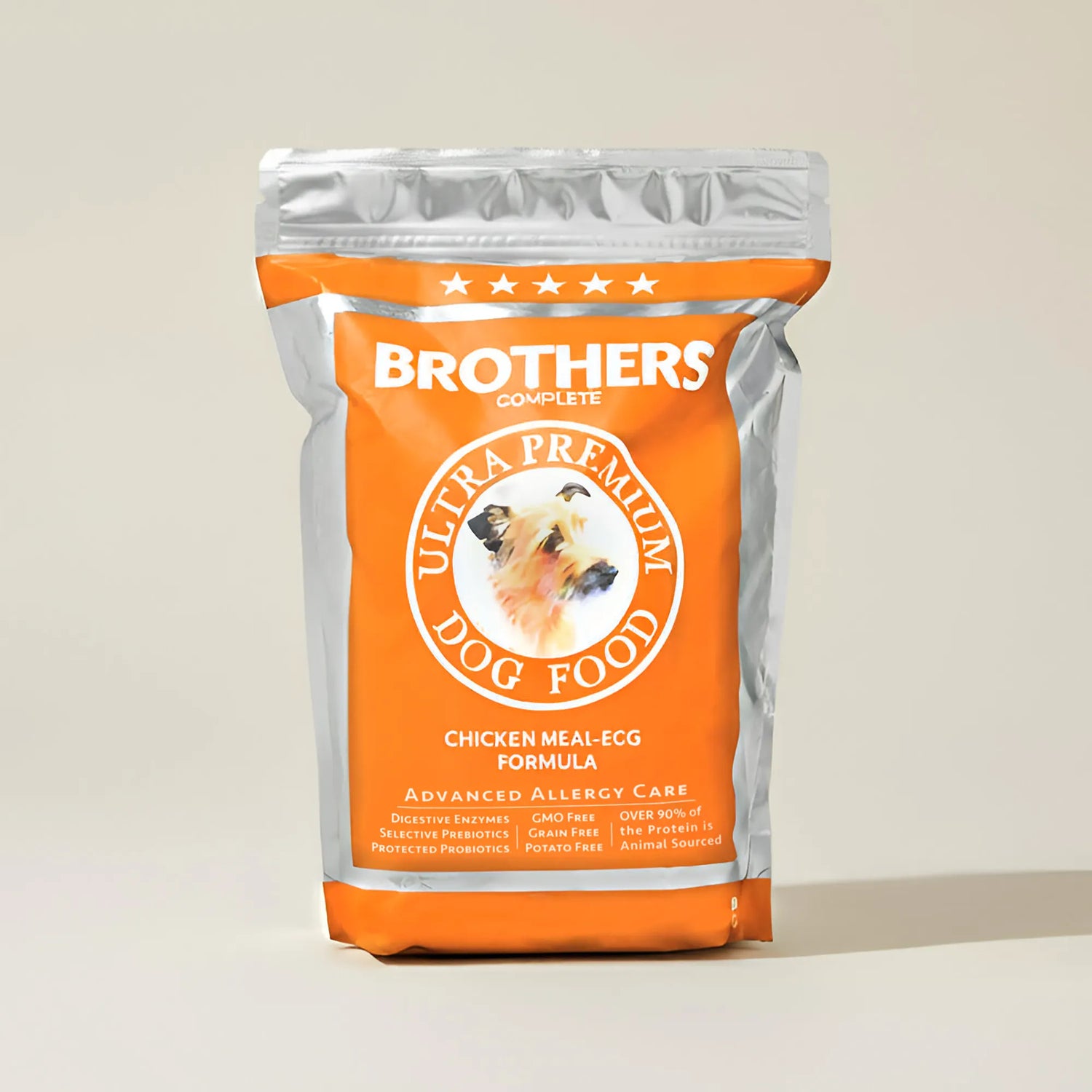
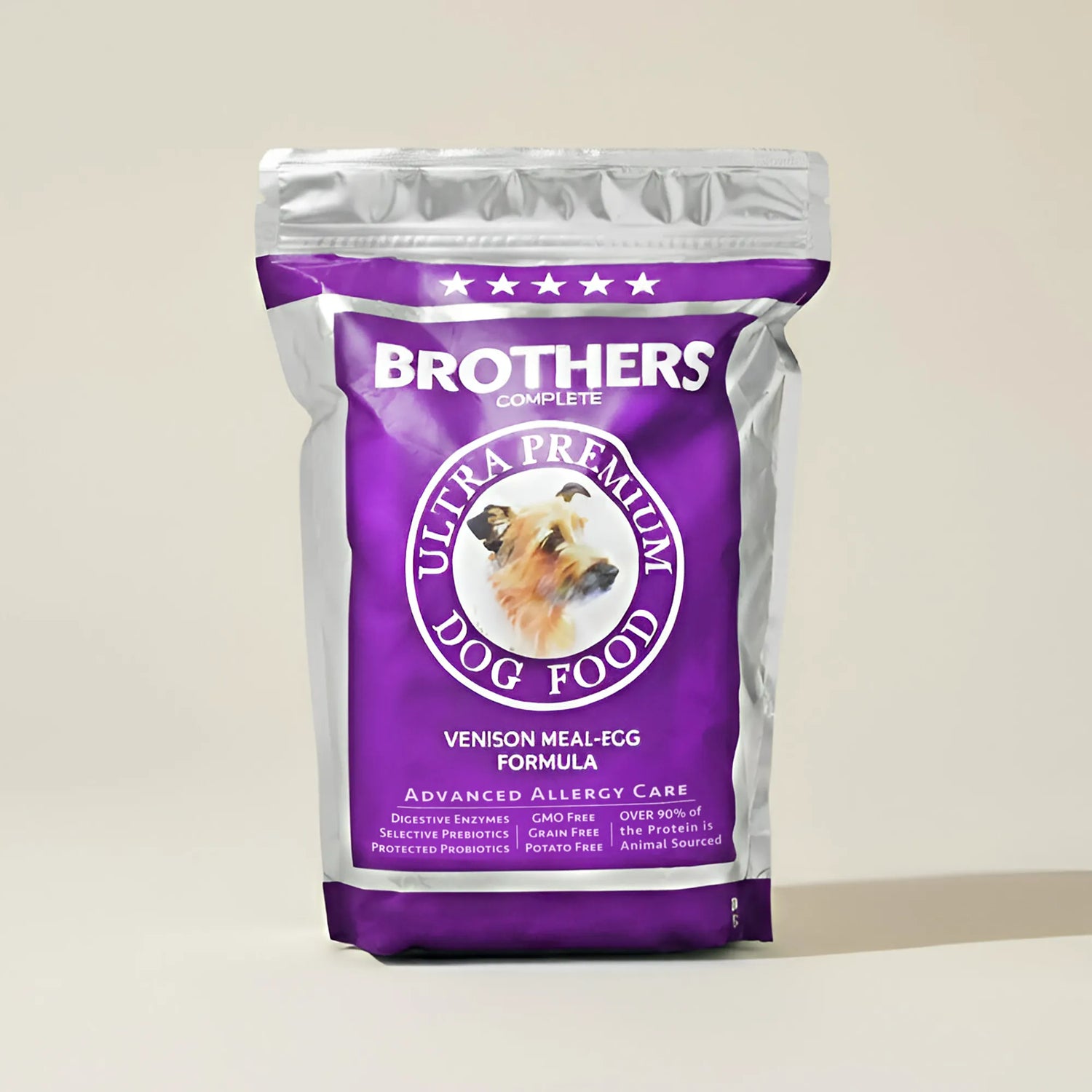
How Brothers Is Different From Other Dachshund Dog Food
Most dog food, including formulas marketed for small breeds, is built around palatability and convenience rather than the orthopedic and metabolic realities of a Dachshund’s body. For a breed where excess weight directly accelerates spinal disc degeneration, the difference between a genuinely weight-appropriate formula and a calorie-dense one isn’t cosmetic. It’s clinical.
What most dog food for Dachshunds relies on:
- Calorie-dense formulas that systematically overfeed a small breed already prone to weight gain, adding disc-compressing load with every meal
- Plant-based protein fillers that inflate crude protein percentages without delivering the amino acid density needed to maintain lean muscle mass
- Generic ‘weight control’ claims without the genuine protein-to-calorie ratio that actually preserves muscle while reducing fat
- Artificial additives and preservatives that compound inflammatory burden in a breed managing chronic musculoskeletal and digestive sensitivities
What sets Brothers apart:
- Named animal protein first: chicken meal, turkey meal, lamb meal, or venison meal for complete amino acids, genuine satiety, and lean muscle preservation
- Appropriate calorie density for a small to medium breed that gains weight easily and for whom every extra pound carries orthopedic consequences
- Marine omega-3s at meaningful levels for disc and joint anti-inflammatory support — not a trace addition to support a label claim
- Short, clean ingredient deck free of artificial additives and high-glycemic fillers that drive weight gain and systemic inflammation
IVDD and Back Health: The #1 Dietary Priority for Dachshunds
Intervertebral Disc Disease (IVDD) is the defining health condition of the Dachshund breed. Their elongated spine, bred for navigating underground burrows, creates structural vulnerability: the intervertebral discs that cushion each spinal segment undergo premature calcification (chondrodystrophy) in Dachshunds, making them prone to herniation under load. When a disc ruptures, it can compress the spinal cord, causing pain, weakness, and in severe cases, paralysis. Up to 25% of Dachshunds will experience a clinically significant IVDD episode in their lifetime.
Body weight is the most controllable variable in IVDD risk. Every pound above a healthy weight adds compressive force to already-vulnerable disc spaces. A Dachshund that is even two pounds overweight is carrying meaningfully greater disc load with every step, jump, and stair climb. Veterinary neurologists consistently identify weight management as the primary preventive intervention available to Dachshund owners, and that intervention lives entirely in the food bowl.
Warning signs that may indicate disc involvement in your Dachshund:
- Reluctance to jump or climb stairs — a normally active Dachshund avoiding activities they previously had no problem with
- Crying out or yelping when picked up, touched along the back, or moving unexpectedly
- Hunched posture or lowered head indicating pain or guarding along the cervical or thoracolumbar spine
- Wobbling, weakness, or dragging of the rear legs — neurological signs that require immediate veterinary evaluation
Any neurological signs in a Dachshund are a veterinary emergency. Preventively, maintaining a healthy body weight through a balanced-calorie diet is the most impactful long-term spine-protection strategy available, and it starts with every meal.
Weight Management: Why Every Pound Matters for a Dachshund
Dachshunds are notoriously prone to obesity. Their food motivation, small size, and tendency to be carried rather than walked creates the conditions for systematic overfeeding. A Dachshund at ideal body weight for their frame (Standard: 16 to 32 lbs; Miniature: under 11 lbs) has measurably better IVDD outcomes, better mobility, and longer life expectancy than an overweight counterpart. The margin matters: even one to two extra pounds on a miniature Dachshund represents 10 to 20% above ideal body weight.
Effective Dachshund weight management requires a formula with genuine protein-led satiety, not a ‘light’ version of a mediocre food with calories removed. High-quality animal protein preserves lean muscle mass during weight loss while fat is reduced, which keeps a Dachshund strong and mobile. Measured twice-daily feeding (never free feeding), portion control by weight rather than cup volume, and active body condition monitoring every two weeks are the non-negotiable management practices for a breed this structurally vulnerable to excess weight.

Brothers Breeder Program
Breeder Program (For Dachshund Breeders)
Brothers Dog Food proudly partners with Dachshund breeders committed to producing healthy, well-nourished dogs. Our Breeder Program is built for professionals who understand that nutrition is the foundation of every healthy litter and every long-lived companion.
Dachshund breeders interested in the Brothers Breeder Program can apply through the Brothers Breeder Program page or contact our team directly. We have active partnerships with breeders across the United States.
Why Dachshund Parents Choose Brothers Dog Food
Dachshund owners choose Brothers because it supports:
- Spinal and disc health through weight management nutrition that reduces the compressive load a Dachshund’s vulnerable spine carries every day
- Lean muscle maintenance with high-quality animal protein that preserves strength and mobility, essential for a breed that needs its core and back musculature strong
- Joint and inflammatory support through marine omega-3s that reduce disc inflammation and slow the degenerative progression of IVDD
- Digestive comfort and consistent stools — no more sensitive stomach episodes or GI flare-ups from artificial additives or hard-to-digest fillers
- Weight and portion control confidence from a formula with appropriate calorie density and a clean label Dachshund owners can actually trust
- Great taste — Dachshunds are enthusiastic, food-motivated eaters, and Brothers consistently earns the breed’s approval
Shop Brothers Dog Food for Dachshunds
Long body. Big IVDD risk. Food that finally takes both seriously.
FAQs
Dachshunds do best with a high-quality, moderately calorie-dense formula with named animal protein as the first ingredient — one that supports lean muscle while managing the weight gain that directly worsens IVDD risk. Marine omega-3s for disc and joint support and a clean, digestible ingredient deck are the other priorities. Brothers delivers all three: genuine protein density, appropriate calorie control, and omega-3 content that supports the orthopedic health this breed needs.
For a Dachshund with IVDD or a history of back problems, the dietary priority is twofold: maintain or achieve a healthy body weight to reduce disc compression, and provide meaningful omega-3 (EPA/DHA) intake to reduce spinal inflammation. A high-protein, moderate-calorie formula with marine-sourced omega-3s addresses both goals. Avoid high-calorie, high-fat formulas that promote weight gain, and never free-feed. Measured twice-daily portions are the standard of care for weight management in IVDD-risk dogs. Always consult a veterinarian for recommendations for your specific pet.
Standard Dachshunds (16–32 lbs at healthy weight) typically need 700–1,000 calories per day; Miniature Dachshunds (under 11 lbs) need 350–500 calories. These are starting points. Individual metabolic rates vary significantly and many Dachshunds thrive on less than bag guidelines suggest. Measure every meal by weight, not cup volume. Check body condition score every two weeks: a healthy Dachshund should have a visible waist tuck from above and ribs palpable with light pressure. Adjust portions based on what you observe, not what the bag recommends.
The core dietary principles — high-quality protein, appropriate calorie density, omega-3 support, clean ingredients — apply to both. The practical difference is portion size and kibble format. Miniature Dachshunds at under 11 pounds have very small caloric budgets; even minor overfeeding rapidly translates to weight gain with disproportionate spinal consequences. A Miniature Dachshund that is one pound overweight may be nearly 10% above ideal body weight. Both sizes benefit from the same weight-management-first dietary philosophy, just scaled accordingly.
Sensitive digestion is a common Dachshund complaint. Loose stools, intermittent vomiting, and GI sensitivity are frequently reported across the breed. Highly digestible single-protein formulas with clean carbohydrate sources and no artificial additives form the dietary foundation for a stable Dachshund gut. Consistency matters as much as formula quality: Dachshunds react poorly to frequent food changes. Once a formula is working, maintain it. Transition any new food over 7 to 10 days minimum and avoid introducing new treats or supplements simultaneously.

We are a premium dog food brand founded on the gut-immune connection - balancing protein quality, low glycemic carbs, and gut support - made by a family who’s dedicated their lives to solving chronic canine health problems.
We are a premium dog food brand founded on the gut-immune connection - balancing protein quality, low glycemic carbs, and gut support - made by a family who’s dedicated their lives to solving chronic canine health problems.