


Best Dog Food for Schnauzers


Whether you share your home with a spirited Miniature Schnauzer, a steady Standard, or a commanding Giant, one thing is consistent across the breed: Schnauzers have specific, clinically important nutritional needs that generic dog food simply isn't designed to meet. Prone to pancreatitis, hyperlipidemia, and digestive sensitivity, Schnauzers aren't just picky, they're a breed where the wrong food can cause real health consequences. The right food isn't optional. It's essential.
Why Brothers Dog Food Is a Great Option for Schnauzers
- Supports pancreas health with clean, nutrient-efficient ingredients, critical for a breed prone to pancreatitis
- Avoids the heavy fat loads found in many dog foods that can trigger hyperlipidemia in Miniature Schnauzers
- Promotes healthy digestion and gut balance for a breed with consistently sensitive stomachs
- Supports skin health, including the coat and skin conditions common in Schnauzers
- Helps manage weight for a breed that gains easily, especially Miniatures
- High-quality protein to maintain lean muscle across all three size variants
- Made without unnecessary fillers and artificial additives that can aggravate digestive sensitivity
If you're searching for the best food for Schnauzers: Mini, Standard, or Giant, Brothers is designed with the digestive and metabolic demands of this breed in mind.
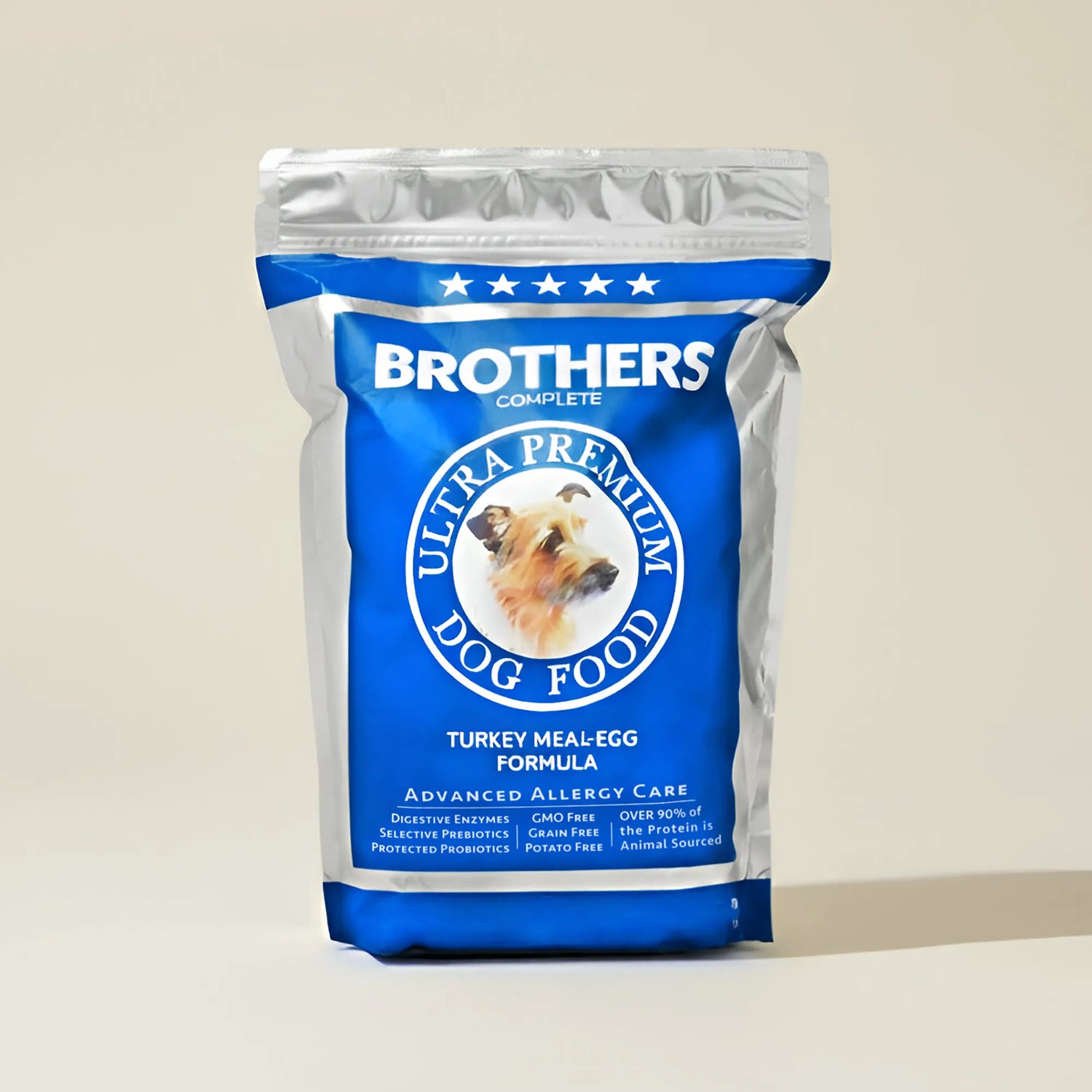
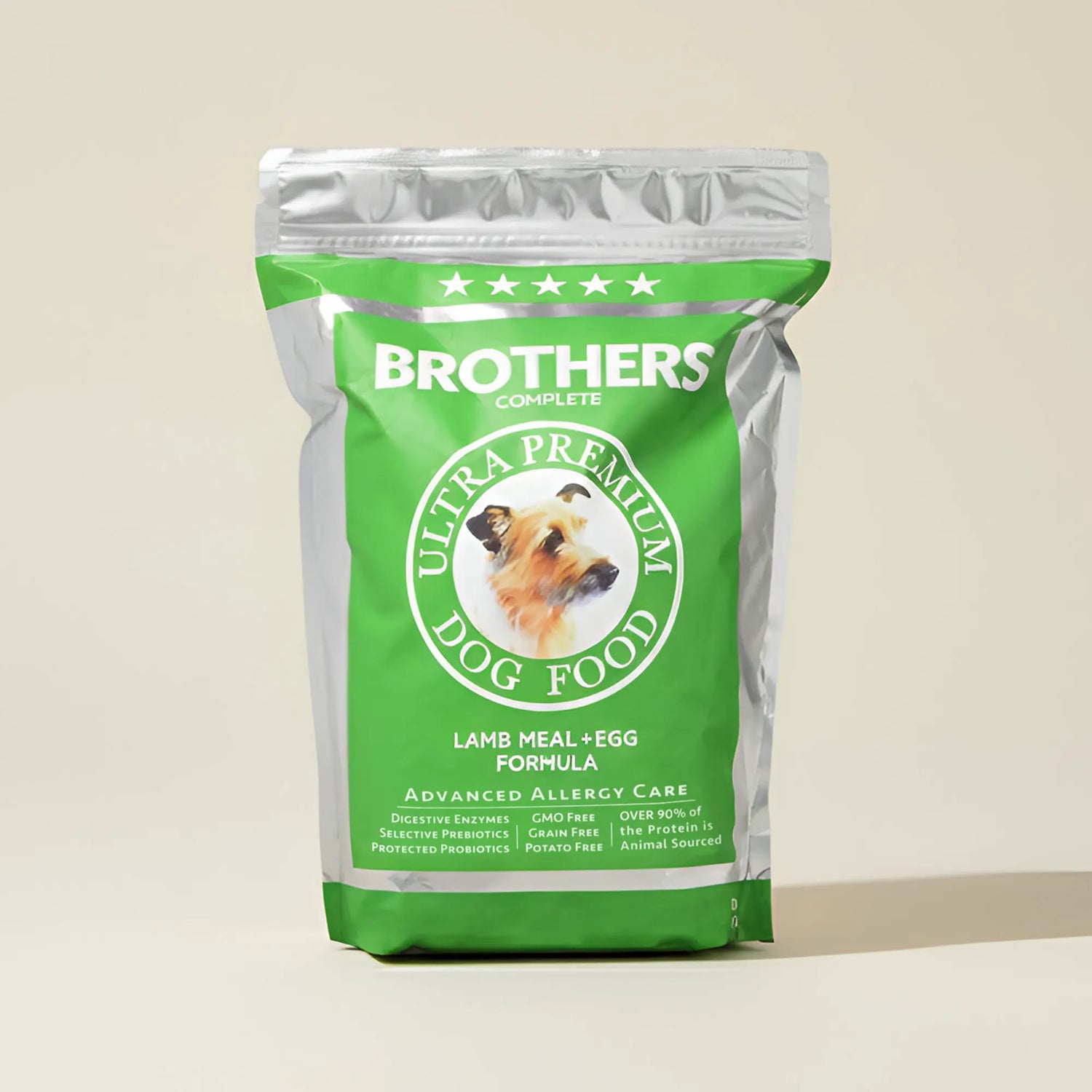
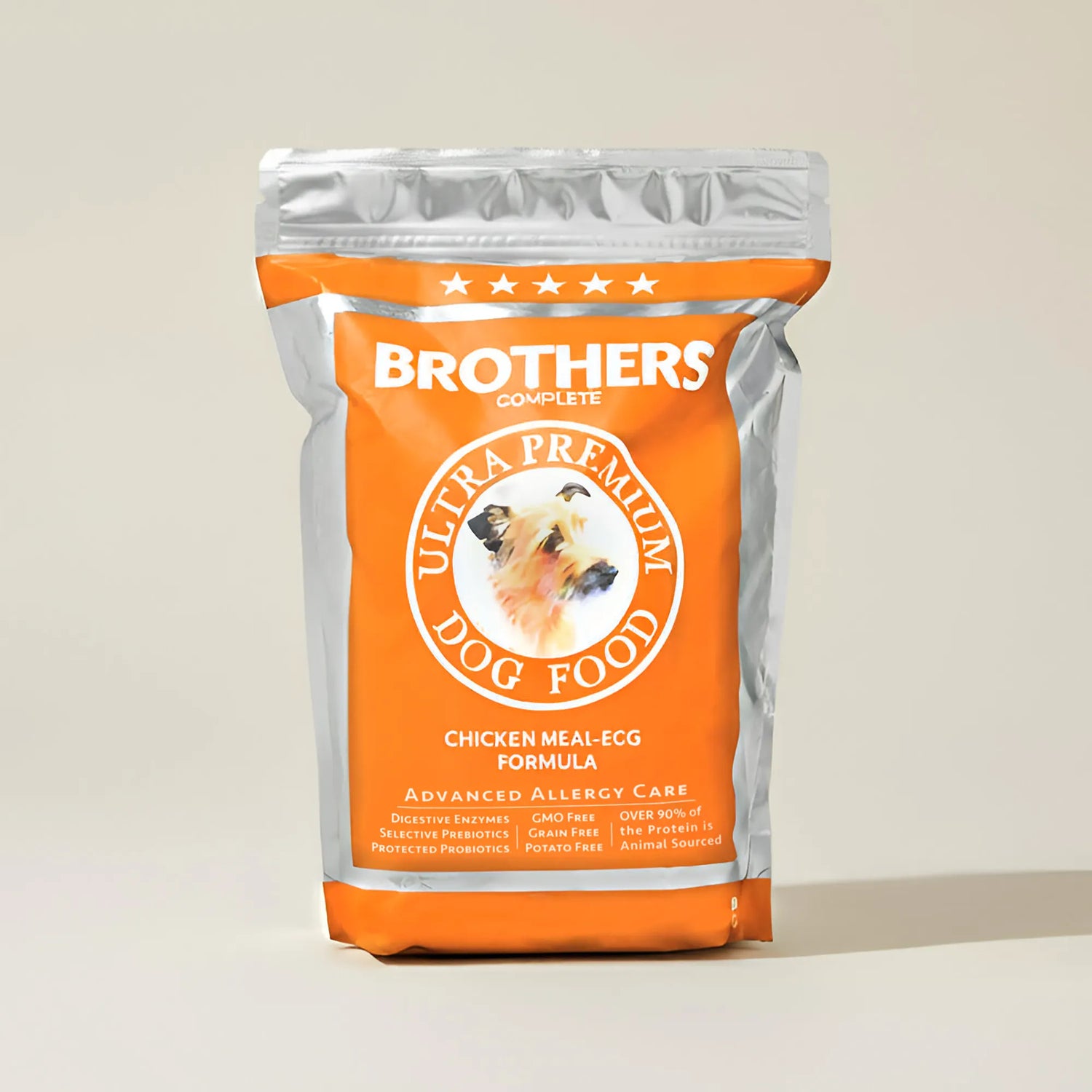
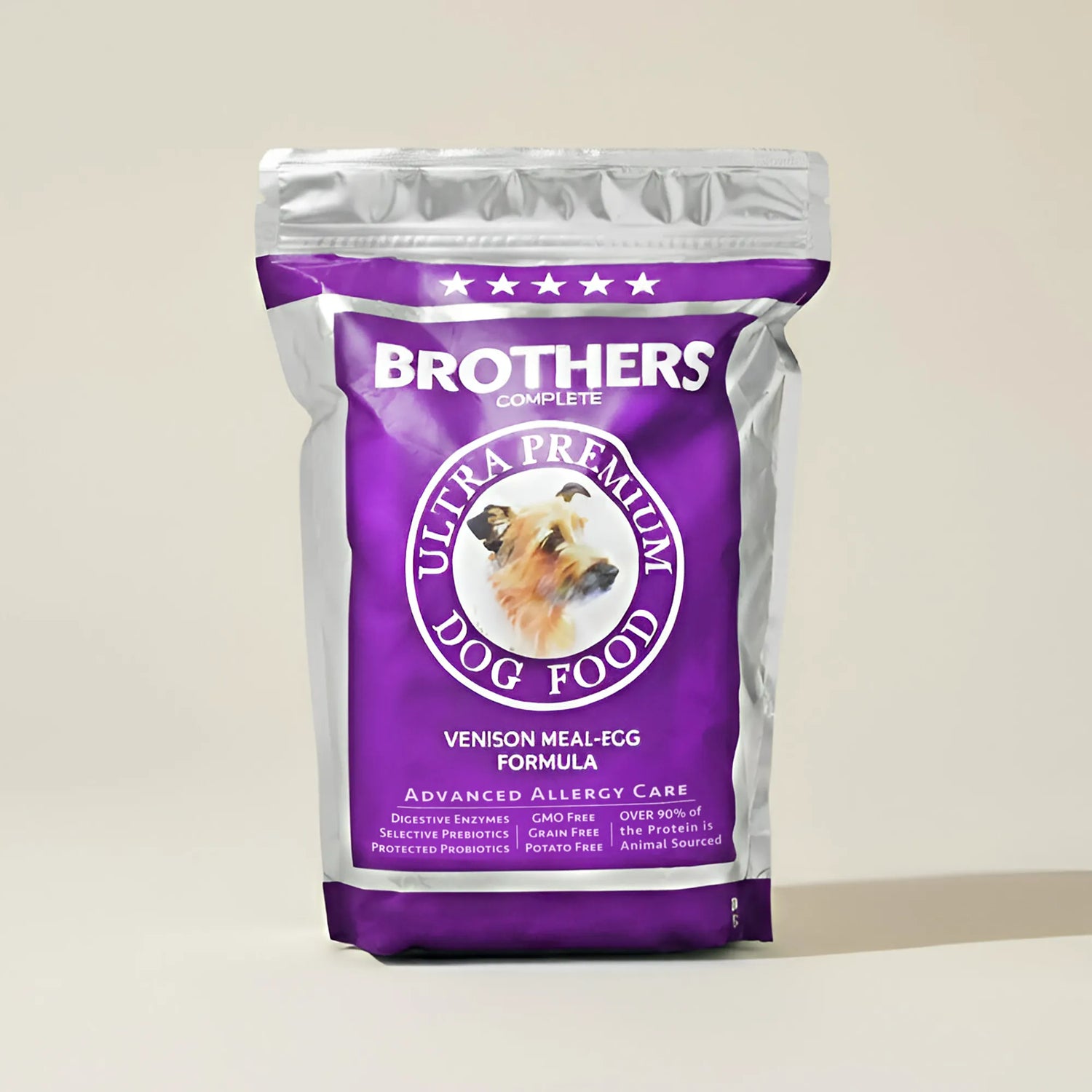
How Brothers Is Different From Other Schnauzer Dog Food
Many dog foods, even breed-specific formulas, are built around palatability and shelf appeal rather than the metabolic realities of a Schnauzer's body. For a breed where high dietary fat can directly trigger a painful medical episode, that gap is more than a marketing problem.
What most dog food for Schnauzers relies on:
- High fat content that looks appealing but elevates blood triglycerides in fat-sensitive breeds
- Calorie-dense formulas that contribute to the weight gain and metabolic strain Schnauzers are prone to
- Generic protein meals and fillers that place unnecessary digestive burden on a sensitive gut
- Artificial preservatives and additives that can worsen skin conditions and digestive reactivity
Brothers focuses on nutrient efficiency, digestibility, and ingredient quality—the three pillars that matter most for a breed with Schnauzer-specific health risks.
What sets Brothers apart:
- Cleaner fat profile that won't overload the pancreas or spike triglycerides
- High digestibility that means less gut strain and more consistent stools
- Appropriate calorie density for a breed that gains weight easily
- Better gut health support that impacts skin, coat, and immune function
For Schnauzer owners who've watched their dog suffer through a pancreatitis episode or a chronic digestive flare-up, ingredient quality isn't a preference, it's a health decision.
Pancreatitis and Hyperlipidemia: The #1 Dietary Priority for Schnauzers
Miniature Schnauzers are one of the breeds most at risk for idiopathic hyperlipidemia, an inherited condition where blood triglycerides and cholesterol run abnormally high. Elevated blood fat is a primary trigger for pancreatitis, a painful and potentially life-threatening inflammation of the pancreas. For Schnauzers, dietary fat isn't just a calorie concern, it's a clinical one.
Warning signs of pancreatitis in Schnauzers include:
- Vomiting or repeated retching, especially after a high-fat meal
- Hunched posture or abdominal pain: a dog reluctant to move or stretch out
- Loss of appetite and lethargy after eating
- Diarrhea or greasy stools indicating poor fat digestion
Veterinarians frequently recommend a consistent low-to-moderate fat diet as the primary prevention strategy for Schnauzers with hyperlipidemia or a history of pancreatitis. That means avoiding calorie-dense, high-fat formulas, and choosing food where ingredient quality and fat content are thoughtfully controlled. Brothers' focus on nutrient efficiency and clean ingredients aligns directly with this dietary priority.
Skin Health & Schnauzer Comedo Syndrome
Schnauzer Comedo Syndrome, sometimes called "Schnauzer bumps", is a skin condition unique to the breed, causing blackhead-like lesions along the back. While it has a genetic component, diet and gut health play a meaningful role in how severely it presents and how easily it's managed. Schnauzers are also prone to broader skin sensitivities and food-related coat changes that respond well to improved nutrition.
Signs that diet may be affecting your Schnauzer's skin and coat:
- Dull, dry, or brittle coat indicating poor fatty acid absorption
- Excessive shedding or flaky skin beyond normal breed baseline
- Itching or recurring hot spots suggesting food sensitivity involvement
- Worsening skin bumps or lesions that improve with dietary changes
Food that supports gut health, delivers bioavailable nutrients, and avoids unnecessary inflammatory ingredients gives a Schnauzer's skin and coat the best possible nutritional foundation, and can meaningfully reduce the severity of breed-specific skin conditions.
Feeding Miniature, Standard, and Giant Schnauzers: What Changes and What Stays the Same
All three Schnauzer variants share the breed's core metabolic sensitivities: the pancreatitis risk, the digestive sensitivity, and the skin predispositions are consistent across Mini, Standard, and Giant. What changes with size is primarily portion volume, calorie needs, and joint load.
Miniature Schnauzers (12–20 lbs):
- Highest risk for hyperlipidemia and pancreatitis: fat content is the priority concern
- Prone to weight gain; small portions of nutrient-dense, calorie-controlled food work best
- Most commonly affected by Schnauzer Comedo Syndrome and urinary stone formation
Standard Schnauzers (30–50 lbs):
- Active, working-dog energy needs: protein quality matters for maintaining lean muscle
- Digestive sensitivity and fat metabolism concerns carry over from the Mini
- Moderate calorie needs; prone to weight gain without regular exercise
Giant Schnauzers (55–85 lbs):
- Joint health becomes a priority alongside gut health: more weight means more joint load
- Higher protein requirements to support a powerful, muscular frame
- Pancreas and fat sensitivity still present: same breed, same dietary principles, larger portions
Brothers' commitment to nutrient efficiency and clean ingredients applies across all three sizes. The core dietary philosophy: high quality, high digestibility, clean fat profile serves every Schnauzer well.

Brothers Breeder Program
Breeder Program (For Schnauzer Breeders)
Schnauzer breeders are well aware of their breed's health sensitivities, and the right food recommendation to new puppy families can shape a dog's long-term health outcomes. Starting puppies on clean, digestible, appropriately fat-conscious food builds healthy habits and may reduce the likelihood of pancreatitis and hyperlipidemia presenting later in life.
The Brothers Breeder Program offers:
- Exclusive breeder pricing and benefits
- A trusted, breed-appropriate food breeders can confidently recommend to new puppy families
- Support for healthy puppy development without the dietary fat risks that matter most for this breed
- Consistent nutrition for Schnauzers from growing puppies through adult maintenance and senior years
From first meals to lifelong nutrition, Brothers is a strong, breed-conscious choice for Schnauzers of all sizes.
Why Schnauzer Parents Choose Brothers Dog Food
Schnauzer owners choose Brothers because it supports:
- Pancreas and metabolic health with a clean fat profile appropriate for a hyperlipidemia-prone breed
- Digestive comfort and consistent stools, no more unpredictable gut flare-ups
- Skin and coat health, including management of Schnauzer-specific skin sensitivities
- Healthy weight maintenance across Mini, Standard, and Giant variants
- Lean muscle and energy appropriate to each size's activity level
- Great taste, Schnauzers are notoriously opinionated eaters, and Brothers passes the test
If you're looking for the best Schnauzer dog food, one designed with the breed's real health risks in mind, not just its size. Brothers delivers nutrition that works with a Schnauzer's body, not against it.
Shop Brothers Dog Food for Schnauzers
Big personality. Specific needs. Smarter nutrition. No compromises.
FAQs: Feeding Schnauzers
Miniature Schnauzers do best with high-quality, highly digestible food that is controlled in fat content, like Brothers. Given the breed's elevated risk for hyperlipidemia and pancreatitis, avoiding high-fat formulas and unnecessary fillers is especially important. Look for quality animal protein as the first ingredient and a clean, short ingredient list.
Miniature Schnauzers are genetically predisposed to idiopathic hyperlipidemia, abnormally high blood triglycerides and cholesterol. Elevated blood fat is a leading trigger for pancreatitis in this breed. High-fat meals, table scraps, and calorie-dense dog foods can all push triglyceride levels higher, increasing pancreatitis risk. A consistent, lower-fat, easily digestible diet is the primary dietary management strategy.
Portion size varies significantly across the three Schnauzer sizes. Most adult Schnauzers do well with 2 measured meals per day. For Miniatures, careful portion control is important as they gain weight easily. For Giants, spreading meals across 2 sittings also helps reduce the digestive strain that comes with larger food volumes. Always base portions on body weight, age, and activity level rather than guessing.
Many Schnauzers, especially Miniatures with hyperlipidemia or a pancreatitis history, benefit from a food with a controlled, lower fat content. This doesn't mean fat-free; dogs need dietary fat for essential functions. But avoiding high-fat formulas, calorie-dense kibble, and rich treats is a consistent veterinary recommendation for this breed. Always consult your vet if your Schnauzer has had a pancreatitis episode.
Schnauzer Comedo Syndrome ("Schnauzer bumps") is a breed-specific skin condition causing blackhead-like clogged follicles along the back. It has a genetic basis, but diet can influence how severely it presents. Food that supports gut health and delivers bioavailable omega fatty acids can help maintain the skin's barrier function and reduce inflammatory skin responses. Many owners notice improvement in skin condition after switching to a cleaner-ingredient food.
The core dietary principles: high digestibility, quality protein, controlled fat, clean ingredients, apply to all three variants. What changes is portion size and caloric volume scaled to body weight, and Giants may benefit from joint-health considerations similar to other large breeds. The same high-quality food adjusted for portion can serve all three sizes effectively.
Related Categories

We are a premium dog food brand founded on the gut-immune connection - balancing protein quality, low glycemic carbs, and gut support - made by a family who’s dedicated their lives to solving chronic canine health problems.
We are a premium dog food brand founded on the gut-immune connection - balancing protein quality, low glycemic carbs, and gut support - made by a family who’s dedicated their lives to solving chronic canine health problems.