

Potty Training Starts in the Bowl: How Diet & Routine Shape Poop Habits
Key takeaways:
- Consistent feeding times lead to consistent bathroom habits
- A digestible, balanced diet helps regulate stool quality and frequency
- Overfeeding and high-filler foods can lead to accidents or poor elimination habits
- Puppies may need to poop 5+ times a day depending on age and diet
- Dogs can be trained to poop on cue and in designated spots
- A healthy gut supports better behavior and potty training outcomes
Poop Problems? Start With the Bowl
If you're struggling with potty training—or your house-trained dog is suddenly having accidents—start by taking a good look at their diet and feeding schedule.
Food is fuel, but it also sets the rhythm for elimination. A poor-quality diet, irregular feeding times, or too many treats can disrupt your dog’s gut and make it harder to predict when or where they'll go.
According to the AKC, successful potty training depends as much on routine and timing as it does on positive reinforcement. And that all starts with the food you feed and when you feed it.
Why Feeding Schedule Matters
Your dog’s digestive system works like clockwork—if you give it a clock.
Feeding your dog at consistent times:
- Creates predictable poop windows
- Helps your dog learn a routine
- Reduces accidents and anxiety
Sample Puppy Feeding & Potty Schedule
|
Time |
Activity |
|
7:00 AM |
Wake up, potty break |
|
7:30 AM |
Breakfast |
|
8:00 AM |
Potty break (post-meal) |
|
12:00 PM |
Lunch |
|
12:30 PM |
Potty break |
|
5:30 PM |
Dinner |
|
6:00 PM |
Potty break |
|
9:00 PM |
Final potty break |
Note: Puppies under 12 weeks may need potty breaks every 1–2 hours!
The Role of Diet in Potty Training
Not all poop is created equal. A digestible, balanced diet produces firm, easy-to-pass stools that are easier for your dog to control and for you to anticipate.
Feeding low-quality kibble full of fillers or switching foods too often can lead to:
- Diarrhea or soft stools
- Excessive gas
- Inconsistent potty habits
- Difficulty holding it overnight
Look for Dog Food That Supports:
- Digestive health – with enzymes, probiotics, and fiber
- Stool quality – firm, formed, and regular
- Gut balance – no artificial additives or gut-disrupting fillers
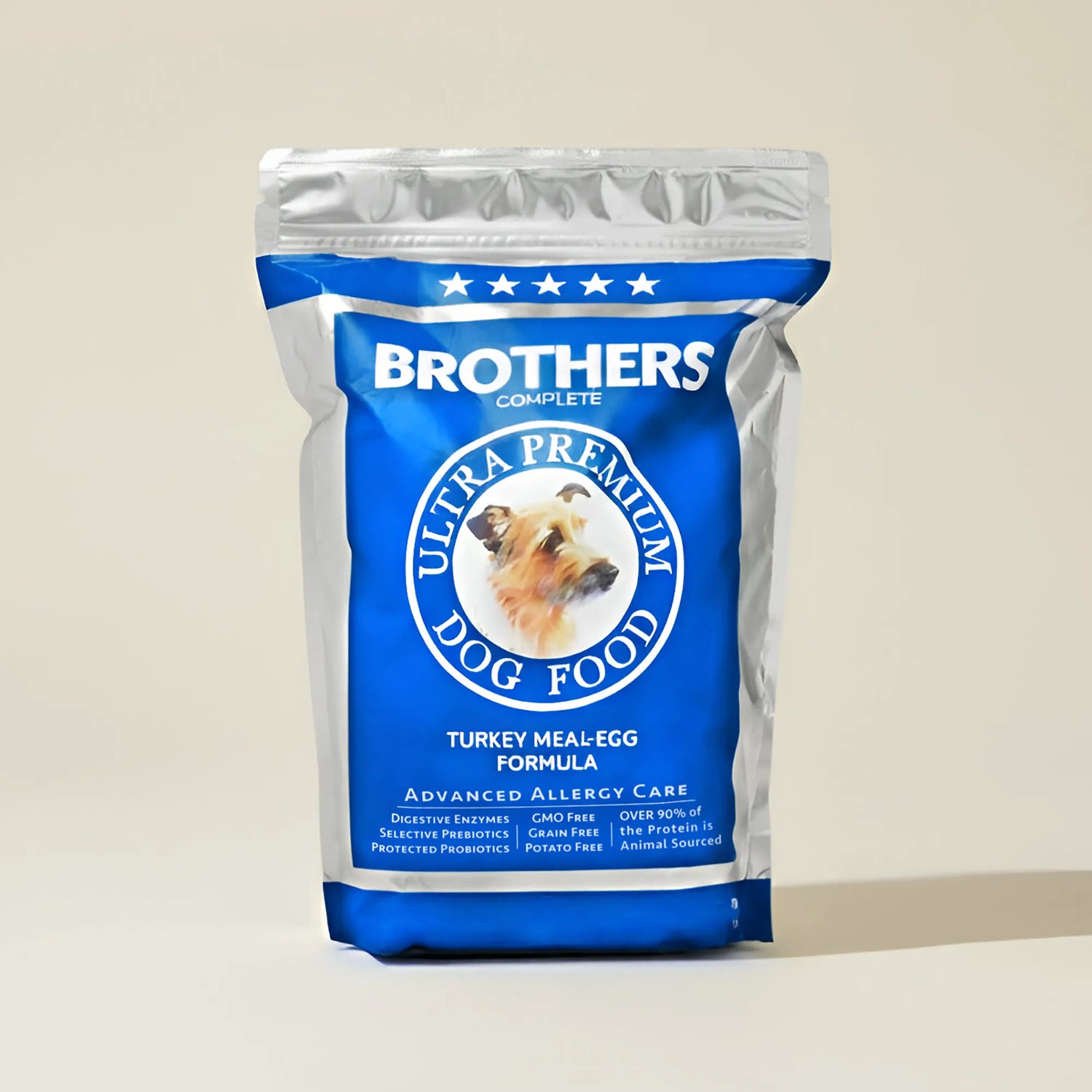
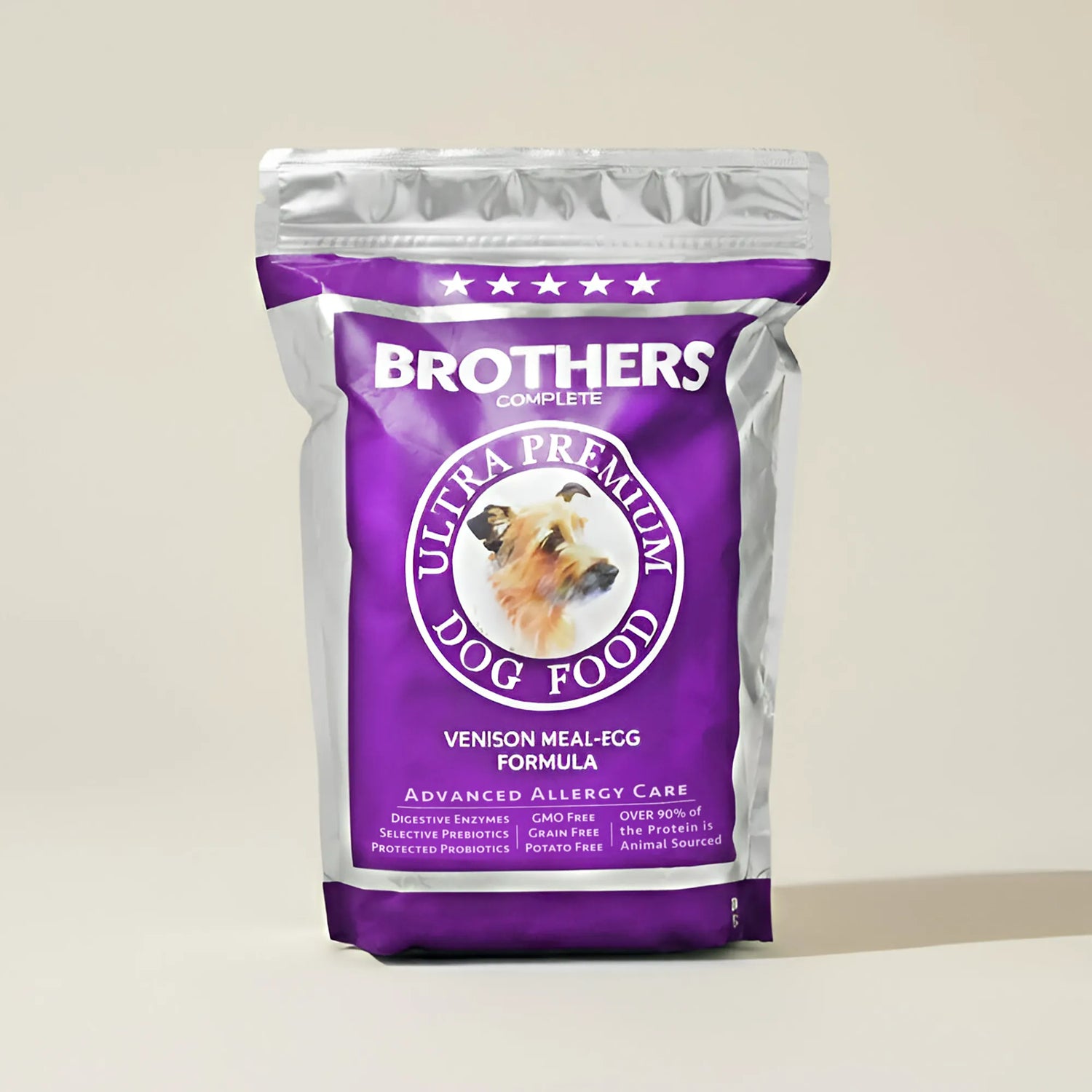
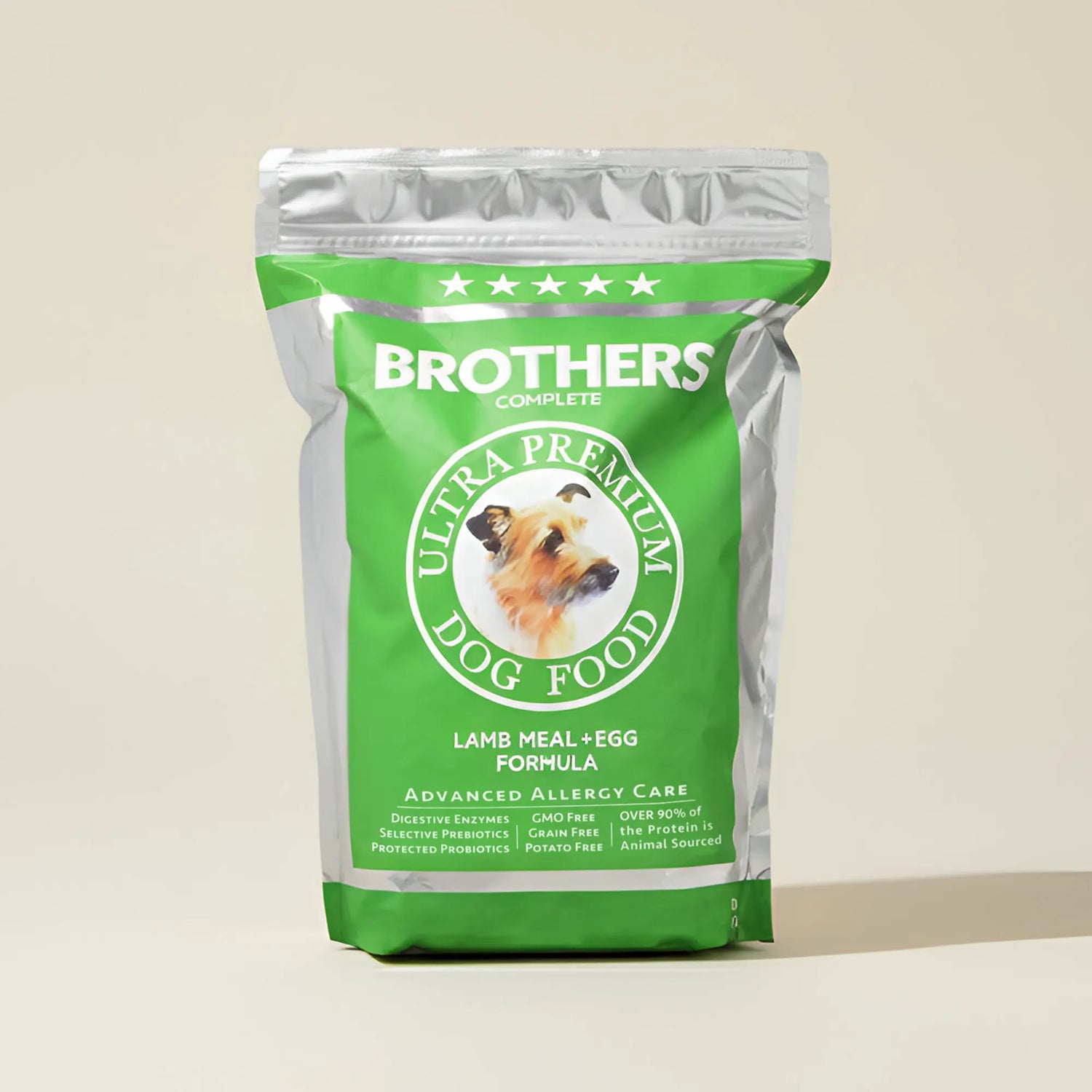
Brothers Dog Food is formulated specifically to support the gut microbiome, reduce inflammation, and help your dog absorb nutrients fully—which all leads to better potty behavior.
How Many Times Should a Dog Poop Each Day?
Here’s a general breakdown:
- Puppies: 3–5+ times a day depending on age, diet, and activity
- Adult dogs: 1–3 times a day, often shortly after meals
If your dog is going far more (or less), or their stool is consistently too hard, soft, or loose, it may be time to reassess their food and feeding routine.
Can You Train a Dog to Poop in One Spot or on Cue?
Yes! Dogs can be taught to poop on command or in specific areas. According to the AKC, this involves using a verbal cue (like "go potty") and rewarding them when they poop where and when you want.
Tips:
- Keep walks and potty trips consistent
- Use a cue and praise when they go
- Reward right after they poop
- Clean up thoroughly to avoid repeat mistakes indoors
Troubleshooting: When a Trained Dog Starts Having Accidents
Even a fully potty-trained dog can regress. Common causes include:
- Food changes
- Stress or routine disruption
- GI upset from treats or table scraps
- Illness or infection
If the accidents persist, rule out medical causes and then re-focus on diet consistency and feeding timing.
Final Thoughts: Potty Habits Start With the Gut
Training is essential—but so is digestive health. If your dog’s food isn’t supporting firm stools and predictable digestion, no amount of training will fully stick.
Feeding a nutrient-dense, gut-friendly diet at regular times is the foundation of successful housebreaking—for both puppies and adults.
Because let’s face it: when your dog poops on time and in the right place, life is just better.
Disclaimer: This post is for educational purposes only and is not a substitute for veterinary advice. Always consult your vet when making changes to your dog’s diet.
Sources
-
AKC - American Kennel Club
- https://www.akc.org/expert-advice/training/how-to-potty-train-a-puppy/
- https://www.akc.org/expert-advice/training/puppy-potty-training-timeline/
- https://www.akc.org/expert-advice/training/potty-training-puppy-tips/
- https://www.akc.org/expert-advice/training/teach-your-dog-to-poop-potty-on-cue/
- https://www.akc.org/expert-advice/training/how-to-housetrain-an-adult-dog/
- Dogster
- Animal Humane Society
Predictable food, predictable dog
Consistent food, consistent schedule