


Best Dog Food for German Shepherds


German Shepherds are one of the most capable, intelligent, and loyal breeds ever developed, trained to serve in police work, military operations, search and rescue, and as trusted family companions. But that same powerful build and genetic intensity comes with a set of documented health vulnerabilities that make nutrition more consequential for GSDs than for most breeds. From their notoriously sensitive digestive systems to a higher-than-average risk for hip dysplasia, bloat, and a little-known but serious condition called EPI, what a German Shepherd eats shapes how they feel, perform, and age.
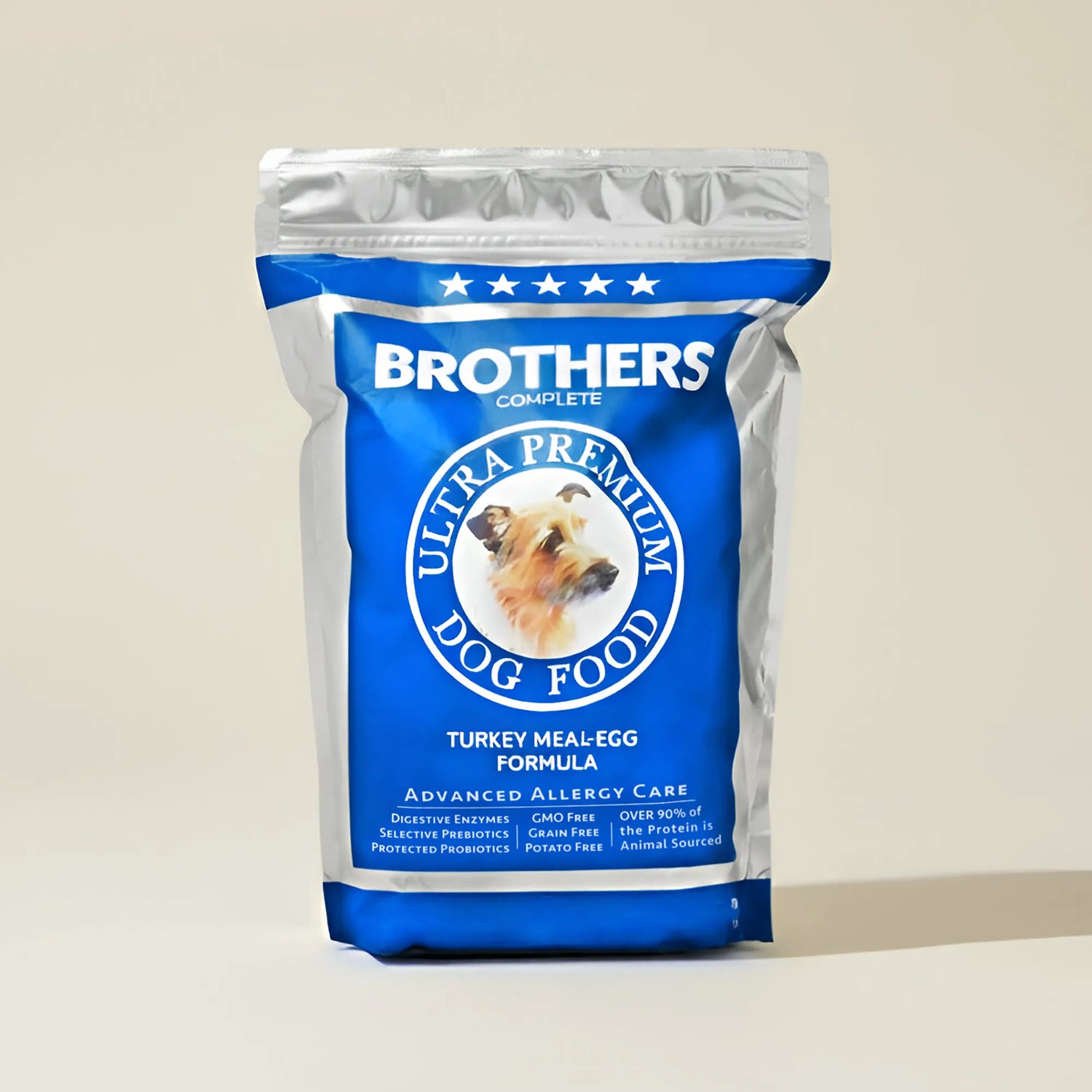
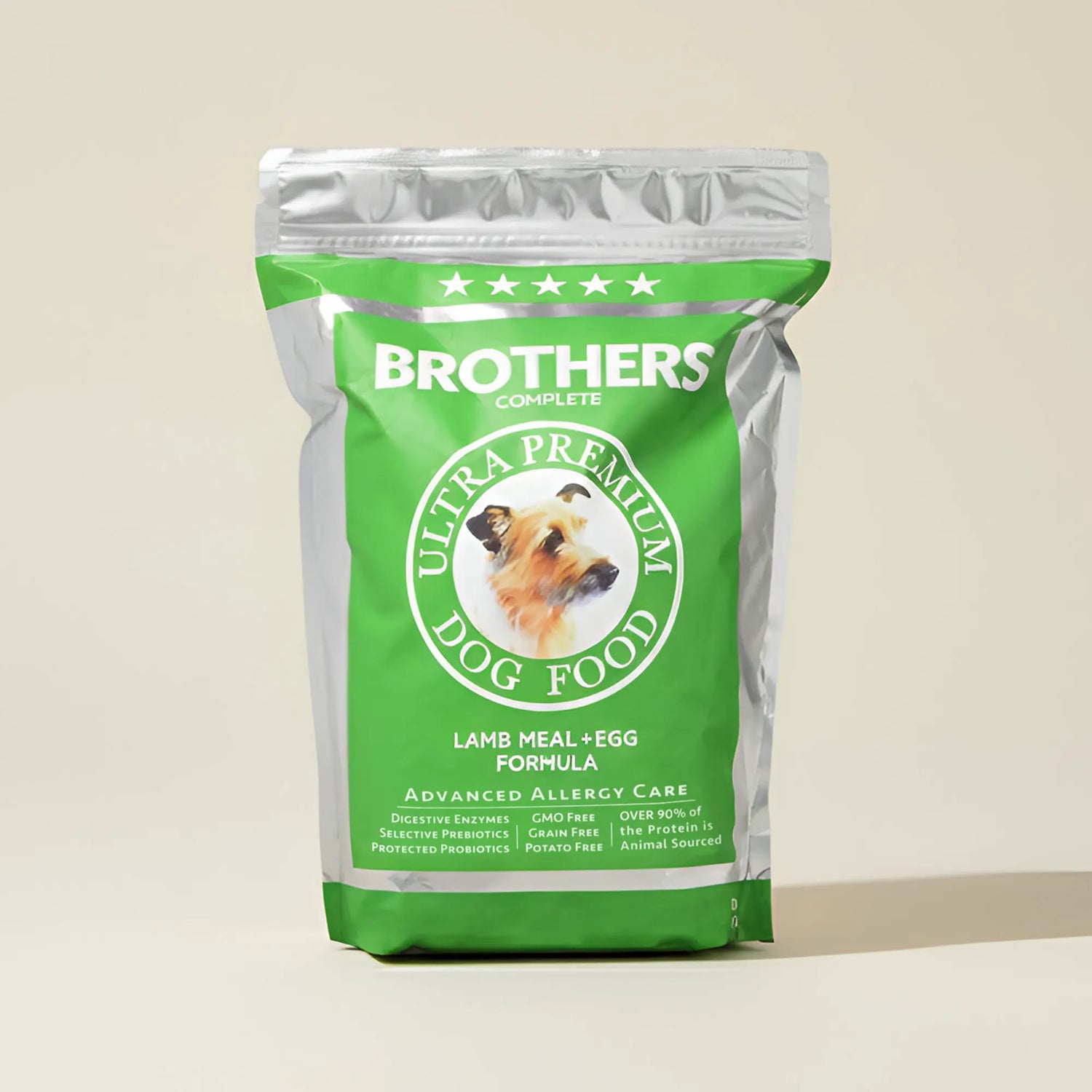
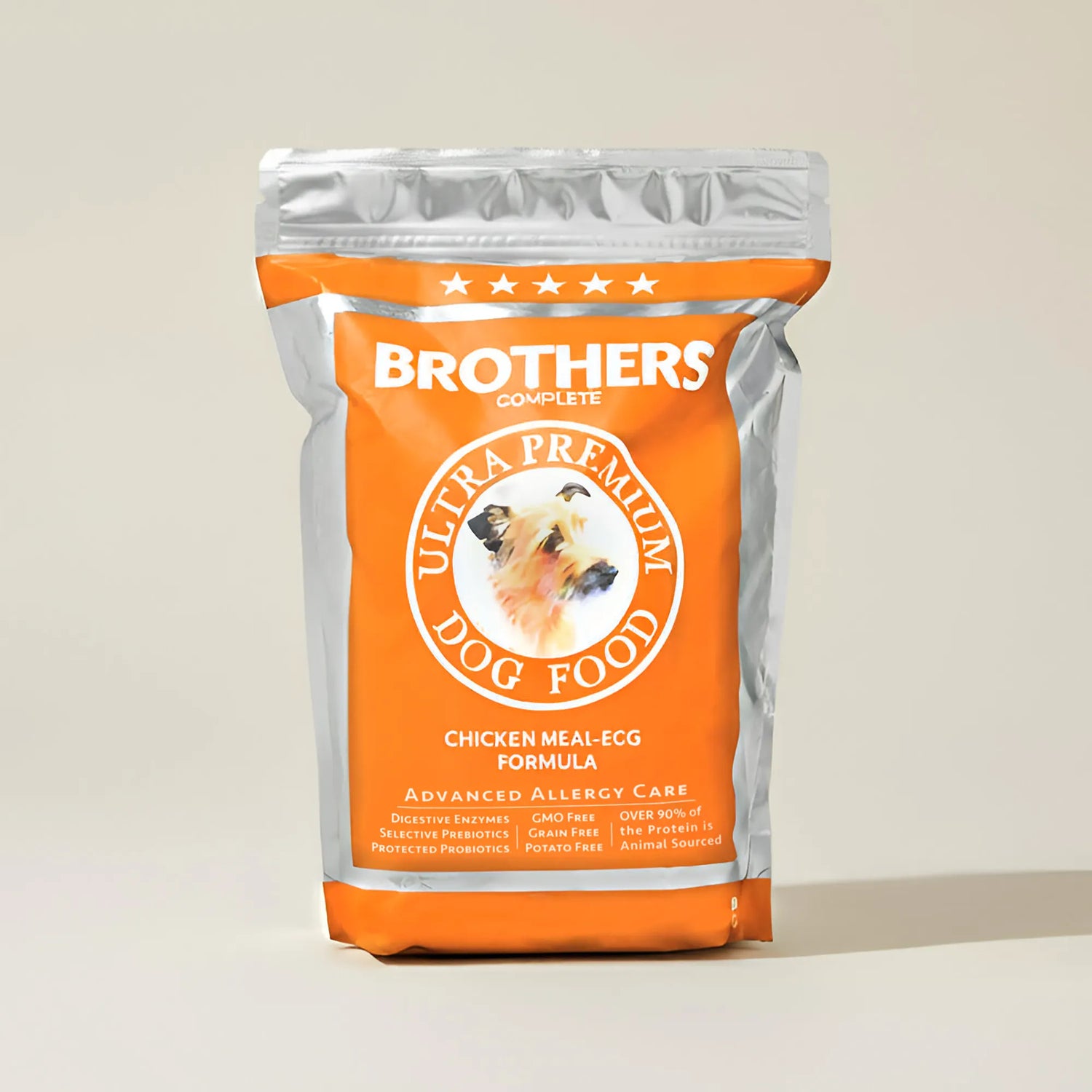
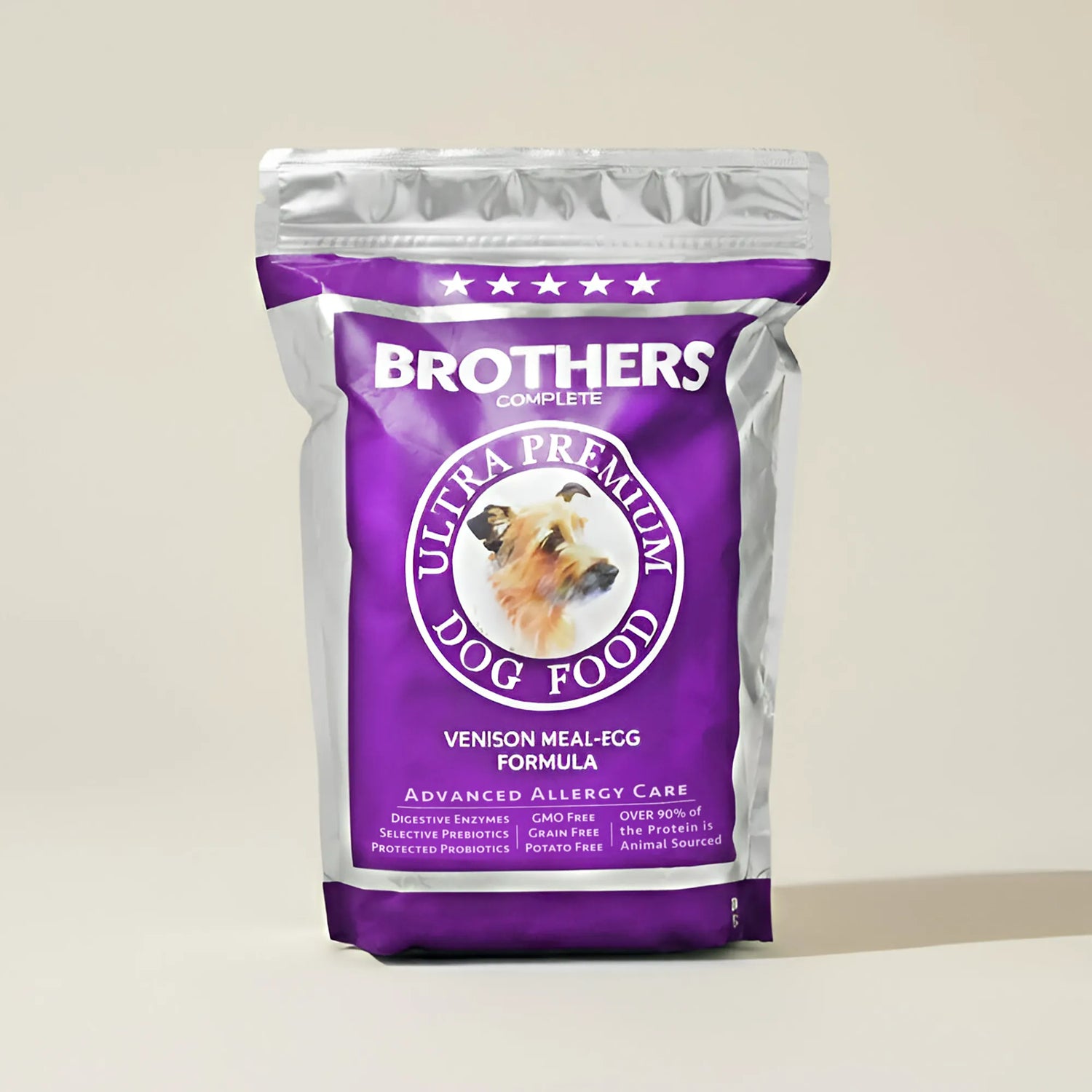
Why Brothers Dog Food Is a Great Option for German Shepherds
- High-quality protein to fuel the lean muscle and working-dog energy demands of an active GSD
- Supports digestive health and gut balance, essential for a breed with one of the most sensitive GI tracts of any dog
- Supports joint health for a breed where hip and elbow dysplasia are among the most common health concerns
- Promotes skin and coat health, including for GSDs prone to environmental and food-triggered allergies
- Helps reduce digestive stress and bloat risk for a deep-chested breed with elevated GDV vulnerability
- Made without unnecessary fillers and additives that can overwhelm a GSD's reactive digestive and immune system
If you're searching for the best food for German Shepherds, Brothers is designed with the digestive sensitivity, high protein demands, and joint needs of this breed at the forefront.
How Brothers Is Different From Other Large Breed Kibble
Generic large-breed formulas are built around average dogs. German Shepherds are not average dogs. Their digestive systems are more reactive, their protein needs are higher, and their joint vulnerabilities are more pronounced than most breeds of similar size. Food designed for a generic "large breed" often falls short of what a GSD actually needs.
What most large-breed kibble relies on:
- High starch and filler content that ferments in a sensitive GSD gut, contributing to gas, loose stools, and digestive inflammation
- Generic protein meals with lower digestibility, meaning more gut work for a system already predisposed to sensitivity
- Excess calories that contribute to weight gain and additional joint load
- Artificial additives that can trigger skin and immune reactions in a breed with a notably reactive immune profile
Brothers focuses on nutrient efficiency, digestibility, and clean ingredients, the qualities that matter most for a breed as physically demanding and digestively sensitive as a German Shepherd.
What sets Brothers apart:
- More usable nutrition per serving, so GSDs feel fueled without digestive strain
- Cleaner ingredient profiles that reduce gut inflammation and reactive responses
- Balanced energy density, enough for a working dog's needs, without excess that stresses joints
- Gut health support that flows through to coat, skin, immunity, and stool quality
For a breed this demanding and this capable, the food has to be worthy of the dog.
EPI: The Most Underdiagnosed Digestive Condition in German Shepherds
Exocrine Pancreatic Insufficiency (EPI) is a condition where the pancreas fails to produce enough digestive enzymes for normal food breakdown and nutrient absorption. German Shepherds are the breed most commonly diagnosed with EPI, and because its symptoms can be gradual or mistaken for other issues, many dogs go undiagnosed far longer than they should.
Classic signs of EPI in German Shepherds:
- Significant weight loss despite eating large amounts: the dog appears constantly hungry and is losing condition
- Pale, greasy, or voluminous stools: a result of undigested fat and protein passing through
- Chronic diarrhea: or highly inconsistent digestion
- Poor coat condition: dull, dry, or thinning fur as a consequence of malabsorption
- Coprophagia (eating feces): a behavioral sign sometimes linked to nutritional deficiency from EPI
EPI requires veterinary diagnosis and enzyme supplementation. Diet alone cannot replace missing pancreatic enzymes. However, highly digestible food with clean, quality ingredients significantly reduces the digestive burden on a GSD's already compromised system. For diagnosed dogs, food digestibility directly affects how well enzyme therapy works. For dogs not yet showing symptoms, choosing a food that supports gut and pancreatic health is a wise baseline. If your GSD is losing weight while eating well, speak with your vet about EPI testing.
Digestive Sensitivity: The Most Common Complaint Among GSD Owners
Even without EPI, German Shepherds are widely recognized as having one of the most reactive digestive systems of any breed. Loose stools, gas, intermittent vomiting, and inconsistent digestion are among the most frequently reported owner concerns, often dismissed as "just how GSDs are." In many cases, the right food makes a dramatic difference.
Digestive issues commonly seen in German Shepherds:
- Loose or inconsistent stools that fluctuate without obvious cause
- Excessive gas and bloating from fermentable fillers and lower-quality ingredients
- Skin and coat changes tied to inflammatory diet responses
- Chronic ear infections or paw licking suggesting food sensitivity involvement
- Inflammatory Bowel Disease (IBD), more prevalent in GSDs than most breeds, often triggered or worsened by low-quality ingredients
A healthy, well-supported gut reduces inflammation, improves nutrient absorption, and produces the consistent digestion GSD owners often assume is unachievable. Choosing highly digestible food with quality ingredients is frequently the first, and most effective, intervention.
Joint Health and Hip Dysplasia in German Shepherds
Hip dysplasia is so prevalent in German Shepherds that it has become almost synonymous with the breed. Decades of selective breeding, particularly in show lines, where the dramatically sloped rear has become more pronounced, has contributed to widespread joint malformation. Elbow dysplasia is also common. For GSD owners, joint health isn't a concern for old age; it's a lifelong management priority that starts with puppyhood nutrition.
How diet supports joint health in German Shepherds:
- Controlled calorie intake during puppyhood prevents too-rapid growth that stresses developing joint structures
- Maintaining healthy adult weight reduces mechanical load on hips and elbows already predisposed to dysplasia
- High-quality protein supports the lean muscle that stabilizes and protects joints
- Avoiding inflammatory ingredients that can amplify systemic inflammation and worsen joint discomfort
For a breed where joint surgery is a common life event, the nutritional foundation built over years of daily feeding matters more than most owners realize. Brothers' commitment to nutrient efficiency, lean protein, and clean ingredients supports joint health from the inside out.
Bloat Risk: Why Digestible Food Matters for German Shepherds
German Shepherds are a deep-chested breed, placing them at elevated risk for Gastric Dilatation-Volvulus (GDV), commonly called bloat, a rapid, life-threatening condition where the stomach fills with gas and twists. While bloat has multiple contributing factors, diet and digestive health play a meaningful role.
Practical dietary strategies to reduce GDV risk:
- Feed 2 smaller meals per day rather than one large feeding to reduce stomach volume and gas buildup
- Choose highly digestible food with fewer fermentable fillers that produce gas during digestion
- Avoid vigorous exercise immediately before or after meals
- Use a slow-feeder bowl if your GSD eats quickly, to reduce air ingestion
Highly digestible food means less fermentation, less gas, and a lower overall digestive burden, directly relevant to bloat risk management for a breed where this condition can be fatal if not caught immediately.

Brothers Breeder Program
Breeder Program (For German Shepherd Breeders)
German Shepherd breeders understand that this breed's health vulnerabilities, hip dysplasia, digestive sensitivity, EPI predisposition, have a strong genetic component but are significantly influenced by early nutrition. Starting puppies on high-quality, digestible, appropriately balanced food builds the foundation for a healthier dog and a better owner experience from day one.
The Brothers Breeder Program offers:
- Exclusive breeder pricing and benefits
- A trusted, breed-appropriate food to confidently recommend to new puppy families
- Support for controlled puppy growth, a critical for joint development in a breed prone to dysplasia
- Consistent, clean nutrition from first meals through working-dog adulthood and into senior years
From first litter to lifelong nutrition, Brothers is a strong choice for German Shepherds at every stage.
Why German Shepherd Parents Choose Brothers Dog Food
German Shepherd owners choose Brothers because it supports:
- Digestive comfort and consistent stools, the most commonly celebrated improvement GSD owners report
- High-quality protein for lean muscle and sustained energy in an active, working-heritage breed
- Joint and mobility support through controlled calories, lean muscle, and clean nutrition
- Skin and coat health, including reduced allergy-driven itching and shedding
- Gut health that reduces bloat risk and supports the immune system
- Great palatability, even selective German Shepherds tend to be enthusiastic about Brothers
If you're looking for the best German Shepherd dog food, one built around the real health priorities of this breed, not just its size, Brothers delivers nutrition worthy of the most capable dog in the world.
Shop Brothers Dog Food for German Shepherds
Built for working dogs. Backed by real ingredients. No compromises.
FAQs: Feeding German Shepherds
German Shepherds do best with high-protein, highly digestible food that supports lean muscle, joint health, and a sensitive digestive system. Given the breed's predisposition to EPI, IBD, and digestive sensitivity, ingredient quality and digestibility matter more than for most breeds. Avoid fillers, artificial additives, and calorie-dense formulas that place unnecessary burden on a reactive GI tract.
Digestive sensitivity is a well-documented breed trait in German Shepherds. Their GI tracts are more reactive than most breeds, making them prone to loose stools, gas, and intermittent vomiting. Low-quality ingredients, fermentable fillers, and artificial additives frequently worsen the problem. Switching to a highly digestible food with a clean ingredient profile is often the single most effective intervention. If symptoms are severe or persistent, rule out EPI with your veterinarian.
Exocrine Pancreatic Insufficiency (EPI) is a condition where the pancreas fails to produce adequate digestive enzymes. Food passes through without being properly broken down or absorbed, causing rapid weight loss despite a large appetite, pale greasy stools, chronic diarrhea, and poor coat condition. German Shepherds are the most commonly affected breed. EPI is diagnosed via blood test (TLI test) and managed with enzyme supplementation plus a highly digestible diet. If your GSD is losing weight while eating well, ask your vet about EPI testing.
German Shepherds are a working-dog breed with above-average protein requirements to sustain lean muscle mass and energy levels. Most adult GSDs thrive on food where high-quality animal protein is the first ingredient and protein content is meaningfully above minimum requirements. Protein quality and bioavailability matter as much as percentage—highly digestible protein is used more efficiently than a high percentage from lower-quality sources.
Yes, German Shepherds are a deep-chested breed at elevated risk for GDV (gastric dilatation-volvulus). Feeding two smaller meals per day rather than one large feeding, choosing highly digestible food with fewer fermentable fillers, and avoiding vigorous exercise around mealtimes are the most commonly recommended risk-reduction strategies. Know the signs: unproductive retching, distended abdomen, and restlessness after eating are emergencies requiring immediate veterinary attention.
Yes, and getting puppy nutrition right is especially important for German Shepherds. Controlled growth is critical to reduce the risk of hip and joint problems later in life. Puppy food should be high in quality protein, appropriately balanced in calcium and phosphorus for bone development, and not excessively calorie-dense. Rapid growth in large breeds is directly linked to increased dysplasia risk, making portion control and food quality equally important during the first year.
Related Categories

We are a premium dog food brand founded on the gut-immune connection - balancing protein quality, low glycemic carbs, and gut support - made by a family who’s dedicated their lives to solving chronic canine health problems.
We are a premium dog food brand founded on the gut-immune connection - balancing protein quality, low glycemic carbs, and gut support - made by a family who’s dedicated their lives to solving chronic canine health problems.