

Anxiety, Hyperactivity, and Digestion in Dogs: What’s the Gut Got to Do With It?
Key takeaways:
- Dogs with anxiety and hyperactivity often have imbalanced gut microbiomes.
- The gut-brain axis links digestion to mood, stress, and behavior.
- Gut bacteria impact serotonin and dopamine, key for emotional regulation.
- Poor digestion can lead to symptoms like pacing, licking, restlessness, or poop-eating.
- Diets high in starch and low in digestible protein may worsen behavioral symptoms.
- Probiotics, enzymes, and gut-balancing ingredients can reduce reactivity.
- Treating the gut may be key to calming behavior and improving focus.
Can the Gut Really Affect a Dog’s Behavior?
Yes - and it’s more than just a theory.
A growing body of research confirms that a dog’s gut microbiome (the community of bacteria living in their digestive system) plays a critical role in:
- Mood regulation
- Stress response
- Focus and learning
- Aggression and fear
- Even compulsive behaviors like coprophagy (eating poop)
A 2024 NIH study found that dogs with anxiety and aggression showed significantly different gut microbiota profiles than balanced dogs.
Understanding the Gut-Brain Axis
This connection is called the gut-brain axis - the two-way communication between the digestive system and the brain.
- The gut produces over 90% of the body’s serotonin, a key neurotransmitter for mood regulation.
- Disruptions in gut health can interfere with dopamine, cortisol, and other neurochemicals.
- Poor digestion → inflammation → behavioral symptoms
When the gut is inflamed or out of balance, the effects often show up not just in stool quality - but in how your dog feels and behaves.
Symptoms That Might Point to Gut-Related Behavior
If your dog shows one or more of the following, the root issue may be digestive:
- Excessive barking or restlessness
- Hyperactivity or inability to settle
- Panting or pacing without reason
- Fearfulness or separation anxiety
- Excessive licking or chewing
- Compulsive behaviors (tail chasing, stool eating)
- Sudden behavior changes without environmental cause
VeterinaryPartner notes that behavior and digestion are often linked in complex, underdiagnosed ways - especially when the dog’s diet lacks quality protein or supports inflammation.
How Food and Gut Health Influence Anxiety
Feeding your dog the wrong food - or changing their food too quickly - can:
- Trigger inflammation
- Starve healthy gut bacteria
- Feed yeast and harmful microbes
- Disrupt hormone and neurotransmitter production
On the flip side, the right food can:
- Restore digestive balance
- Support serotonin and GABA production
- Calm reactivity and regulate energy
- Reduce compulsive behaviors linked to anxiety
In a 2023 review published in Animals by Kielbik & Witkowska-Piłaszewicz, researchers concluded that targeting the gut microbiome through diet and supplementation holds significant promise in treating canine behavioral disorders.
Is There Dog Food That Helps With Anxiety?
Yes - but it’s not about adding herbs or CBD. It’s about removing what harms the gut and replacing it with what supports healing.
What to Look for:
- High-quality, animal-based protein, such as lamb, turkey, chicken, venison, or eggs - not plant-based protein fillers
- Digestive enzymes (Amylase, Protease, Cellulase, etc.) to break down food and support nutrient absorption
- Probiotics to balance gut bacteria and support immune function
- Low-starch carbs, like cassava, that won’t feed yeast or spike blood sugar
- No soy, corn, rice, or excessive legumes
What to Avoid:
- Cheap fillers and byproducts
- High-starch ingredients like potatoes
- Artificial colors or preservatives
- Sudden diet changes or frequent brand switching
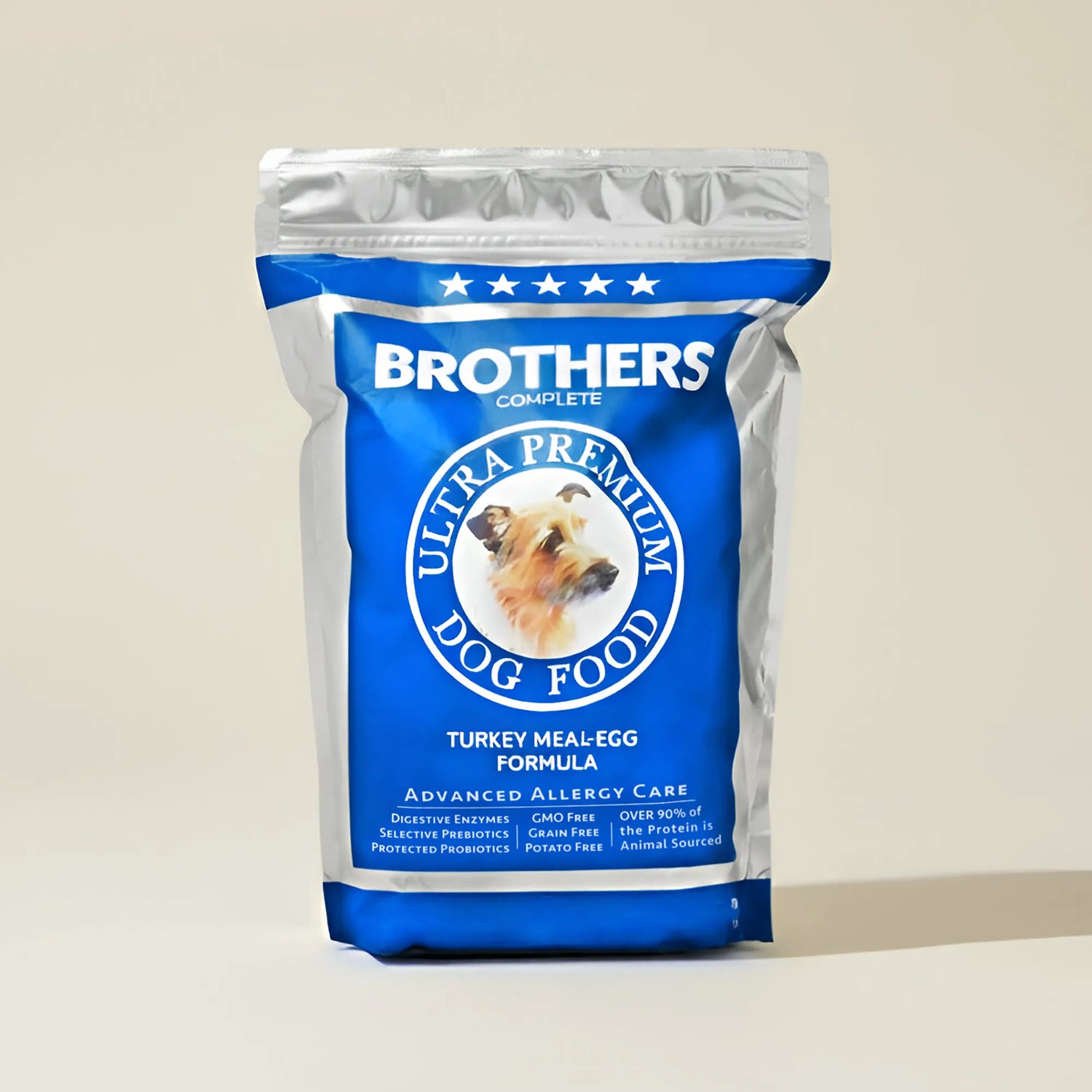
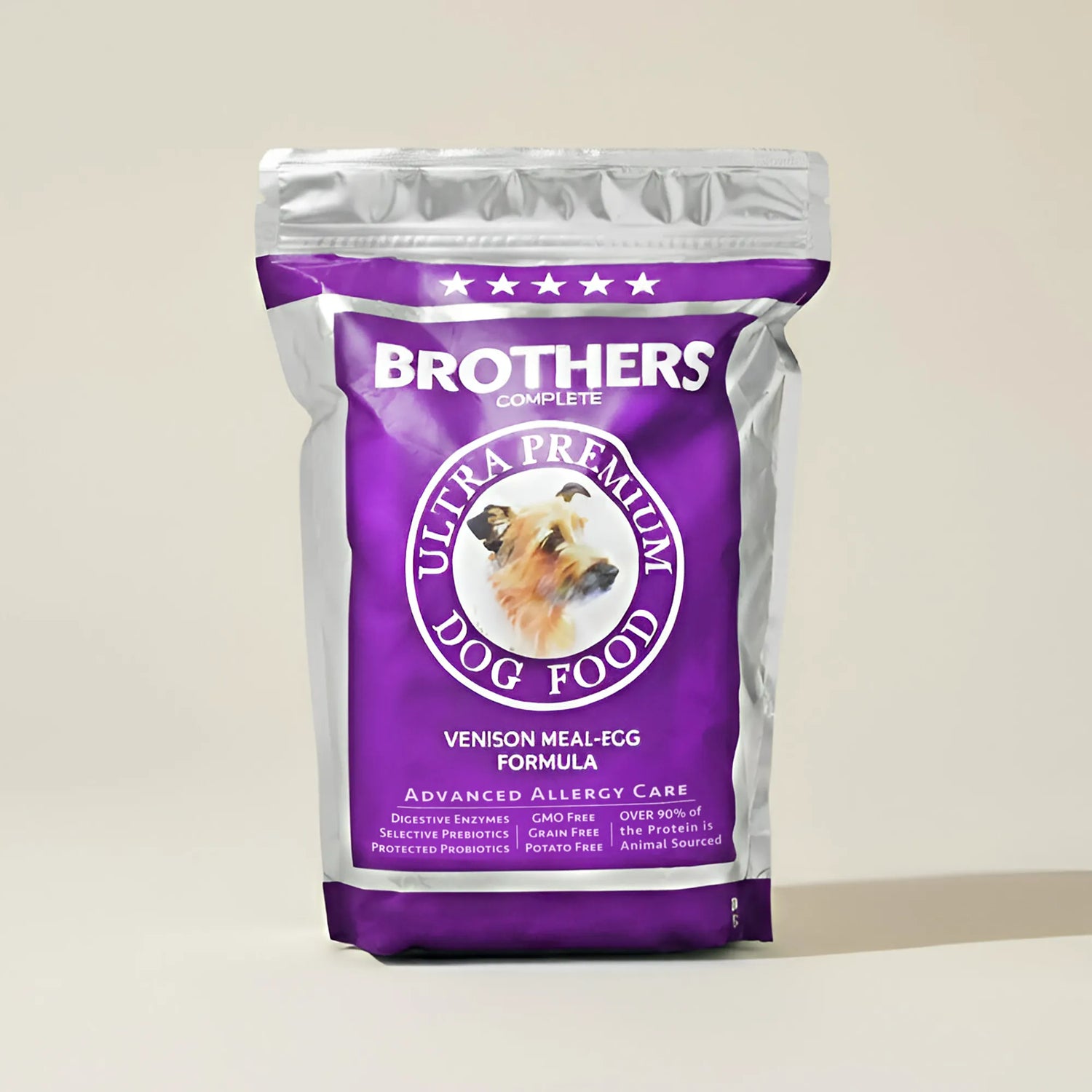
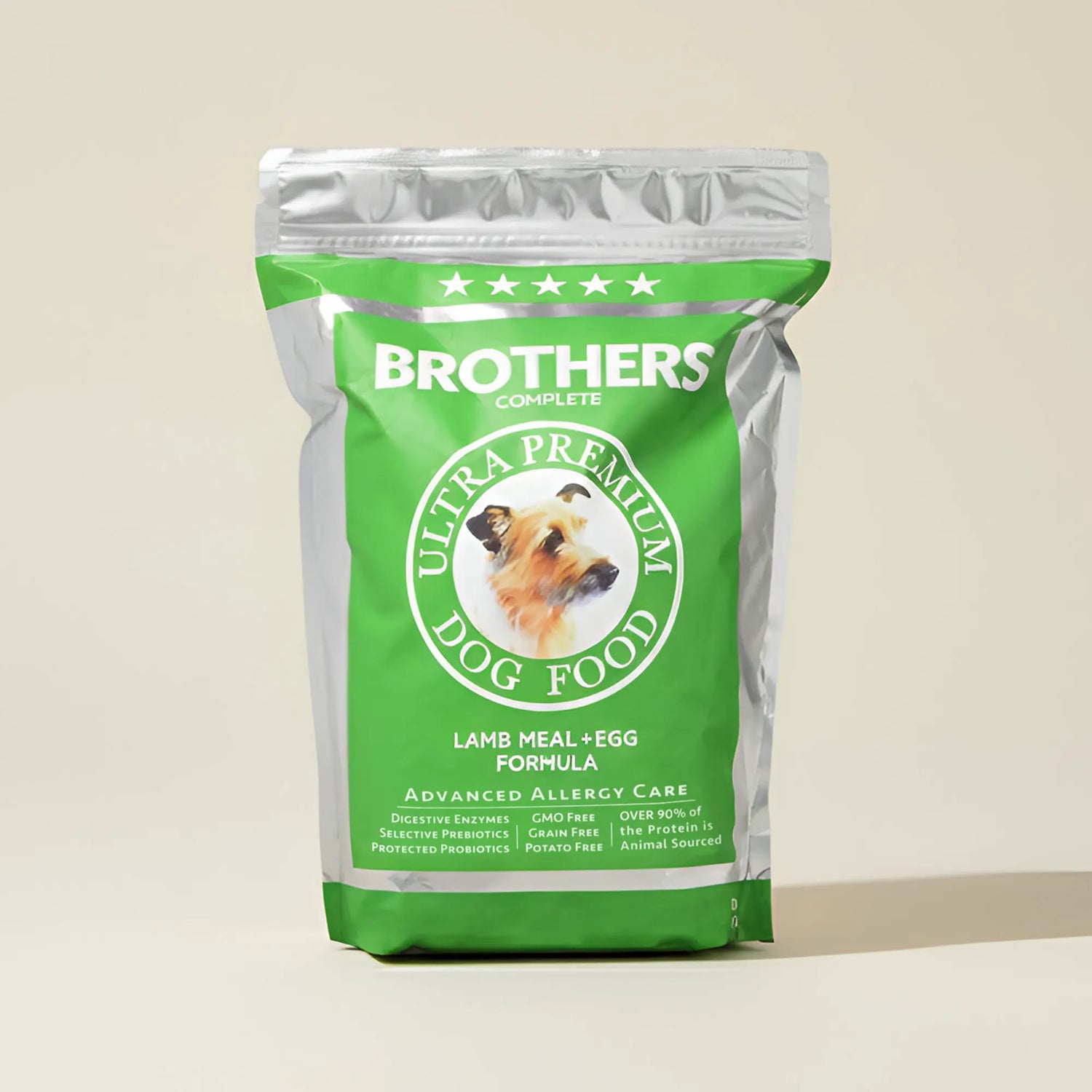
Why Brothers Dog Food Supports Behavior Through Digestion
At Brothers, we’ve seen firsthand how many “behavioral” issues clear up when a dog’s gut is supported.
Our formulas are built to:
- Starve yeast and bad bacteria with low-starch ingredients
- Rebuild the gut wall with high bioavailable animal protein
- Balance the microbiome with digestive enzymes and probiotics
- Avoid all major allergens and inflammatory triggers
And we don’t just treat the symptoms. We support the root cause - helping anxious, reactive, or compulsive dogs find a new baseline.
Final Thoughts: Feed the Gut, Calm the Mind
Behavior isn’t just about training.
It’s about chemistry - and chemistry starts in the gut.
If your dog struggles with:
- Hyperactivity
- Separation anxiety
- Poop-eating
- Mood swings or fearfulness
…it might be time to look in the bowl, not just at their environment.
Disclaimer: This article is for informational purposes only and is not a substitute for professional veterinary advice. Always consult your veterinarian about your dog’s unique health and behavior needs.
Gut-first nutrition since 2009
A settled gut makes a settled dog