

How Long Do Probiotics Take to Work in Dogs?
You've just started your dog on probiotics, and now you're watching and waiting. Is that slightly firmer stool a sign they're working? Should you see changes by now? When it comes to supporting your dog's gut health with beneficial bacteria, the timeline isn't always straightforward, and understanding what to expect can save you from unnecessary worry.
At Brothers Dog Food, we believe in transparency, science-backed nutrition, and educating pet parents to make confident choices. Probiotics are a powerful tool for canine digestive health, but they're not magic pills. Let's break down how these beneficial bacteria work, what realistic timelines look like, and how to know if your dog's probiotic regimen is truly making a difference.
Quick Summary:
- Probiotics introduce beneficial bacterial strains like Lactobacillus and Bifidobacterium that help balance your dog's gut microflora
- The timeline for seeing results depends on your dog's individual gut health, the quality of the probiotic, and consistency of supplementation
- Gut microbiome changes are gradual, beneficial bacteria need time to colonize and establish themselves in the digestive tract
- Combining probiotics with gut-health-focused nutrition provides the best foundation for long-term digestive wellness
What Are Probiotics and How Do They Work?
Probiotics are live microorganisms, specifically, beneficial bacteria, that support digestive health when administered in adequate amounts. According to the AKC, these products contain bacterial strains normally found in the canine gut, such as Lactobacillus and Bifidobacterium. These beneficial bacteria colonize the gastrointestinal tract and help balance intestinal microflora.
Think of your dog's gut as a complex ecosystem. When that ecosystem is disrupted, whether from stress, dietary changes, illness, or antibiotics, harmful bacteria can outnumber the beneficial ones. Probiotics work by reintroducing good bacteria to restore balance, support immune function, and improve nutrient absorption.
But here's the key: probiotics don't work instantly. They need time to establish themselves in the gut environment, compete with harmful bacteria for resources, and begin producing the beneficial compounds that support digestive health. The timeline depends on several factors, including your dog's baseline gut health, the specific strains and CFU (colony-forming units) count in the probiotic, and whether you're addressing an acute issue or building long-term gut resilience.
Understanding the Timeline: What to Expect
Because we cannot provide specific timeline claims without verified veterinary sources, let's focus on what we do know: gut microbiome changes are gradual processes, not overnight transformations.
Your dog's digestive system is incredibly complex, with trillions of bacteria forming an intricate microbiome. When you introduce probiotics, you're essentially asking new bacterial strains to find a home, establish colonies, and shift the existing balance. This takes time, and consistency.
Some pet parents notice subtle changes relatively quickly, such as slightly firmer stools or reduced gas. Others may not see obvious improvements for several weeks, especially if they're addressing chronic digestive issues rather than acute symptoms. The key is consistent daily supplementation and patience as the beneficial bacteria do their work.
It's also important to understand that most probiotic strains don't permanently colonize your dog's gut. This means probiotics need to be given regularly to maintain their benefits. Think of them as ongoing support for your dog's digestive ecosystem rather than a one-time fix.
Factors That Influence Probiotic Effectiveness
Not all probiotics are created equal, and not all dogs respond the same way. Several factors influence how quickly and effectively probiotics work:
Probiotic Quality and Potency: The number of live bacteria (measured in CFUs), the specific strains included, and whether the product is properly manufactured and stored all impact effectiveness. Low-quality probiotics may contain insufficient CFUs or dead bacteria that provide no benefit.
Your Dog's Baseline Gut Health: A dog with an otherwise healthy digestive system may respond differently than a dog with chronic gut issues, food sensitivities, or a history of antibiotic use. Dogs with compromised gut barriers (often called "leaky gut") may need more comprehensive support.
Diet Quality: Probiotics work best when paired with high-quality, easily digestible nutrition. Feeding probiotic-enriched dog food that also includes digestive enzymes and prebiotics creates a more supportive environment for beneficial bacteria to thrive.
Consistency: Skipping doses or stopping supplementation too early means the beneficial bacteria don't have enough time to establish themselves and create lasting changes in the gut microbiome.
Underlying Health Conditions: Dogs with inflammatory bowel disease, pancreatitis, or other chronic conditions may require longer supplementation periods and veterinary oversight to see meaningful improvement.
Why Some Probiotics Fail to Deliver Results
If you've tried probiotics for your dog without seeing results, you're not alone. Many pet parents invest in supplements that ultimately don't make a difference, and the issue often comes down to formulation, delivery, or incomplete gut support.
Insufficient CFU Counts: Many over-the-counter probiotics don't contain enough live bacteria to make a meaningful impact on the gut microbiome. Additionally, if the product isn't stored properly or is past its expiration date, many of those bacteria may already be dead.
Wrong Strains: Not all probiotic strains benefit dogs equally. Some products designed for humans contain strains that don't colonize the canine gut effectively.
No Prebiotic Support: Probiotics need fuel to thrive. Without prebiotics (the fiber that feeds beneficial bacteria), probiotics may struggle to establish themselves. Similarly, diets high in low-quality fillers or artificial additives can create an inhospitable gut environment.
Missing the Bigger Picture: Probiotics alone can't overcome poor nutrition, chronic inflammation, or food sensitivities. True gut health requires a holistic approach, which is exactly why we formulated Brothers Dog Food with probiotics, digestive enzymes, and premium whole-food ingredients working together.
The Brothers Dog Food Difference
We don't just add probiotics to our formulas as a marketing checkbox. We built our entire nutritional philosophy around gut health, because we know that a healthy gut is the foundation for your dog's overall wellness.
Proprietary Probiotic and Digestive Enzyme Blend
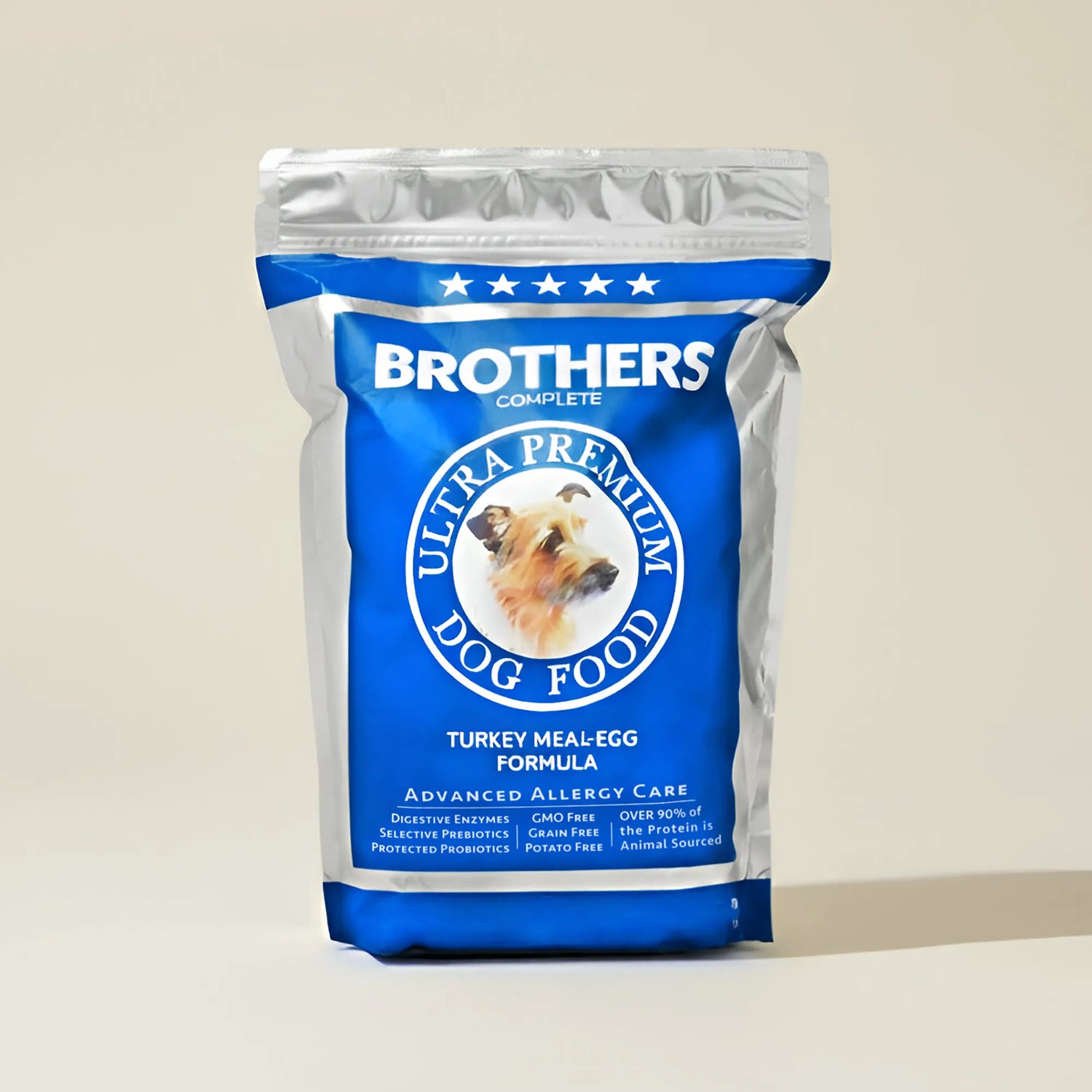
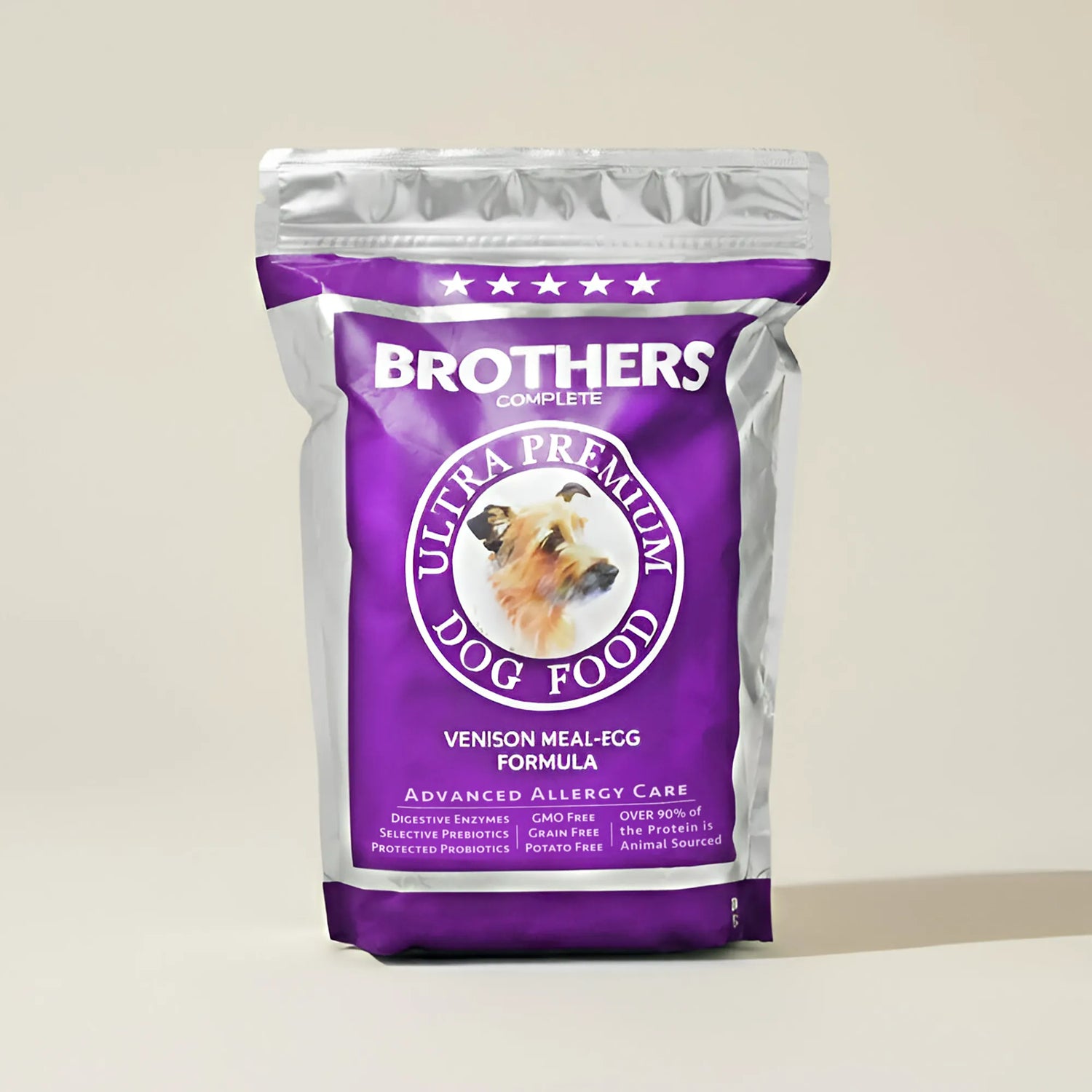
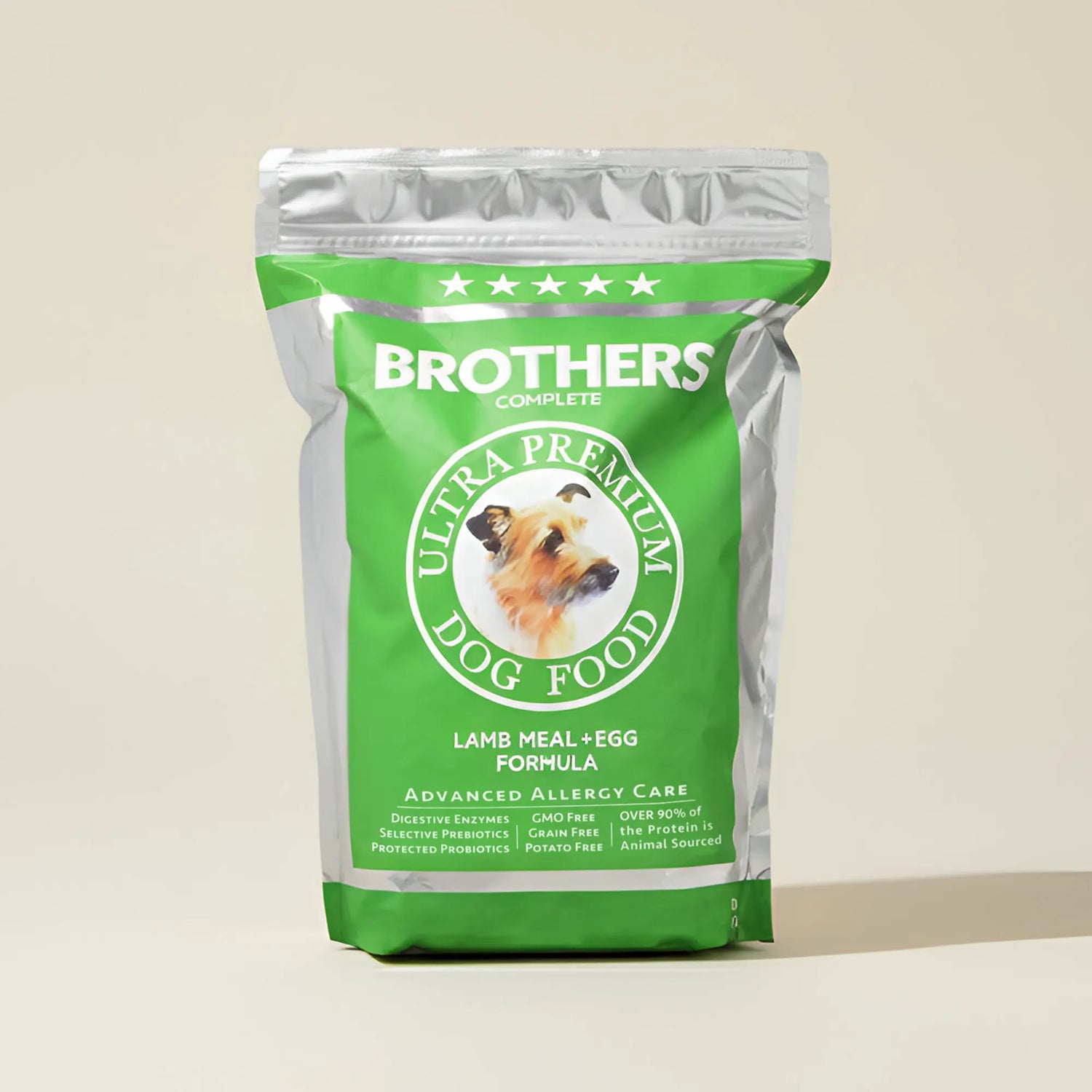
Every bag of Brothers Dog Food contains our carefully formulated blend of probiotics and digestive enzymes, working synergistically to support nutrient absorption, reduce inflammation, and maintain a balanced gut microbiome. We don't just introduce beneficial bacteria, we create the conditions for them to thrive.
Premium, Easily Digestible Ingredients
Our recipes feature high-quality proteins, whole-food carbohydrates, and zero corn, wheat, soy, or artificial additives. This means your dog's digestive system isn't fighting inflammatory ingredients while trying to establish a healthy gut microbiome. Clean nutrition creates a clean gut environment.
Small-Batch Manufacturing for Potency
Unlike mass-produced kibble that sits in warehouses for months, our small-batch approach ensures maximum freshness and probiotic potency. We understand that live bacteria need proper handling and storage to remain effective, and we treat every batch with the care your dog deserves.
Complete Gut Health System
We don't isolate probiotics from the rest of the digestive puzzle. Our formulas include prebiotic fiber to feed beneficial bacteria, digestive enzymes to break down nutrients efficiently, and anti-inflammatory ingredients to support gut barrier integrity. It's comprehensive gut support in every bowl. Learn more about our approach in our article on digestive enzymes essential for dogs' overall health.
How Probiotics Support Long-Term Health
When you commit to consistent probiotic supplementation as part of a gut-focused nutrition plan, you're investing in far more than just digestive comfort. Here's what healthy gut bacteria support:
- Stronger Immune Function: approximately 70% of your dog's immune system resides in the gut, and balanced microflora helps regulate immune response
- Better Nutrient Absorption: beneficial bacteria help break down food and synthesize certain vitamins, ensuring your dog gets maximum nutrition from every meal
- Reduced Inflammation: a balanced gut microbiome produces anti-inflammatory compounds that support whole-body wellness and may help with skin issues, joint health, and more
- Improved Stool Quality: balanced gut bacteria contribute to firmer, more consistent stools and reduced gas or bloating
- Mental and Behavioral Wellness: the gut-brain connection means a healthy digestive system can positively influence your dog's mood, stress response, and cognitive function
For dogs with chronic issues like allergies caused by leaky gut or persistent digestive discomfort, addressing gut health with probiotics and high-quality nutrition can be truly transformative.
Final Thoughts: Patience, Consistency, and Quality Matter
The truth about probiotics for dogs is that there's no universal timeline because every dog's gut microbiome is unique, and every probiotic product is different. What we can say with confidence is this: quality matters, consistency matters, and supporting beneficial bacteria with proper nutrition matters most of all.
If you're supplementing your dog with probiotics, give them time to work. Monitor your dog's stool quality, energy levels, and overall wellness rather than expecting overnight miracles. And if you're choosing a dog food to support your probiotic regimen, choose one that was formulated with gut health as the foundation, not just a marketing afterthought.
At Brothers Dog Food, we don't believe in half measures. Our formulas were built from the ground up to support digestive health, immune function, and long-term vitality. Because a healthy gut isn't just about fewer bathroom issues, it's about giving your dog the foundation for a longer, healthier, more vibrant life.
Because more healthy years with your best friend? That's always the goal.
Probiotics that arrive alive
Probiotics in every single meal