

How Lifestyle Affects Your Dog’s Gut
Key takeaways:
- Your dog’s gut health is deeply influenced by stress, routine, environment, and emotional well-being
- Chronic stress can lead to digestive issues like diarrhea, constipation, and colitis
- The gut and brain are directly connected via the gut-brain axis
- Dogs can “stress poop” or experience changes in stool when routines or environments shift
- Supporting gut health with nutrition, routine, and calm environments can improve digestion and behavior
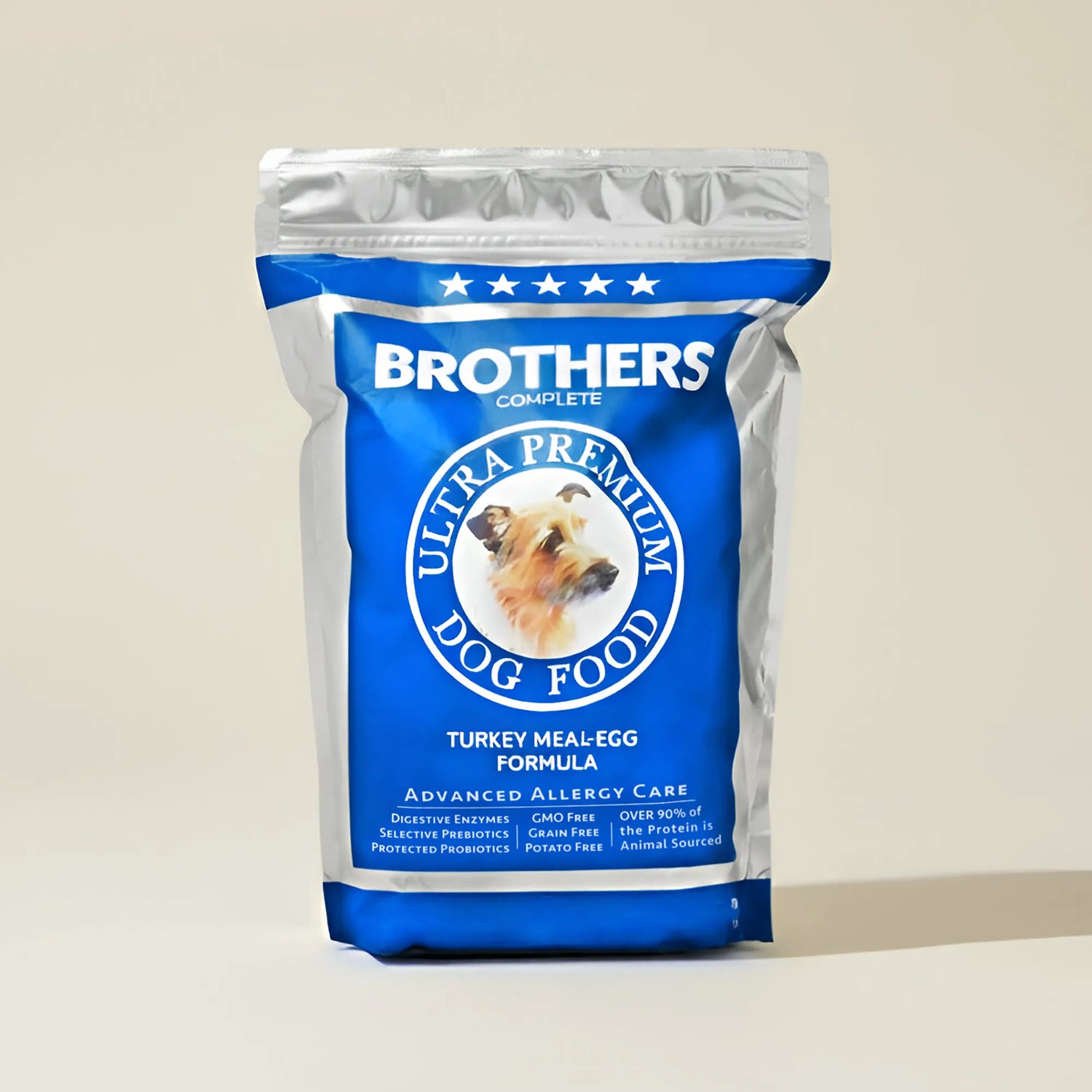
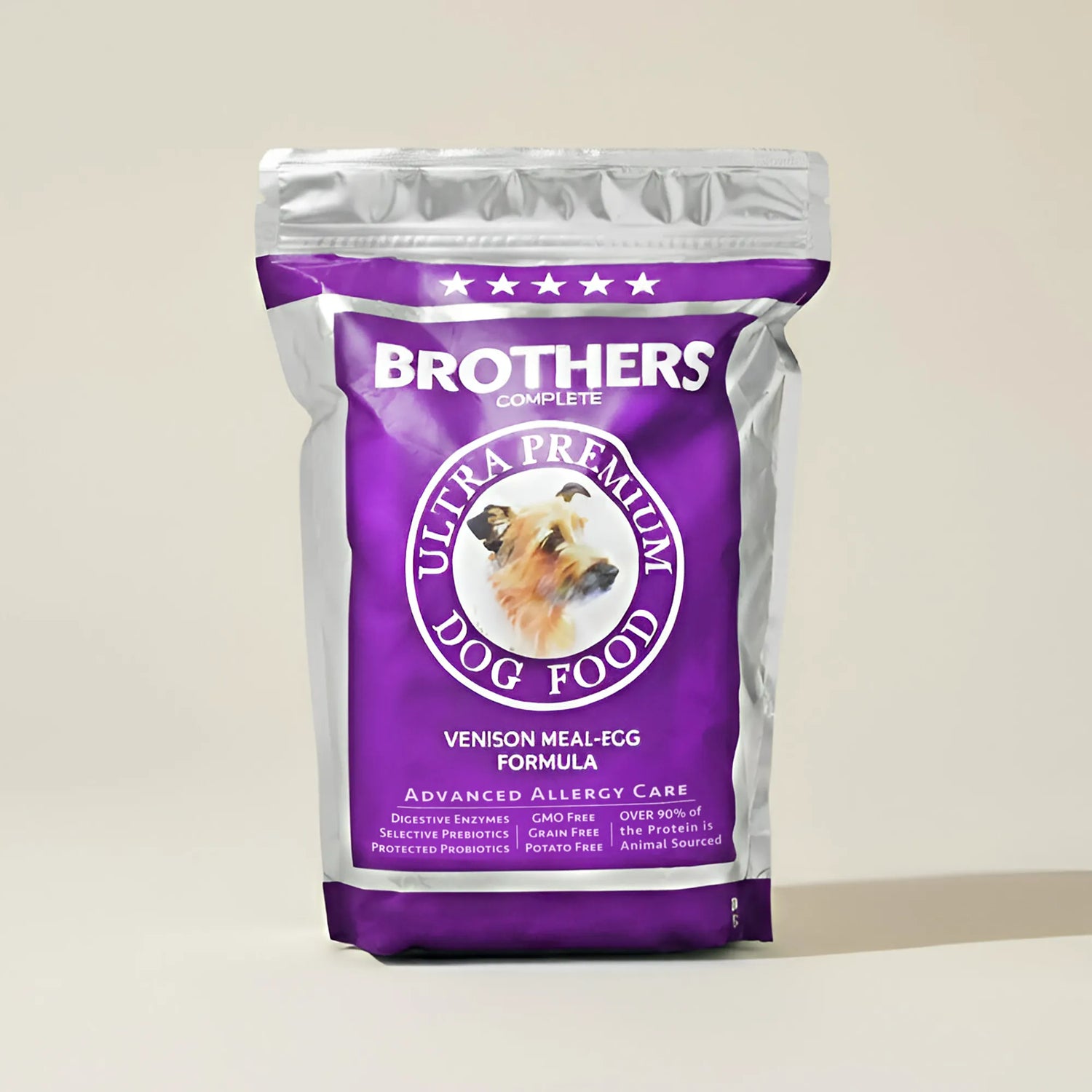
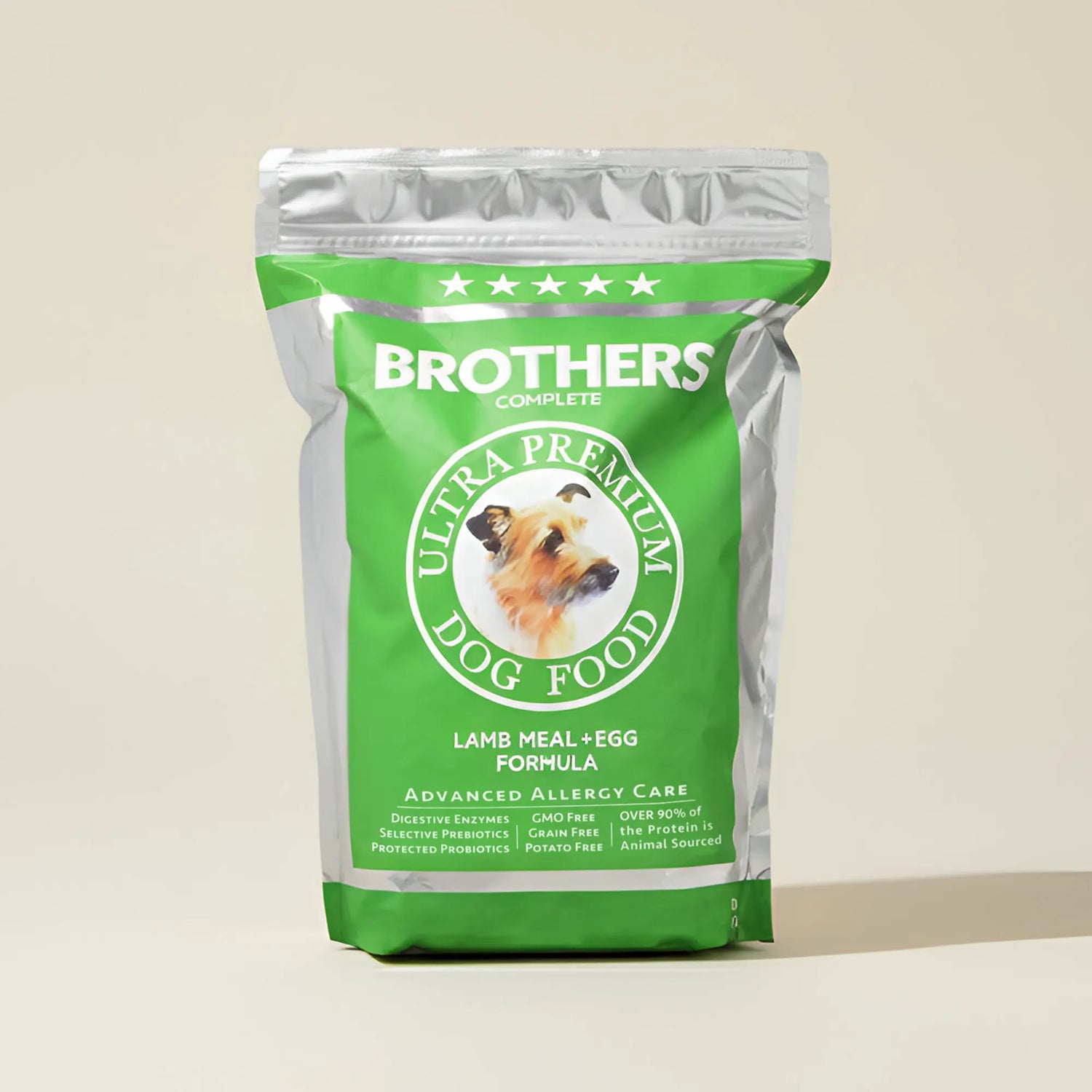
- Brothers Dog Food supports gut balance with enzymes, probiotics, and low-starch ingredients
Stress Doesn’t Just Show in Behavior - It Shows in the Gut
You’re not imagining it - dogs can and do suffer digestive problems from stress.
From loose stools to skipped meals to sudden accidents, your dog’s gut is incredibly sensitive to emotional and environmental triggers. Just like humans, dogs have a gut-brain connection that reacts to anxiety, change, or disruption.
According to the AKC Canine Health Foundation, a dog’s microbiome is a key player in their immune system, mood, and stress response. And when that microbiome is out of balance, the effects show up fast - especially in the poop.
Can Stress Really Affect Dog Poop?
Absolutely. Here’s how.
Gut-Brain Axis Disruption
The gut and brain communicate constantly through nerves, hormones, and immune signals. When your dog is stressed or anxious, that system is disrupted - leading to:
- Diarrhea or loose stool
- Mucus or clear liquid in poop
- Gas or bloating
- In some cases, blood in stool or colitis (as noted by VCA)
- What Does “Stress Poop” Look Like?
As Veterinary Partner notes, stress-related digestive symptoms may include:
- Urgency or accidents after loud noises, car rides, or separation
- Sudden shifts in stool consistency - normal to soft or liquid
- Clear or mucus-like discharge
- Straining or skipping meals
- Common Triggers for Digestive Upset
Common Triggers for Digestive Upset
Dogs are creatures of habit. Disruptions to their routine, environment, or emotional safety can upset their gut.
Some of the most common triggers include:
- Travel or boarding
- Changes in home dynamics (new pets, babies, or visitors)
- Missed meals or sudden dietary changes
- Loud environments or overstimulation
- Separation anxiety or owner absence
- Vet visits, grooming, or handling stress
In fact, Little Silver Animal Hospital notes that even healthy dogs may temporarily poop clear liquid or mucus under stress, especially when combined with poor diet or sensitivity.
How to Support Gut Health Through Lifestyle
You can’t prevent every stressor - but you can support your dog’s gut with a few intentional choices:
1. Create Routine and Predictability
- Feed at consistent times
- Keep walks and potty breaks on a schedule
- Limit sudden food or environment changes
2. Use Food That Supports Gut Resilience
Not all dog foods are created equal. Dogs under stress need:
- Probiotics and enzymes to support digestion
- Low-starch, low-filler ingredients that don’t feed harmful bacteria
- High-quality animal protein for easier digestion and better gut repair
That’s why Brothers Dog Food is formulated to:
- Reduce inflammation
- Promote microbiome balance
- Improve nutrient absorption
- Support immune and emotional health
3. Create Calm During High-Stress Moments
- Use calming supplements or pheromone diffusers
- Try anxiety wraps or background music
- Offer crate spaces or quiet corners where your dog can retreat
- Avoid punishment during accidents - focus on reassurance
Signs Your Dog’s Gut Might Be Affected by Stress
- Loose or watery poop after new experiences
- Refusal to eat when anxious
- Pooping indoors despite being house-trained
- Increased licking, pacing, or clinginess
- Unexplained gas or digestive upset
- Recurring gut issues despite good food
Final Thoughts: Emotional Health = Digestive Health
Your dog’s gut isn’t just where food goes - it’s where their physical and emotional well-being begins. Stress can weaken the gut. A weak gut can increase anxiety. And round and round it goes.
The key is to support both sides of the system - feed your dog in a way that nourishes their microbiome, and give them the consistency and calm that their gut depends on.
Disclaimer: This article is for informational purposes only and is not a substitute for professional veterinary advice. Always consult your veterinarian about your dog’s unique health and behavior needs.
Gut-first nutrition since 2009
The one variable you fully control