

What to Feed a Dog with Diarrhea (And What Could Make It Worse)
Few things cause more immediate concern than discovering your dog has diarrhea. Whether it's from a dietary indiscretion (that mystery trash they got into at the park), a sudden food change, stress, or an underlying health issue, loose stools are both distressing for your pup and worrying for you. The natural instinct is to reach for something bland and simple to help settle their stomach. But what actually works? And what common advice might actually delay recovery?
At Brothers Dog Food, we believe in transparency, science-backed nutrition, and educating pet parents to make confident choices, especially during those stressful moments when your dog needs you most. Understanding what to feed a dog with diarrhea isn't just about getting through the next 24 hours. It's about supporting their gut microbiome recovery and setting the foundation for long-term digestive resilience.
Quick Summary:
- Easily digestible foods with low fat content are generally gentler on an upset digestive system
- Probiotics containing strains like Lactobacillus and Bifidobacterium help restore beneficial gut bacteria disrupted during diarrhea episodes
- Avoid high-fat foods and sudden dietary changes that can stress an already compromised digestive tract
- Gradual reintroduction of regular food prevents relapse after symptoms improve
- Persistent diarrhea (lasting more than 24-48 hours) or accompanied by other symptoms requires veterinary attention
Understanding What Causes Diarrhea in Dogs
Before we talk about what to feed, it's worth understanding why diarrhea happens in the first place. Diarrhea is a symptom, not a disease. Your dog's digestive system is responding to something that disrupted its normal function.
Common triggers include:
- Dietary indiscretion (eating spoiled food, garbage, or non-food items)
- Abrupt food changes without a gradual transition period
- Food sensitivities or allergies to specific proteins or ingredients
- Stress or anxiety affecting gut motility and microbiome balance
- Parasites, bacteria, or viral infections
- Inflammatory bowel disease or other chronic conditions
The goal during an acute diarrhea episode is to reduce the workload on the digestive system while supporting the restoration of healthy gut bacteria. That's where food choices become critical, not just for managing symptoms today, but for preventing future episodes.
What to Feed: The Basics of Digestive Recovery
When your dog's gut is compromised, the priority is gentle, easily digestible nutrition that won't further irritate the intestinal lining or overwhelm digestive capacity.
While many traditional recommendations exist (and some lack rigorous scientific backing for veterinary use), the principle remains consistent: simple, low-fat, easily processed foods allow the digestive tract to recover without added stress.
General guidelines include:
- Lean protein sources that are easy to break down and absorb
- Simple carbohydrates that provide energy without excessive fiber that could worsen loose stools
- Low-fat formulations since high fat content can delay gastric emptying and exacerbate symptoms
- Small, frequent meals rather than large portions that tax digestive capacity
Some pet parents find that a brief period of dietary simplification helps, transitioning to bland foods for 24-48 hours before gradually reintroducing regular meals. However, maintaining hydration is non-negotiable: always ensure fresh water is available, as diarrhea causes significant fluid loss.
The Critical Role of Probiotics During Diarrhea
Here's where science gets specific: probiotics containing strains like Lactobacillus and Bifidobacterium help restore beneficial gut bacteria disrupted during diarrhea episodes, according to the American Kennel Club.
Your dog's gut microbiome, the complex ecosystem of bacteria, fungi, and other microorganisms in their digestive tract, plays a crucial role in nutrient absorption, immune function, and stool formation. When diarrhea strikes, this delicate balance is disrupted. Harmful bacteria may proliferate while beneficial strains diminish.
Supplementing with targeted probiotics during and after a diarrhea episode can:
- Accelerate recovery by repopulating the gut with beneficial bacteria
- Compete with pathogenic organisms that may be contributing to symptoms
- Support intestinal barrier function and reduce inflammation
- Improve stool consistency by normalizing digestive processes
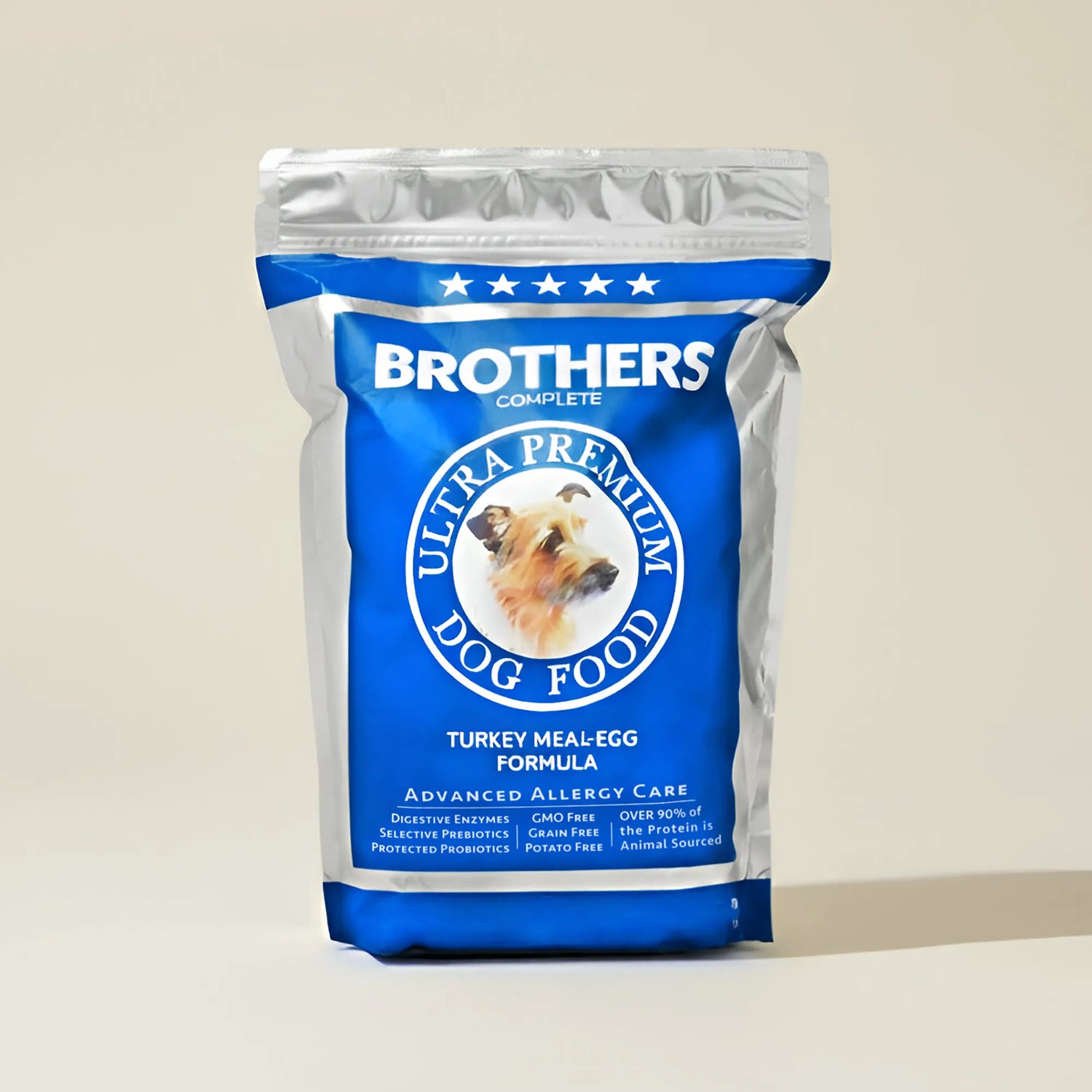
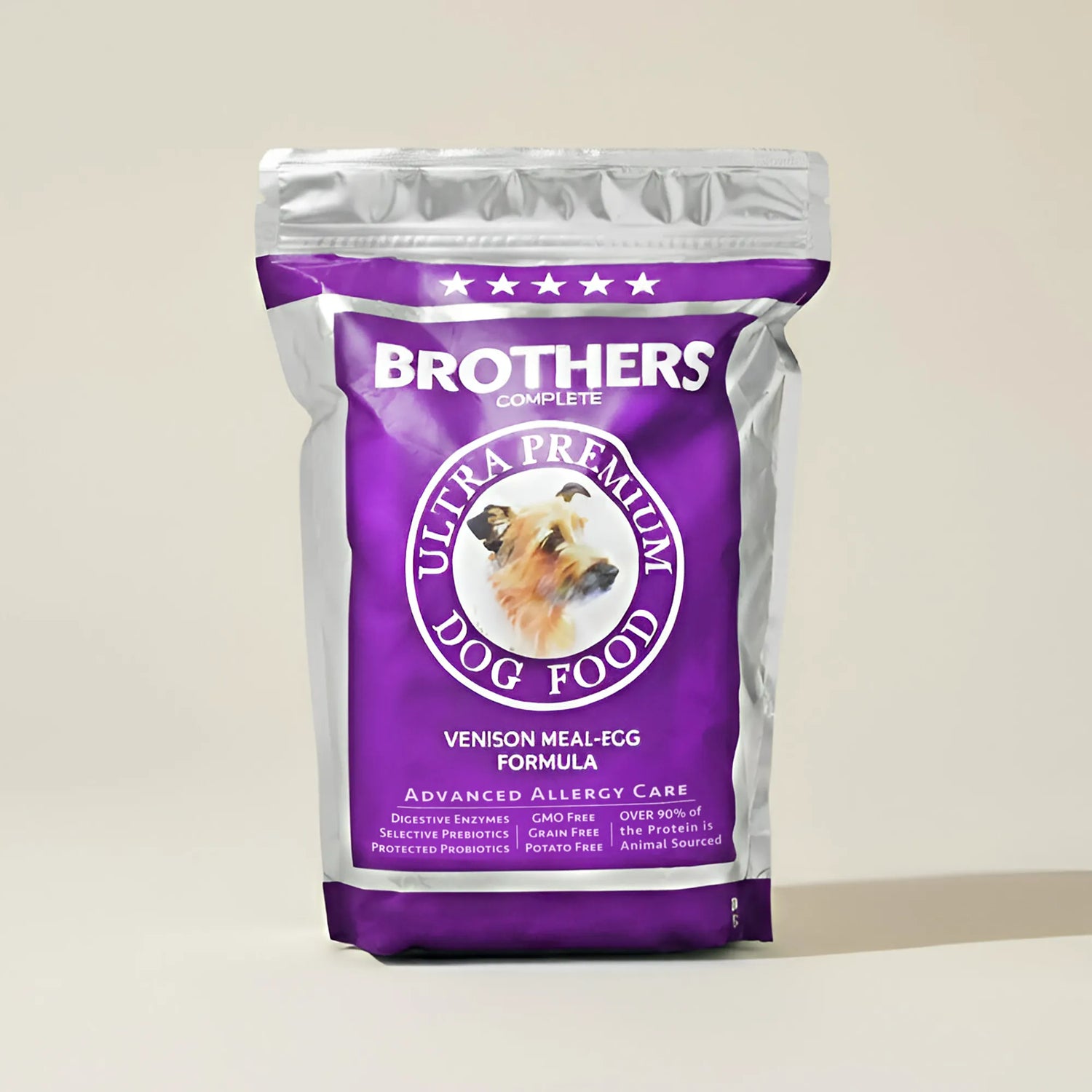
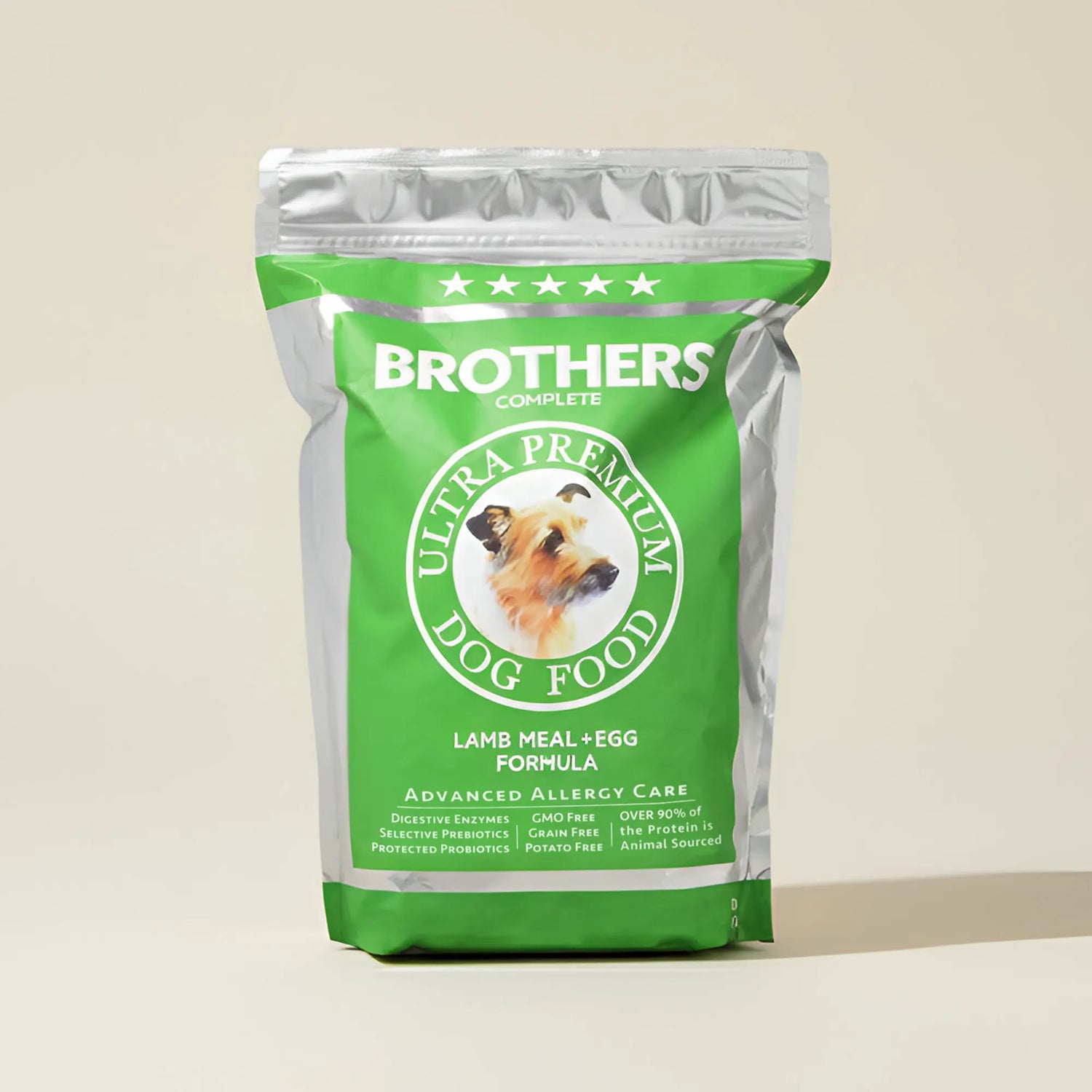
- This is precisely why Brothers Dog Food formulates every recipe with our
proprietary probiotic blend, because gut health isn't just about preventing problems. It's about building resilience so your dog's digestive system can better handle occasional stressors.
What to Avoid: Foods That Can Worsen Diarrhea
Just as important as knowing what to feed is understanding what to skip during a diarrhea episode:
High-Fat Foods: Fatty meats, oils, and rich treats can slow gastric emptying and stress an already upset digestive system. Keep protein sources lean and portions modest.
Dairy Products: Many adult dogs are lactose intolerant, and dairy can exacerbate diarrhea rather than soothe it. Avoid milk, cheese, and yogurt unless specifically recommended by your veterinarian.
High-Fiber Foods: While fiber plays a complex role in digestion, excessive fiber during acute diarrhea can sometimes worsen symptoms rather than help. Moderation is key.
Sudden Food Changes: Even switching to a "better" food during a diarrhea episode can backfire. The digestive system is already stressed, adding a novel protein or formulation can prolong symptoms. This is why gradual transitions matter even when your dog is healthy — learn more in our guide on how to switch dog food gradually.
Treats, Table Scraps, and People Food: Now is not the time for variety. Stick to simple, consistent foods until symptoms fully resolve.
Artificially Colored or Flavored Foods: Synthetic additives can irritate sensitive digestive systems. Look for clean ingredient lists without unnecessary chemicals.
Final Thoughts: Supporting Your Dog Through Digestive Upset
Diarrhea is never fun for you or your dog. But understanding what to feed during an episode, and more importantly, how to prevent future ones through science-backed daily nutrition, gives you confidence when those inevitable moments happen.
The truth is, not all dog foods are created equal when it comes to digestive support. Mass-market brands formulated with cheap fillers, artificial additives, and minimal quality control leave dogs more vulnerable to digestive upset. Meanwhile, a premium, gut-health-first formula with probiotics, enzymes, and clean ingredients builds the foundation for a digestive system that can weather occasional stress without falling apart.
At Brothers, we're transparent about our approach because we believe pet parents deserve to know exactly what they're feeding, and why it matters. When your dog's gut is healthy, they're healthier in every way. And when the occasional dietary mishap happens? Recovery is faster, symptoms are milder, and you're back to normal life together sooner.
Because more healthy years with your best friend, including fewer emergency vet visits and sleepless nights worrying about upset stomachs? That's always the goal.
Gut-first nutrition since 2009
A gentler landing for an unhappy gut