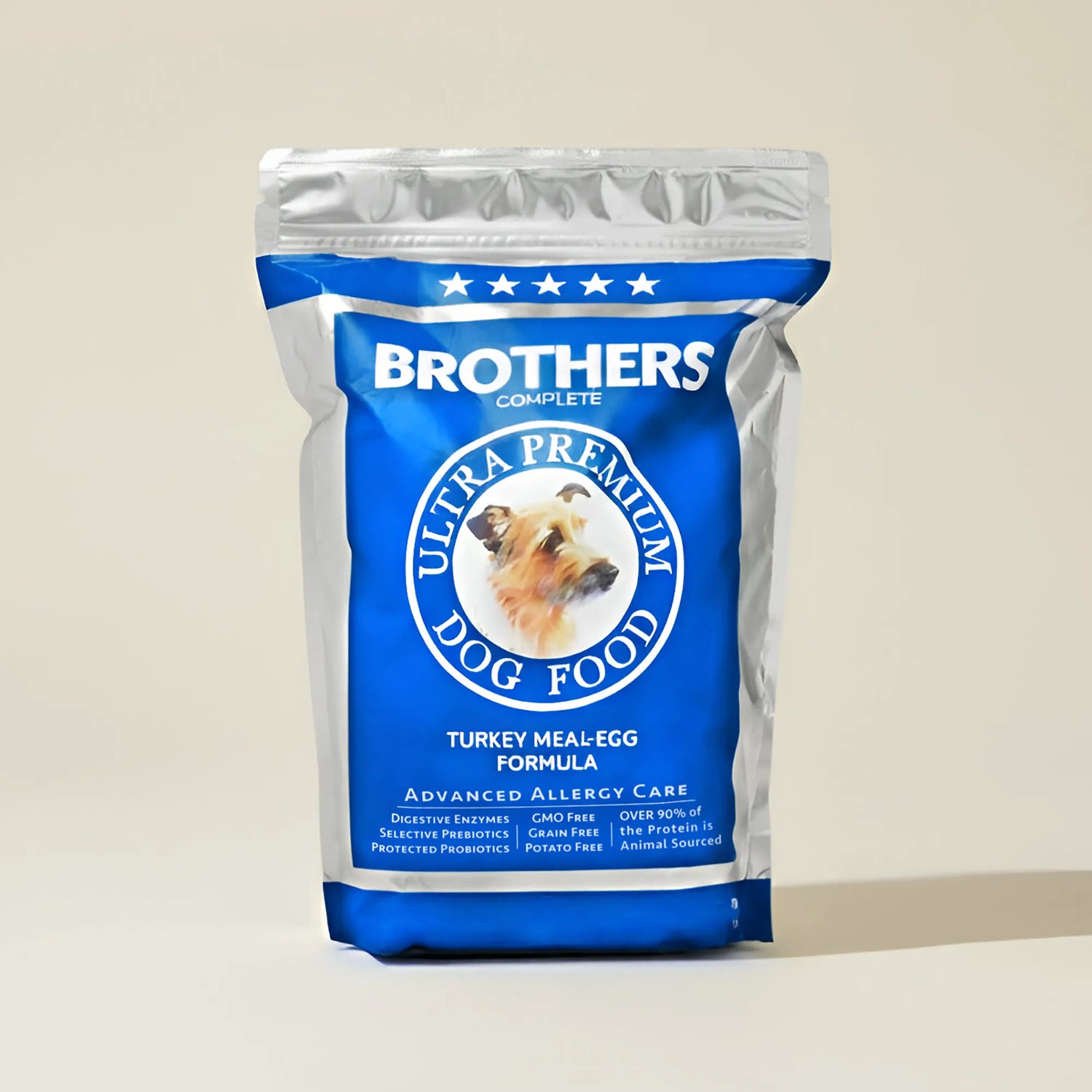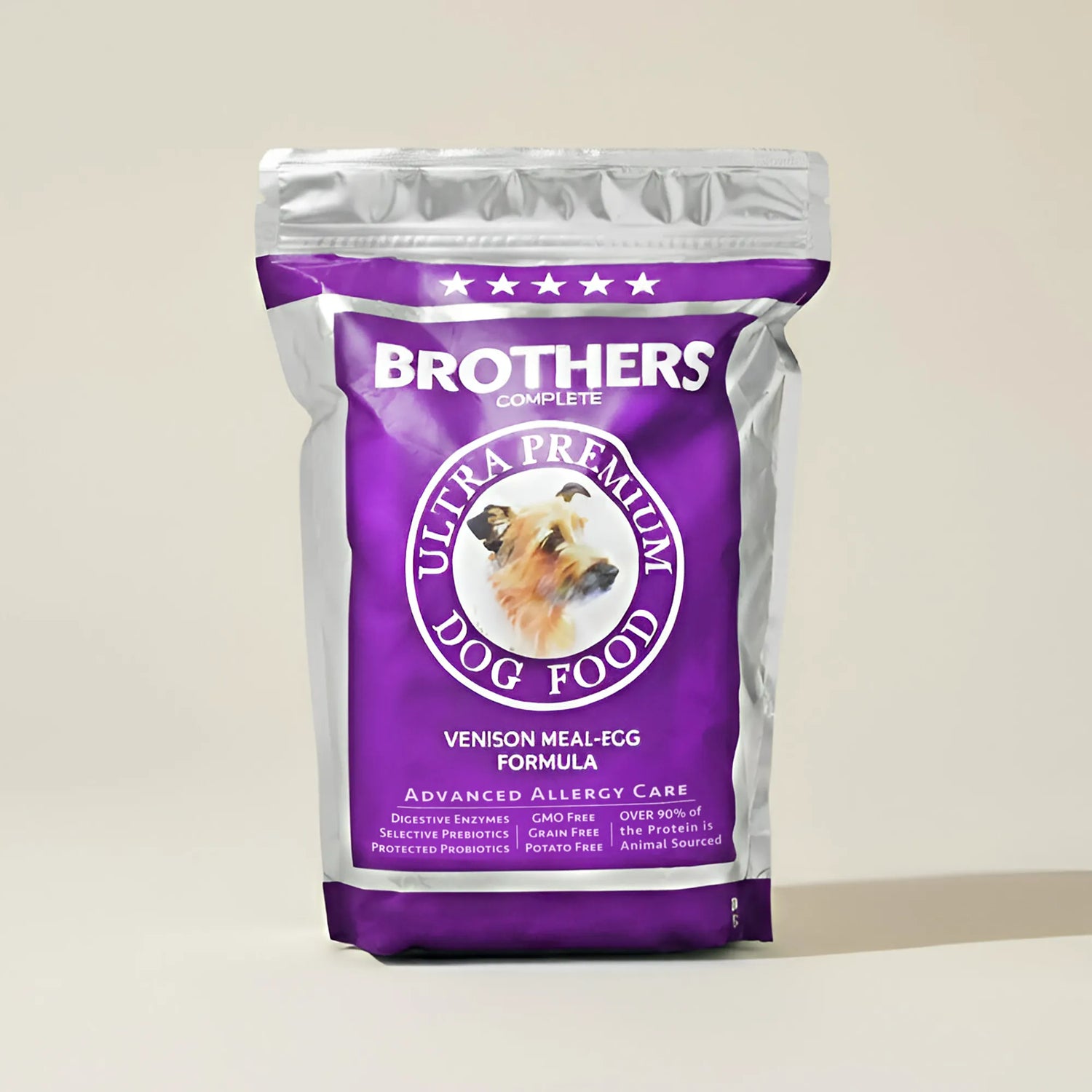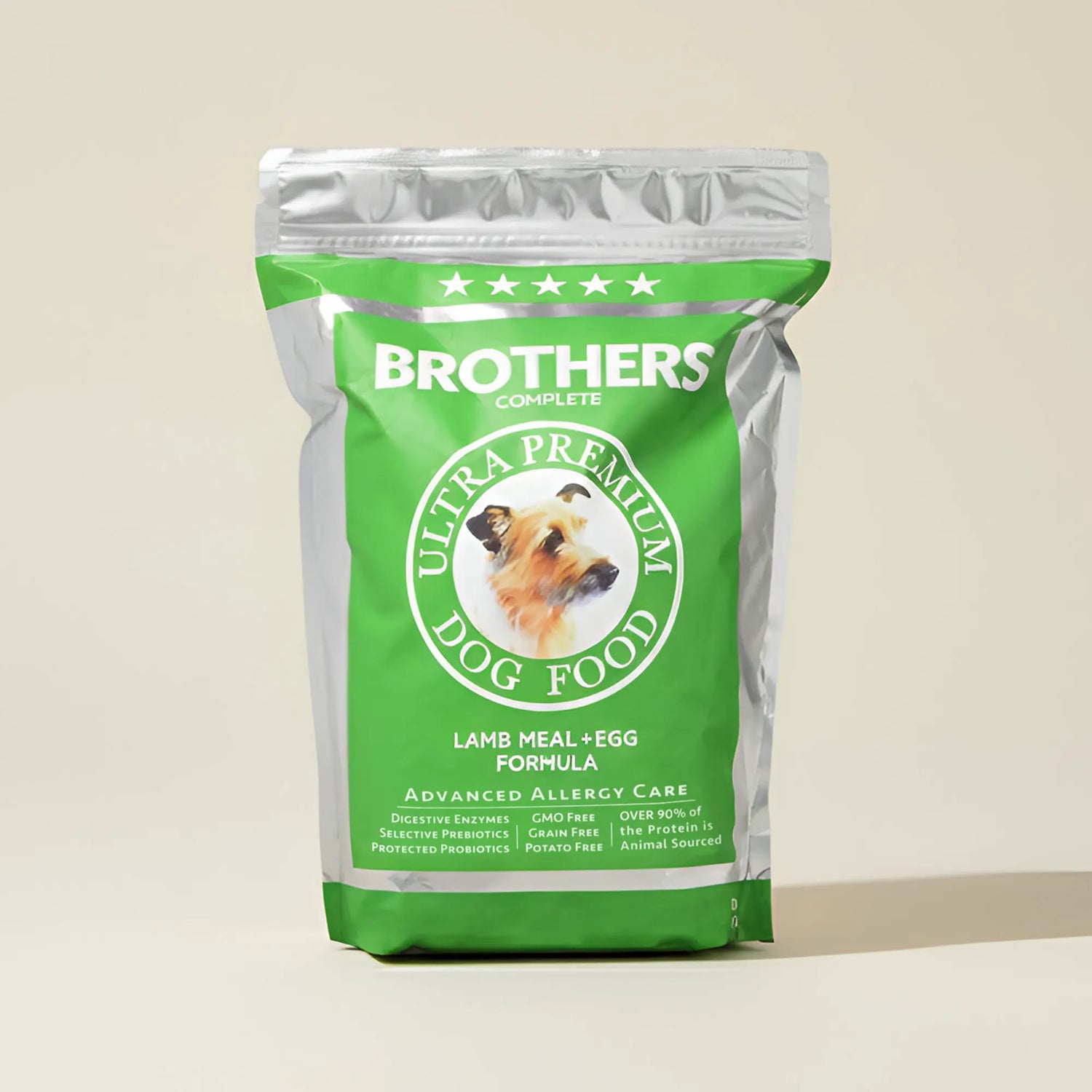


Human Foods Safe for Dogs: What to Share & What to Skip
You're eating dinner, and those eyes are on you. The head tilt. The gentle paw on your knee. And you think, Can I share just a little bit of this chicken? This carrot? This... leftover pizza?
As a devoted pet parent, you want to treat your dog without accidentally causing harm. The problem? The internet is full of conflicting advice, and some human foods that seem harmless can wreak havoc on your dog's digestive system — while others are perfectly safe and even beneficial. At Brothers Dog Food, we believe in transparency, science-backed nutrition, and educating pet parents to make confident choices. So let's cut through the confusion and talk about what's actually safe to share.
Quick Summary:
-
Cooked lean meats like chicken, turkey, and venison provide bioavailable protein and are safe for dogs
-
Many human foods can disrupt gut health, cause digestive upset, or introduce harmful bacteria
-
Plain vegetables like carrots, green beans, and sweet potatoes are generally safe in moderation
-
A complete, balanced diet formulated for dogs — like premium dog food — should always be the foundation
-
Gut health matters — even "safe" foods can cause issues if they disrupt your dog's digestive balance
What Makes Human Food "Safe" for Dogs?
Safety isn't just about toxicity — it's about digestibility, nutritional balance, and gut health impact.
Dogs have different digestive systems than humans. Their bodies process fats, proteins, and carbohydrates differently, and their gut microbiomes are uniquely adapted to their species. When we introduce human foods, we're potentially disrupting that balance — even if the food itself isn't toxic.
According to VCA Hospitals, cooked lean meats like chicken and turkey provide bioavailable protein without the bacterial contamination risks of raw meat. These are among the safest human foods you can share because they align with your dog's carnivorous digestive design — as long as they're plain, unseasoned, and fully cooked.
But here's the key: safe doesn't mean unlimited. Even healthy human foods should only make up about 10% of your dog's daily caloric intake. The other 90% should come from a complete, balanced formula designed specifically for canine nutrition.
The Gut-Health Perspective: Why Some Foods Cause Problems
When we talk about food safety for dogs, most advice focuses on toxicity. But at Brothers Dog Food, we're equally concerned about gut health because a disrupted microbiome can lead to chronic inflammation, allergies, digestive upset, and long-term health issues.
Many human foods — even non-toxic ones — can harm your dog's gut health:
High-fat foods (bacon, cheese, fried foods) can trigger pancreatitis and disrupt the gut lining, potentially leading to conditions like leaky gut.
Heavily processed foods introduce artificial additives, excessive sodium, and inflammatory ingredients that stress the digestive system.
Dairy products are difficult for many dogs to digest due to lactose intolerance, causing gas, bloating, and diarrhea.
Foods high in sugar or simple carbs can feed harmful bacteria in the gut, creating imbalances in the microbiome.
This is why we formulate our gut health dog food with digestive enzymes and probiotics — to actively support microbial balance and digestive function, not just avoid harm.
Human Foods That Are Generally Safe for Dogs
Let's get practical. Here are human foods that are widely considered safe when given in moderation, plain, and properly prepared:
Proteins:
-
Cooked chicken (skinless, boneless)
-
Cooked turkey (no seasoning, no bones)
-
Cooked lean beef (no seasoning)
-
Cooked eggs (fully cooked, no butter or oil)
-
Plain fish like salmon or whitefish (cooked, boneless)
Vegetables:
-
Carrots (raw or cooked)
-
Green beans (plain, steamed or raw)
-
Sweet potatoes (cooked, plain)
-
Broccoli (small amounts, steamed)
-
Cucumber slices
-
Peas
Fruits:
-
Blueberries
-
Apples (remove seeds and core)
-
Watermelon (seedless, no rind)
-
Strawberries
-
Bananas (in moderation due to sugar content)
Other:
-
Plain white or brown rice (cooked)
-
Plain oatmeal (cooked, no sugar or flavoring)
-
Plain peanut butter (xylitol-free — always check the label)
Notice the theme? Plain, unseasoned, and minimally processed. No added salt, garlic, onions, butter, oil, or spices.
Human Foods That Harm Gut Health (Even If They're Not "Toxic")
Now let's talk about the foods that won't cause an emergency vet visit but can absolutely wreck your dog's digestive system over time.
Fatty meats and fried foods — bacon, sausage, fried chicken, fatty cuts of beef. These can trigger pancreatitis, cause diarrhea, and stress the liver and pancreas. They also introduce inflammatory fats that disrupt the gut lining.
Dairy products — milk, cheese, ice cream, yogurt (unless specifically formulated for dogs). Most adult dogs are lactose intolerant, and dairy can cause gas, bloating, and loose stools.
Bread and baked goods — especially those with butter, sugar, or yeast. Bread dough can expand in the stomach and cause bloating. Baked goods often contain sugar and fats that disrupt gut bacteria.
Processed snacks — chips, crackers, pretzels. High in sodium, artificial flavors, and preservatives that dogs' systems aren't designed to handle.
Spicy or heavily seasoned foods — anything with garlic, onion powder, hot sauce, or excessive salt. These can irritate the digestive tract and cause inflammation.
Even if your dog seems fine after eating these foods, chronic exposure can lead to gut dysbiosis, inflammation, and long-term digestive issues.
Why "Just a Little Bit" Can Still Be a Problem
Here's where well-meaning pet parents get tripped up: moderation.
You might think, "It's just a tiny piece of cheese" or "One French fry won't hurt." And you're right — one probably won't cause acute harm. But dogs are creatures of habit, and those tiny pieces add up. More importantly, even small amounts of inappropriate foods can shift gut bacteria balance over time, especially in dogs with sensitive stomachs or existing digestive issues.
This is why at Brothers Dog Food, we recommend sticking to a complete, balanced formula as the foundation — one that's designed to actively support gut health with probiotics and digestive enzymes. Human food should be an occasional, carefully chosen addition, not a daily habit.
If you do share human food, keep it to less than 10% of daily calories, and choose from the safe list above.
The Brothers Dog Food Difference
We know that feeding your dog well means more than just avoiding toxic foods — it means actively supporting their long-term digestive health every single day.
Gut-Health-First Formulas
Our recipes include a proprietary blend of digestive enzymes and probiotics designed to support microbial balance, nutrient absorption, and digestive function. Because a healthy gut isn't just about what you avoid — it's about what you actively nourish.
Premium-Grade Ingredients, Zero Fillers
We use cooked lean meats as our primary protein sources — the same kind veterinarians recommend as safe human foods for dogs. No mystery meals, no artificial additives, and no ingredients you wouldn't recognize. Just real, whole-food nutrition formulated for optimal digestion.
No Corn, Wheat, Soy, or Artificial Additives
We exclude common gut irritants and inflammatory ingredients. No cheap fillers that disrupt digestion. No artificial colors or flavors that stress the microbiome. Just science-backed nutrition that supports your dog's long-term health.
Small-Batch Manufacturing & Total Transparency
Every batch is carefully formulated and tested. We don't hide behind vague marketing claims — we list every ingredient, cite our sources, and explain why each component matters. Because you deserve to know exactly what's in your dog's bowl.
How Smart Food Choices Support Long-Term Health
When you prioritize gut health and choose foods wisely — whether from your plate or from a thoughtfully formulated kibble — you're investing in your dog's long-term wellness.
-
Stronger immune function — up to 70% of immune cells live in the gut, so a healthy microbiome means better disease resistance
-
Better nutrient absorption — digestive enzymes and balanced gut bacteria help your dog actually use the nutrition in their food
-
Reduced inflammation — avoiding inflammatory foods and supporting gut integrity can decrease chronic inflammation throughout the body
-
Fewer digestive issues — consistent, appropriate nutrition means fewer bouts of diarrhea, gas, bloating, and stomach upset
-
Healthier skin and coat — gut health directly impacts skin health, reducing itchiness and irritation from the inside out
This is why we're so passionate about gut health dog food — because everything starts with digestion.
Final Thoughts: Small Choices, Big Impact
Here's the truth: sharing a piece of plain, cooked chicken with your dog isn't going to harm them. But making a habit of slipping them pizza crusts, cheese, and fatty scraps? That absolutely can.
The best gift you can give your dog isn't a bite of your dinner. It's a complete, balanced diet formulated to support their unique digestive needs every single day, and the discipline to keep treats safe, simple, and infrequent.
At Brothers Dog Food, we're committed to transparency, science-backed formulas, and helping you make confident choices for your dog's health. Because more healthy years with your best friend? That's always the goal.
Real food ingredients
Ingredients you can actually pronounce

Share