

Best Dog Food for Joint Support — What to Look for & Why it Matters
If you're raising a Great Dane, Golden Retriever, German Shepherd, or any large breed dog, you've probably heard the warnings: "Watch their joints." "Don't overfeed during puppyhood." "Big dogs are prone to hip problems." It's enough to make any devoted pet parent anxious — and rightfully so. Your large breed companion's size and weight naturally place more stress on their skeletal system, and the choices you make about their nutrition today can influence their mobility for years to come.
At Brothers Dog Food, we believe in transparency, science-backed nutrition, and educating pet parents to make confident choices. We know that joint health isn't just about adding a supplement to any old kibble — it's about the entire nutritional foundation, from ingredient quality to calorie density to gut health. In this guide, we'll cut through the marketing hype and give you the facts about what large breed dogs really need to support healthy joints throughout their lives.
Quick Summary:
-
Large breed dogs face unique orthopedic challenges due to their size and weight
-
Maintaining a lean body condition is one of the most important factors for joint health
-
Quality protein, controlled calories, and premium ingredient sourcing support overall musculoskeletal health
-
Gut health plays an underappreciated role in systemic inflammation and joint comfort
-
Brothers formulas are designed with digestive health and weight management in mind — both critical for large breed joint wellness
Why Large Breed Dogs Face Unique Joint Challenges
Large breed dogs — typically those weighing 50+ pounds at maturity — carry significantly more body mass than their smaller counterparts. This increased weight places greater mechanical stress on joints, tendons, and ligaments with every step, jump, and play session. Over time, this cumulative stress can contribute to wear and tear on cartilage and connective tissue.
Breeds like Labrador Retrievers, Rottweilers, Mastiffs, and Saint Bernards are particularly known for orthopedic concerns as they age. While genetics play a role, environmental factors — especially nutrition and body weight — are within your control and can make a meaningful difference in your dog's quality of life.
The reality is that many large breed dogs are predisposed to conditions like hip dysplasia, elbow dysplasia, and osteoarthritis. But that doesn't mean joint issues are inevitable. Thoughtful nutrition, appropriate exercise, and maintaining a healthy weight are among the most powerful tools you have to support your dog's long-term mobility.
The Weight-Joint Connection: Why Lean Matters
Here's a fact that deserves to be in bold: excess body weight is one of the single most impactful factors affecting joint health in large breed dogs. Even a few extra pounds can exponentially increase the force placed on weight-bearing joints during movement.
Think of it this way: if your 80-pound dog gains just 5 pounds of excess weight, that's not just 5 pounds of static mass. During activity, that extra weight creates multiplied force on the hips, knees, and elbows — stress that compounds over thousands of steps per day, year after year.
This is why weight management isn't just about aesthetics or avoiding obesity-related diseases. For large breed dogs, maintaining a lean body condition is joint protection. It's one of the most direct, controllable ways to reduce orthopedic stress and support comfortable movement as your dog ages.
At Brothers, we formulate our recipes with calorie density and nutrient balance in mind — so you can feed a satisfying portion without overloading your dog with unnecessary calories. That's not just good for their waistline. It's good for their joints, their heart, and their longevity.
What to Look for in Joint Health Dog Food for Large Breeds
When evaluating a dog food for joint health, the conversation often jumps straight to supplements like glucosamine or chondroitin. But before we talk about add-ins, let's talk about the foundation: ingredient quality, protein content, and digestive efficiency.
High-Quality Protein Sources
Protein is essential for maintaining lean muscle mass, which in turn supports and stabilizes joints. Look for named animal proteins (like chicken, lamb, or turkey) as the first ingredient — not generic "meat meal" or plant-based fillers. Muscle mass acts as a natural shock absorber for joints, so feeding a high-protein dog food helps maintain that critical musculoskeletal support system.
Controlled Calorie Density
Large breed dogs don't need calorie-dense, high-fat formulas unless they're extremely active working dogs. Most family companions do best on moderate-calorie foods that support lean body condition. Overfeeding — even a premium food — can lead to weight gain and increased joint stress.
Digestive Health Support
Here's where most pet food companies miss the mark: they focus on joint-specific ingredients but ignore the gut. Chronic low-grade inflammation — often rooted in poor digestion or gut imbalance — can contribute to systemic inflammation that affects joints. A gut health dog food with probiotics and digestive enzymes supports nutrient absorption, reduces inflammation, and promotes overall wellness.
No Unnecessary Fillers
Corn, wheat, and soy are cheap fillers that add calories without meaningful nutrition. They can also trigger sensitivities in some dogs, contributing to inflammation. Feeding a formula free from these ingredients reduces the risk of gut irritation and keeps the focus on nutrient-dense, bioavailable ingredients.
Why Joint Health Starts in the Gut
This might surprise you, but joint health and gut health are more connected than most pet parents realize. The gut is the epicenter of your dog's immune system and plays a central role in managing inflammation throughout the body.
When digestion is compromised — whether due to poor-quality ingredients, lack of enzymes, or imbalanced gut flora — the result can be chronic low-grade inflammation. This systemic inflammation doesn't stay confined to the digestive tract. It can affect joints, skin, energy levels, and overall immune function.
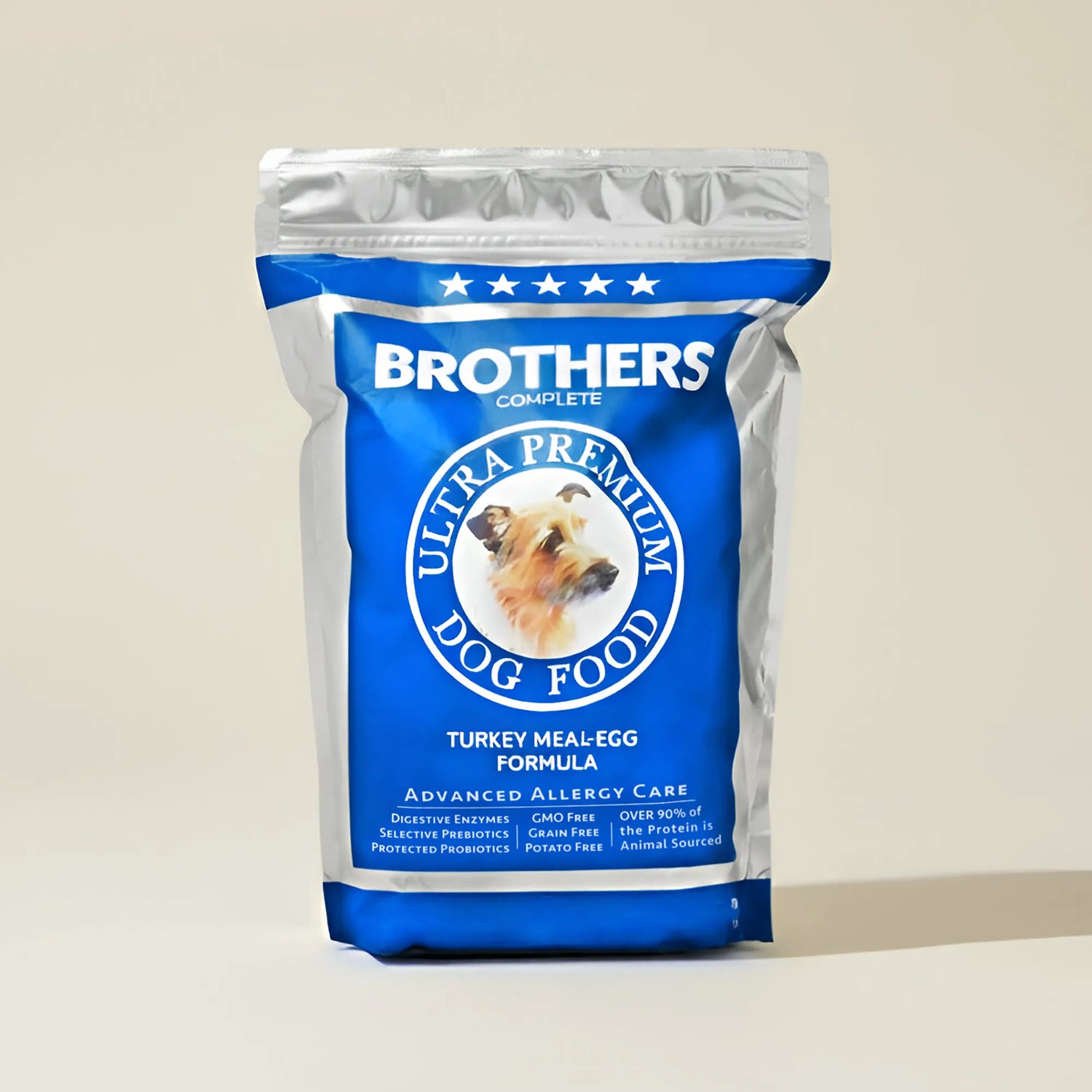
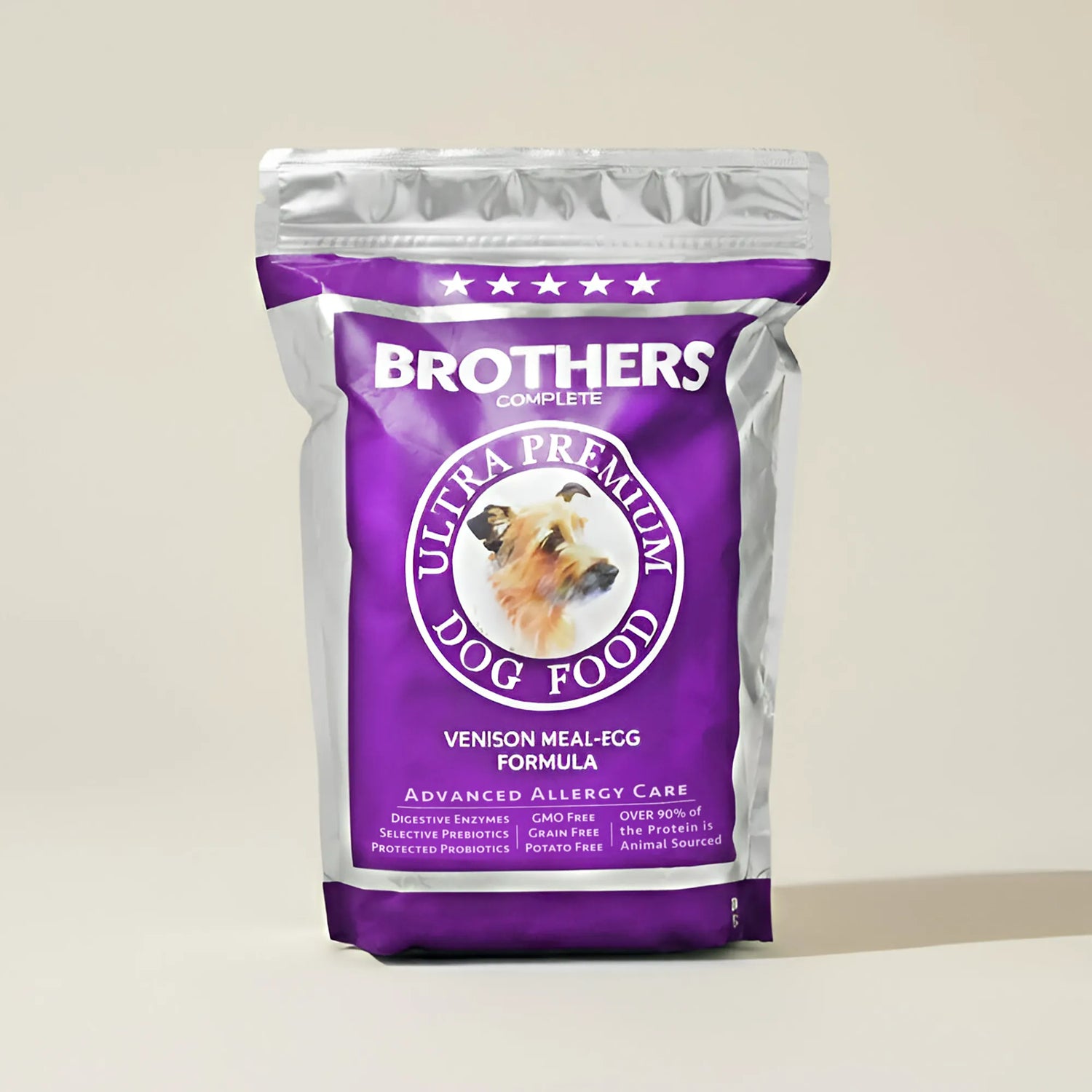
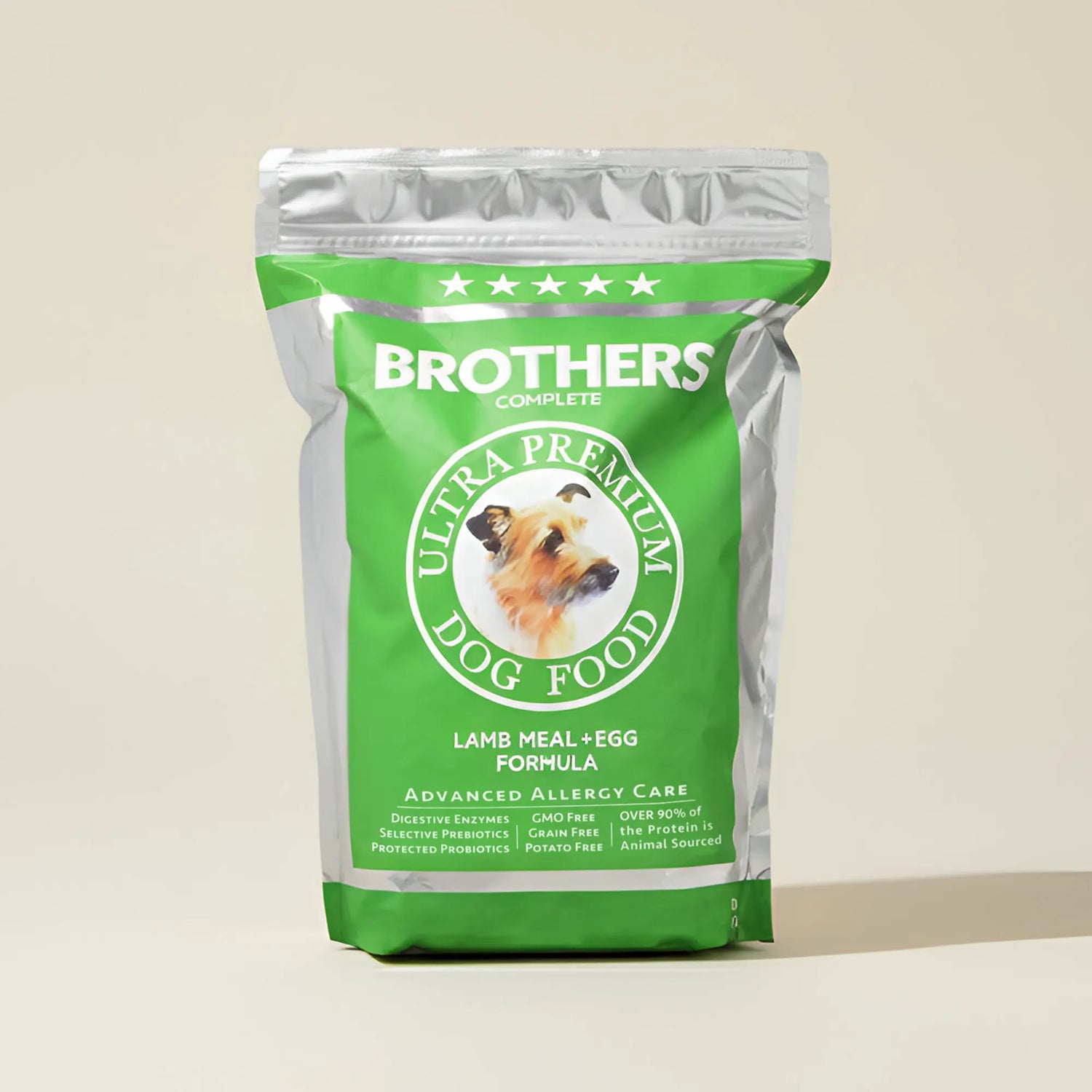
At Brothers, we've built our formulas around proprietary digestive enzyme and probiotic blends specifically because we understand this connection. Healthy digestion means better nutrient absorption, less inflammatory stress, and a more balanced immune response — all of which support joint comfort and mobility over the long term.
The Brothers Dog Food Difference
We didn't create Brothers Dog Food to add another option to an already crowded market. We created it because we saw a gap: most brands focus on trendy ingredients or flashy marketing, but few prioritize the foundational health systems — digestion, nutrient absorption, and metabolic balance — that truly determine quality of life.
Gut-Health-First Formulas with Proprietary Enzyme & Probiotic Blends
Every Brothers recipe includes our custom blend of digestive enzymes and probiotics to support optimal nutrient breakdown, absorption, and gut flora balance. This isn't just about avoiding upset stomachs — it's about reducing systemic inflammation and supporting every system in your dog's body, including their joints.
Premium-Grade Protein with No Corn, Wheat, or Soy
We use high-quality, named animal proteins as the foundation of our formulas — never generic by-products or plant-based fillers. And we've eliminated corn, wheat, and soy entirely, reducing the risk of gut irritation and unnecessary calorie load. That means more nutrition per bite and less metabolic stress.
Calorie-Controlled Recipes Designed for Lean Body Condition
Our formulas are designed to support healthy weight maintenance — critical for large breed dogs. We balance protein, fat, and carbohydrates to deliver complete nutrition without excess calories, so your dog can stay lean, active, and comfortable for years to come.
Small-Batch Manufacturing & Full Transparency
We manufacture in small batches and maintain complete transparency about our ingredient sourcing and formulation process. You'll never find vague terms like "natural flavors" or mystery meals in our recipes. Just real, identifiable ingredients you can feel good about.
How Joint-Supportive Nutrition Supports Long-Term Health
Feeding a high-quality, gut-focused diet isn't just about avoiding problems — it's about building resilience in your dog's body so they can enjoy an active, comfortable life well into their senior years.
-
Maintains Lean Muscle Mass – Quality protein supports muscle development and maintenance, which stabilizes joints and reduces strain on connective tissue.
-
Reduces Inflammatory Load – A healthy gut minimizes systemic inflammation, which can otherwise contribute to joint discomfort and stiffness.
-
Supports Healthy Weight – Calorie-controlled nutrition prevents excess weight gain, one of the most significant risk factors for joint stress in large breed dogs.
-
Enhances Nutrient Absorption – Digestive enzymes and probiotics ensure your dog actually absorbs the vitamins, minerals, and amino acids they need for tissue repair and overall wellness.
-
Promotes Overall Vitality – When digestion is efficient and inflammation is low, your dog has more energy, better mobility, and a stronger immune system to support long-term health.
Final Thoughts: Invest in the Foundation, Not Just the Add-Ons
Here's the truth: there's no magic supplement that can compensate for poor-quality base nutrition. If the foundation of your dog's diet is built on fillers, low-grade proteins, and gut-irritating ingredients, adding glucosamine won't fix the underlying issues.
Joint health for large breed dogs starts with a solid nutritional foundation: premium ingredients, digestive support, and calorie control. That's what allows their bodies to build and maintain strong muscles, healthy connective tissue, and balanced inflammatory responses.
At Brothers Dog Food, we've designed every formula with this foundation in mind — because we know that a healthy gut, a lean body, and high-quality nutrition are the real keys to keeping your large breed dog active, comfortable, and happy for as many years as possible.
Because more healthy years with your best friend? That's always the goal.
Share