


Best Dog Food for Rhodesian Ridgebacks


Rhodesian Ridgebacks are powerful, lean, athletic hounds, bred in Africa to cover ground for hours and built on hard, functional muscle. That athletic physique is the whole point of the breed, and it depends directly on nutrition. Maintaining lean muscle takes real animal protein, their large frame and active joints need support, and like many deep-chested breeds they can have a sensitive stomach and an elevated bloat risk. For a Rhodesian Ridgeback, food isn’t just fuel, it’s what keeps a working athlete sound, lean, and strong.
Why Brothers Dog Food is a great option for Rhodesian Ridgebacks:
- High-quality animal protein at 30% to 36% crude protein, to build and maintain the lean, functional muscle this athletic hound is defined by
- Supports joint and hip health with omega-3s and quality protein, important for a large, hard-moving breed
- Promotes healthy digestion and gut balance for a deep-chested breed that can be sensitive-stomached
- Helps manage weight and condition, keeping a Ridgeback lean and athletic, never heavy
- Balanced, sustained-energy nutrition for an active, high-endurance breed
- Made without unnecessary fillers and artificial additives that add inflammatory burden and no benefit to a working athlete
If you’re searching for the best food for Rhodesian Ridgebacks, Brothers is formulated with the protein quality, joint support, and digestibility this athletic breed demands.
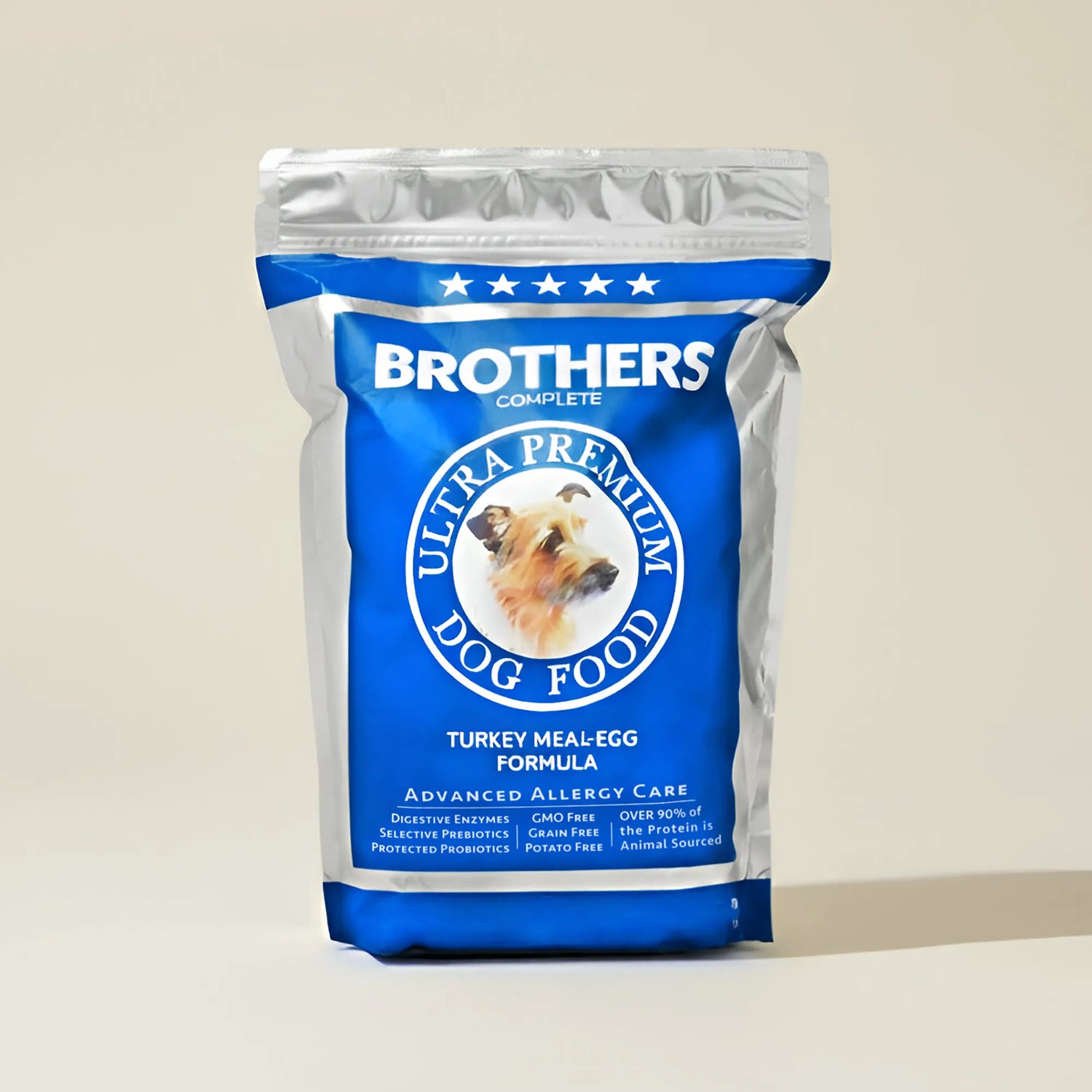
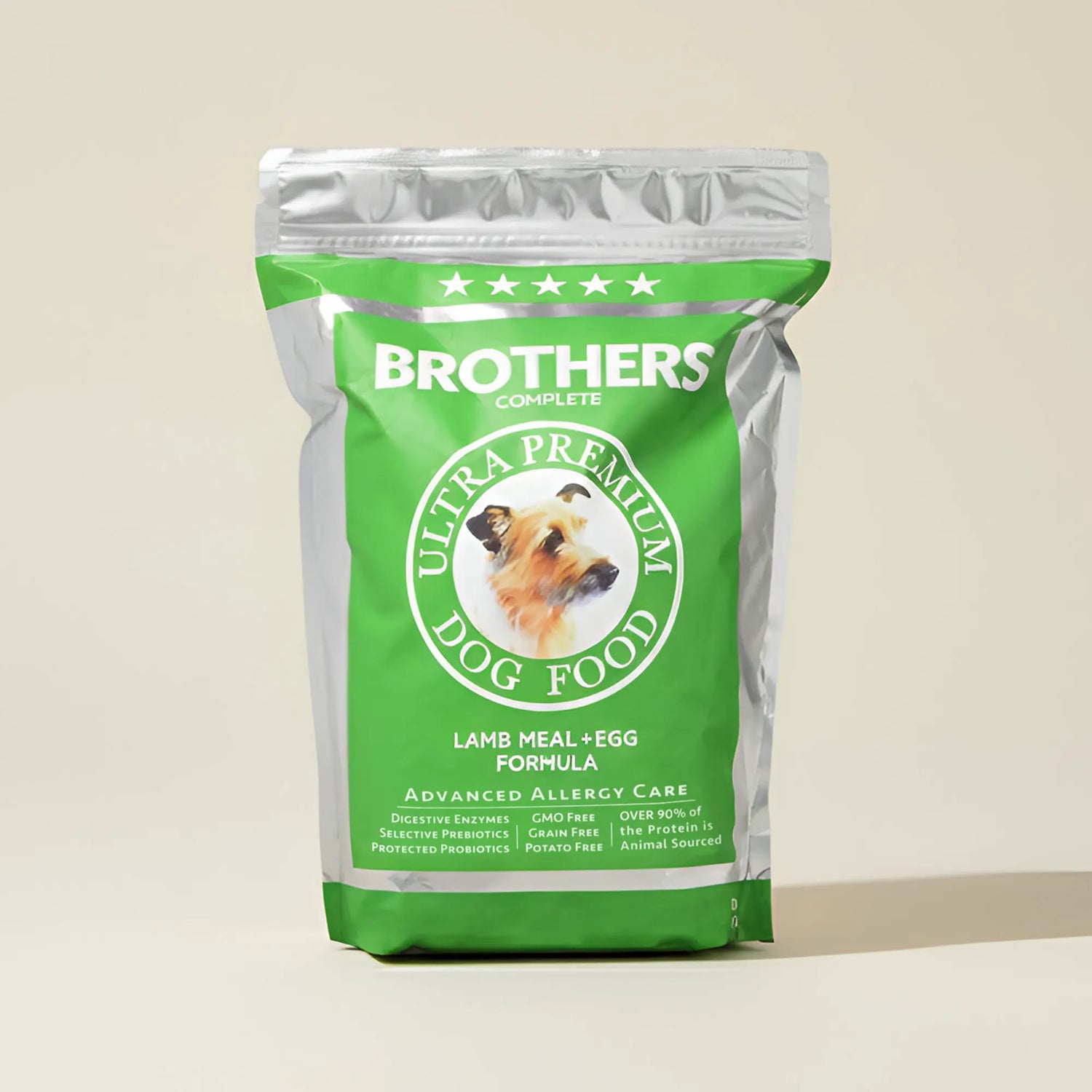
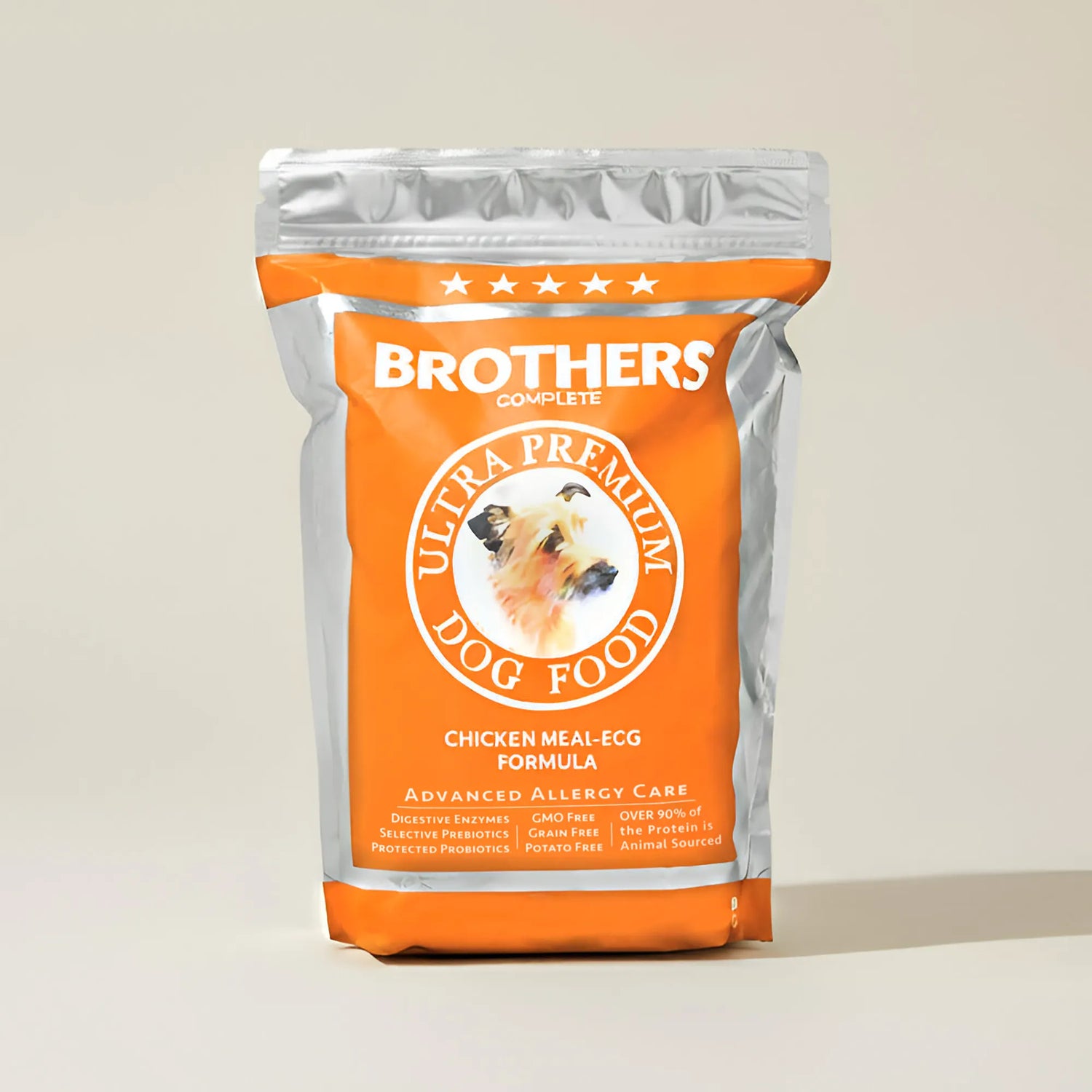
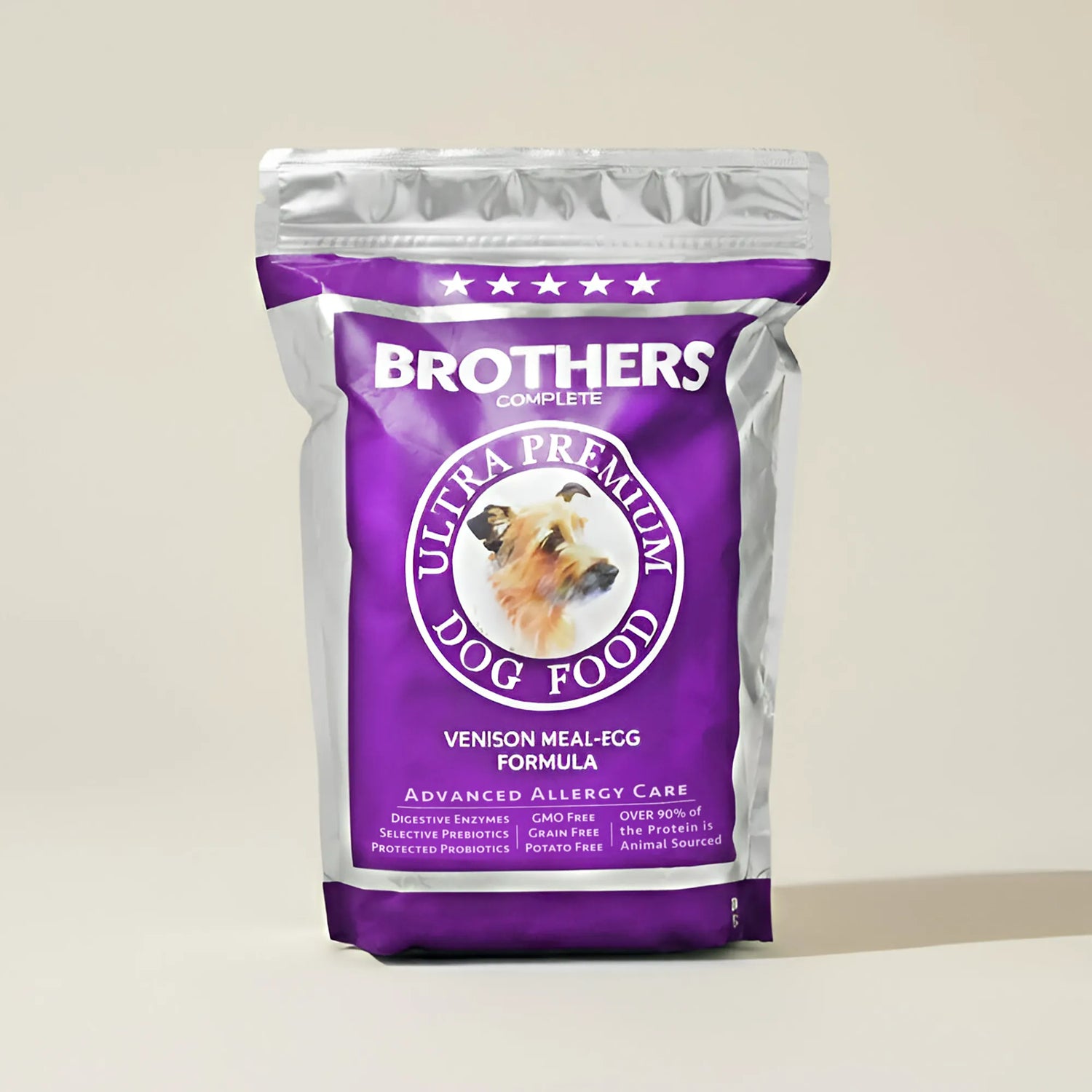
How Brothers Is Different From Other Dog Food for Rhodesian Ridgebacks
Generic dog food formulas, even those marketed as “active” or “large breed”, aren’t built around the specific demands of a Rhodesian Ridgeback. They’re built around cost efficiency. For a breed whose value is its lean, functional muscle and athletic soundness, that gap matters.
What most dog food for Rhodesian Ridgebacks relies on:
- Plant-based protein fillers that inflate protein numbers without the complete animal amino acids a working muscle needs
- Calorie-dense, low-quality carbohydrate bases that add weight rather than lean condition to an athletic frame
- Heavy fillers and low-digestibility ingredients that burden the gut of a breed prone to sensitive digestion and at risk for bloat
- Artificial additives and cheap fillers that contribute nothing to muscle, joint, or gut health
Brothers focuses on protein quality, digestibility, and clean ingredients, the three things that matter most for a Rhodesian Ridgeback.
What sets Brothers apart:
- Named animal protein first: chicken meal, turkey meal, lamb meal, or venison meal, for the complete amino acids that build and preserve lean, functional muscle
- Omega-3s from flaxseed plus DHA from whole-cell algae (at least 0.65% omega-3) for joint, skin, and coat support
- Balanced calorie density that fuels activity and condition without adding the weight that undermines an athlete
- High digestibility and strong gut health support that show up in firmer stools, a healthier coat, and steadier energy
For a breed built on lean muscle and endurance, ingredient quality isn’t a premium, it’s a baseline requirement.
Why High-Quality Protein and Lean Muscle Are the #1 Priority for Rhodesian Ridgebacks
Everything about the Rhodesian Ridgeback comes back to lean, functional muscle. This is a breed built to run, hunt, and endure, and maintaining that athletic condition requires sustained, high-quality dietary protein from named animal sources. Crude protein percentages alone are misleading: a formula showing high protein from plant fillers delivers inferior amino acid coverage compared to the same number from named animal protein. For a breed where muscle quality is both a health marker and the point, the protein source matters as much as the protein percentage.
What building and maintaining a Ridgeback’s muscle depends on:
- Named animal protein first, for the complete essential amino acids that drive muscle maintenance and recovery
- Protein at or above 30% (dry matter) for active and working dogs, adjusted to the individual’s workload. Every Brothers recipe clears that bar, running from 30% to 36% crude protein
- Appropriate calories, not excess. Build muscle through protein and exercise, not through overfeeding that adds fat and strains joints
- Omega-3s to support recovery and reduce the inflammatory load of hard activity
Pair quality protein with structured exercise and adequate rest, and feed to the dog’s real workload. A lean, well-muscled Ridgeback is a sounder, healthier dog, and the diet is where that condition starts.
Joints, Growth, and Bloat in Rhodesian Ridgebacks
As a large, athletic breed, Ridgebacks can inherit a predisposition to hip and elbow dysplasia, and their active, high-impact lifestyle puts cumulative load on the joints. Proactive joint-supportive nutrition with omega-3s, plus keeping the dog lean, is the most impactful way to protect their structure over a long, active life. And because Ridgebacks are deep-chested, they carry an elevated bloat (GDV) risk, so how you feed matters alongside what you feed.
What protects a Ridgeback’s joints and gut:
- Controlled puppy growth with balanced calories and calcium. Large-breed puppies should grow steadily, not as fast as possible, to protect developing joints
- Omega-3s and a lean body weight to reduce joint inflammation and cumulative load across an active life
- Smaller, more frequent meals rather than one large meal, to help manage the bloat risk of a deep-chested breed
- A highly digestible formula that produces less gas and supports a calmer, more stable gut
Every Ridgeback household should know the signs of bloat, a distended or hard abdomen, unproductive retching, restlessness, and drooling, and have an emergency vet in mind, because GDV progresses within hours. For puppies, a large-breed-appropriate diet with controlled growth sets the joints up for life.
Skin, Digestion, and Staying Lean for Rhodesian Ridgebacks
Ridgebacks generally have a short, low-maintenance coat, but they can still develop food sensitivities and skin issues, and many have a sensitive stomach. A clean, highly digestible diet supports steady digestion, a healthy coat, and the lean condition the breed depends on. Because Ridgebacks are built to be lean and athletic, keeping weight in check through appropriate calories is a real priority. Excess weight undermines both athleticism and joint health.
Food-related signs to watch for in a Rhodesian Ridgeback:
- Itching, hot spots, or skin irritation that persists year-round, often pointing to a food sensitivity
- Loose stools or gas after eating, signalling a hard-to-digest diet or a trigger ingredient
- Dull coat or flaky skin indicating inadequate omega-3s or poor nutrient absorption
- Creeping weight gain that blurs the lean, muscled outline the breed should have
For dogs with sensitivities, a clean formula with a novel-protein source reduces the allergen load, while omega-3s support the skin and coat. Keeping a Ridgeback lean and well-fed on quality protein is the foundation of its long-term health. Owners should also be aware of the breed’s separate genetic concerns, such as dermoid sinus and hypothyroidism, as veterinary topics distinct from diet.

Brothers Breeder Program
Breeder Program (For Rhodesian Ridgeback Breeders)
Brothers Dog Food proudly partners with Ridgeback breeders committed to producing healthy, well-nourished dogs. Our Breeder Program is built for professionals who understand that nutrition is the foundation of every healthy litter and every long-lived companion.
Ridgeback breeders interested in the Brothers Breeder Program can apply through the Brothers Breeder Program page or contact our team directly. We have active partnerships with breeders across the United States.
Why Rhodesian Ridgeback Parents Choose Brothers Dog Food
Rhodesian Ridgeback owners choose Brothers because it supports:
- Lean muscle and athletic condition with high-quality animal protein that builds and maintains the breed’s functional physique
- Joint and hip health through omega-3s, quality protein, and weight control for a large, hard-moving breed
- Digestive comfort and bloat-conscious feeding with highly digestible, low-fermentation nutrition
- Healthy weight that keeps a Ridgeback lean, athletic, and sound, never heavy
- Skin and coat health with omega-3s and clean, low-allergen ingredients
- Sustained energy for an active, high-endurance working breed
If you’re looking for the best Rhodesian Ridgeback dog food, one designed for lean muscle, joint health, and clean digestion, Brothers delivers the ingredient quality this athletic breed truly needs.
Shop Brothers Dog Food for Rhodesian Ridgebacks
Built to run. Built on muscle. Smarter nutrition—no compromises.
FAQs
Rhodesian Ridgebacks do best with a high-protein, highly digestible formula led by named animal protein, with omega-3s for joints and coat and balanced calories to keep the dog lean and athletic. The protein fuels the lean muscle that defines the breed, while digestibility supports a breed that can be sensitive-stomached and is at elevated bloat risk. Look for a clean ingredient list and avoid plant-protein fillers and calorie-dense formulas that add fat rather than condition.
Building muscle on a Ridgeback comes down to high-quality protein plus appropriate exercise, not simply more food. Choose a formula at or above 30% protein on a dry matter basis, led by named animal sources like chicken meal, turkey meal, lamb meal, or venison meal, which deliver the complete amino acids that drive muscle maintenance and recovery. Plant-based proteins inflate the percentage on the label but don’t support muscle the same way. Pair quality protein with structured exercise and adequate rest, and avoid overfeeding calories, which adds fat rather than muscle and strains the joints.
Yes. As a lean, athletic working breed, Ridgebacks benefit from a protein-rich diet to build and maintain muscle, sustain endurance, and recover from activity. Look for formulas at or above 30% protein on a dry matter basis, led by named animal sources rather than plant proteins that don’t provide a complete amino acid profile. For a less-active pet Ridgeback, keep protein high for muscle quality but portion total calories to the dog’s real activity level to prevent weight gain.
Adult Rhodesian Ridgebacks typically eat two measured meals per day, with the amount based on body condition and real activity level rather than the bag guideline. A healthy Ridgeback should be visibly lean and athletic, with a palpable ribcage and a clear waist. Feed two meals rather than one large one to help manage bloat risk, measure by weight, and adjust portions up during heavy activity and down during rest. Keeping the dog lean protects both its joints and its athletic condition.
Many Ridgebacks have a sensitive stomach, and some develop food sensitivities that show up as itching, skin irritation, or loose stools. A clean, highly digestible formula with named animal protein and no artificial additives is the dietary foundation. For confirmed allergies, a novel single-protein elimination diet run strictly for 8 to 12 weeks is the diagnostic standard. Omega-3s support the skin and coat at the same time. Transition any new food gradually over 7 to 10 days to protect a sensitive gut.

We are a premium dog food brand founded on the gut-immune connection - balancing protein quality, low glycemic carbs, and gut support - made by a family who’s dedicated their lives to solving chronic canine health problems.
We are a premium dog food brand founded on the gut-immune connection - balancing protein quality, low glycemic carbs, and gut support - made by a family who’s dedicated their lives to solving chronic canine health problems.