


The Best Dog Food for Poodles: Toy, Miniature & Standard


Poodles are brilliant, athletic, and remarkably long-lived, but beneath those iconic curls lies a breed with genuinely complex nutritional needs. From the 4-pound Toy to the 70-pound Standard, poodles share a genetic predisposition to skin sensitivities, food allergies, and a little-known autoimmune condition called sebaceous adenitis that can devastate their coat and comfort when diet falls short.
At Brothers Dog Food, we believe every poodle, regardless of size, deserves a diet built on real protein, clean ingredients, and the specific micronutrients that keep their skin, coat, and joints healthy for their naturally long lifespans. This page breaks down exactly what poodles need nutritionally, how to choose the right formula by size, and why Brothers is the choice breeders and veterinary nutritionists are recommending.
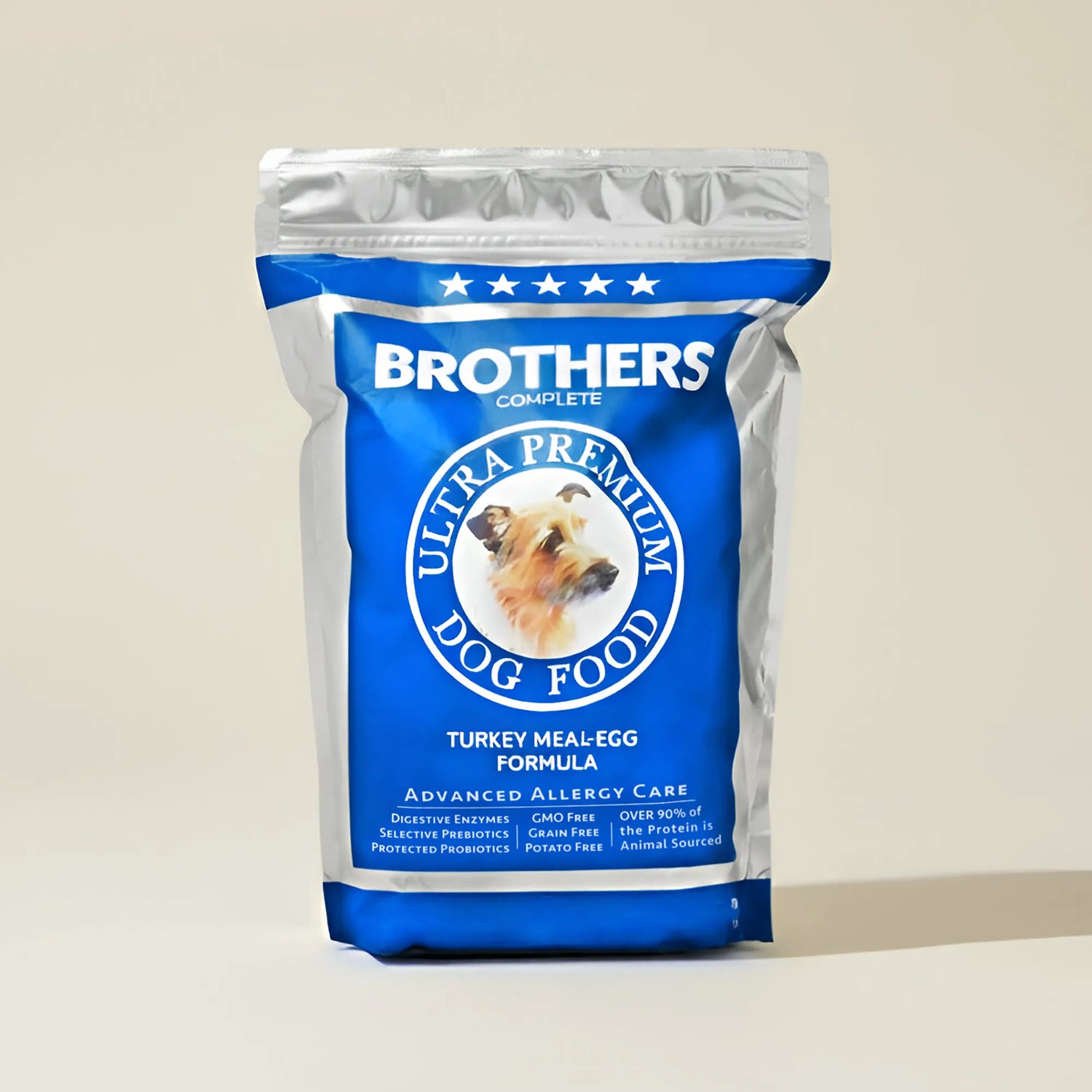
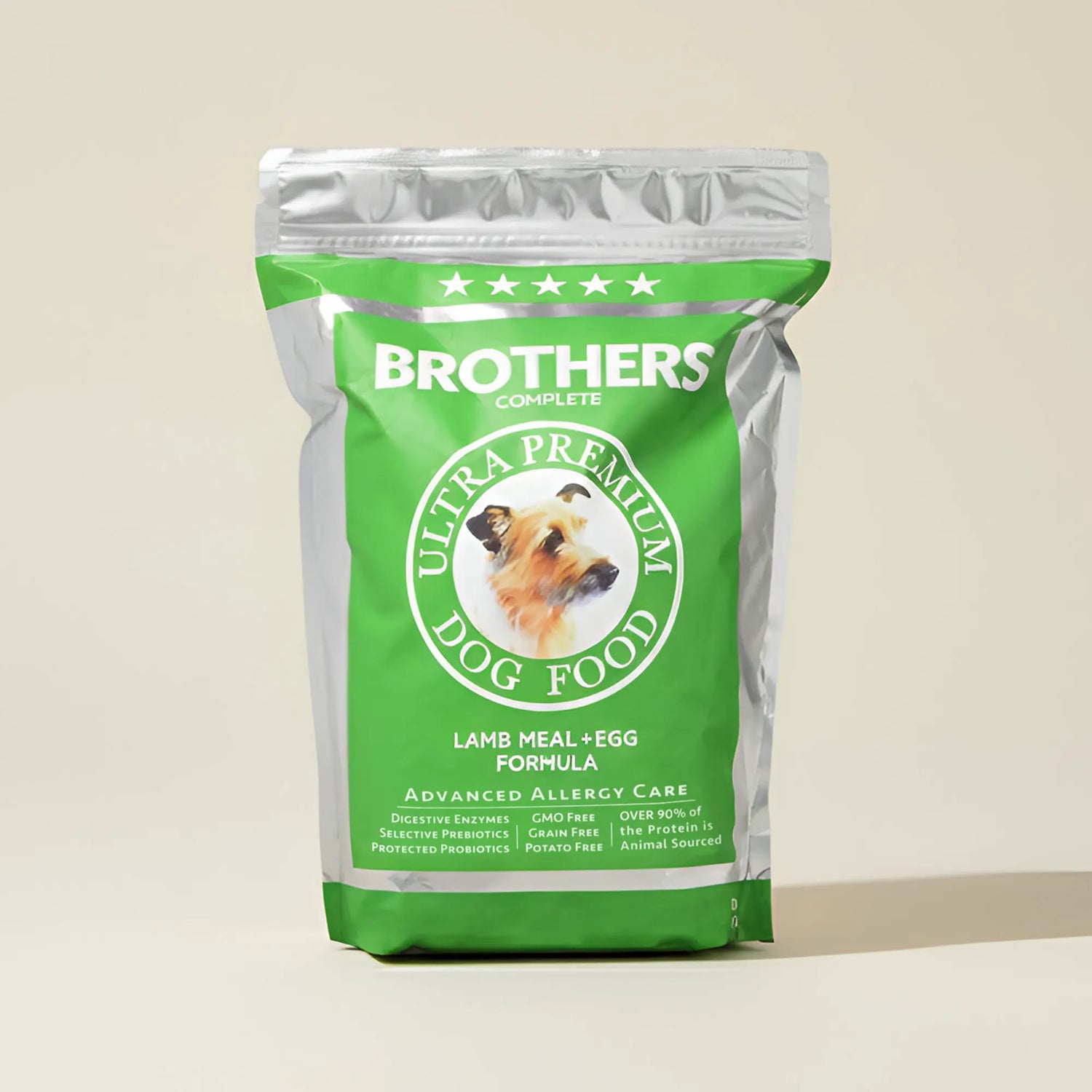
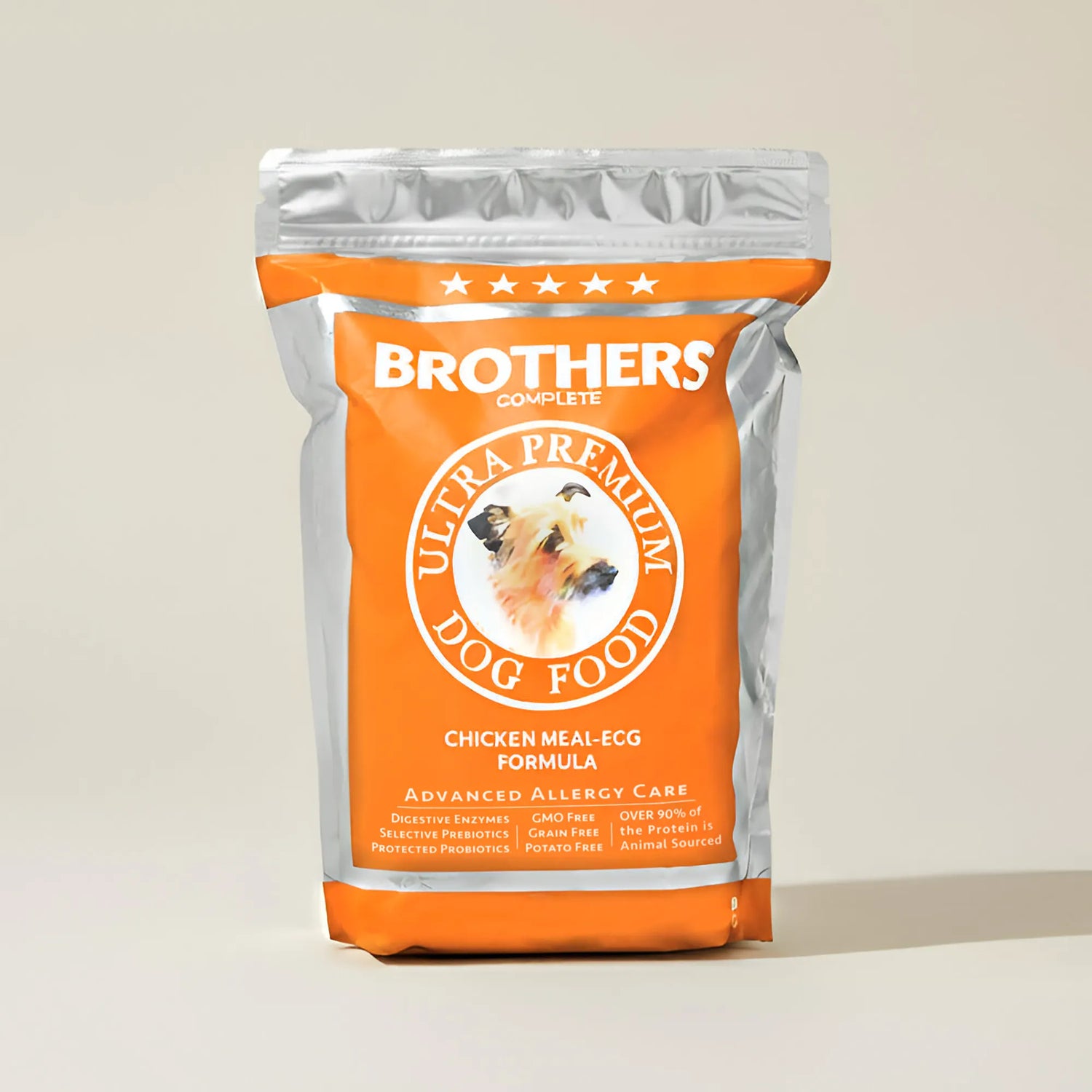
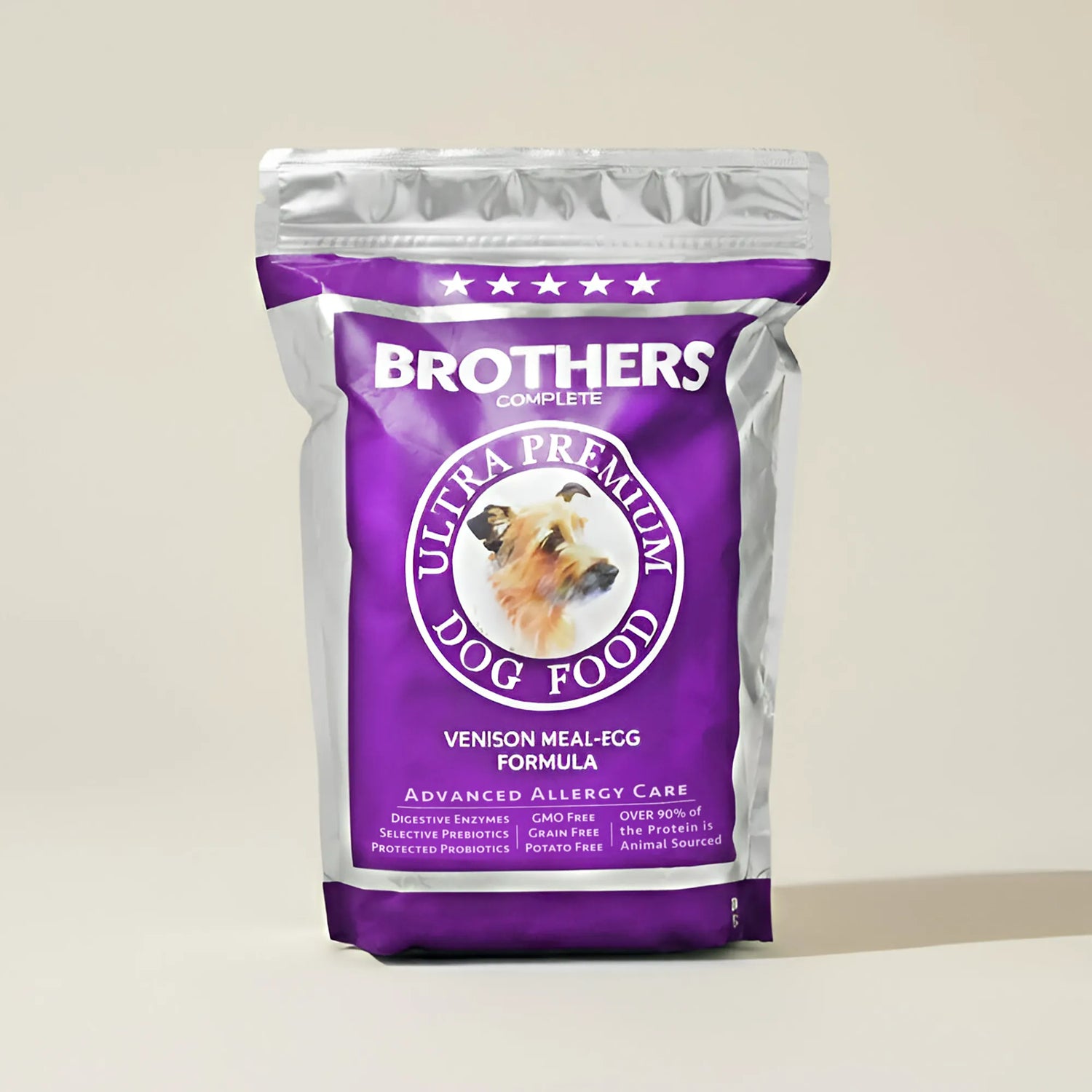
Poodle-Specific Health Challenges That Diet Can Address
1. Sebaceous Adenitis. The Skin Condition Most Pet Owners Have Never Heard Of
Sebaceous adenitis (SA) is an immune-mediated inflammatory disease that destroys the sebaceous glands in a poodle's skin. It's most prevalent in Standard Poodles, with studies estimating subclinical prevalence as high as 50% in some lines. The result: dry, scaly, brittle coat; secondary bacterial infections; and in severe cases, significant hair loss.
Diet doesn't cure SA, but it significantly influences severity and progression. The sebaceous glands depend on omega-3 and omega-6 fatty acids (particularly EPA, DHA, and linoleic acid) to maintain the skin's lipid barrier. A diet rich in these fatty acids, from sources like wild-caught fish or cold-pressed flaxseed, can reduce skin inflammation, support gland function, and visibly improve coat quality in affected dogs. Foods high in inflammatory omega-6 without balancing omega-3, common in low-quality kibbles heavy in corn or soy oils, may worsen SA symptoms.
Brothers' formulas are built on real animal protein with supplemental omega fatty acids at ratios specifically calibrated for skin health, not as an afterthought, but as a core formulation pillar.
2. Food Allergies & Sensitive Stomach
Poodles rank among the breeds most commonly diagnosed with food sensitivities and allergic skin disease. The most frequent dietary culprits: corn, soy, wheat, and artificial preservatives. Symptoms typically present as chronic itching, red paws, recurrent ear infections, and loose stools, often dismissed as environmental allergies until a dietary elimination trial reveals the true trigger.
A limited-ingredient, novel-protein or single-protein formula eliminates the guesswork. Brothers uses clearly labeled, single-source proteins with no corn, soy, or wheat fillers, making it straightforward to identify and eliminate problem ingredients if your poodle shows sensitivity signs.
3. Bloat (GDV) Risk in Standard Poodles
Standard Poodles are among the highest-risk breeds for gastric dilatation-volvulus (bloat), a life-threatening emergency where the stomach twists. Deep-chested breeds with fast eating patterns face the greatest risk. While diet doesn't prevent GDV entirely, several nutritional and feeding strategies meaningfully reduce risk:
- Feed 2-3 smaller meals per day rather than one large meal
- Avoid kibbles with citric acid as a preservative (associated with increased bloat risk when fed moistened)
- Use a slow-feeder bowl to reduce eating pace
- Avoid vigorous exercise 1 hour before and after meals
- Choose foods without rendered fat listed in the first four ingredients
4. Addison's Disease (Hypoadrenocorticism)
Standard Poodles are genetically predisposed to Addison's disease, a condition in which the adrenal glands fail to produce adequate cortisol and aldosterone. Dogs with Addison's often struggle with electrolyte balance, energy regulation, and stress response. While dietary management is secondary to veterinary treatment (typically desoxycorticosterone or oral fludrocortisone), consistent, high-quality nutrition supports overall adrenal resilience. Avoid foods high in sodium and potassium imbalances, and prioritize protein sources that support lean muscle mass without stressing the endocrine system.
5. Size-Specific Caloric & Metabolic Differences
A Toy Poodle at 6 lbs and a Standard Poodle at 65 lbs are genetically the same breed, but their caloric needs, meal frequency requirements, and even nutrient ratios differ substantially:
- Toy Poodles (4-10 lbs): Higher metabolic rate per pound of body weight; prone to hypoglycemia if meals are missed. Require calorie-dense, small-kibble formulas fed 3x daily as puppies, 2x as adults. Dental disease risk is high, kibble texture matters.
- Miniature Poodles (10-20 lbs): Moderate metabolic demands. More forgiving feeding schedule. Still benefit from small-bite kibble formulas. Joint support nutrients (glucosamine, chondroitin) become important by age 7.
- Standard Poodles (40-70 lbs): Large-breed caloric management required. Avoid over-supplementation of calcium and phosphorus during growth phases, which can disrupt bone development. Slower growth rate is healthier for long-term joint integrity.
6. Joint Health & Longevity
Poodles, particularly Standards and Minis, are long-lived dogs (12-18 years) with hip dysplasia prevalence that warrants proactive joint nutrition from middle age onward. Glucosamine (at minimum 500mg/day for Standards) and chondroitin sulfate, along with omega-3 fatty acids for their anti-inflammatory properties, form the nutritional foundation for joint preservation. Maintaining lean body condition, not allowing poodles to carry excess weight, is equally critical and dependent on appropriate calorie density for each size class.
What to Look for in Dog Food for Poodles
When evaluating any formula for your poodle, prioritize these criteria:
- High-quality animal protein first: Look for named proteins (turkey, lamb, venison) as the first ingredient, not "meat meal" or "animal by-products." Protein supports muscle maintenance, immune function, and coat quality.
- Omega-3 & omega-6 fatty acids at skin-supporting ratios: Look for fish oil, salmon oil, or flaxseed among the first 8 ingredients. For poodles with sebaceous adenitis risk, this is non-negotiable.
- No corn, wheat, or soy: These are the most common poodle allergen triggers and offer minimal nutritional value relative to whole-food alternatives.
- Appropriate calorie density for the size: Toy Poodle formulas should be calorie-dense in small volumes; Standard formulas should support slow, steady growth and lean body maintenance.
- Probiotics and prebiotics: Support gut microbiome health and reduce food sensitivity symptoms. Look for Lactobacillus acidophilus, chicory root, or FOS (fructooligosaccharides).
- Chelated minerals: Chelated zinc, copper, and manganese are more bioavailable and specifically support coat pigment, skin integrity, and connective tissue in poodles.
- No artificial preservatives: BHA, BHT, and ethoxyquin have no place in a poodle's bowl. Natural preservation with mixed tocopherols (vitamin E) is the standard to demand.
Why Brothers Dog Food Works for Poodles
Brothers Dog Food was formulated with sensitive, high-performing breeds in mind. Here's how our formula specifically addresses poodle needs:
Real Protein, Named Sources
Brothers formulas lead with real, named animal proteins, no generic "meat meal" or mystery poultry. Protein quality directly correlates to coat luster, muscle tone, and immune resilience in poodles of all sizes.
Skin & Coat Fatty Acid Profile
Our formulas include supplemental omega-3 fatty acids from fish-derived sources, providing EPA and DHA at levels clinically shown to reduce skin inflammation and support sebaceous gland health, directly targeting the sebaceous adenitis vulnerability that runs through Standard Poodle lines.
Clean Ingredient Panel
No corn. No soy. No wheat. No artificial colors, flavors, or preservatives. Brothers' limited-ingredient philosophy means fewer potential allergens for poodles with food sensitivities, and a cleaner elimination trial if you're working through a suspected food allergy with your veterinarian.
Digestive Support Built In
Prebiotic fiber and live probiotic cultures support a balanced gut microbiome, reducing the loose stool and digestive upset that commonly accompanies poodles' sensitive GI tracts, especially during diet transitions.
Size-Appropriate Formulations
Brothers offers formulas suited to small and large breed profiles, allowing you to match calorie density and kibble size to your Toy, Miniature, or Standard Poodle's specific needs. Consult our feeding guide or contact our nutrition team to find the optimal match for your dog's size and life stage.

Brothers Breeder Program
For Poodle Breeders Who Demand the Best
Brothers Dog Food proudly partners with poodle breeders committed to producing healthy, well-nourished dogs across all three size varieties. Our Breeder Program is built for professionals who understand that nutrition is the foundation of every healthy litter and every long-lived companion.
Poodle breeders interested in the Brothers Breeder Program can apply at brothersdogfood.com/breeders or contact our team directly. We have active partnerships with Standard, Miniature, and Toy Poodle breeders across the United States.
Frequently Asked Questions: Dog Food for Poodles
The best dog food for poodles prioritizes a named animal protein as the first ingredient, includes omega-3 and omega-6 fatty acids for coat and skin health, and excludes common allergens like corn, wheat, and soy.
Yes, poodles' distinctive curly, non-shedding coats require specific nutritional support that many generic dog foods don't provide. The sebaceous glands that maintain poodle skin and coat health depend on adequate omega-3 fatty acids (EPA and DHA from fish sources) and omega-6 fatty acids (linoleic acid). A deficiency in these essential fatty acids, common in low-quality kibbles, contributes to dry, flaky skin, dull coat, and worsened sebaceous adenitis in predisposed Standard Poodles.
Yes. Poodles are one of the breeds most frequently diagnosed with food allergies and sensitivities. Common symptoms include chronic paw licking, recurrent ear infections, red or irritated skin, and inconsistent stools. The most common dietary triggers are chicken (particularly over-processed forms), beef, wheat, corn, and soy. If your poodle shows these signs, a limited-ingredient elimination diet, supervised by your veterinarian, is the diagnostic gold standard. Brothers' clean ingredient panels make elimination trials straightforward.
Absolutely. Despite sharing a breed designation, the three size varieties have meaningfully different nutritional profiles. Toy Poodles have higher metabolic rates per pound and are prone to hypoglycemia. They need frequent meals. Standard Poodles are at risk for bloat and rapid bone growth problems, requiring large-breed appropriate formulas with measured calcium-phosphorus ratios. Miniature Poodles fall between the two. Flexible in formula but benefiting from joint support nutrients as they age. Brothers' nutrition team can guide you to the right formula for your specific poodle.
Diet can reduce risk but not eliminate it. Feeding Standard Poodles 2-3 smaller meals per day (rather than one large meal), avoiding exercise immediately before and after eating, eliminating foods with citric acid as a preservative, and using slow-feeder bowls are the evidence-based strategies. From a food selection standpoint, choose formulas without fat listed among the first four ingredients and without ingredients associated with gas production (fermentable fiber sources). Standard Poodle owners should discuss bloat risk and prophylactic gastropexy with their veterinarian, dietary management alone is insufficient for high-risk dogs.
Sebaceous adenitis (SA) is an immune-mediated disease that destroys the oil-producing glands in a poodle's skin. It's most prevalent in Standard Poodles, with some breed lines showing subclinical rates above 50%. Dogs with SA develop scaly, dry skin; brittle hair; and secondary bacterial infections. While SA requires veterinary management (often topical treatments and immunosuppressive therapy in severe cases), diet plays a meaningful supporting role. Omega-3 and omega-6 fatty acids at appropriate ratios reduce skin inflammation and support residual gland function. High-quality protein supports skin cell regeneration. Antioxidants (vitamin E, vitamin C, selenium) moderate immune overactivation. Brothers' formulas include all of these components.
Feeding amounts vary significantly by size, age, and activity level. General starting guidelines: Toy Poodles (under 10 lbs) typically need 1/4 to 3/4 cup of high-quality kibble daily; Miniature Poodles (10-20 lbs) need 3/4 to 1.5 cups; Standard Poodles (40-70 lbs) need 2 to 4 cups daily. Divide all amounts across 2 meals (3-4 for puppies and Toy breeds). These are starting points. Body condition score (you should feel but not see ribs) is the real guide. Brothers packaging includes a detailed feeding calculator, and our nutrition team is available for personalized guidance.
Shop Brothers Dog Food for Poodles
Give your poodle the nutritional foundation their intelligence, athleticism, and longevity deserve. Brothers Dog Food is crafted with the specific health vulnerabilities and nutritional requirements of sensitive, high-performing breeds in mind, and poodles in all three size varieties have been thriving on Brothers formulas nationwide.
Related Categories

We are a premium dog food brand founded on the gut-immune connection - balancing protein quality, low glycemic carbs, and gut support - made by a family who’s dedicated their lives to solving chronic canine health problems.
We are a premium dog food brand founded on the gut-immune connection - balancing protein quality, low glycemic carbs, and gut support - made by a family who’s dedicated their lives to solving chronic canine health problems.