


Best Dog Food for Beagles: Feeding the Breed That Was Born Hungry


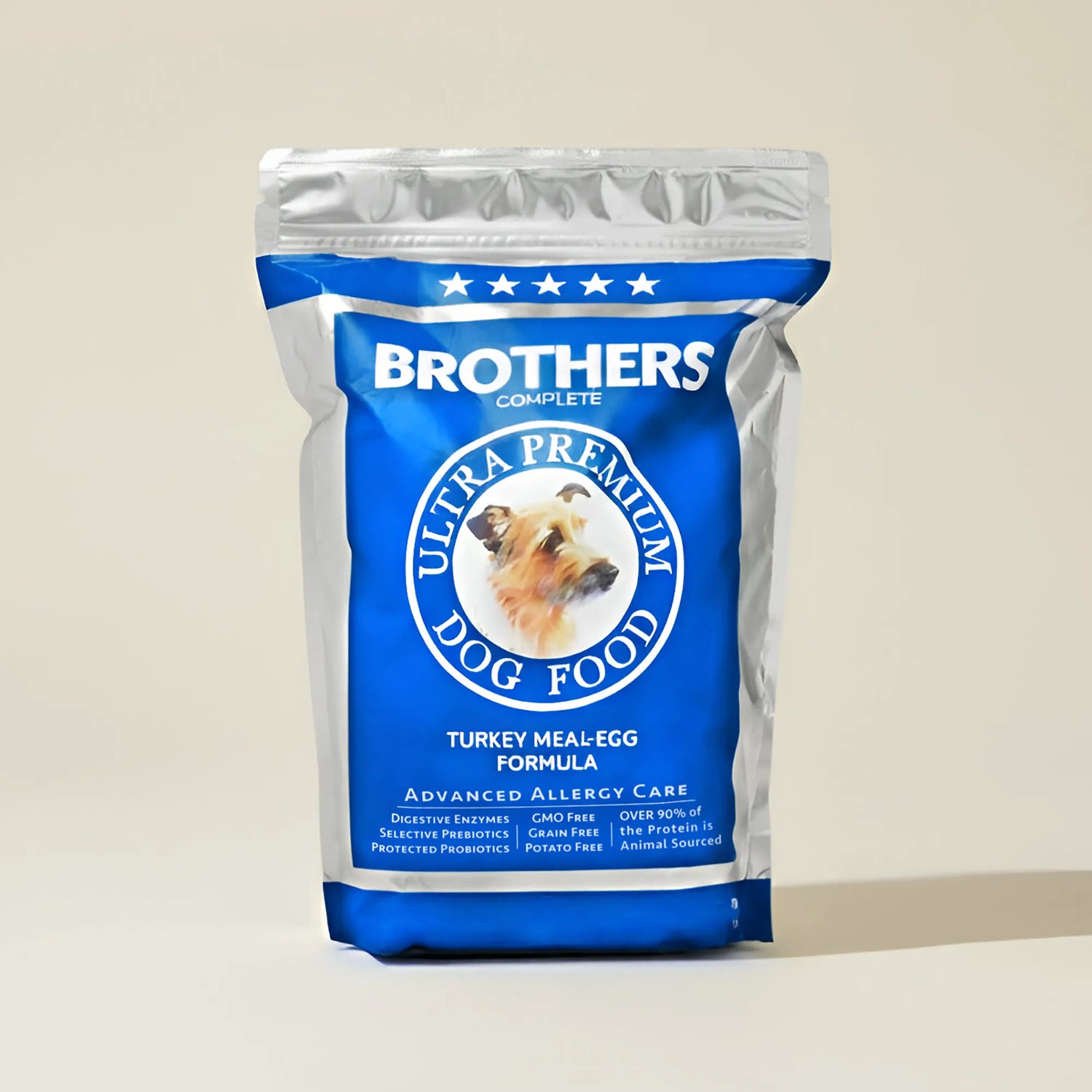
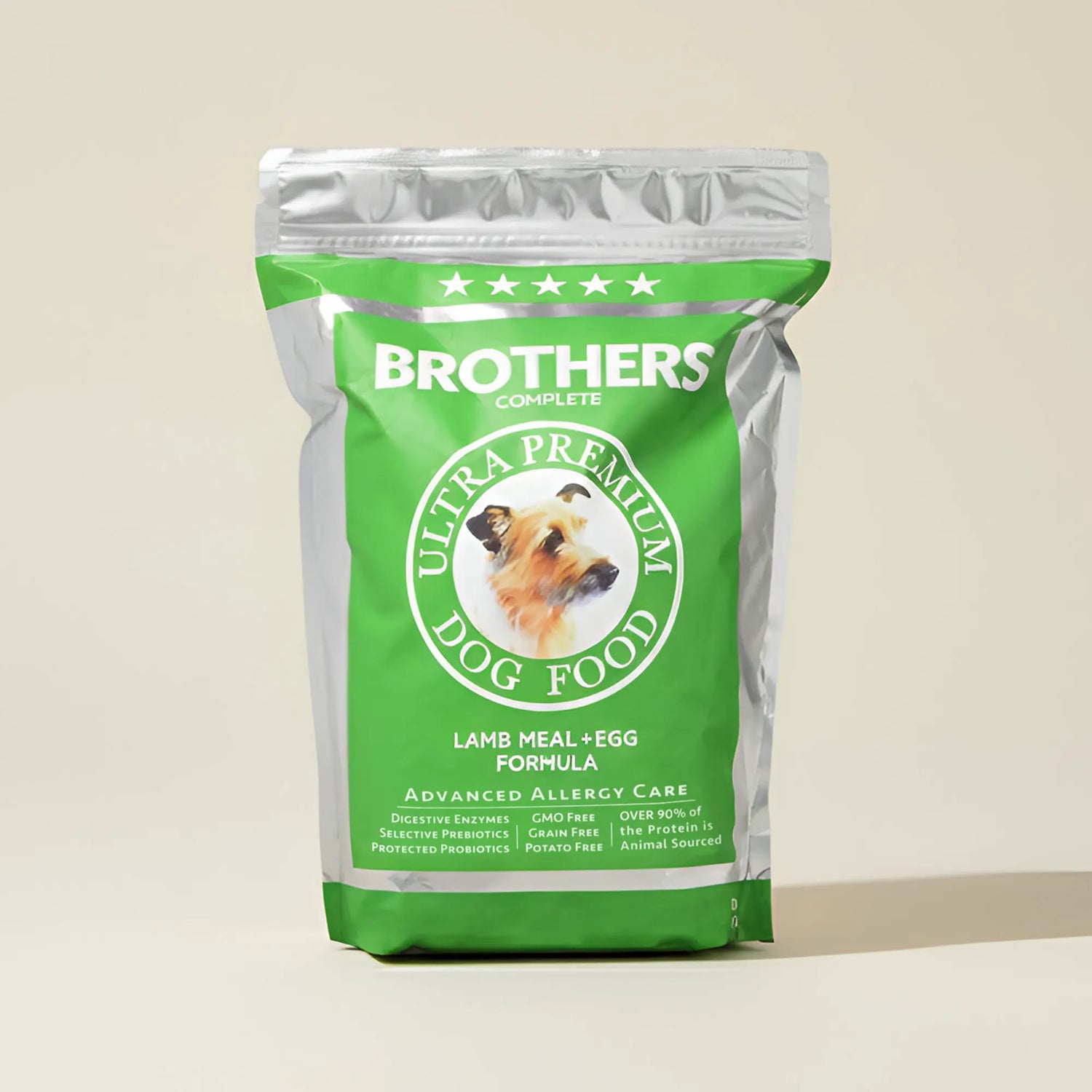
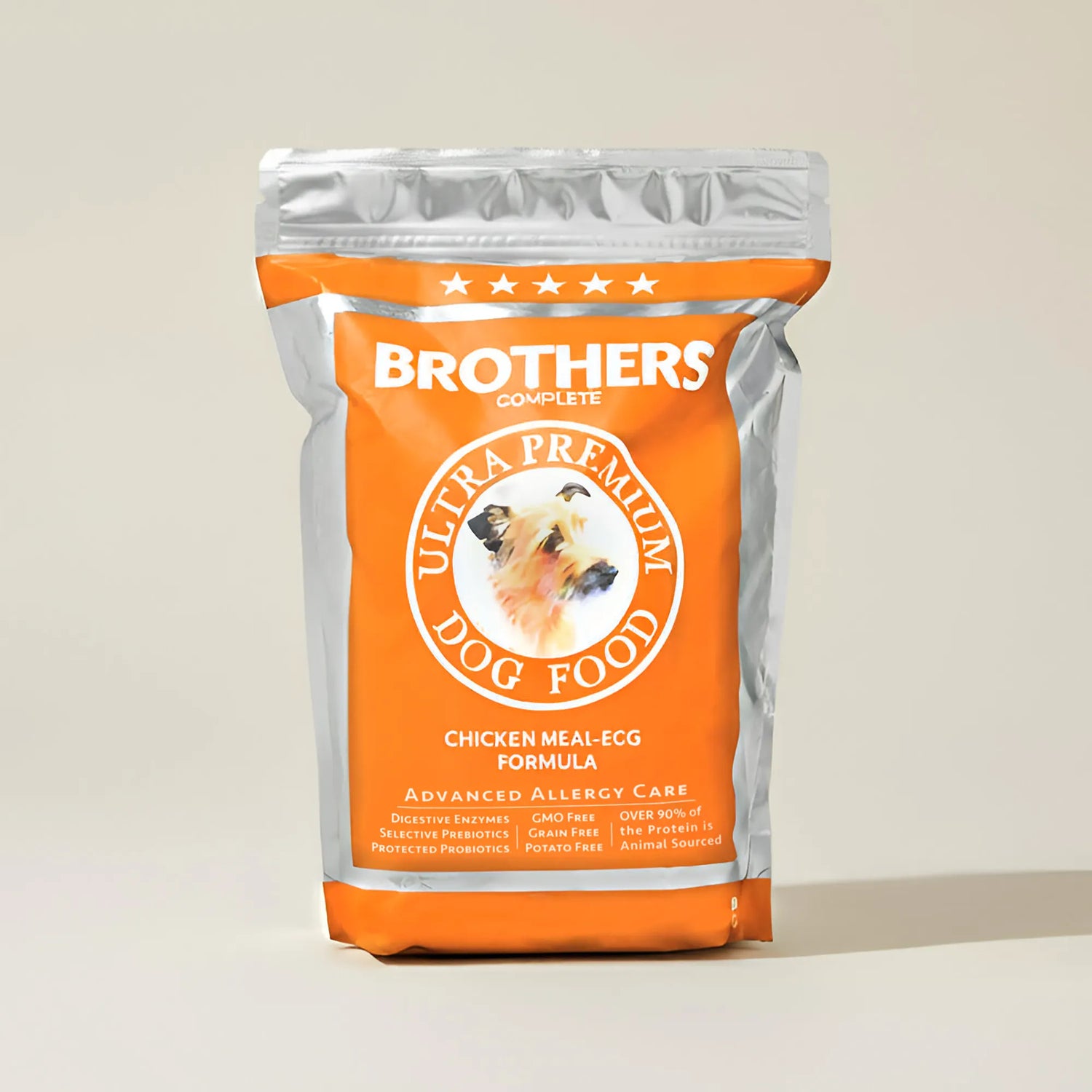
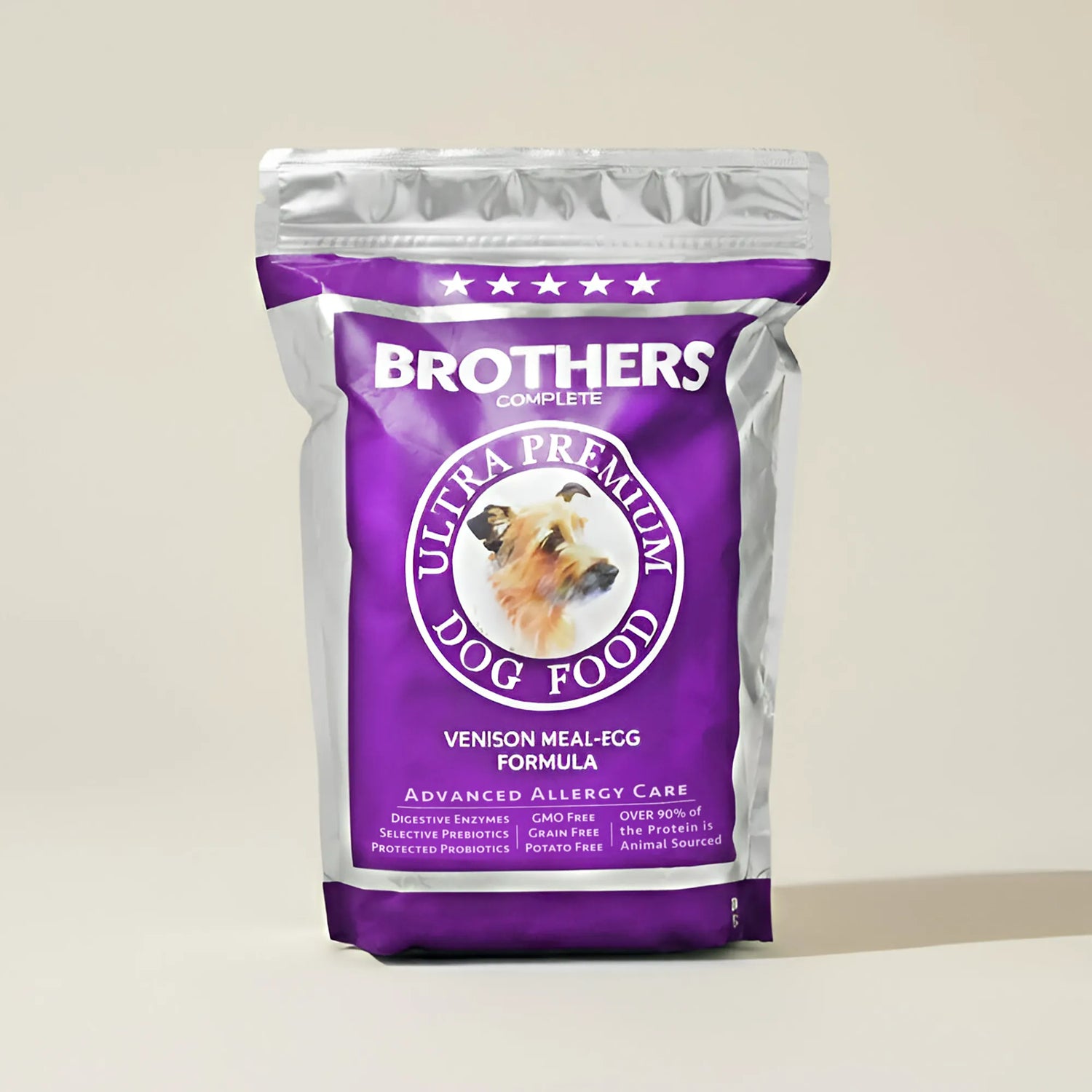
Beagles were bred as scent hounds built to track prey across miles of terrain, and that heritage shows up every single day at the food bowl. Their appetite drive isn't a behavior problem to train away; it's a deeply wired biological instinct that doesn't switch off when the bowl is full. Combined with a metabolic efficiency that makes weight gain nearly inevitable on the wrong food, Beagles have nutritional needs that most generic dog foods aren't designed to address.
Prone to obesity, idiopathic epilepsy, and food allergies, Beagles need food that supports satiety, neurological health, and a clean ingredient profile, not just something they'll eat enthusiastically. The right food isn't optional for this breed. It's the foundation of a long, healthy life.
Why Brothers Dog Food Is a Great Option for Beagles
- Supports weight management with controlled calorie density built for a breed that gains weight easily
- High-quality animal protein promotes lasting satiety to help manage a Beagle's relentless food drive between meals
- Omega-3 fatty acids (EPA/DHA) support seizure threshold management for epilepsy-predisposed lines and reduce skin inflammation in allergy-prone dogs
- Highly digestible ingredients minimize GI upset and loose stools common in Beagles with sensitive stomachs
- Low-glycemic carbohydrate sources support stable blood glucose, relevant for dogs with epilepsy and metabolic sensitivity
- No artificial preservatives or additives that aggravate allergic skin conditions and digestive sensitivity
- Clean, auditable ingredient list essential for owners managing food allergies with an elimination diet protocol
How Brothers Is Different From Other Beagle Dog Food
Most dog food, even formulas marketed for small or medium breeds, is built around palatability and shelf appeal rather than the metabolic and neurological realities of a Beagle's body. For a breed where unchecked weight gain causes spinal compression and worsens epilepsy outcomes, that gap matters.
What most dog food for Beagles relies on:
- Calorie-dense formulas that systematically overfeed a metabolically efficient breed at any reasonable serving size
- Carbohydrate-heavy bases that spike blood glucose and deliver calories without triggering meaningful satiety signals
- Generic protein meals and fillers that provide inadequate amino acid density for lean muscle maintenance
-
Artificial additives and preservatives that add inflammatory burden to a breed already managing chronic skin and digestive sensitivity
What sets Brothers apart:
- Named animal protein first, chicken meal, turkey meal, venison meal or lamb meal, for genuine satiety and lean muscle support
- Appropriate caloric density calibrated for real family dogs
- Marine-sourced omega-3s at levels targeted at allergy and neurological support, not trace-amount label claims
- Clean, consistent formula that makes Brothers a reliable foundation for elimination diet protocols and long-term allergy management
Obesity and Food Motivation: The #1 Health Risk for Beagles
Beagles are consistently ranked among the most obesity-prone breeds in veterinary practice. The cause is behavioral as much as metabolic: scent-hound ancestry selected for dogs that eat whenever food is available, because in field conditions the next meal was uncertain. In a home environment with reliable twice-daily feeding, that drive becomes chronic overeating unless the owner actively manages it.
Obesity in a Beagle is not a cosmetic concern. Excess weight compresses the intervertebral discs along a breed already predisposed to back problems, accelerates joint degeneration, and adds cardiac strain. Every pound above a healthy body weight meaningfully shortens a Beagle's quality and length of life. Diet is the primary intervention. Exercise alone is rarely sufficient to offset a Beagle's appetite and metabolic efficiency.
Signs that your Beagle's current food may be contributing to weight gain:
- Ribs not palpable with light pressure. A Beagle at healthy weight should have ribs you can feel without pressing hard
- No visible waist tuck when viewed from above; a rounded or barrel-shaped midsection
- Constant food-seeking behavior and begging that persists hours after meals, indicating poor satiety signaling from the current diet
- Weight gain despite controlled portions suggesting the formula's caloric density is too high for the individual dog's metabolic rate
Veterinarians managing Beagle weight consistently recommend high-protein, moderate-fat formulas that maximize satiety per calorie. Exactly the nutritional approach Brothers is built around.
Idiopathic Epilepsy: A Breed-Specific Nutritional Consideration
Beagles are one of the most commonly affected breeds for idiopathic epilepsy, seizures with no identifiable structural cause, believed to have a strong genetic basis in this breed. While diet is not a cure, nutritional factors measurably influence seizure threshold. Omega-3 fatty acids (EPA and DHA) have demonstrated neuroprotective properties in published research, with some studies showing reduced seizure frequency in supplemented dogs. Low-glycemic feeding, stable blood glucose without sharp spikes, also appears to support more consistent neurological function in predisposed animals.
Brothers' omega-3 content and clean carbohydrate profile provide the neurological nutritional baseline that vets recommend as part of comprehensive epilepsy management for Beagles. It won't replace veterinary treatment, but it removes the dietary variables that can lower seizure threshold unnecessarily.
Breeder Program (For Beagle Breeders)
Brothers Dog Food proudly partners with Beagle breeders committed to producing healthy, well-nourished dogs. Our Breeder Program is built for professionals who understand that nutrition is the foundation of every healthy litter and every long-lived companion.
Beagle breeders interested in the Brothers Breeder Program can apply at brothersdogfood.com/breeders or contact our team directly. We have active partnerships with breeders across the United States.
Why Beagle Parents Choose Brothers Dog Food
Beagle owners choose Brothers because it supports:
- Weight and appetite management. High-protein satiety without the caloric density that causes chronic Beagle weight gain
- Neurological health for epilepsy-predisposed lines through omega-3 support and blood glucose stability
- Skin and coat health. including management of allergy-driven itching, hot spots, and coat dullness
- Digestive comfort and consistent stools. No more unpredictable GI flare-ups or sensitive stomach episodes
- Clean ingredients for allergy management. A reliable, auditable formula that supports elimination diet protocols
- Great taste. Beagles are enthusiastic eaters, and Brothers consistently passes that test
Shop Brothers Dog Food for Beagles
Big appetite. Specific needs. Smarter nutrition. No compromises. Shop the best dog food for Beagles.
FAQs: Feeding Beagles
What is the best food for a Beagle?
Beagles do best with high-quality, highly digestible food with named animal protein as the first ingredient and moderate calorie density, like Brothers. Given the breed's obesity risk and food motivation, avoiding calorie-dense formulas and high-carbohydrate fillers is especially important. Look for marine-sourced omega-3s for skin and neurological support, and a clean ingredient list that holds up to scrutiny for allergy management.
Why is my Beagle always hungry?
Beagles were bred as scent hounds that tracked prey across long distances. Their appetite drive is a survival mechanism selected for over generations, not a behavior problem. In a home setting, this means a Beagle will appear hungry almost constantly regardless of how much they've eaten. The best dietary response is more satiating food, not more food. High-protein formulas trigger satiety hormones more effectively than carbohydrate-heavy alternatives. Fixed meal times with measured portions, never free feeding, are also essential for this breed.
How much should I feed my Beagle?
Most adult Beagles require 900 to 1,200 calories per day, but individual metabolic rates vary significantly and many Beagles thrive on less than bag guidelines suggest. Measure meals by weight rather than cup volume for precision. A healthy Beagle should have a visible waist tuck from above and ribs palpable with light pressure. If ribs aren't palpable, reduce portions by 10% and reassess body condition every three weeks. Never free-feed a Beagle.
What is the best dog food for an overweight Beagle?
For an overweight Beagle, choose a high-protein, moderate-fat formula, like Brothers, that preserves lean muscle mass while reducing caloric intake. Avoid low-protein 'diet' foods, which can cause muscle loss alongside fat loss. Reduce daily calories by 15 to 20%, feed in measured portions twice daily, and substitute high-calorie treats with low-calorie options like plain green beans or carrot pieces. Monitor body condition every two to three weeks and adjust accordingly.
Do Beagles have food allergies?
Yes, Beagles are a recognized allergy-prone breed. Food allergies typically present as chronic skin itching, recurrent ear infections, paw licking, and intermittent GI upset. The most common dietary allergens in dogs are beef, dairy, chicken, wheat, and corn. Diagnosing a food allergy requires an 8 to 12 week elimination diet trial using a strict novel single-protein, limited-ingredient formula. Marine omega-3s are the single highest-impact nutritional intervention for allergic skin conditions alongside allergen removal.
Related Categories

We are a premium dog food brand founded on the gut-immune connection - balancing protein quality, low glycemic carbs, and gut support - made by a family who’s dedicated their lives to solving chronic canine health problems.
We are a premium dog food brand founded on the gut-immune connection - balancing protein quality, low glycemic carbs, and gut support - made by a family who’s dedicated their lives to solving chronic canine health problems.