

Meat By-Products in Dog Food: What They Actually Are (and What They're Not)
As a devoted pet parent, you've probably stood in the pet food aisle, squinting at ingredient labels, and felt your stomach drop when you spotted "meat by-products" listed. The term sounds vague, unsettling—maybe even a little gross. You might imagine low-quality scraps, mystery meat, or worse. That gut reaction? It's exactly what decades of premium pet food marketing has trained you to feel.
At Brothers Dog Food, we believe in transparency, science-backed nutrition, and educating pet parents to cut through the marketing noise. The truth about meat by-products is more nuanced than "good" or "bad"—but it starts with understanding what they actually are according to regulatory definitions, why some brands use them, and why we choose a different path entirely.
Quick Summary:
- Meat by-products are legally defined by AAFCO and refer to specific animal parts—not random scraps or inedible waste
- The ambiguity is the real problem: "meat by-products" doesn't tell you which animal or which organs are included
- Brothers Dog Food uses named, premium ingredients like "chicken," "beef liver," and "salmon"—never generic by-product terms
- Transparency matters more than terminology—you deserve to know exactly what's in your dog's bowl
- What AAFCO Actually Defines as "Meat By-Products"
Let's start with the official definition. According to the Association of American Feed Control Officials (AAFCO), the regulatory body that sets ingredient standards for pet food in the United States, meat by-products are defined as the non-rendered, clean parts of slaughtered mammals, excluding meat (skeletal muscle).
This includes organs like liver, kidneys, lungs, spleen, heart, and other internal parts—but explicitly excludes hair, horns, teeth, and hooves. Yes, you read that right: the horrifying mental image many pet parents have of ground-up hooves and hair? That's not legally allowed in the by-products category.
Here's what meat by-products can include:
- Organ meats: liver, kidneys, heart, spleen, lungs
- Other parts: tongue, tripe (stomach lining), intestines, blood
- Exclusions: hair, horns, teeth, hooves, hide trimmings
The AAFCO definition is clear—but there's a catch.
The Real Problem: Ambiguity, Not the Ingredients Themselves
Here's where the transparency issue comes in. When you see "meat by-products" on a label, you have no idea:
- Which animal it came from (beef? chicken? pork? lamb? a mix?)
- Which specific organs are included
- The quality or grade of those organs
- Whether the source is consistent batch to batch
A food containing "meat by-products" could include nutrient-rich beef liver one month and lower-quality pork lungs the next—and the label wouldn't change. This lack of specificity makes it impossible for you to know what you're actually feeding, especially if your dog has food sensitivities or allergies.
Compare that to a label that lists "chicken liver" or "beef kidney"—now you know exactly what animal and which organ. That's the difference between vague commodity ingredients and transparent, named sources.
The ambiguity is the issue—not necessarily the ingredient category itself.
Why Some Brands Use Meat By-Products (and Why We Don't)
So if organ meats can be nutritious, why do premium brands avoid the term "by-products" entirely? Two reasons: cost and transparency.
Cost Efficiency
Meat by-products are significantly cheaper than muscle meat. For large-scale manufacturers trying to hit a price point, using generic "meat by-products" allows them to source from the lowest-cost supplier at any given time without reformulating or relabeling. It's a commodity approach—prioritizing profit margin over ingredient integrity.
The Marketing Backlash
Decades of premium pet food advertising have successfully demonized the term "by-products," positioning them as inferior or filler ingredients. While that narrative oversimplifies the science, it has created consumer demand for named ingredients—which is actually a win for transparency.
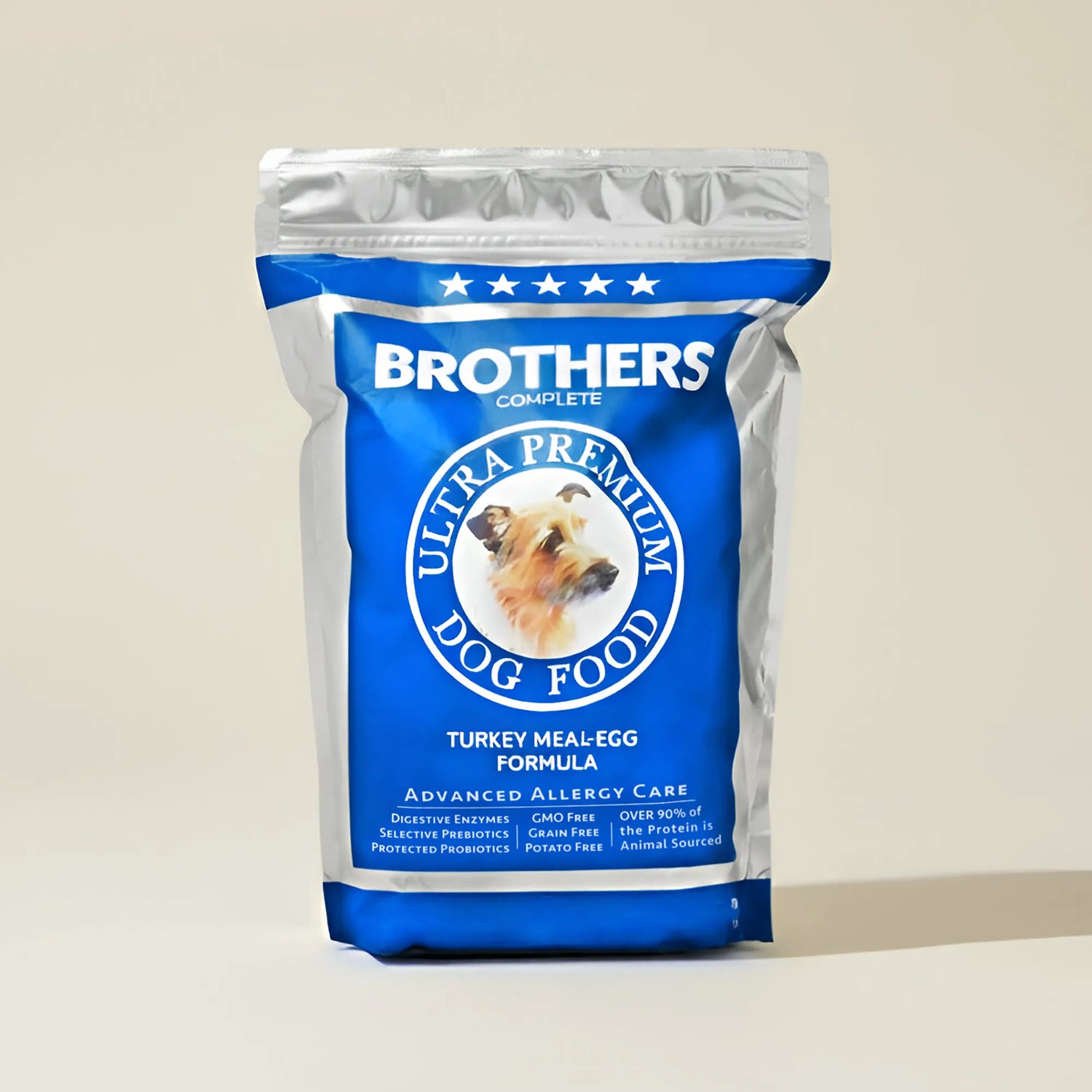
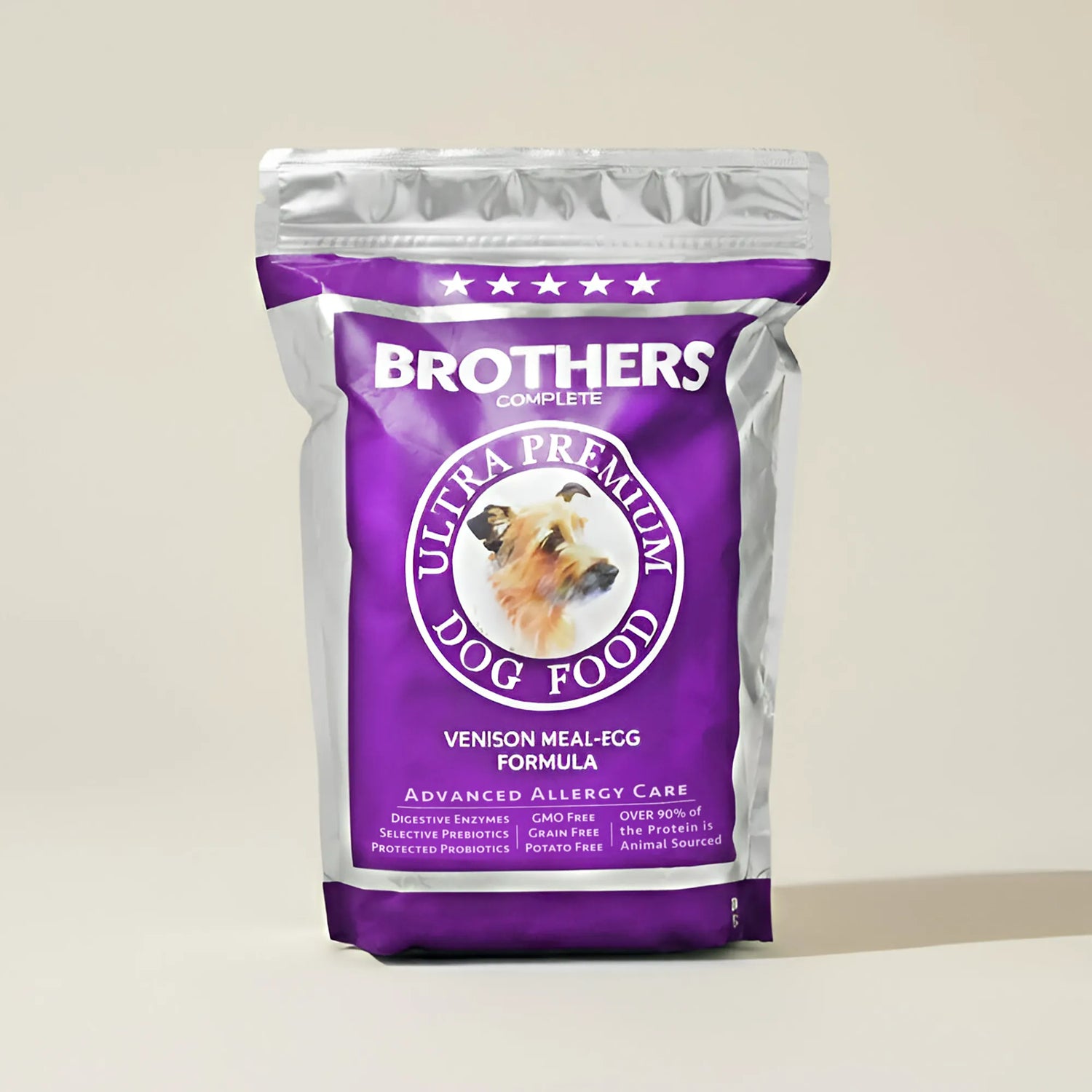
At Brothers Dog Food, we've chosen the transparency route: we use named, premium-grade ingredients like chicken meal, turkey meal, venison meal, chicken liver, and beef liver—never generic "meat by-products" or "poultry by-products." If an organ is in our food, we name it. If we use muscle meat, we name the source. You'll never have to guess.
What About Nutritional Value?
Here's the part that surprises many pet parents: organ meats—the primary components of meat by-products—are often more nutrient-dense than muscle meat alone. Liver, for example, is loaded with vitamin A, B vitamins, iron, and highly bioavailable protein. Kidney provides B12 and selenium. Heart is rich in taurine and CoQ10.
In fact, wild canines instinctively consume organ meats first after a kill, prioritizing these nutrient-rich parts over muscle meat. From a purely nutritional standpoint, including organs in a dog's diet can be beneficial—as long as they're high-quality, clearly identified, and appropriately balanced.
But that's the key: quality and transparency. A named ingredient like "chicken liver" tells you it's a high-standard organ from a known source. "Meat by-products" tells you nothing.
The Brothers Dog Food Difference
At Brothers, we've built our entire brand on one principle: you deserve to know exactly what's in your dog's bowl, every single time.
Named, Premium-Grade Ingredients Only
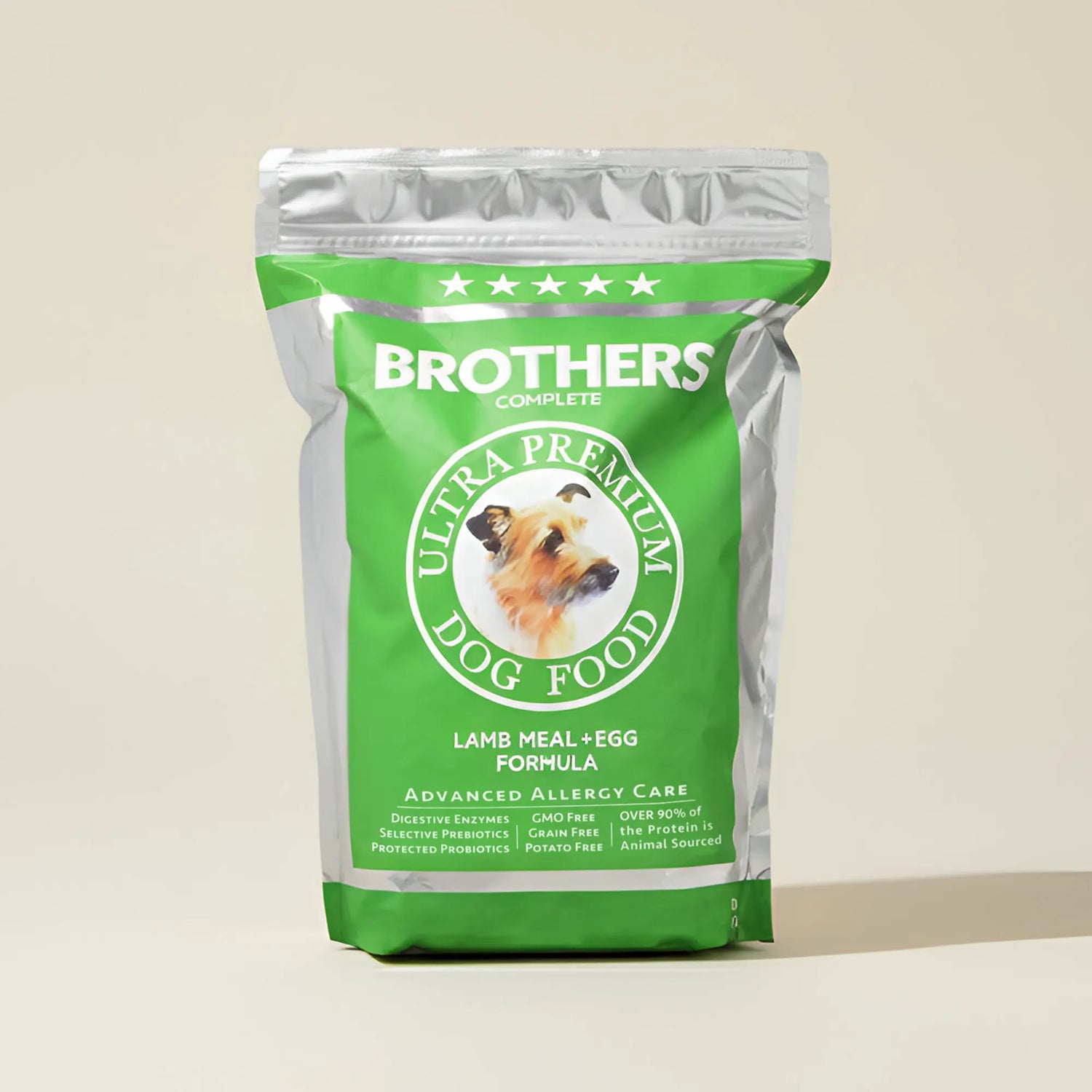
We never use generic terms like "meat by-products" or "animal digest." Every protein source is named—chicken, lamb, venison, turkey—so you know exactly what you're feeding. If we include an organ meat like chicken liver or beef liver, we call it out by name. No mystery ingredients, ever.
Gut-Health-First Formulas with Transparency
Our proprietary blend of digestive enzymes and probiotics supports optimal nutrient absorption and long-term gut health—so every ingredient we include works harder for your dog's well-being. We don't hide behind vague labels because we're proud of every component in our recipes.
No Corn, Wheat, Soy, or Artificial Additives
We exclude common fillers and artificial preservatives that add no nutritional value. Instead, we focus on whole-food ingredients, functional supplements, and science-backed nutrition that supports your dog's health at the cellular level.
Small-Batch Manufacturing & Total Transparency
As a privately-owned company, we manufacture in small batches with rigorous quality control. We're not cutting corners to hit commodity pricing—we're crafting recipes designed for long-term health, not short-term profit margins. You can trace every ingredient back to its source.
How Ingredient Transparency Supports Long-Term Health
Choosing a dog food with clear, named ingredients isn't just about feeling good—it has real health implications for your dog:
- Better allergy management – When every ingredient is named, you can easily identify and eliminate allergens if your dog develops sensitivities
- Consistent nutrition – Named ingredients mean batch-to-batch consistency, so your dog's digestive system isn't constantly adapting to mystery proteins
- Higher quality standards – Brands that name their ingredients are typically sourcing higher-grade materials, since transparency invites scrutiny
- Informed decision-making – You can research specific ingredients and make confident choices based on your dog's unique needs, not marketing claims
- Trust and peace of mind – When you know exactly what you're feeding, you can focus on enjoying life with your dog—not second-guessing every meal
Final Thoughts: Choose Clarity Over Confusion
The debate over meat by-products isn't really about whether organ meats belong in dog food—it's about whether you have the right to know what's in the bag. Vague, commodity-style labeling keeps pet parents in the dark, making it impossible to evaluate quality, consistency, or suitability for your individual dog.
At Brothers Dog Food, we reject the ambiguity. We use named, premium ingredients because we believe transparency builds trust—and trust is the foundation of every good relationship, including the one between you and your dog's food.
Your dog depends on you to make the best choices for their health. You deserve a brand that respects that responsibility by giving you all the information, no fine print, no mystery ingredients—just honest, science-backed nutrition you can feel confident about.
Because more healthy years with your best friend? That's always the goal.
Named proteins only
You will not find a mystery meat here