

Dog Nutrition Fundamentals: What Every Pet Parent Should Know
Key takeaways:
- The five essential nutrients dogs need are: protein, fat, carbs, vitamins, and water.
- Animal-based protein is more digestible and bioavailable than plant protein.
- Poor-quality ingredients can lead to inflammation, weight gain, and allergies.
- Digestive health is the foundation of nutrient absorption and immune support.
- Look for AAFCO compliance, named proteins, and gut-friendly ingredients on labels.
- High-quality dry food should avoid fillers like corn, wheat, soy, and unnamed meat meals.
- Digestive enzymes and probiotics improve stool, reduce inflammation, and boost health.
Why Dog Nutrition Matters More Than You Think
Feeding your dog well isn’t just about filling a bowl - it’s about fueling:
- Growth and development
- Digestive and immune health
- Energy levels and muscle tone
- Skin, coat, and joint integrity
- Lifespan and disease prevention
According to VCA Animal Hospitals, nutritional balance is one of the most important and controllable factors in your dog’s overall health.
What Are the Core Nutrients Dogs Need?
Every complete and balanced dog food should contain:
Protein
Protein is the most critical macronutrient in your dog’s diet - every cell in their body depends on it.
- Tissue repair and growth: Protein provides amino acids that rebuild muscle, repair cells, and support skin, coat, and organ health.
- Muscle maintenance: Especially important for active dogs, seniors, and growing puppies, protein helps preserve lean body mass and strength.
- Immune function: Antibodies, enzymes, and immune cells are made from proteins - without enough, your dog’s defenses weaken.
- Enzyme and hormone production: Proteins regulate everything from digestion to metabolism to mood through enzyme and hormone activity.
Look for:
-
Animal-based proteins like lamb, turkey, chicken, venison, or eggs
- These provide all 10 essential amino acids that dogs must get from their diet
- Plant-based proteins (like soy) often lack critical amino acids and are harder for dogs to digest
Tip: Look for foods with named meat meals (like “chicken meal” or “lamb meal”) listed first - these are concentrated, bioavailable sources of protein.
Fats
Fats are more than just a source of energy - they play a critical role in your dog’s overall health.
- Energy-dense fuel: Fats provide over twice the calories per gram as protein or carbohydrates, helping maintain weight, stamina, and metabolic function.
- Absorption of vitamins: Fat enables the absorption of fat-soluble vitamins like A, D, E, and K - essential for vision, immune response, bone health, and antioxidant defense.
- Brain and nervous system support: DHA, an omega-3 fatty acid found in fish oil, supports cognitive development in puppies and cognitive function in seniors.
- Skin and coat health: Omega-6 fatty acids (like linoleic acid) promote healthy skin and a shiny coat, while omega-3s help reduce inflammation and itchiness.
- Hormone regulation: Fats assist in hormone production and cellular signaling, keeping internal systems balanced.
Look for:
- Named animal fat sources (e.g., chicken fat, salmon oil - not generic “animal fat”)
- Balanced Omega-6 to Omega-3 ratio - ideally around 5:1 to avoid excess inflammation
- Moderate total fat content (Typically 10% to 15%) - excessive fat can lead to pancreatitis or obesity, especially in inactive dogs
Poor-quality fats or imbalanced fatty acid ratios can contribute to inflammation, digestive upset, and poor coat condition - so it’s worth reading the label closely.
Carbohydrates
Carbohydrates often get a bad reputation, but when used correctly, they can play a valuable role in a dog’s diet - especially in dry food.
- Energy source: Carbs provide a quick and efficient source of fuel, particularly for active dogs and growing puppies.
- Digestive health: Many carbohydrate sources offer soluble and insoluble fiber that support healthy bowel movements, gut motility, and microbiome diversity.
- Satiety and weight control: Fiber-rich carbs help dogs feel full without adding excess calories, making them useful in weight management diets.
That said, not all carbohydrates are created equal.
Look For:
- Low-glycemic carbs like cassava, lentils, oats, or chickpeas release glucose slowly and help regulate blood sugar.
- Whole-food carbs that retain fiber, vitamins, and minerals.
- Limited use - carbs should support nutrition, not displace protein.
Vitamins & Minerals
Vitamins and minerals may only be needed in small amounts, but they’re essential for nearly every system in your dog’s body.
- Metabolism: B vitamins (like B1, B6, B12) help convert food into usable energy.
- Bone and joint health: Calcium, phosphorus, and vitamin D work together to build and maintain strong bones and teeth.
- Nervous system function: Minerals like magnesium, potassium, and sodium support nerve signaling and muscle coordination.
-
Immune defense: Zinc, selenium, and vitamins A, C, and E help the body fight off illness, repair tissue, and reduce inflammation.
- But here's the catch: not all vitamins and minerals are created equal.
Bioavailability Matters
Just listing vitamins and minerals on a label doesn’t guarantee your dog will benefit from them.
- Nutrients must be bioavailable - meaning your dog can actually digest, absorb, and use them.
- Synthetic additives often pass through the body unused or cause imbalances if not paired correctly.
- Whole food sources (like organ meat, eggs, and kelp) provide a more natural, balanced nutrient profile that’s easier to absorb.
Water
Hydration is critical, especially if feeding dry kibble. Make sure clean, fresh water is always available.
What’s the Best Diet for Dogs?
There’s no one-size-fits-all answer - but there are clear best practices.
What to Look for in a Healthy Dog Diet:
- Over 80–90% of protein from animal sources
- Digestive enzymes to aid nutrient absorption
- Prebiotics and probiotics to support gut health
- Low-starch, low-yeast carbs to avoid inflammation
- AAFCO-compliant labeling for complete & balanced nutrition
What to Avoid:
- Corn, soy, wheat, rice, and unnamed “meat meals”
- High-glycemic fillers and excessive legumes
- Artificial colors, flavors, and preservatives
- Excess fat without sufficient protein
Georgia Veterinary Associates notes that poor-quality ingredients can lead to food intolerances, weight gain, and chronic inflammation - even if the label looks impressive.
How to Read a Dog Food Nutrition Label
Understanding the label helps you separate marketing from real nutrition. Here’s how:
1. Ingredients List
- Listed by weight (including moisture).
- First 2–3 items should be named animal proteins (not “meat by-product”).
2. Guaranteed Analysis
- Shows protein, fat, fiber, and moisture content.
- Ideal protein: 25%+ for adults, 28–30%+ for puppies
3. AAFCO Statement
Look for:
“This food is formulated to meet the nutritional levels established by the AAFCO Dog Food Nutrient Profiles…”
This means the food meets basic nutrient standards for your dog’s life stage.
Why Gut Health is the Foundation of Good Nutrition
Digestion isn’t just about processing food - it’s about absorbing nutrients and defending the body.
The Thrive Pet Healthcare guide notes that poor digestion leads to:
- Loose stool or constipation
- Gas and bloating
- Skin problems and allergy symptoms
- Weakened immune defense
That’s why your dog’s diet should do more than “contain nutrients.” It should support:
- A diverse, balanced gut microbiome
- Enzyme activity that breaks down proteins and fats
- Anti-inflammatory, yeast-starving carb choices
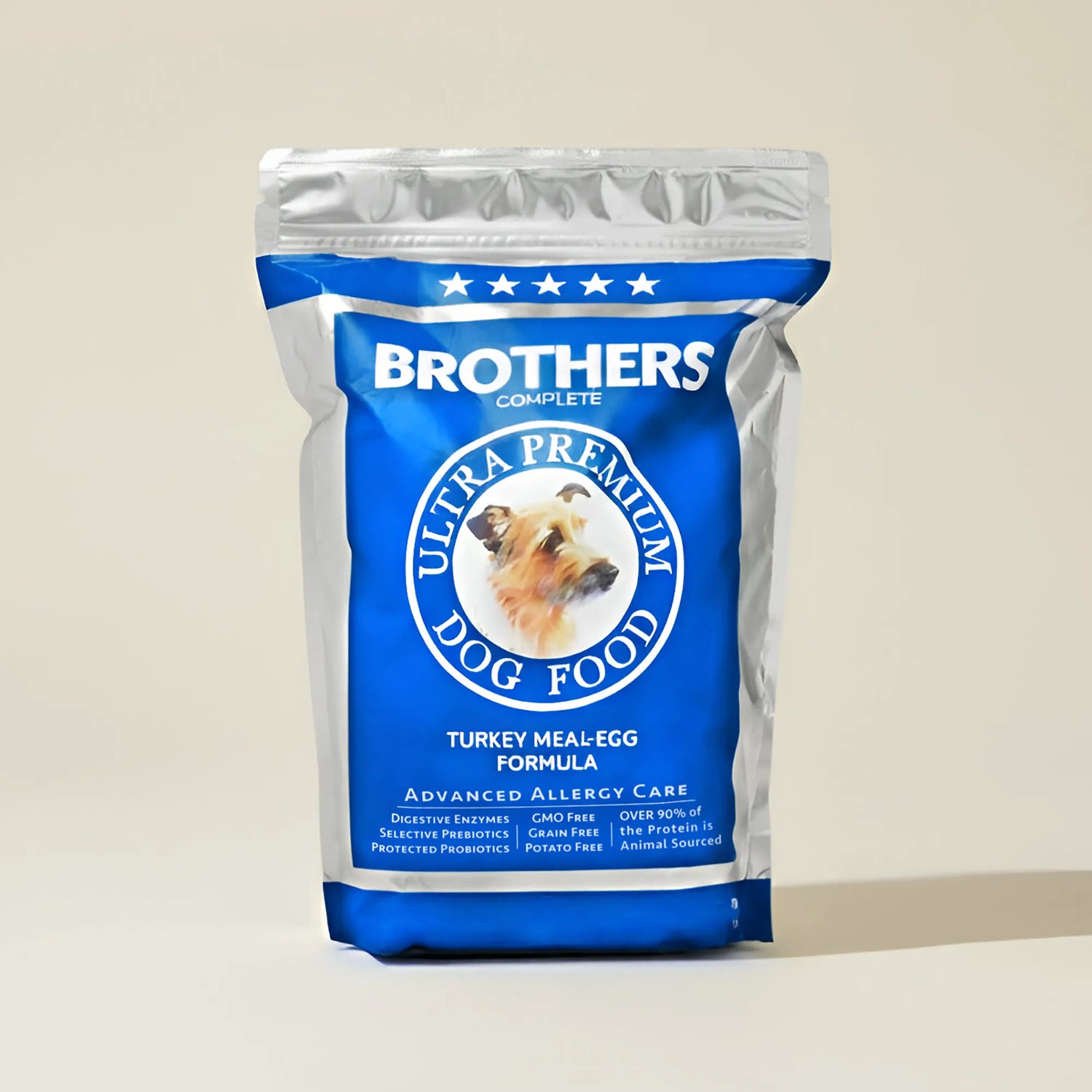
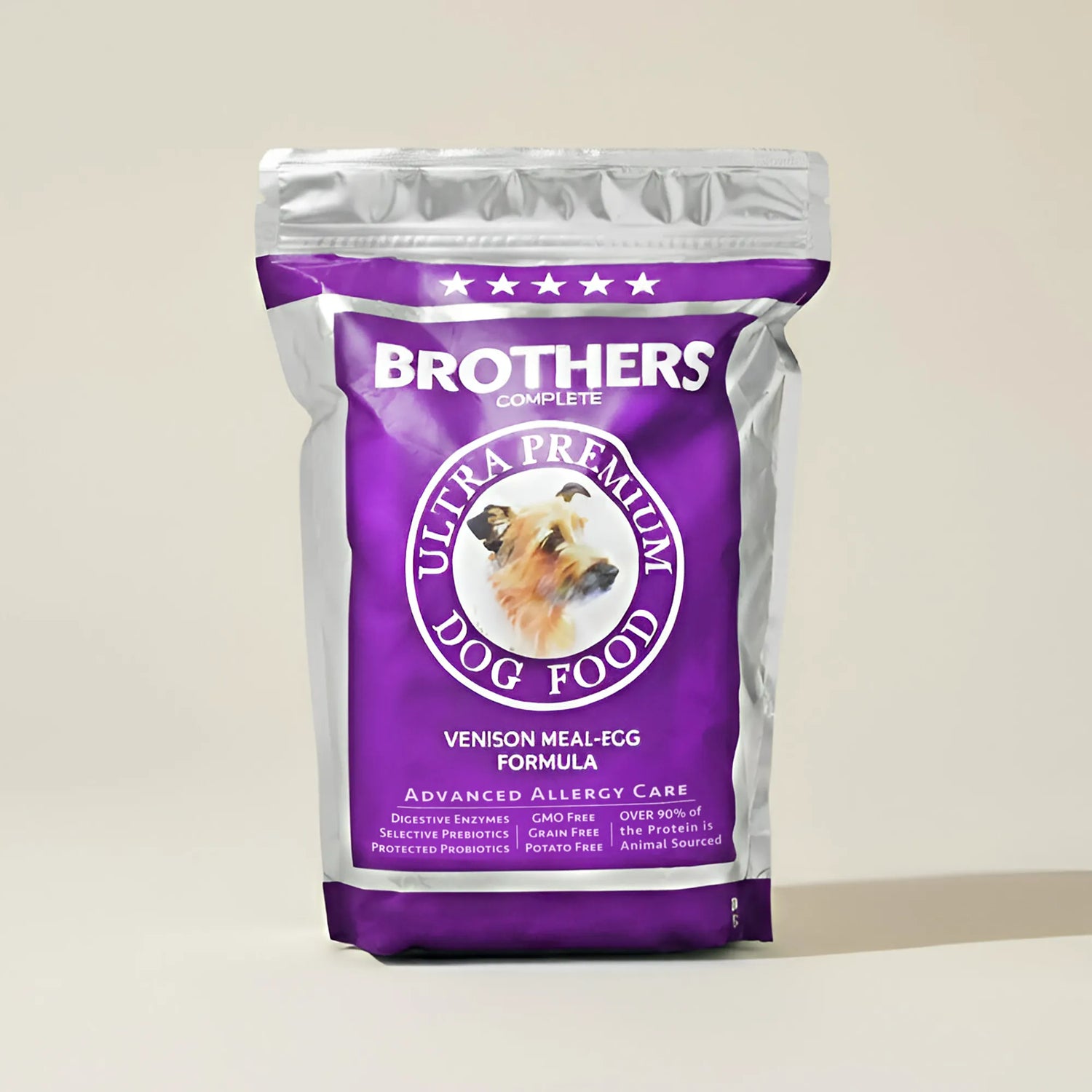
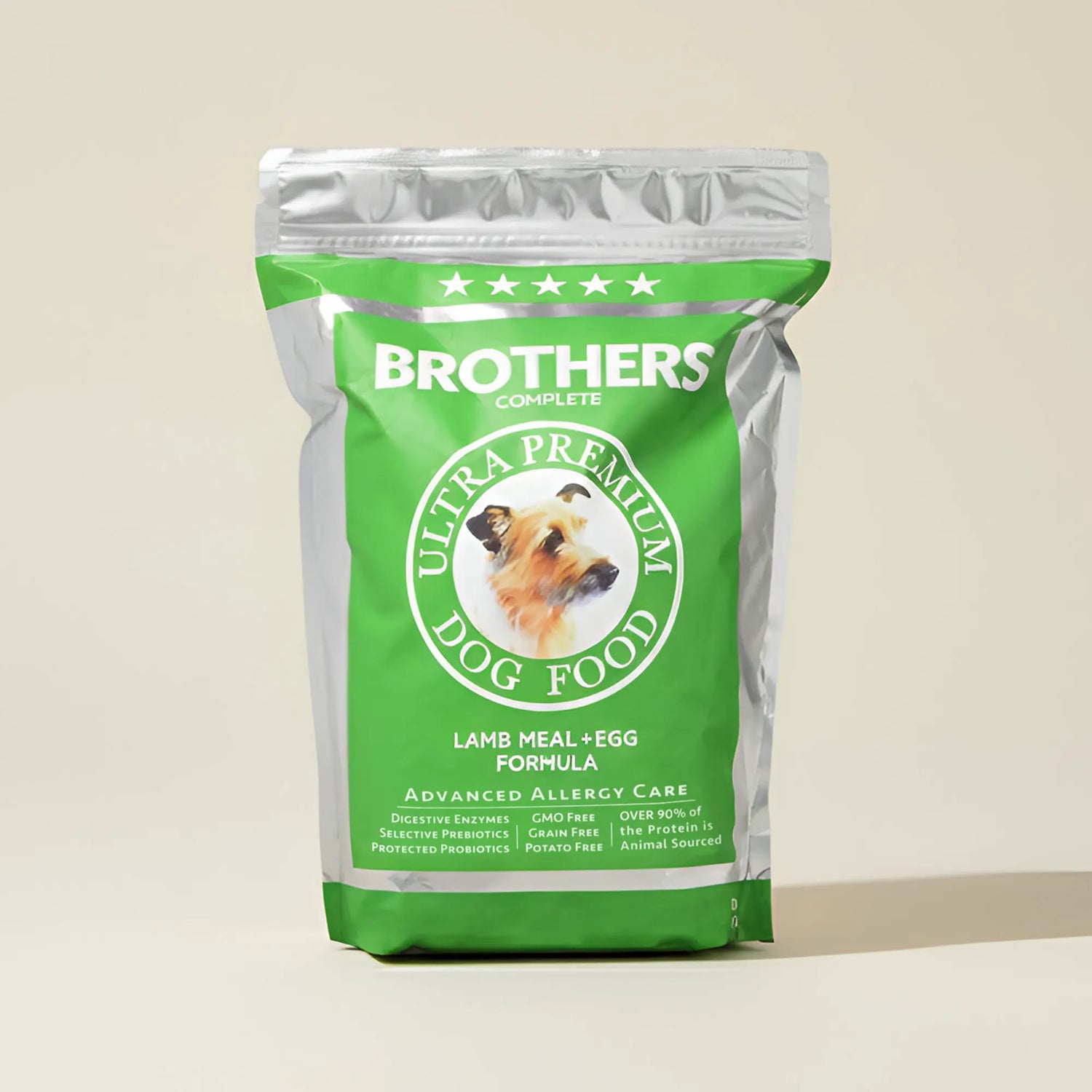
Brothers Dog Food: Built on Nutrition That Works
At Brothers, we design every formula around what your dog’s body actually needs — not just what sells.
Every bag includes:
- Over 90% animal-sourced protein
- A proprietary blend of digestive enzymes and probiotics
- Low-glycemic carbs like cassava - no corn, rice, wheat, or peas
- Formulated for absorption, not just ingredient count
Because a food is only as good as what your dog can digest, absorb, and benefit from.
Final Thoughts: Dog Nutrition Isn’t Complicated - If You Know What to Look For
Good nutrition doesn’t require decoding fancy labels or chasing trends.
It requires:
- Real protein
- Bioavailable nutrients
- Gut support
- And the absence of cheap fillers
If you want to give your dog the best chance at a healthy, long life, it starts with the right foundation - one bowl at a time.
Disclaimer: This article is for informational purposes only and is not a substitute for professional veterinary advice. Always consult your veterinarian with any questions or concerns about your dog’s specific health and dietary needs.
Gut-first nutrition since 2009
The fundamentals, in one bag