

Grain vs. Grain-free: What’s The Scoop on Dog Digestion and Grains
Key takeaways:
- Grain-free diets replace grains with ingredients like potatoes and lentils.
- Excess legumes have been linked to digestive issues and possible heart concerns.
- Dogs with grain allergies may benefit from grain-free diets if done right.
- Not all grains are bad - whole grains can offer benefits in moderation.
- The bigger issue is digestibility and ingredient quality - not grains vs. no grains.
- Poorly formulated grain-free foods may overload starch and underdeliver on nutrients.
- Focus on what your dog can actually digest, not marketing buzzwords.
Why the Grain-Free Debate Started
Grain-free dog food gained popularity with the rise of human health trends like gluten-free diets. Pet parents started asking:
- Are grains bad for dogs?
- Do they cause allergies or digestive issues?
- Is grain-free automatically healthier?
And at first glance, it made sense - many dogs do show sensitivities to grain-heavy foods. But as Texas A&M Veterinary Medicine explains, the real issue is more complicated.
What Counts as “Grains” in Dog Food?
Grains typically include:
- Corn
- Wheat
- Barley
- Oats
- Rice
- Millet
- Sorghum
These ingredients can provide carbohydrates, fiber, and energy, but they’re also common allergens or triggers in sensitive dogs.
The VCA notes that whole grains can be beneficial in moderation for healthy dogs—but not all grains are equal. Highly processed grains or grain “byproducts” can cause more harm than good.
What Does Grain-Free Dog Food Really Mean?
Grain-free dog food contains no traditional cereal grains. Instead, it often includes:
- Lentils
- Chickpeas
- Potatoes
- Tapioca
- Sweet potatoes
These ingredients are used to replace grains as carbohydrate sources - but they aren’t always better.
Spotsylvania Animal Hospital warns that some grain-free formulas may overuse legumes and starches, which can lead to:
- Digestive issues
- Spikes in blood sugar
- Potential links to canine dilated cardiomyopathy (DCM) in certain breeds
The FDA investigation into grain-free dog food and DCM has added confusion to the discussion, though no direct causal link has been proven. The concern lies mostly in how legumes and potatoes are used in excess, not in the absence of grains alone.
So… Is Grain-Free Better for Dogs?
It depends.
Grain-free may be better if your dog:
- Has grain allergies or intolerances
- Suffers from chronic yeast infections or itchy skin
-
Has trouble digesting corn, wheat, or rice
But not all grain-free foods are created equal:
- If they rely on high-starch legumes, such as chickpeas or soybeans, may worsen gut health
- If they lack balanced protein or digestive support, they may do more harm than good
What Really Matters: Ingredient Quality + Digestibility
The core issue in both grain and grain-free foods is digestibility.
As Petfolk explains, the best dog food isn’t defined by “grain” or “grain-free” - it’s defined by:
- High-quality, species-appropriate protein
- Low-glycemic carbohydrates that don’t spike blood sugar
- Digestive enzymes and probiotics to support absorption
- Limited or no fillers, byproducts, or artificial preservatives
So instead of asking grain or no grain, ask:
"Can my dog actually digest and benefit from what’s in their bowl?"
Why Brothers Formulas Are Grain-Free - By Design
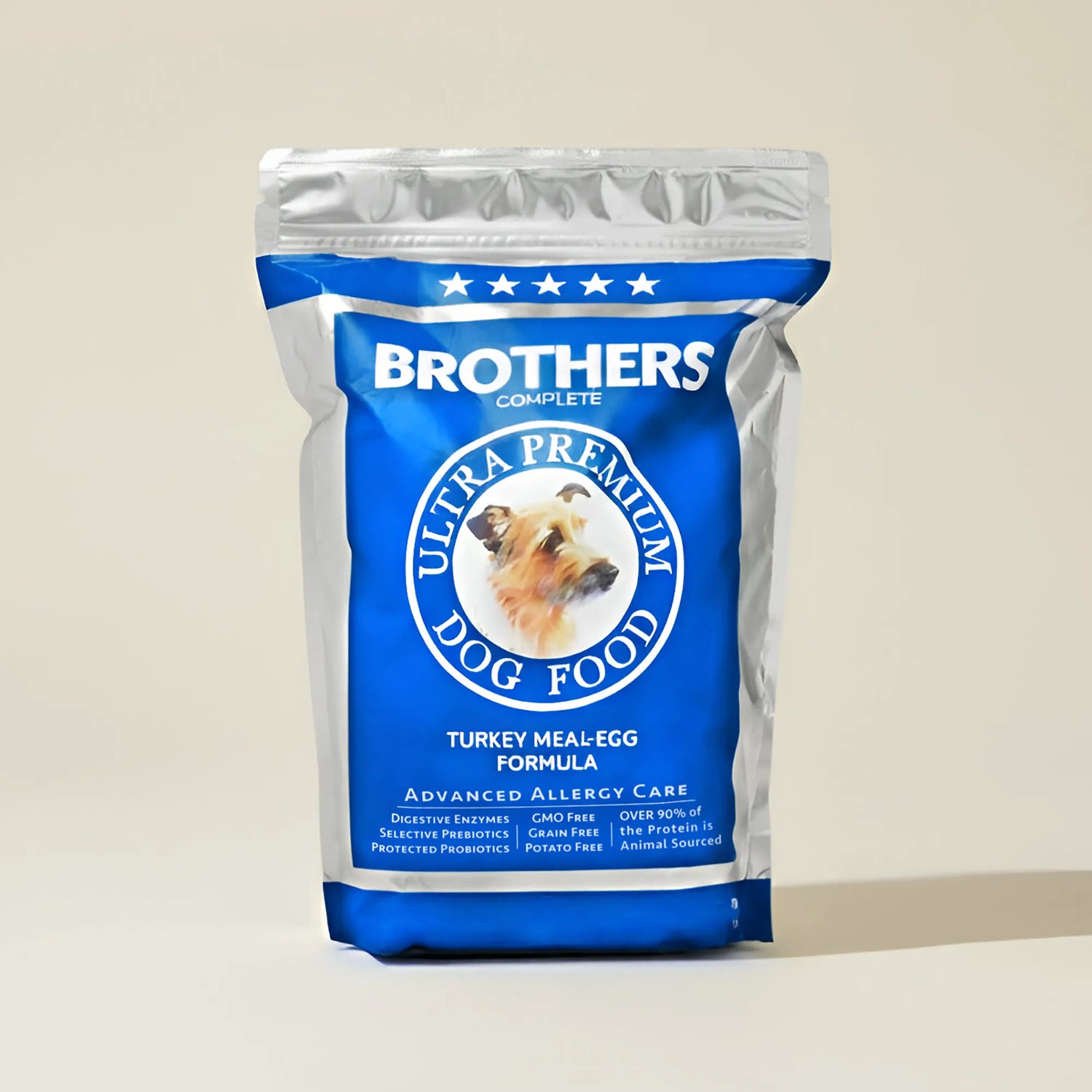
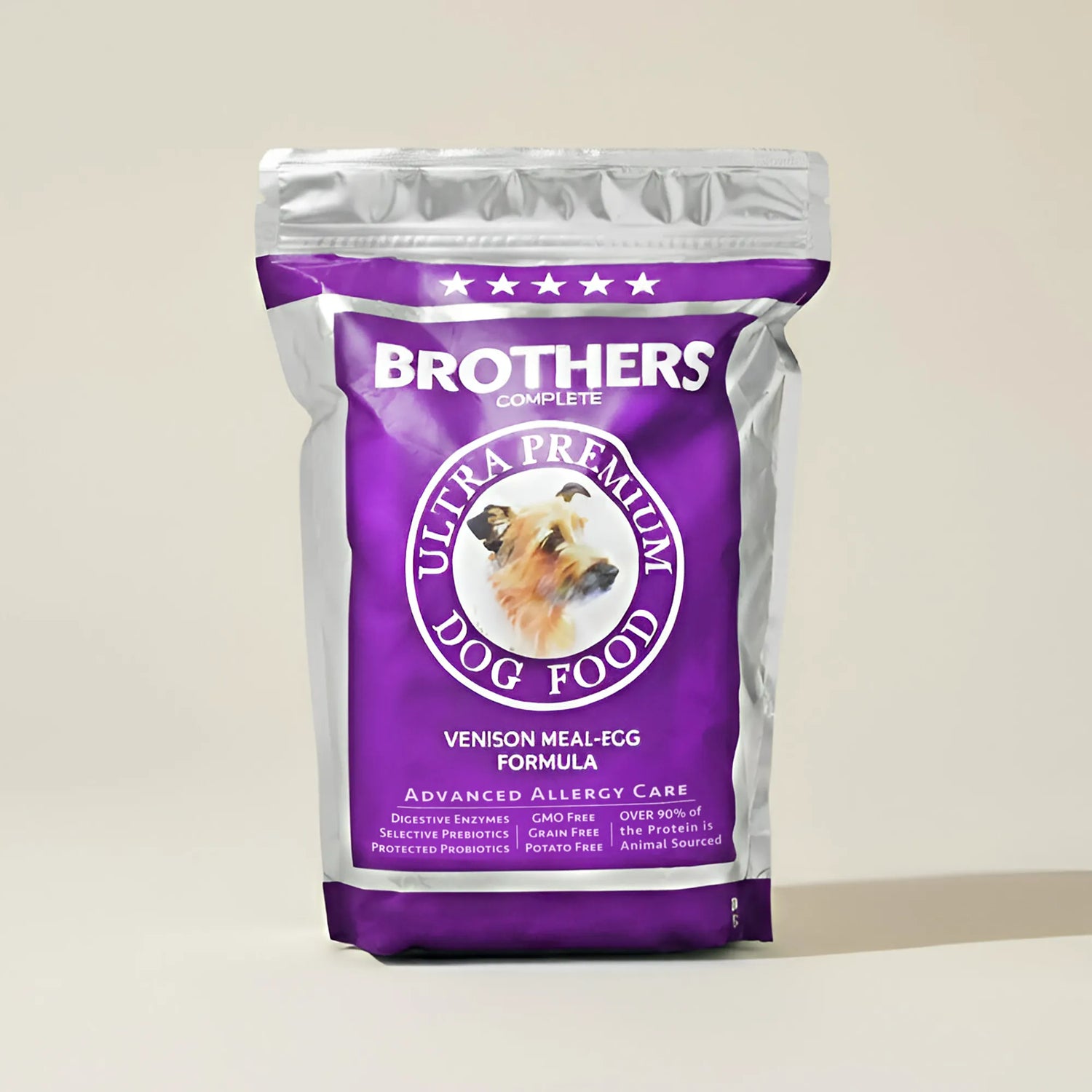
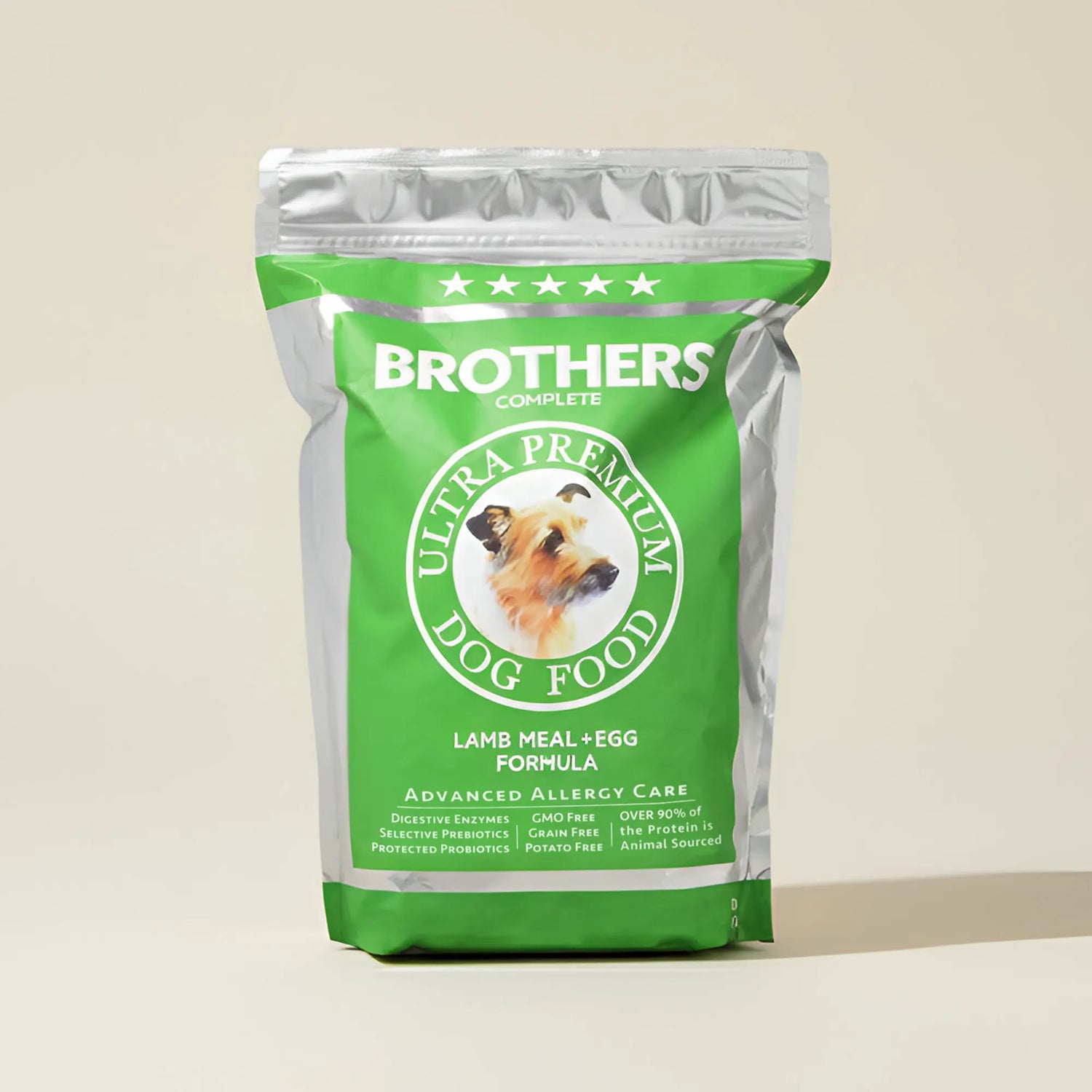
At Brothers, we formulate every recipe without corn, wheat, rice, or high-starch fillers - not because it’s trendy, but because it’s better for gut health.
Our grain-free approach includes:
- Low-glycemic carbs like cassava
- No lentils, or potatoes
- Over 90% of protein from animal sources
- A targeted blend of digestive enzymes and probiotics
- Designed to starve yeast and support long-term immune health
The result?
- Better digestion
- Fewer allergy flare-ups
- Consistent energy and stool quality
- Less inflammation from dietary triggers
Final Thoughts: Don’t Get Caught in the Grain Debate
Some dogs thrive on grains. Some do better without.
There’s no one-size-fits-all answer - but there is one principle that always holds:
Feed what your dog can digest and thrive on.
If that means grain-free, make sure it’s a formula built on:
- Real protein
- Functional, gut-friendly carbs
- Ingredient integrity and purpose - not filler
Because whether it says “grain-free” or not, the best dog food supports long-term health from the inside out.
Disclaimer: This article is for informational purposes only and is not a substitute for professional veterinary advice. Always consult your veterinarian with any questions or concerns about your dog’s specific health and dietary needs.
Grain-free, low-glycemic
Grain-free done the careful way