

Chronic Ear Infections in Dogs: Why They Keep Coming Back & How to Stop the Cycle
If your dog is constantly scratching their ears, shaking their head, or suffering from repeat infections, you're not alone, and you're likely exhausted from the monthly vet visits, prescriptions, and temporary relief that never seems to last. Chronic ear infections in dogs are incredibly common, and just as frustrating for owners as they are uncomfortable for pets.
At Brothers, we believe in looking deeper than surface symptoms. Treating the infection is important, but understanding and preventing the next one is where real healing begins. In this post, we'll walk through what causes recurring ear infections, why diet plays a bigger role than most people realize, and how a gut-health-first approach to nutrition may help stop the cycle for good.
Quick Summary:
- Chronic ear infections are often symptoms of deeper issues: allergies, immune dysfunction, or systemic inflammation, not isolated incidents
- According to the AKC, ear infections are among the most common reasons dogs visit the vet
- Diet quality matters: inflammatory ingredients and gut imbalance can contribute to recurring infections
- Breeds with floppy ears, allergies, or immune sensitivities are more prone to chronic ear issues
- A gut-health-first approach may help address root causes, not just symptoms
The Frustration of Recurring Ear Infections
An ear infection once or twice is one thing. But when it becomes a pattern, a monthly vet visit, constant itching, foul odor, or that all-too-familiar head tilt it's time to look deeper.
According to the AKC, ear infections are among the most common reasons dogs are brought to the vet. And as VCA Animal Hospital points out, these infections (otitis externa) involve inflammation of the external ear canal, and while bacteria and yeast are often present, they're typically secondary invaders, not the primary cause.
In other words: if you're only treating the bacteria or yeast without addressing why your dog's ears became inflamed in the first place, you're setting yourself up for another infection in a few weeks.
The pattern is exhausting. The discomfort is real. And for many dogs, the answer isn't just another round of antibiotics, it's identifying and eliminating the underlying trigger.
Common Signs of Ear Infections in Dogs
If your dog has any of the following symptoms, it may be more than "just itchy ears":
- Scratching at ears or shaking head frequently
- Redness or swelling around the ear canal
- Foul smell from ears
- Discharge (brown, yellow, or bloody)
- Tilting the head or trouble with balance
- Whimpering when ears are touched
Some dogs are more prone to infections than others, especially those with floppy ears (like Cocker Spaniels, Basset Hounds, or Labrador Retrievers), heavy coats, allergies, or immune sensitivities. But even dogs without those risk factors can develop chronic infections if the root cause isn't addressed.
If you notice these symptoms recurring, even after treatment, it's time to look beyond the ears themselves.
Why Do Some Dogs Keep Getting Ear Infections?
According to AMC Schwarzman Animal Medical Center, recurring ear infections are often symptoms of deeper issues, not isolated incidents. Common root causes include:
- Allergies (environmental or food-related)
- Moisture buildup in floppy ears (especially after swimming or baths)
- Yeast or bacterial overgrowth
- Hormonal imbalances (hypothyroidism, Cushing's disease)
- Immune system dysfunction
That last point is especially important, and often overlooked. When a dog's immune system is compromised or dysregulated, their body loses its ability to keep normal ear flora in check. What should be a balanced microbial environment becomes an overgrowth zone.
And here's where diet comes into play: gut health and immune function are deeply interconnected. If your dog's gut microbiome is out of balance, their immune system suffers, and one of the most common places that shows up is the ears.
The Gut-Ear Connection: Can Dog Food Cause Ear Infections?
It might sound surprising, but yes, your dog's diet can contribute to chronic ear issues, even if they're not technically "allergic" to a specific ingredient.
Why? Because certain ingredients promote systemic inflammation and gut imbalance, which can weaken immune defenses and create conditions where yeast and bacteria thrive.
Many commercial dog foods include:
- Inflammatory grains (corn, wheat, soy)
- High-glycemic carbohydrates (potatoes, peas, white rice)
- Protein meals and byproducts (less bioavailable, harder to digest)
- Fillers and preservatives that disrupt beneficial gut bacteria
While these ingredients aren't inherently toxic, they can be problematic for dogs with sensitivities or compromised gut health. And when the gut lining becomes irritated or permeable (often called "leaky gut"), undigested food particles and toxins can enter the bloodstream, triggering immune responses that manifest as ear inflammation, itchy skin, or digestive upset.
If you're interested in learning more about this connection, check out our blog on leaky gut in dogs and how it relates to chronic inflammation.
What Foods Cause Ear Infections in Dogs?
No single food "causes" ear infections outright, but certain ingredients can create conditions that make infections more likely, especially in sensitive dogs.
Ingredients to watch for:
- Corn, wheat, and soy: common allergens and inflammatory triggers
- White potatoes: high-glycemic carbs that can spike blood sugar and promote imbalance
- Artificial colors, flavors, and preservatives: disrupt gut microbiome
- Low-quality protein meals: harder to digest, more likely to trigger sensitivities
- Excessive carbohydrate content: can contribute to yeast overgrowth
According to the AKC's tips on preventing ear infections, managing allergies, including food sensitivities, is one of the most effective ways to reduce chronic ear issues.
If your dog has recurring infections despite medical treatment, it may be time to evaluate their diet. Not as a replacement for veterinary care, but as a complementary strategy to address root causes.
Best Dog Food for Chronic Ear Infections? Look for These Qualities
If you're shopping for a diet that supports ear health and reduces inflammation, here's what to prioritize:
- Premium, whole-protein sources (not meals or byproducts): easier to digest, less likely to trigger sensitivities
- No corn, wheat, or soy: these are common inflammatory triggers and offer limited nutritional value
- Low-glycemic carbohydrates (like oats or barley) instead of potatoes or white rice
- Gut-supporting ingredients: probiotics, prebiotics, and digestive enzymes to strengthen immune function from the inside out
- Transparency in sourcing and formulation: you should know exactly what's in the bag and where it comes from
At Brothers, we specifically formulated our recipes with these principles in mind, not as a trendy marketing angle, but because we've seen firsthand how powerful nutrition can be when it's done right.
Explore our gut health dog food collection or our allergy-friendly formulas to see how we approach inflammation and immune support through nutrition.
The Brothers Dog Food Difference
At Brothers Dog Food, we don't just avoid problematic ingredients, we actively include functional nutrition that supports long-term health.
Proprietary Blend of Digestive Enzymes and Probiotics
Every Brothers recipe includes our custom blend of digestive enzymes and probiotics, designed to support nutrient absorption, strengthen gut lining, and promote a balanced immune response. Because when the gut is healthy, the whole dog thrives, including their ears.
No Corn, Wheat, Soy, or Artificial Additives
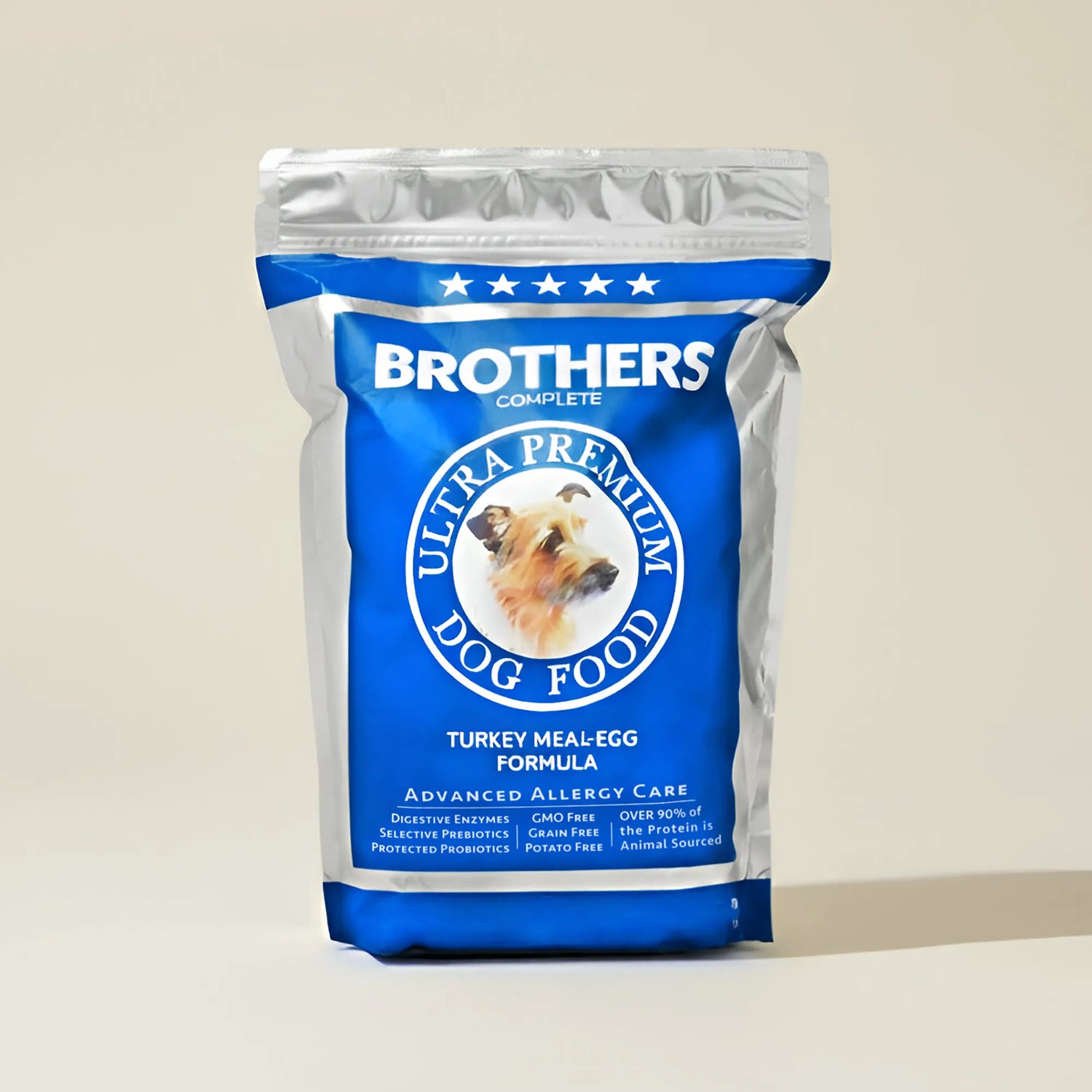
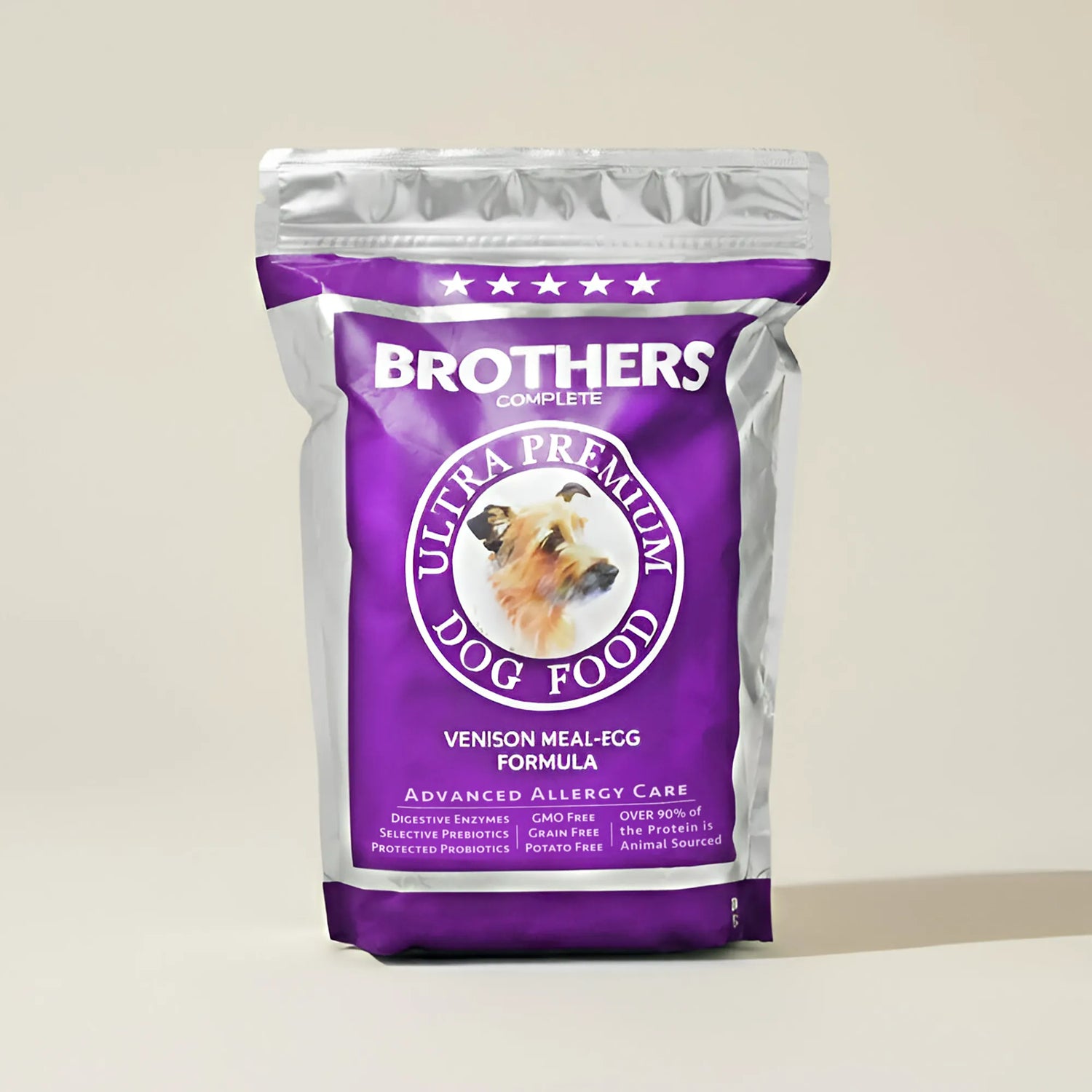
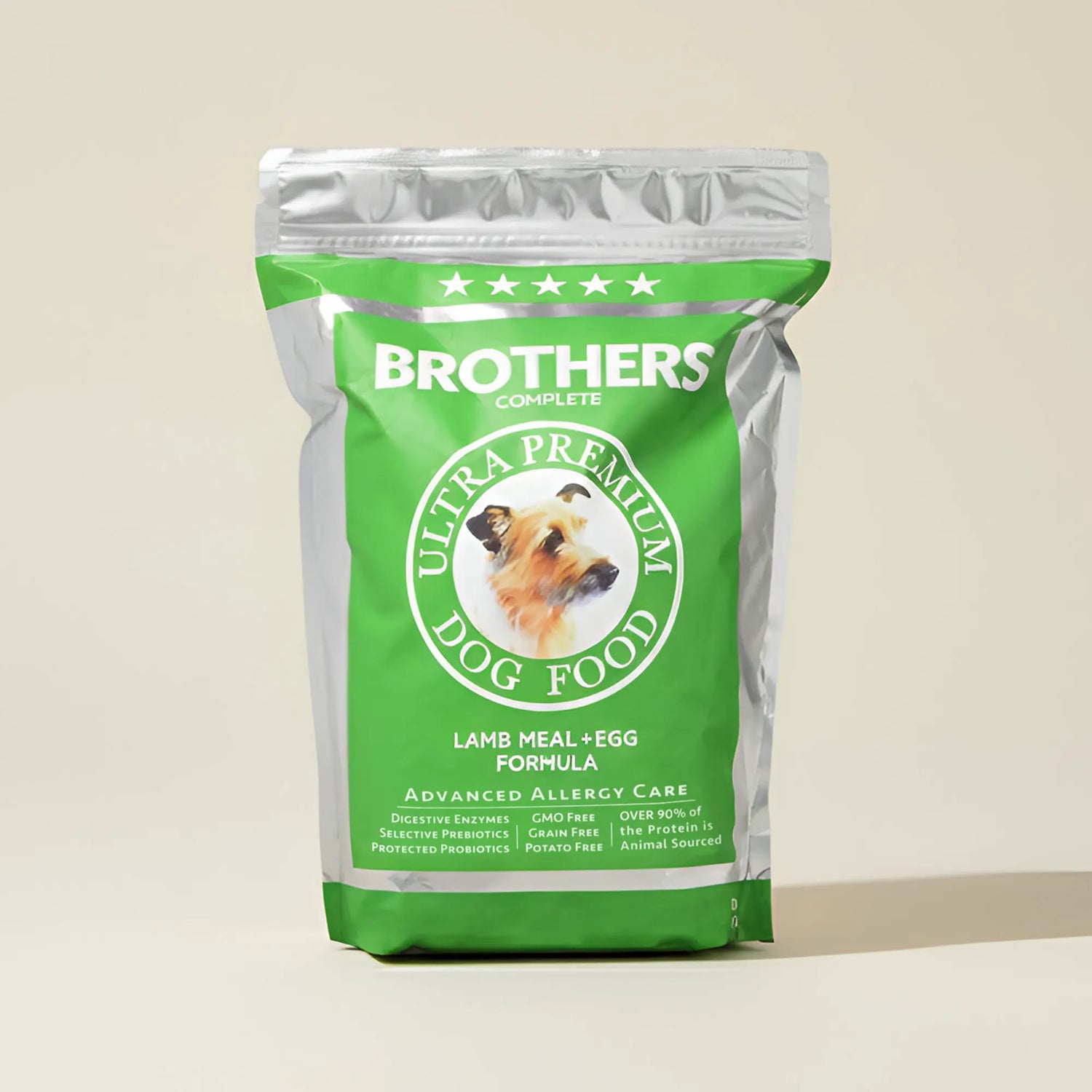
We exclude the most common inflammatory triggers and allergens. Our formulas are built around premium whole proteins (like turkey, venison, and lamb) and low-glycemic carbohydrates, like cassava, that nourish without inflaming.
Small-Batch Manufacturing & Total Transparency
We're a family-founded company that manufactures in small batches, allowing us to maintain strict quality control and ingredient traceability. You'll never find vague terms like "poultry meal" or "animal fat" on our labels, just real, named ingredients.
Science-Backed Nutrition, Not Marketing Spin
Every formulation decision we make is rooted in veterinary science and nutritional research. We cite our sources, explain our choices, and never overstate benefits. If we can't back it up, we don't claim it.
Learn more about our approach on our About Us page or dive into the science with our white paper.
How Gut-Health-First Nutrition Supports Long-Term Health
When you address gut health and inflammation through diet, the benefits extend far beyond just ear health:
- Stronger immune function: a balanced gut microbiome produces up to 70% of immune cells, helping your dog naturally resist infections
- Reduced systemic inflammation: less inflammation means fewer flare-ups in ears, skin, joints, and digestive tract
- Better nutrient absorption: digestive enzymes and probiotics help your dog actually use the nutrients in their food, not just pass them through
- Stable energy and weight management: balanced blood sugar and efficient digestion support healthy weight and sustained energy throughout the day
- Healthier skin and coat: inflammation shows up on the outside, too; internal balance leads to visible improvements in skin, coat, and overall vitality
For more on how digestive enzymes support your dog's overall health, check out our blog on digestive enzymes essential for dogs' overall health.
Don't Just Treat, Prevent
If your dog has had multiple ear infections, you've probably tried:
- Prescription ear drops
- Oral antibiotics
- Antifungal medications
- Regular ear cleanings
All of these are important tools, and sometimes necessary. But if you're not addressing the underlying cause, you're managing symptoms, not solving the problem.
Prevention starts from the inside out:
- Evaluate your dog's diet for inflammatory ingredients
- Support gut health with probiotics and digestive enzymes
- Work with your vet to identify allergies or immune dysfunction
- Keep ears dry after swimming or baths
- Monitor for early signs and act quickly
At Brothers, we created our formulas specifically for dogs who need more than symptom management, dogs whose parents are ready to address root causes and invest in long-term wellness.
If you're making the switch to a gut-health-first diet, check out our guide on switching to Brothers: the healing process to understand what to expect during the transition period.
Final Thoughts: The Real Fix Is From the Inside Out
Chronic ear infections aren't just an ear problem, they're often a signal that something deeper is out of balance. And while antibiotics and ear drops have their place, they can't fix a dysregulated immune system or a gut microbiome under siege from inflammatory ingredients.
If your dog has been stuck in the infection-treatment-infection cycle, it's time to look at their bowl. Not as a magic cure, but as a foundational piece of the puzzle that too many pet parents, and even some vets, overlook.
At Brothers, we believe every dog deserves food that nourishes, not inflames. Food that strengthens from the inside out. Food that supports their immune system, respects their biology, and gives them their best shot at a long, healthy, itch-free life.
Because fewer vet visits, less discomfort, and more tail wags? That's always the goal.
Explore our premium dog food collection or reach out with questions, we're here to help you and your pup find the right path forward.